Understanding Construction Safety Net Size for Global Construction Safety and Efficiency
Construction Safety Net Size: Why It Matters Globally
If you’ve ever visited a construction site, you’ve probably noticed those large, mesh nets stretched across scaffolding or dangling beneath beams. Those are construction safety nets, vital for protecting workers and pedestrians from falling debris or accidents. But have you ever stopped to wonder why the construction safety net size is such a hot topic in architecture, engineering, and global standards?
Frankly, it’s not just about safety regulations. The size and specifications of these nets impact productivity, cost-efficiency, and even environmental sustainability across construction projects worldwide. Understanding how to choose the right net size affects everything from compliance with OSHA regulations in the US to meeting ISO standards internationally. Today, we'll explore why the construction safety net size is more than a number—it’s a keystone of safe, efficient building.
Introduction: The Global Context of Construction Safety Nets
Construction sites are among the riskiest workplaces worldwide, accounting for a significant fraction of occupational injuries. According to the International Labour Organization (ILO), construction accidents represent a striking percentage of fatal work-related injuries globally. Proper safety net sizing plays a crucial role in minimizing these figures.
Besides safety, the World Bank highlights how infrastructure development in emerging economies is booming, especially in Asia and Africa. Naturally, this ups the demand for robust construction safety solutions, including optimized safety netting.[1]
But there’s a challenge: sizes vary depending on building heights, site layout, and environmental factors. Getting this wrong leads to gaps in safety or inflated costs. That’s where understanding construction safety net size fully comes into play.
What Exactly is Construction Safety Net Size?
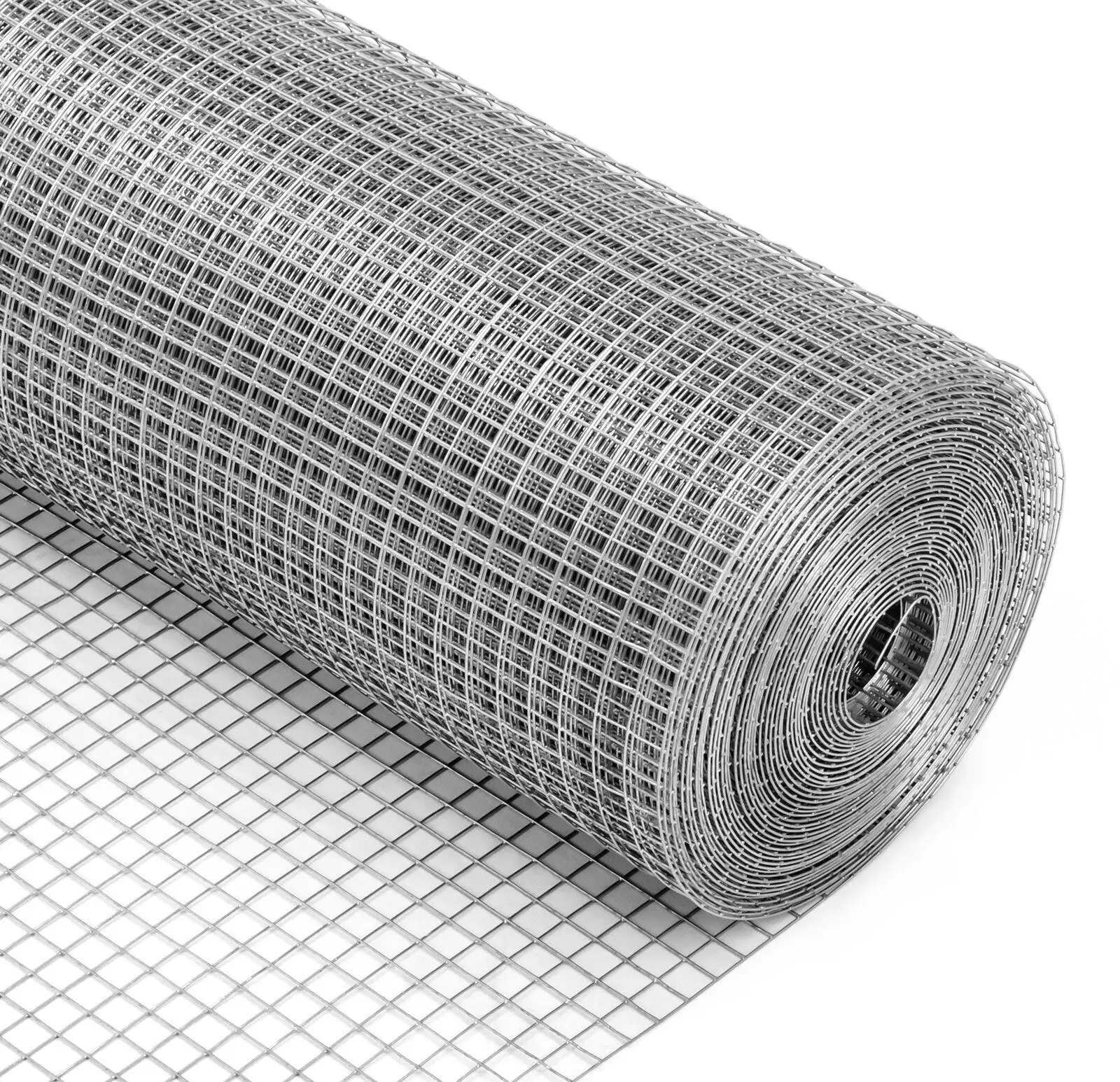
Simply put, construction safety net size refers to the physical dimensions and mesh aperture of safety nets used to catch falling debris or workers on-site. These sizes determine the net coverage area and its capacity to stop various weights and sizes of falling objects. It’s a balance between large enough to cover areas effectively but with small enough mesh openings to prevent hazardous materials from slipping through.
In modern industry terms, it's a finely tuned technical specification that helps align safety measures with the specific needs of each construction project or humanitarian relief setup. For instance, in disaster-stricken zones, appropriately sized netting can secure unstable structures quickly, aiding rescue efforts.
Key Factors in Selecting Construction Safety Net Size
Durability and Material Strength
Nets come in different materials—polyethylene, nylon, or polypropylene—with UV and weather resistance affecting longevity. Larger nets require stronger materials to maintain tensile strength over wide spans, especially on tall buildings.
Mesh Aperture (Opening Size)
This refers to the size of the openings between the threads. Smaller apertures trap finer debris, but can add bulk and cost. Optimal aperture size depends on whether the netting is intended to stop small falling nails or larger debris.
Coverage Area
Obviously, the physical dimensions—width and length—need to fit the construction site scale. A high-rise skyscraper requires far larger nets compared to a small residential build. Plus, modularity helps accommodate irregular site shapes.
Cost Efficiency
While larger and higher-grade nets offer superior protection, they can double the budget. Contractors often juggle between safety margins and project budgets. Fortunately, many companies provide tailor-made nets that balance these.
Compliance with Safety Standards
Adhering to OSHA in the US, EN standards in Europe, or local regulations mandates certain sizes and strengths. Non-compliance risks hefty fines or shutdowns—plus, of course, human safety.
Mini takeaway: Construction safety net size isn’t just about sheer dimensions but a complex interplay of materials, design, and regulations.
Product Specification: Sample Construction Safety Net Sizes
| Parameter | Typical Value | Remarks |
|---|---|---|
| Net Size (Width x Length) | 4m x 100m | Common for mid-rise buildings |
| Mesh Aperture | 25mm x 25mm | Standard small debris size |
| Material | HDPE (High-Density Polyethylene) | UV and weather resistant |
| Tensile Strength | 32 kN/m | Meets EN1263-1 standards |
Global Applications & Who Benefits?
It’s striking how vital construction safety net size is from bustling Asian metropolis to remote African infrastructure projects. Regions with rapid urbanization, like India and Nigeria, rely heavily on customized safety nets tailored for tall towers and dense site layouts.
In post-disaster relief, such as after earthquakes, NGOs use safety nets sized to stabilize broken scaffolding or prevent debris fall while rescue operations continue. Oddly enough, even offshore oil rigs depend on these nets to protect workers from falling tools or equipment.
construction safety net size considerations are embedded in projects across sectors—civil engineering, commercial construction, and even residential developments—to reduce fatalities, improve safety culture, and keep projects moving on schedule.
Vendor Comparison: Popular Safety Nets Providers
| Provider | Net Sizes Offered | Material | UV Resistance | Price Range |
|---|---|---|---|---|
| YJ Wire Mesh | 3m x 50m to 5m x 150m | HDPE | Up to 5 years | $$$ |
| GlobalSafety Nets | 4m x 100m standard | Polypropylene | 3 years | $$ |
| SafeBuild Nets | Custom sizes | Nylon blend | 3-4 years | $$$$ |
Advantages & Long-Term Value of Correct Net Sizing
Choosing the right construction safety net size pays off in multiple ways. For one, safety is paramount—not just in compliance but in human lives protected. There’s a tremendous peace of mind knowing that workers and passersby have a reliable barrier below.
Financially, correct sizing reduces overbuying material but also limits downtime caused by accidents or inspections. Environmental benefits emerge too, because durable, well-fitted nets mean less frequent replacements and waste.
Socially, using the right safety nets enhances your company’s reputation—showcasing care for worker dignity and innovativeness. I’ve chatted with several engineers who note that well-sized nets often reflect a deeper culture of safety on site.
Future Trends & Innovations
Moving forward, innovations like smart nets embedded with sensors to detect damage or stress are gaining steam. Some manufacturers explore bio-degradable or recycled materials, aligning with global sustainability goals.[2]
Automation and drone inspections also promise to optimize net installation and maintenance, ensuring ideal fit and tension without overextending human teams.
Challenges & Solutions in Sizing Safety Nets
Of course, sizing isn’t always straightforward. Uneven building perimeters or changing project scopes complicate net deployment. Weather conditions like heavy winds can also influence ideal net dimensions.
Many experts recommend modular net designs that can connect to cover irregular spaces, combined with onsite measurements aided by digital modeling. Some vendors even offer real-time consultations to customize sizing perfectly.
FAQ: Frequently Asked Questions About Construction Safety Net Size
- Q: How do I determine the right size of a safety net for a seven-story building?
A: Generally, nets must cover areas where debris or workers may fall, extending beyond the building footprint. Consulting local regulations and performing a site survey are crucial. Typical net dimensions for seven stories might be around 5m wide and custom length based on perimeter. - Q: Can standard-sized nets be used for all types of construction sites?
A: Not really. While some standard sizes exist, many sites require customized nets due to building height, shape, and specific risks. Modular netting solutions provide flexibility for diverse sites. - Q: How often should safety nets be replaced?
A: This depends on material durability, exposure, and compliance standards, but typically every 3 to 5 years. Regular inspections help identify wear and tear early. - Q: Are larger nets necessarily better for safety?
A: Larger coverage improves safety but can increase costs and handling complexity. The key is appropriate sizing that balances full coverage with efficient resource use. - Q: What role do mesh aperture sizes play?
A: Smaller mesh apertures block finer debris, enhancing safety but raising material and installation cost. Choosing the right aperture size depends on debris types expected on site.
Conclusion: Get Your Construction Safety Net Size Right — Safeguard Your Project
Ultimately, the construction safety net size is a foundational part of corporate responsibility in construction, influencing safety, cost, and sustainability. Whether you’re erecting a skyscraper or coordinating disaster relief, properly sized safety nets protect lives and livelihoods.
If you want to learn more about optimal sizing and supplier options, I encourage you to visit https://www.yjwiremesh.com. They offer practical advice and custom solutions that could save your next project a lot of stress down the line.
So, next time you walk past a buzzing construction site, you might see those nets differently—not just as gear, but as carefully sized shields against risk.
Mini takeaway: Smart sizing of safety nets means safer, smarter construction worldwide.
References:
-
High Quality Anti Bird Agro Net for Professional Crop ProtectionNewsApr.16,2026
-
Guide to Bird Netting Cost Per Square Foot and Material OptionsNewsApr.09,2026
-
Comprehensive Guide to Bird Netting Cost Factors and Material ChoicesNewsApr.07,2026
-
Comprehensive Guide to Bird Net for Balcony Cost and Installation OptionsNewsApr.04,2026
-
Comprehensive Guide to Bird Netting Price and Effective Protection SolutionsNewsMar.31,2026
-
Comprehensive Guide to Nylon Bird Net Price Factors and OptionsNewsMar.28,2026