Choosing the Right Bird Net Manufacturer for Effective Protection
Choosing the Right Bird Net Manufacturer: A Comprehensive Guide
Protecting crops, livestock, and property from bird damage requires effective and durable bird netting. Selecting a reliable bird net manufacturer is crucial for sourcing high-quality netting that meets your specific needs. This article will delve into the key considerations when choosing a manufacturer, the benefits of quality bird netting, and why YJ Wiremesh stands out as a leading supplier. From agricultural applications to industrial protection, we’ll cover everything you need to know to make an informed decision.
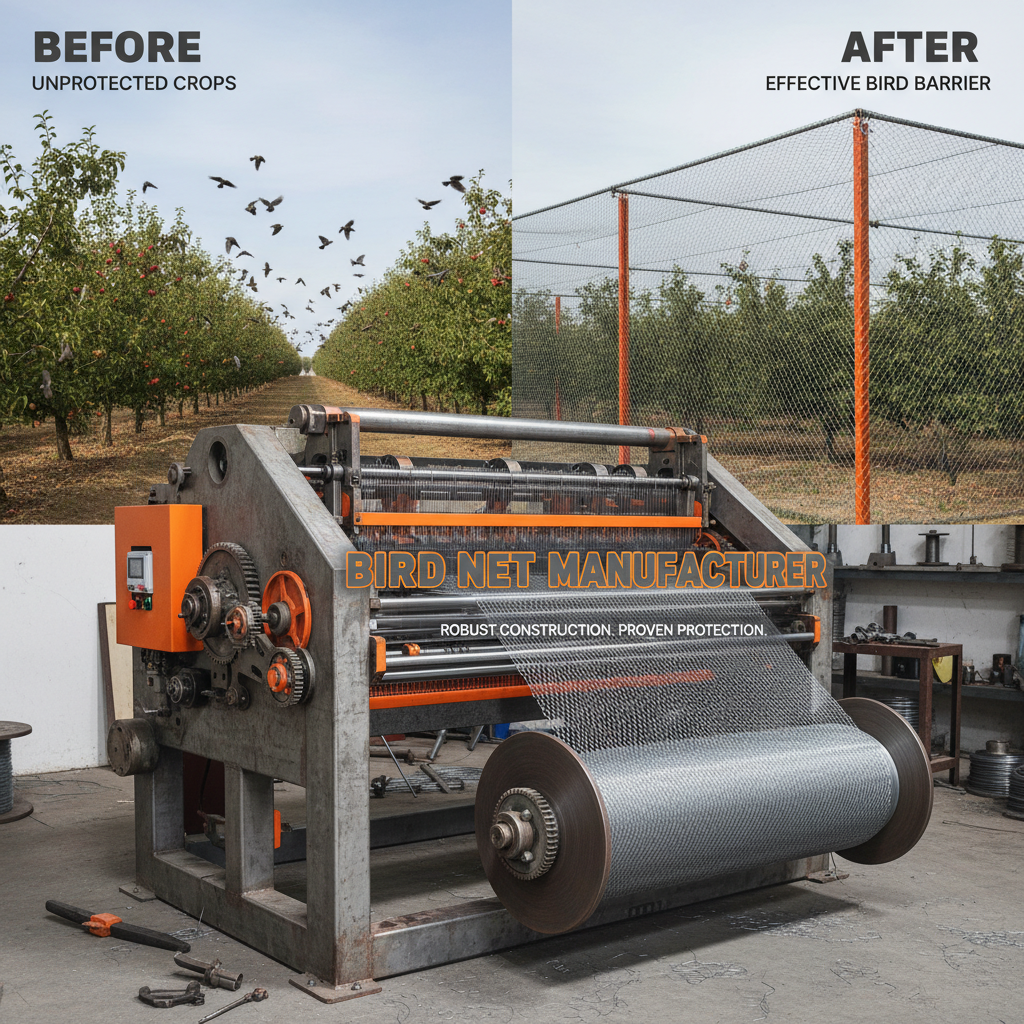
Key Factors to Consider When Selecting a Bird Net Manufacturer
Several factors come into play when choosing a bird net manufacturer. Firstly, consider the material quality. Nylon and polyethylene are common choices, each offering different strengths and UV resistance. Secondly, assess the manufacturer’s production capacity – can they meet your volume requirements? Thirdly, look for manufacturers offering customization options, such as mesh size, net dimensions, and edge reinforcements. Finally, don’t overlook certifications and quality control processes, which demonstrate a commitment to producing reliable and durable products. A reputable manufacturer will provide documentation confirming their adherence to industry standards.
Key Highlights: Quality materials, production capacity, customization options, and certifications are all essential considerations.
Understanding Mesh Size and Material Types
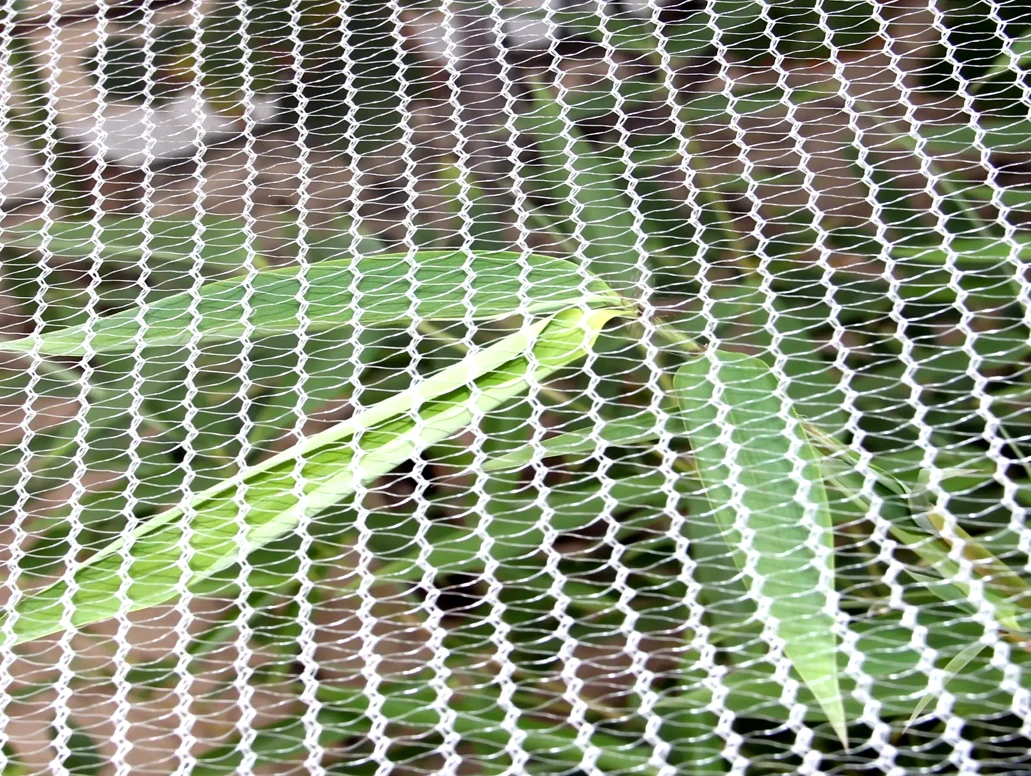
The mesh size of bird netting is a critical factor. Smaller mesh sizes are effective against smaller birds, while larger mesh sizes are suitable for larger species. Nylon netting is known for its high strength and durability, making it ideal for long-term use in harsh environments. Polyethylene netting is a more cost-effective option, offering good UV resistance and flexibility. Understanding the specific bird species you need to deter will help you determine the appropriate mesh size and material for your application. Different materials also have varying lifespans, and the environment in which the netting will be used impacts this, too.
Material Comparison:
• Nylon: High strength, durability, excellent for long-term use.
• Polyethylene: Cost-effective, good UV resistance, flexible.
YJ Wiremesh: A Leading Bird Net Manufacturer
YJ Wiremesh is a trusted bird net manufacturer dedicated to providing high-quality netting solutions. We offer a wide range of materials, mesh sizes, and customization options to meet diverse needs. Our commitment to quality control ensures that every batch of netting meets stringent industry standards. We specialize in both standard and custom-made bird netting, serving agricultural, industrial, and commercial clients worldwide. Our experienced team provides excellent customer support and efficient delivery services.
Applications of Bird Netting: Protecting Your Assets
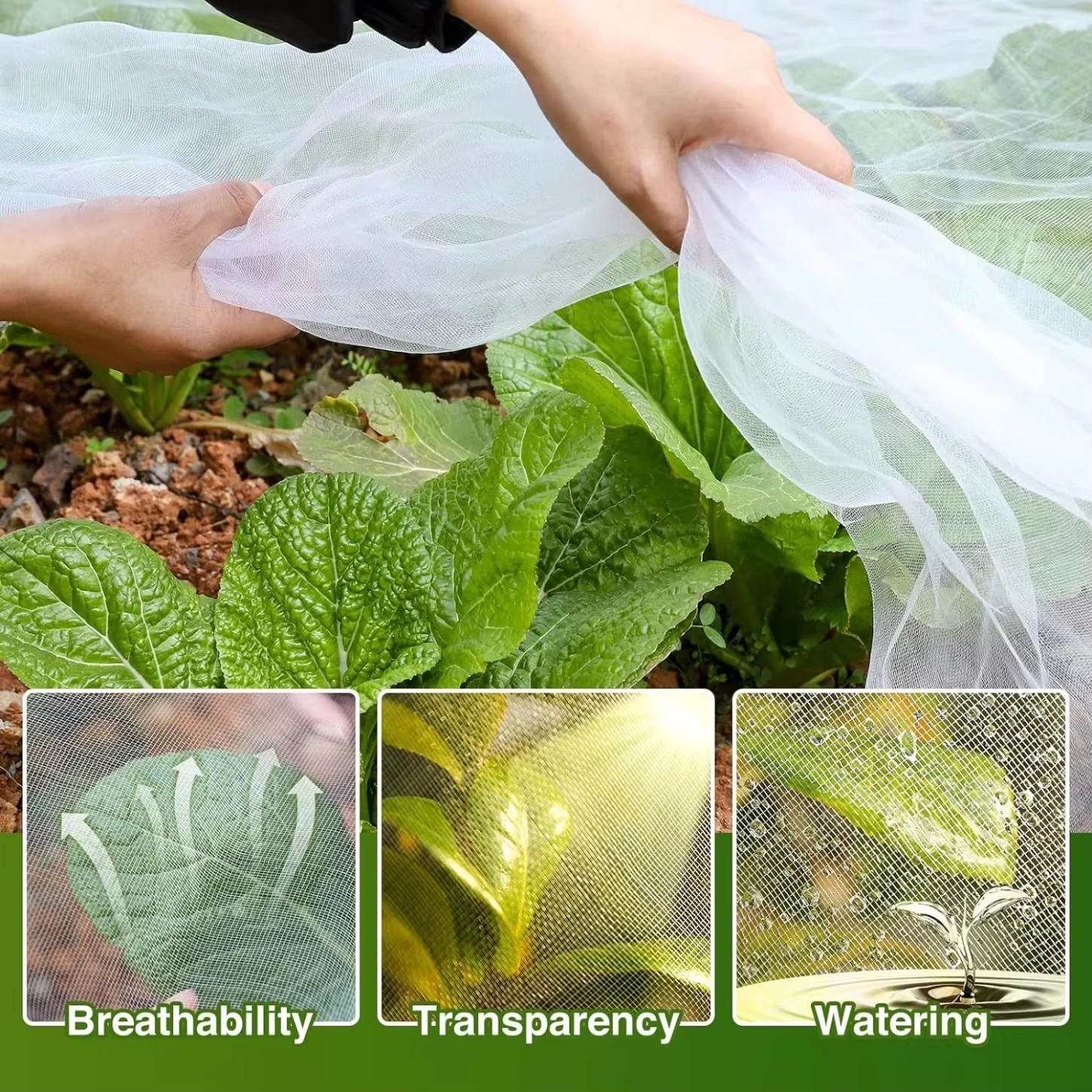
Bird netting has a wide range of applications. In agriculture, it protects crops like fruits, vegetables, and grains from bird damage, increasing yields and reducing losses. For industrial facilities, it prevents birds from nesting in sensitive areas, reducing fire hazards and maintaining hygiene. Commercial properties utilize bird netting to protect buildings from bird droppings, preserving aesthetics and preventing damage. Aquaculture also relies on bird netting to protect fish ponds from predatory birds. From vineyards to warehouses, the versatility of bird netting makes it a valuable investment.
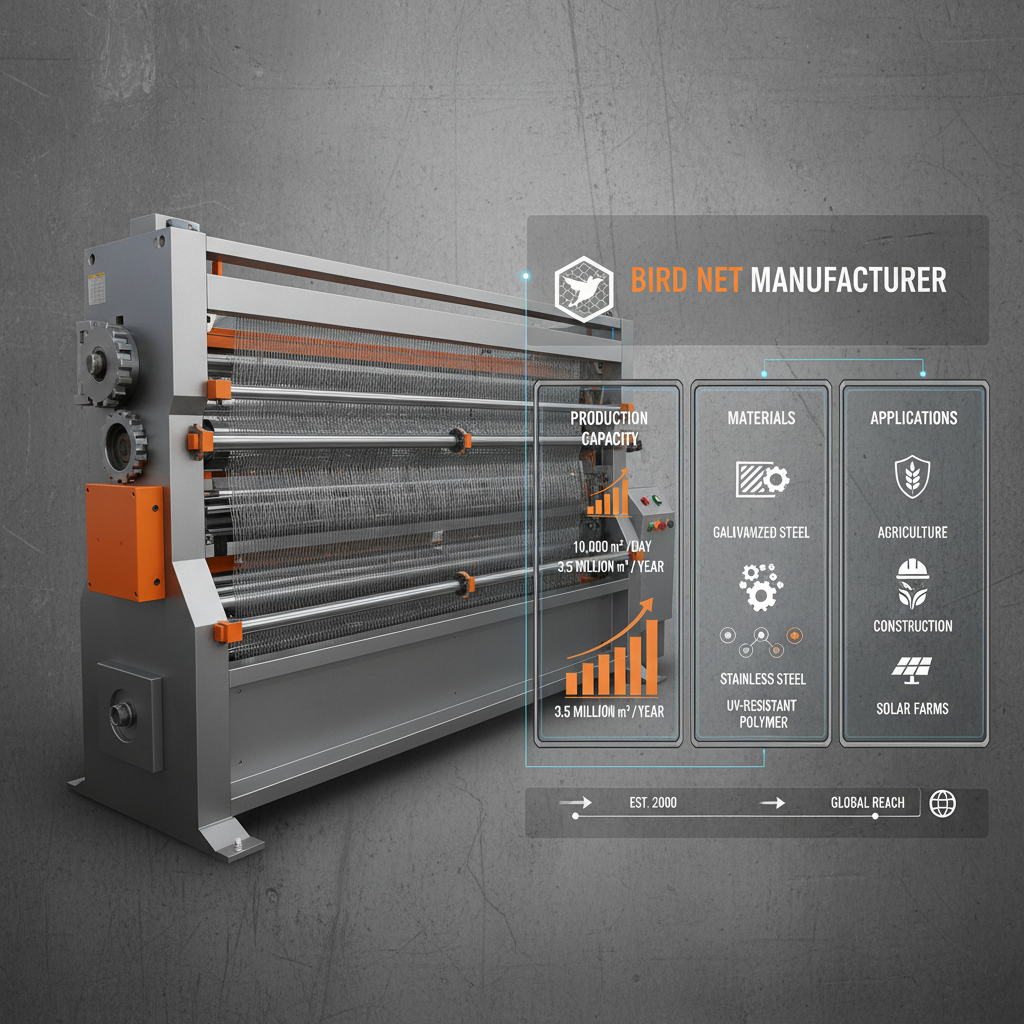
Product Specifications and Ordering Information
YJ Wiremesh offers a comprehensive range of bird netting specifications to suit your needs. We provide netting in various mesh sizes (from 1/4 inch to 2 inches), material options (nylon, polyethylene, HDPE), and widths. Custom lengths are also available upon request. Our team can assist you in determining the optimal specifications for your application. Contact us today for a quote or to discuss your specific requirements. We are committed to delivering high-quality products and exceptional service.
Conclusion: Partner with a Reliable Bird Net Manufacturer
Choosing the right bird net manufacturer is a critical step in protecting your assets. YJ Wiremesh provides high-quality, customizable netting solutions backed by exceptional customer service. Invest in reliable protection and choose a partner you can trust. Contact us today to discuss your needs!
Frequently Asked Questions (FAQs)
What is the expected lifespan of bird netting?
The lifespan of bird netting depends on several factors, including the material, UV exposure, and environmental conditions. Nylon netting typically lasts longer than polyethylene netting, often 5-10 years with proper maintenance. Polyethylene netting may last 3-5 years. Regular inspection for tears or damage is crucial. Replacing damaged netting promptly will prevent further problems. Proper installation, avoiding abrasion, and minimizing exposure to harsh chemicals will also extend the lifespan of the netting.
Can bird netting be recycled?
Recycling options for bird netting are limited and depend on the material type and local recycling facilities. Polyethylene netting is sometimes recyclable (check with your local facility). Nylon netting is generally more difficult to recycle. However, some manufacturers are exploring recycling programs for nylon netting. Responsible disposal is crucial, and it's recommended to contact your local waste management authority for guidance.
How do I properly install bird netting?
Proper installation is vital for effective bird control. Start by thoroughly cleaning the area where the netting will be installed. Securely anchor the netting to a sturdy framework, ensuring it's taut and free of wrinkles. Use appropriate fasteners (e.g., clips, zip ties) to prevent tearing. Ensure the netting is fully enclosed to prevent birds from entering underneath. Consider the specific area and potential access points when planning the installation. Professional installation is recommended for large or complex areas.
What are the benefits of using bird netting?
Bird netting offers numerous benefits, including protecting crops from damage, preventing bird droppings on buildings and equipment, reducing fire hazards caused by nesting materials, and minimizing the spread of diseases carried by birds. It's a humane and effective method of bird control that doesn't harm the birds themselves. Bird netting is a cost-effective long-term solution for protecting your investments.
-
High Quality Anti Bird Agro Net for Professional Crop ProtectionNewsApr.16,2026
-
Guide to Bird Netting Cost Per Square Foot and Material OptionsNewsApr.09,2026
-
Comprehensive Guide to Bird Netting Cost Factors and Material ChoicesNewsApr.07,2026
-
Comprehensive Guide to Bird Net for Balcony Cost and Installation OptionsNewsApr.04,2026
-
Comprehensive Guide to Bird Netting Price and Effective Protection SolutionsNewsMar.31,2026
-
Comprehensive Guide to Nylon Bird Net Price Factors and OptionsNewsMar.28,2026