Bug mesh, a versatile and increasingly vital material, plays a critical role in safeguarding public health, protecting agricultural yields, and ensuring the integrity of industrial processes. From preventing the spread of insect-borne diseases to protecting crops from devastating infestations, and ensuring quality control in manufacturing, bug mesh’s applications are widespread and impactful. Understanding its properties, applications, and future trends is crucial for addressing global challenges related to food security, disease prevention, and sustainable industrial practices.
The global demand for effective insect control solutions is steadily increasing, driven by factors like climate change, globalization, and growing populations. This demand fuels innovation in materials science, leading to advancements in bug mesh technology. The economic implications of insect infestations are significant, with billions of dollars lost annually in agricultural damage and healthcare costs. Therefore, the development and deployment of high-quality bug mesh are paramount.
Modern humanitarian efforts and rapidly expanding industries increasingly rely on effective and reliable protective barriers. Bug mesh provides a cost-effective, scalable, and adaptable solution to a multitude of problems, making it a cornerstone of modern infrastructure and disaster relief. Its versatility allows for application in diverse environments and situations, ensuring protection where it’s needed most.
Introduction to Bug Mesh
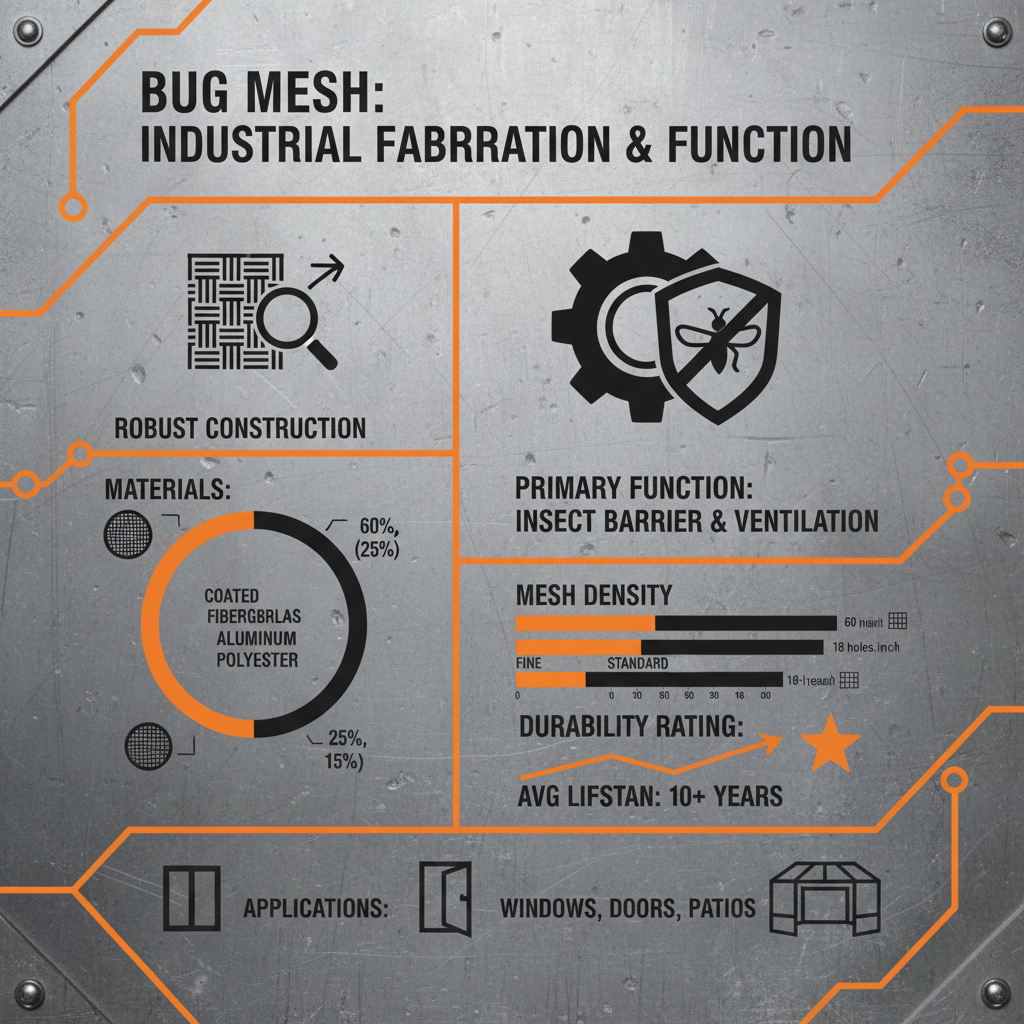
Bug mesh, at its core, is a woven or knitted material designed to create a barrier against insects and other small pests. Historically, materials like natural fibers were used, but modern bug mesh is predominantly made from synthetic polymers like polyethylene, polypropylene, and polyester. These materials offer superior durability, resistance to degradation, and cost-effectiveness.
The evolution of bug mesh reflects a broader trend towards preventative measures in public health and agriculture. Early forms were largely rudimentary screens, but now we see specialized meshes with varying pore sizes, coatings, and UV stabilizers tailored to specific applications. This progress exemplifies the ongoing demand for more efficient and reliable pest control solutions.
Global Relevance of Bug Mesh
The World Health Organization (WHO) estimates that insect-borne diseases account for over 17% of all infectious disease deaths globally. Malaria, dengue fever, Zika virus, and West Nile virus are just a few examples of the devastating impact these diseases have on communities worldwide. Effective vector control, including the use of bug mesh, is a crucial component of prevention strategies.
In agriculture, the Food and Agriculture Organization of the United Nations (FAO) reports that insect pests cause an estimated 20-40% crop loss annually. This translates to billions of dollars in economic damage and threatens food security, particularly in developing countries. Bug mesh offers a sustainable and environmentally friendly alternative to harmful pesticides.
Beyond health and agriculture, the demand for high-quality bug mesh is increasing in industrial settings, where it's used to maintain sterile environments, prevent contamination, and protect sensitive equipment. ISO standards for air quality and contamination control often require the use of specifically rated bug mesh in manufacturing facilities.
Defining Bug Mesh
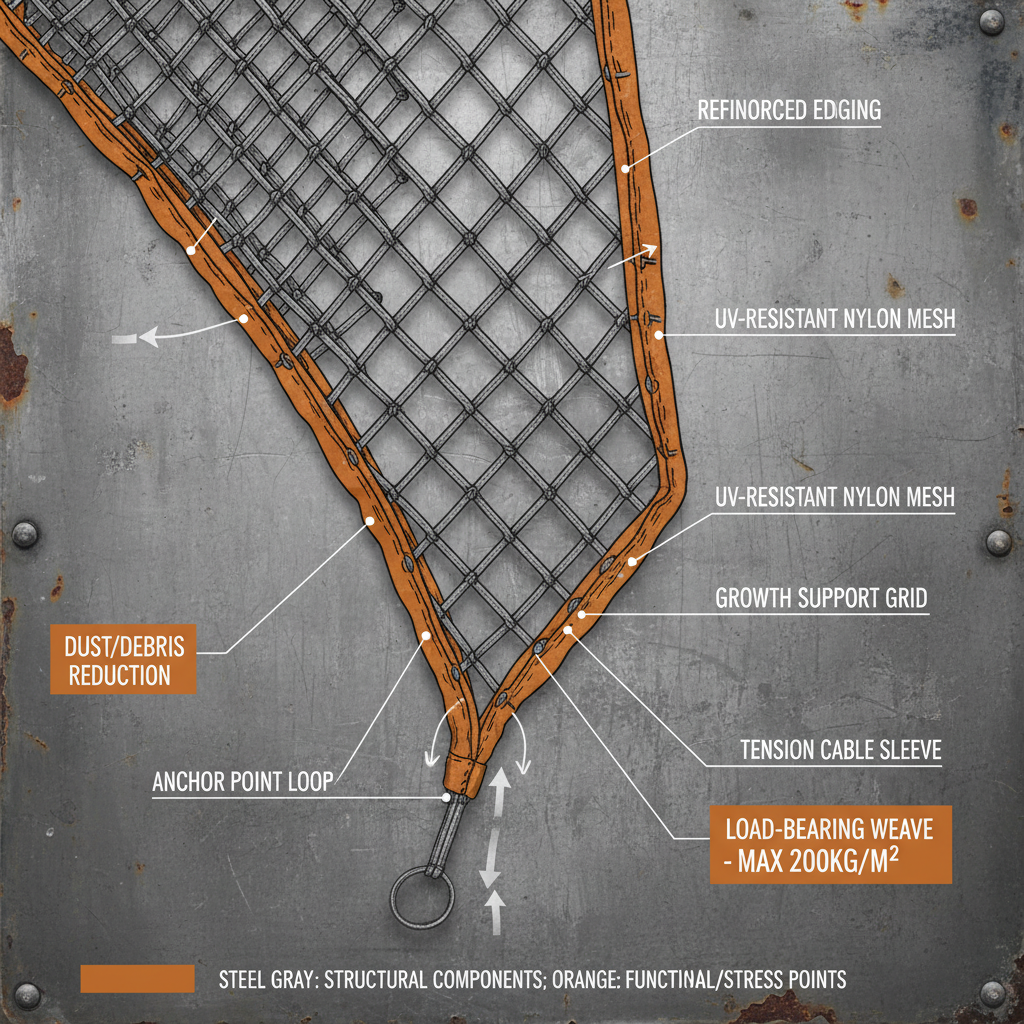
Bug mesh can be simply defined as a protective barrier constructed from interwoven threads or filaments, designed to exclude insects and other small organisms. It's not merely a physical barrier; it’s a carefully engineered material with specific properties tailored to its intended application. This includes factors like mesh size (pore opening), material composition, tensile strength, and UV resistance.
The connection to modern industry is readily apparent in sectors like pharmaceuticals, food processing, and electronics, where maintaining a contaminant-free environment is essential. In humanitarian aid, bug mesh is deployed in emergency shelters and medical facilities to prevent the spread of disease, providing a critical line of defense for vulnerable populations.
Furthermore, bug mesh's role extends to agriculture, where it’s used in greenhouses, orchards, and crop fields to protect against pests and ensure optimal yields. The ability to customize mesh properties allows for solutions tailored to specific insect species and crop types, maximizing effectiveness.
Key Properties of Bug Mesh
Durability is a cornerstone of effective bug mesh. The material must withstand environmental factors like sunlight, rain, and wind, as well as physical stresses from handling and installation. Synthetic materials like polyester and polypropylene are chosen for their inherent strength and resistance to degradation, extending the lifespan of the mesh.
Mesh size, or aperture size, is another critical factor. It dictates which insects can be excluded. Different applications require different mesh sizes. For example, mosquito nets require a much finer mesh than agricultural netting designed to deter larger pests. The right mesh size ensures effective pest control without significantly restricting airflow or light penetration.
Bug Mesh Performance Metrics
Applications of Bug Mesh
In post-disaster relief operations, bug mesh is utilized extensively to create safe and hygienic temporary shelters, protecting vulnerable populations from insect-borne diseases like malaria and dengue fever. Organizations like the Red Cross and UNHCR frequently incorporate bug mesh into their emergency response kits.
Within the agricultural sector, bug mesh is employed in greenhouses and orchards to safeguard crops from pests without relying on harmful pesticides. This promotes sustainable farming practices and ensures the production of healthy, high-quality food. In remote industrial zones, bug mesh prevents contamination in sensitive manufacturing processes.
Benefits and Value of Bug Mesh
The cost-effectiveness of bug mesh is a major advantage. Compared to frequent pesticide applications or complex engineering controls, bug mesh provides a relatively inexpensive and long-lasting solution. Its durability minimizes replacement costs, contributing to overall economic benefits.
From a sustainability perspective, bug mesh reduces the reliance on chemical pesticides, minimizing environmental impact and protecting biodiversity. It’s a passive barrier, requiring no energy consumption or ongoing maintenance, further enhancing its eco-friendliness. The social impact is significant, safeguarding public health and improving quality of life in vulnerable communities.
Future Trends in Bug Mesh Technology
Nanotechnology is poised to revolutionize bug mesh by incorporating nanoparticles with antimicrobial and insect-repellent properties directly into the material. This could lead to self-sterilizing and highly effective bug mesh solutions. Development of biodegradable bug mesh options using sustainable materials is gaining traction, addressing environmental concerns.
Integration with smart sensors and IoT (Internet of Things) devices is another emerging trend. Smart bug mesh could monitor pest activity, environmental conditions, and the structural integrity of the mesh itself, providing real-time data for proactive pest management. Digital transformation will create more efficient supply chains and faster deployment of solutions.
Ongoing research into new polymer formulations aims to enhance the durability, UV resistance, and overall performance of bug mesh. The integration of these innovations will drive the evolution of bug mesh, expanding its applications and solidifying its role as a critical component of global health, food security, and industrial safety.
Summary of Bug Mesh Challenges and Solutions
| Challenge |
Impact Area |
Proposed Solution |
Implementation Difficulty (1-10) |
| Limited UV Resistance |
Durability |
Incorporating UV stabilizers into the polymer matrix. |
3 |
| Tears and Punctures |
Effectiveness |
Utilizing higher tenacity yarns and tighter weaves. |
4 |
| Material Degradation |
Lifespan |
Developing biodegradable alternatives or recycled materials. |
6 |
| Installation Complexity |
Deployment |
Designing prefabricated panels with integrated attachment systems. |
5 |
| Mesh Clogging |
Airflow |
Applying coatings to prevent dust and debris accumulation. |
2 |
| High Initial Cost |
Adoption |
Optimizing manufacturing processes and exploring alternative materials. |
7 |
FAQS
The most common materials used in bug mesh production include polyethylene (PE), polypropylene (PP), and polyester. PE is known for its affordability and water resistance. PP offers excellent strength and chemical resistance. Polyester provides superior UV resistance and durability, making it ideal for long-term outdoor applications. The choice of material depends on the intended use and required properties of the bug mesh.
Mesh size is a crucial factor in determining the effectiveness of bug mesh. A smaller mesh size allows for the exclusion of smaller insects, like mosquitoes and midges, while a larger mesh size might be sufficient for deterring larger pests. Selecting the correct mesh size requires understanding the target pest species and the desired level of protection. Using a mesh size that’s too large will render the bug mesh ineffective, while using a mesh that is too fine can restrict airflow.
The lifespan of bug mesh varies depending on the material, environmental conditions, and usage. Polyester bug mesh generally lasts longer than PE or PP due to its superior UV resistance. To extend the lifespan, avoid harsh cleaning chemicals, store the mesh properly when not in use, and inspect it regularly for damage. Repairing small tears promptly can prevent them from becoming larger and compromising the mesh’s effectiveness.
Traditional bug mesh made from synthetic polymers isn’t biodegradable, raising environmental concerns. However, there’s increasing research into biodegradable bug mesh options using materials like cellulose or recycled plastics. Choosing a durable mesh that lasts longer reduces the need for frequent replacements, minimizing waste. Proper disposal and recycling efforts can also help mitigate the environmental impact.
In industrial settings, bug mesh is critical for maintaining clean and sterile environments. It's used in pharmaceutical manufacturing, food processing facilities, and electronics assembly to prevent contamination from insects and other particles. Bug mesh filters are incorporated into ventilation systems and machinery enclosures to ensure product quality and safety. Proper installation and maintenance of bug mesh are essential for meeting stringent industry standards.
When selecting bug mesh for agriculture, consider the specific crops being protected, the target pests, and the local climate. Mesh size must be appropriate for the pests you want to exclude. UV resistance is crucial for outdoor applications to prevent degradation from sunlight. Tensile strength is important to withstand wind and physical stress. Also, consider the mesh’s permeability to air and water to ensure optimal plant growth and health.
Conclusion
Bug mesh represents a powerful and versatile solution for a wide range of challenges, from safeguarding public health and protecting food security to ensuring quality control in industrial processes. Its adaptability, cost-effectiveness, and increasing sustainability make it an invaluable tool for addressing global issues. Understanding its properties, applications, and future trends is paramount for maximizing its benefits.
As innovation continues to drive advancements in materials science, we can expect to see even more sophisticated bug mesh solutions emerge. Investing in research and development, promoting sustainable practices, and ensuring responsible implementation will be crucial for harnessing the full potential of this critical technology. Visit our website at www.yjwiremesh.com to learn more about our comprehensive range of bug mesh products and solutions.