Insect collection nets, seemingly simple tools, play a vital role in a surprising array of scientific disciplines and practical applications. From ecological studies monitoring insect populations to agricultural practices protecting crops, these nets are fundamental to understanding and interacting with the insect world. Their importance extends beyond research, impacting food security, public health, and even biodiversity conservation efforts globally. This understanding underpins sustainable practices and informed decision-making.
The demand for specialized insect collection nets is driven by increasing awareness of insect-borne diseases, the critical role of pollinators in agriculture, and the need for comprehensive pest management strategies. Modern advancements in materials and design have led to more efficient and durable nets, capable of handling diverse environments and insect types. Understanding the nuances of insect collection net technology is crucial for professionals across numerous fields.
Ultimately, the efficacy of insect monitoring and control hinges on the quality and appropriate application of these essential tools. From amateur entomologists to seasoned researchers, access to reliable and effective insect collection nets is paramount for accurate data collection and successful intervention strategies.
The Importance of Insect Collection Nets
Insect collection nets are indispensable tools for a vast range of scientific investigations, from tracking invasive species to monitoring the impact of climate change on insect biodiversity. Researchers rely on these nets to gather specimens for identification, study their behavior, and assess population sizes. Accurate insect data is vital for informing conservation efforts and managing ecological systems.
Beyond research, insect collection nets play a crucial role in agricultural pest control. They're used to monitor pest populations in crops, allowing farmers to implement targeted control measures, reducing the need for broad-spectrum pesticides and promoting sustainable farming practices.
Defining Insect Collection Nets
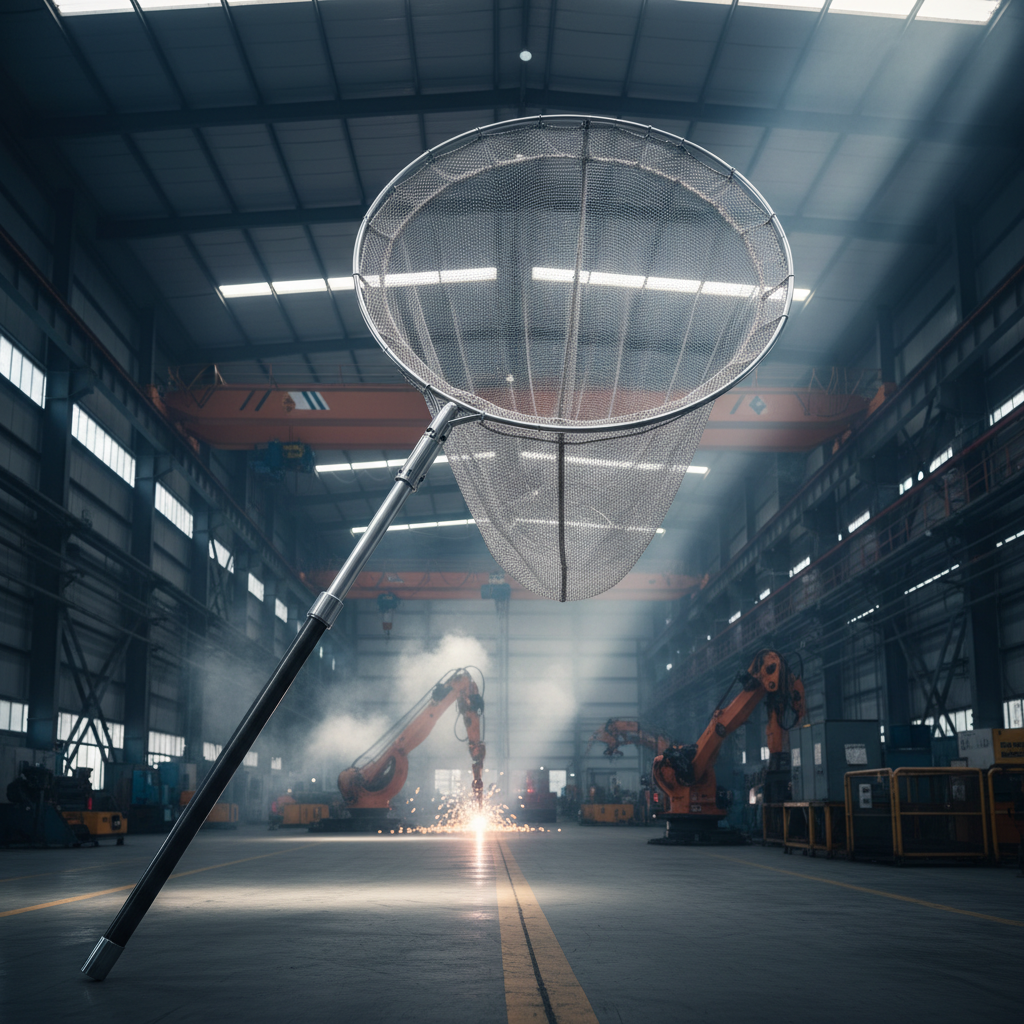
An insect collection net, at its core, is a specialized tool designed for the safe and efficient capture of insects. Traditionally constructed with a fabric net stretched over a circular or rectangular frame and attached to a handle, modern variations incorporate advanced materials and ergonomic designs. These nets allow for non-lethal capture, facilitating detailed observation and study of specimens.
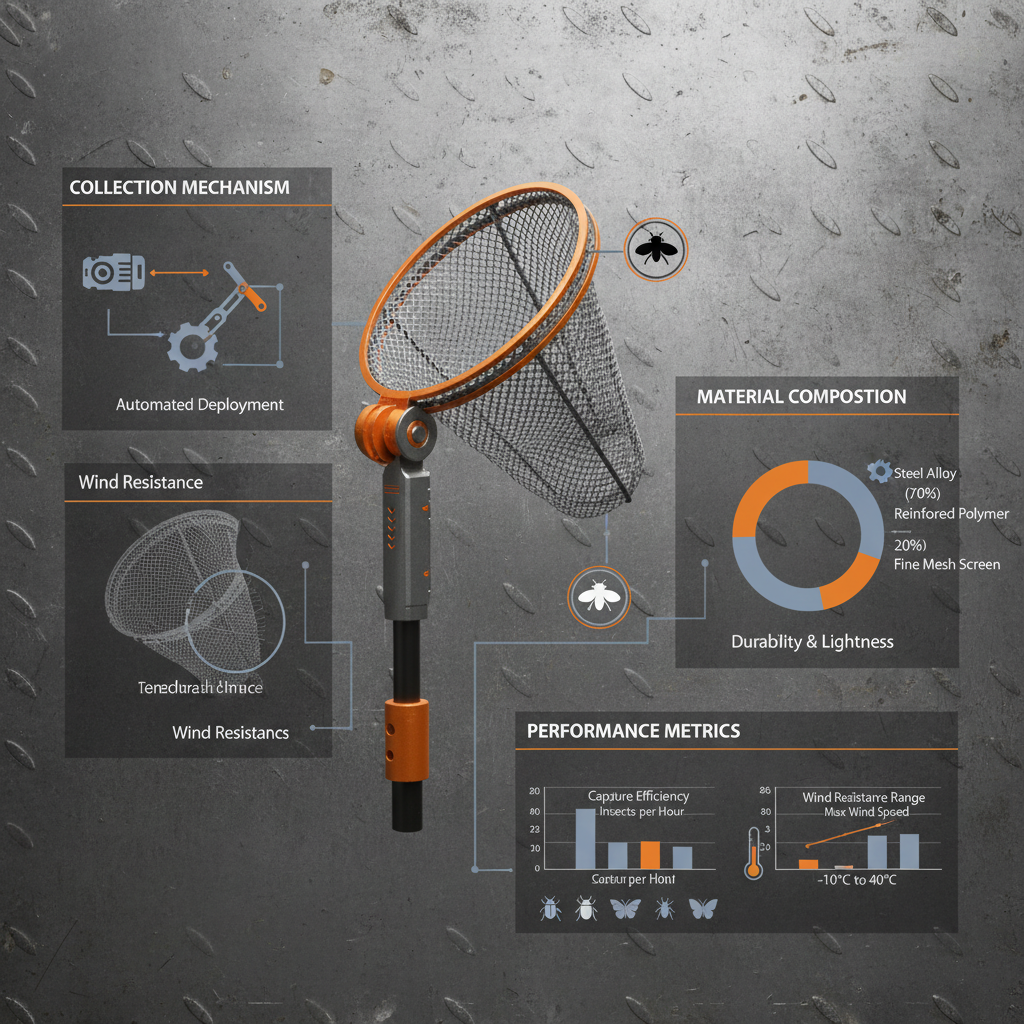
The functionality extends beyond simple capture. The mesh size is a critical factor, determined by the target insects – finer meshes for smaller specimens, coarser meshes for larger ones. The net material itself influences the capture process; soft materials minimize damage to delicate wings, while durable materials withstand the rigors of fieldwork.
In the context of modern industry and humanitarian needs, insect collection nets are vital for vector control programs, particularly in the fight against diseases like malaria and dengue fever. They're integrated into insecticide-treated nets (ITNs) and used for monitoring mosquito populations to assess the effectiveness of control interventions.
Key Characteristics of Effective Insect Collection Nets
Durability is paramount. Nets used in the field must withstand abrasive surfaces, challenging weather conditions, and repeated use. High-quality materials and robust construction are essential for longevity and reliability. This translates into cost savings and reduced replacement frequency.
Mesh Size Precision dictates the efficiency of collection. Selecting the correct mesh size for the target insect species is crucial. Too large, and insects escape; too small, and the net becomes clogged or hinders airflow, making collection difficult. Precise manufacturing ensures consistent mesh size throughout the net.
Handle Ergonomics directly impacts user comfort and efficiency. Lightweight and ergonomically designed handles reduce fatigue during prolonged use. Adjustable handles cater to different user heights and preferences, enhancing control and precision during collection.
Applications Across Diverse Sectors
Insect collection nets are fundamentally important in entomological research, providing the primary means of acquiring specimens for taxonomic identification, morphological studies, and behavioral observations. University research labs, government agencies, and private consultancies rely heavily on these tools for advancing scientific knowledge.
In agriculture, insect collection nets are used for integrated pest management (IPM) programs, allowing farmers to monitor pest populations and implement targeted control measures. This minimizes pesticide use, protecting beneficial insects and reducing environmental impact. They are also critical in assessing the effectiveness of biological control agents.
Insect Collection Net Method Effectiveness
Advantages and Long-Term Value Proposition
Cost-Effectiveness: Compared to automated insect monitoring systems, insect collection nets represent a relatively low-cost solution for data collection. This makes them accessible to a wider range of researchers and practitioners, particularly in resource-constrained settings.
Sustainability: With proper care and maintenance, a high-quality insect collection net can last for years, reducing the need for frequent replacements and minimizing environmental waste. Choosing durable materials and supporting responsible manufacturing practices further enhances the sustainability profile.
Global Adoption and Regional Variations
Insect collection nets are used globally, but specific designs and materials often vary based on regional insect diversity and environmental conditions. In tropical regions, nets made from robust, rot-resistant materials are essential for dealing with high humidity and heavy rainfall.
In North America and Europe, lighter-weight nets are often preferred for monitoring butterflies and other delicate insects. The adoption of insect collection nets is also driven by international collaborations focused on biodiversity research and disease vector control. Organizations like the World Health Organization (WHO) promote the use of ITNs in malaria-endemic regions.
Developing countries heavily rely on these tools for public health initiatives, utilizing them in mosquito surveillance and control programs. Local manufacturing and distribution networks play a crucial role in ensuring accessibility and affordability.
Future Trends and Material Innovations
Research into new materials is continuously improving insect collection net performance. Bio-based polymers offer a sustainable alternative to traditional synthetic materials, reducing the environmental footprint of net production. Furthermore, advancements in nanotechnology are leading to the development of self-cleaning nets that resist clogging and maintain optimal airflow.
The integration of sensor technology into insect collection nets is an emerging trend. Nets equipped with miniature sensors can collect real-time data on insect abundance, species composition, and even the presence of specific pathogens. This data can be transmitted wirelessly for remote monitoring and analysis.
Digital image recognition and automated species identification are also being explored to streamline the insect collection process and reduce reliance on manual sorting and identification. These technologies will further enhance the efficiency and accuracy of insect monitoring efforts.
Summary of Challenges and Potential Solutions in Insect Collection Net Implementation
| Challenge |
Impact on Insect Collection Net Use |
Potential Solution |
Implementation Cost (1-10) |
| Mesh Clogging |
Reduced collection efficiency, inaccurate data. |
Self-cleaning net materials, regular net cleaning protocols. |
4 |
| Durability Issues |
Frequent net replacements, increased costs. |
High-strength materials, reinforced stitching. |
6 |
| Ergonomic Design |
User fatigue, decreased collection precision. |
Adjustable handles, lightweight materials. |
3 |
| Cost of High-Quality Nets |
Limited accessibility for researchers and practitioners. |
Bulk purchasing programs, subsidized pricing. |
5 |
| Species-Specific Mesh Size |
Ineffective collection for certain insect groups. |
Development of modular net systems with interchangeable mesh sizes. |
7 |
| Lack of Standardization |
Inconsistent data collection across studies. |
Establishment of standardized net specifications and protocols. |
8 |
FAQS
For collecting very small insects like aphids, a mesh size of 80-100 mesh is generally recommended. This equates to approximately 110-150 micrometers. A finer mesh ensures minimal insect escape, but it also increases the risk of clogging. It’s crucial to balance capture efficiency with ease of use. Regular cleaning is also essential when using very fine meshes.
Regular cleaning is vital for maintaining the efficiency of your insect collection net. Gently rinse the net with water after each use to remove debris. For stubborn residues, a mild soap solution can be used, but ensure thorough rinsing to avoid harming insects. Store the net in a dry, well-ventilated area away from direct sunlight to prevent mold growth. Inspect the net regularly for tears or damage and repair them promptly.
Insect collection nets are typically made from materials like nylon, polyester, or silk. Nylon is a common choice due to its durability and affordability. Polyester offers better resistance to stretching and abrasion. Silk nets are the gentlest on delicate insects but are less durable and more expensive. The “best” material depends on your specific needs and target insects. For robust fieldwork, polyester is often preferred.
Handle length is crucial for comfortable and efficient collection. A general guideline is to choose a handle length that allows you to comfortably sweep the net without bending over excessively. Adjustable handles are ideal, as they can be customized to suit different user heights and terrain conditions. Consider the type of vegetation you'll be sampling—taller vegetation requires a longer handle.
Insecticide-treated insect collection nets are available, primarily for disease vector control (e.g., mosquitoes). While they can enhance capture rates for certain species, their use is often discouraged due to potential environmental impacts and the risk of insecticide resistance. If using an ITN, always follow the manufacturer's instructions and prioritize responsible use practices.
High-quality insect collection nets can be purchased from scientific supply companies, entomological equipment retailers, and online marketplaces. Look for reputable brands known for their durability and precision manufacturing. YJ Wiremesh specializes in producing customized, high-quality insect collection nets to meet your specific needs. Ensure the net meets your specific requirements regarding mesh size, handle length, and material.
Conclusion
Insect collection nets are more than just simple tools; they are foundational instruments in ecological research, agricultural pest management, and public health initiatives. Their continued evolution, driven by advancements in materials science and sensor technology, promises even greater efficiency and precision in the future. Understanding the nuances of net design, material selection, and proper maintenance is crucial for maximizing their effectiveness.
As we face increasing challenges related to biodiversity loss, climate change, and emerging infectious diseases, the role of insect collection nets will only become more critical. Investing in high-quality nets and promoting responsible collection practices are essential steps towards safeguarding our planet and protecting human health. Explore our range of insect collection nets at www.yjwiremesh.com to find the perfect solution for your needs.