Comprehensive Guide to Selecting the Best Bird Net Supplier for Your Needs
Choosing the Right Bird Net Supplier: A Comprehensive Guide
Protecting crops, livestock, and property from bird damage requires a reliable and effective bird netting solution. Selecting the right bird net supplier is crucial for ensuring you receive high-quality netting that meets your specific needs. This article provides a comprehensive guide to navigating the world of bird netting, focusing on key considerations, types of netting, and how to choose a supplier that delivers exceptional products and service. Investing in the right netting and a trustworthy supplier can save you time, money, and frustration in the long run.
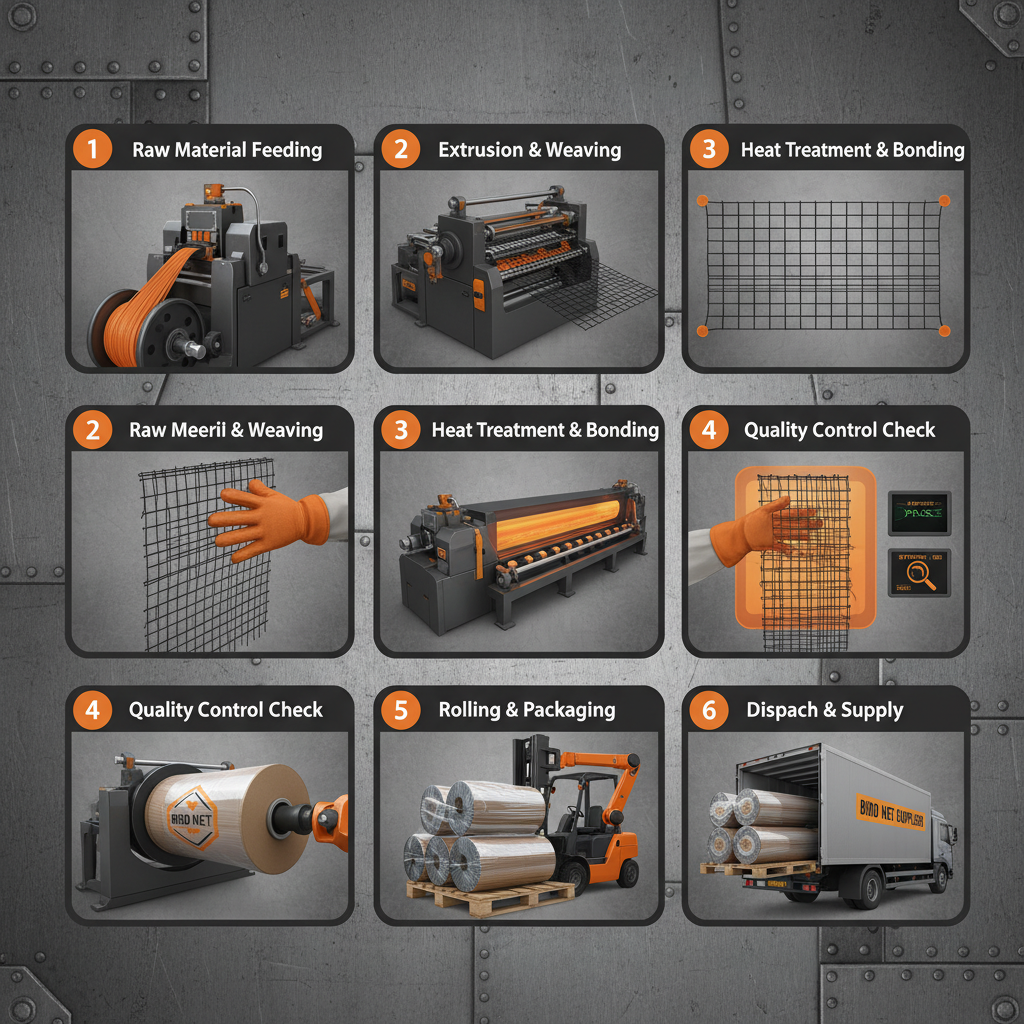
Understanding Different Types of Bird Netting
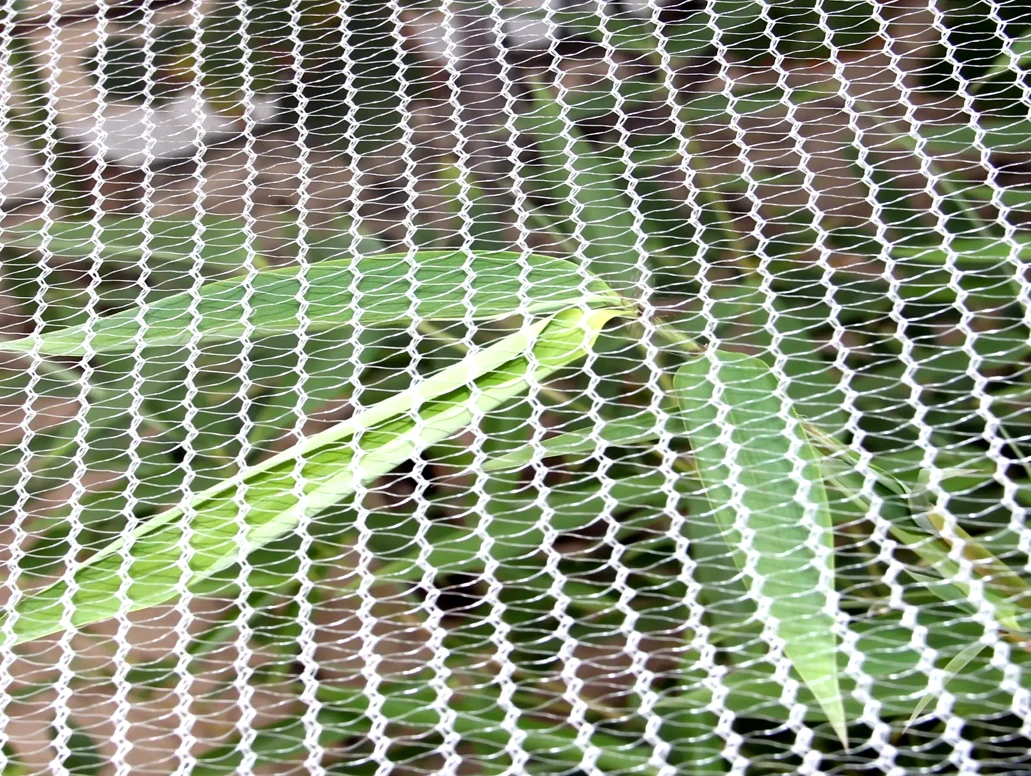
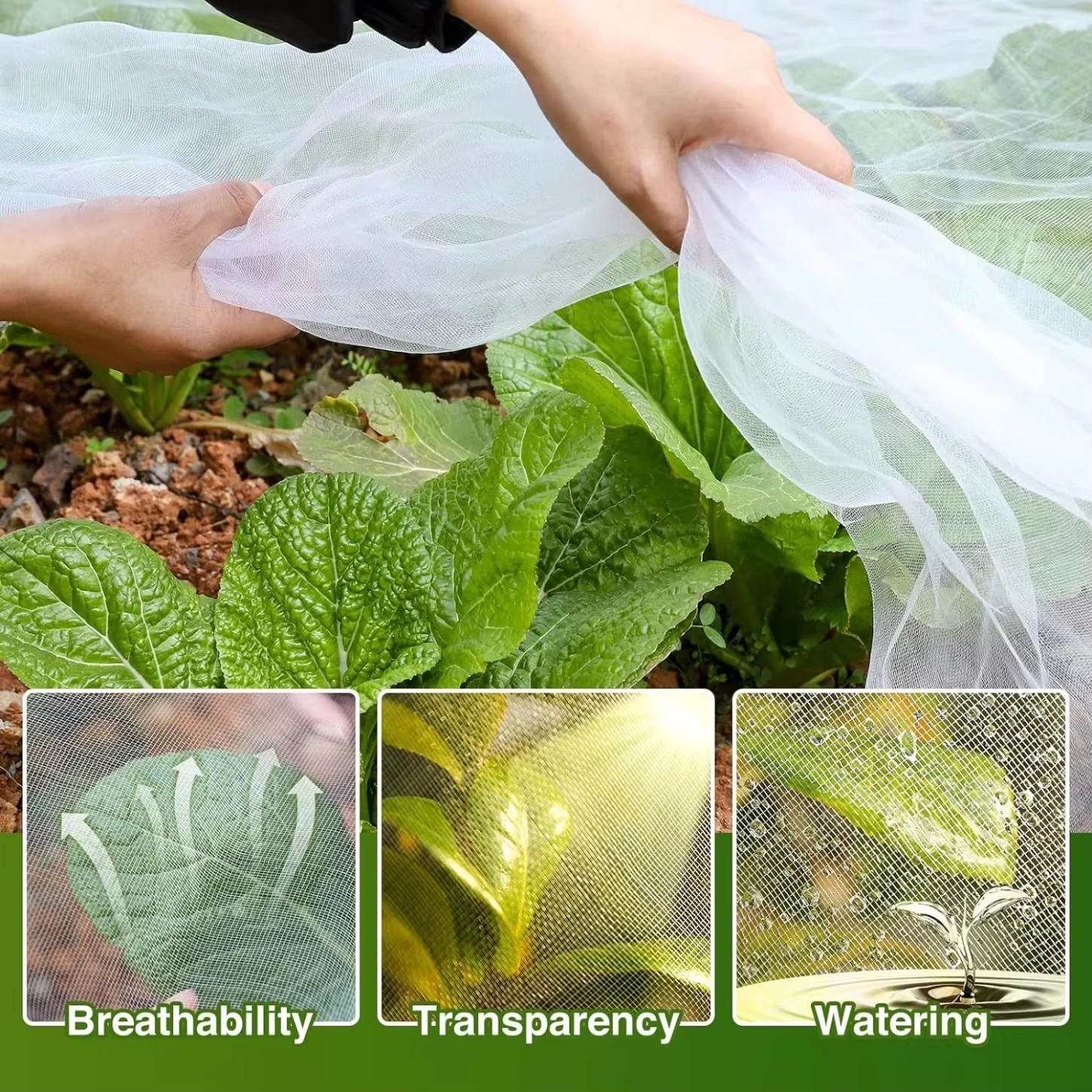
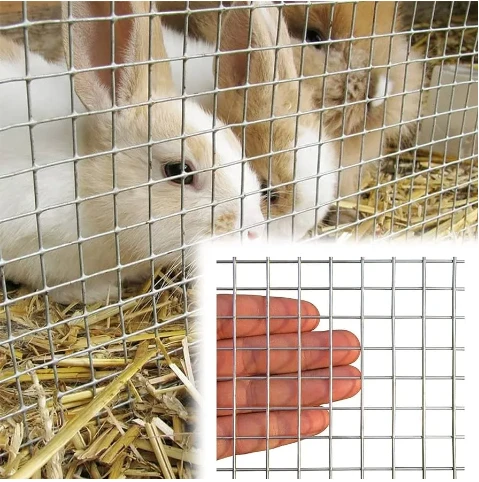
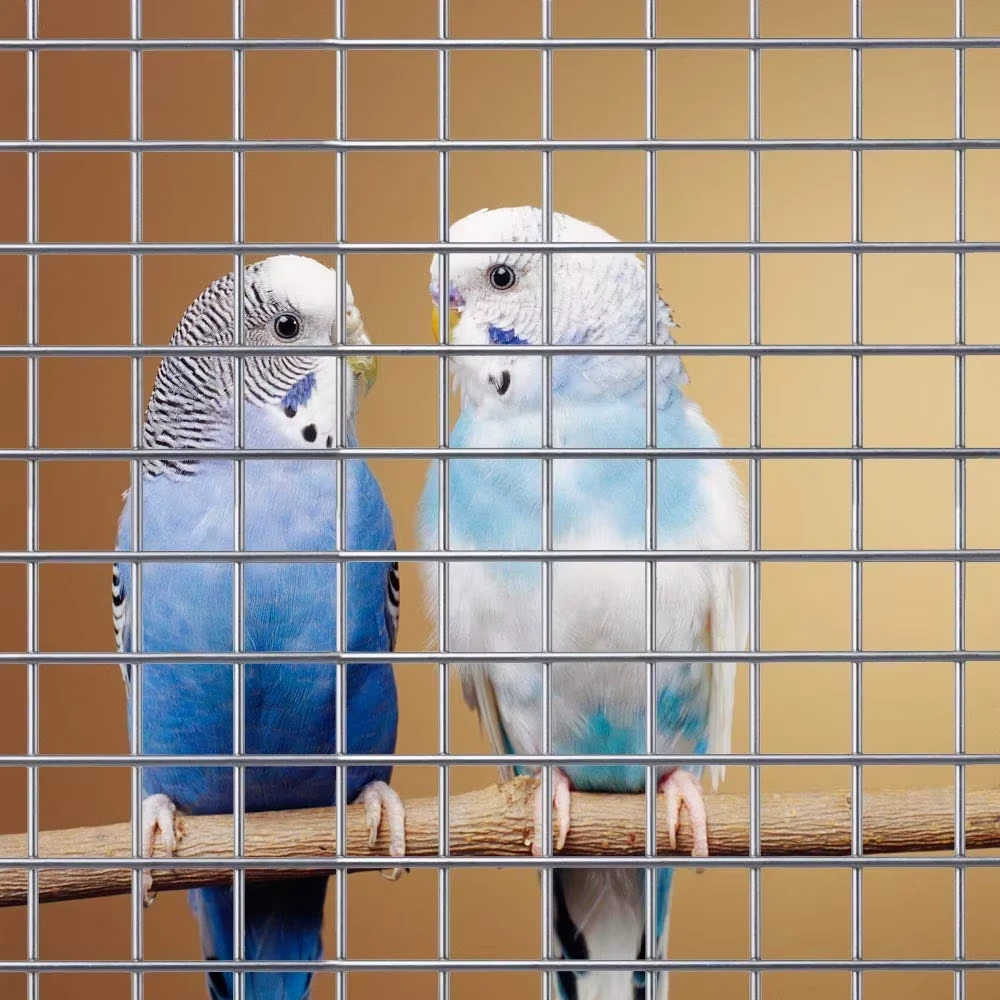
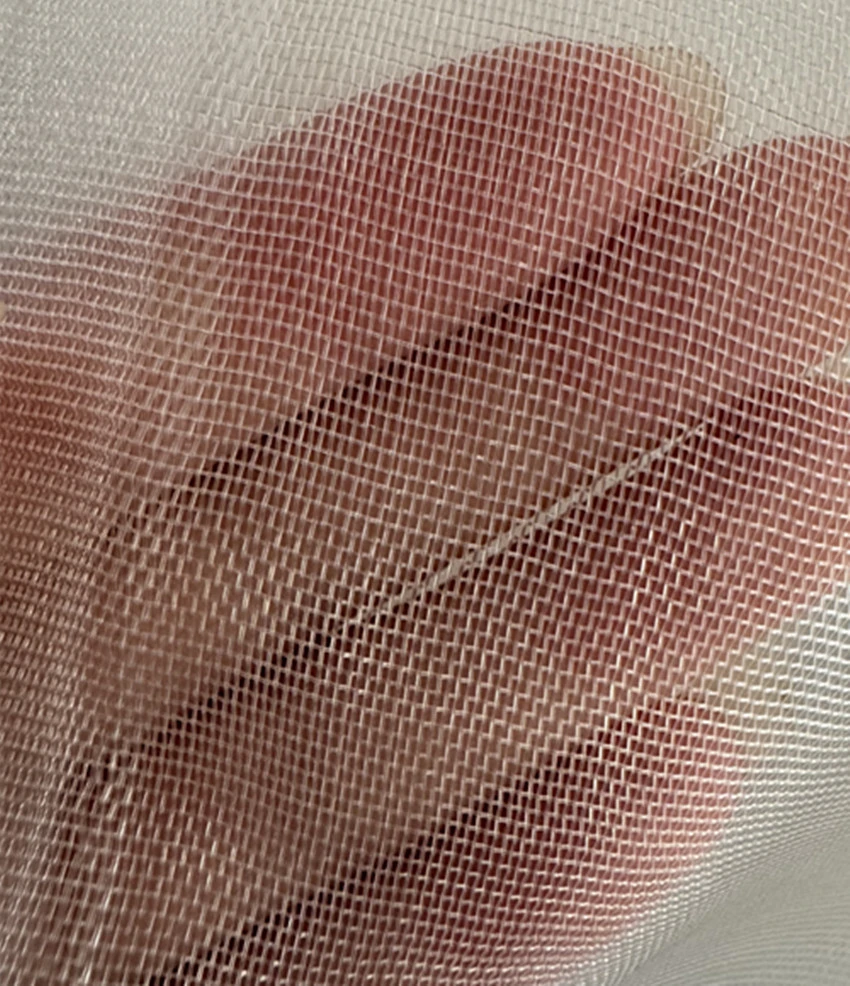
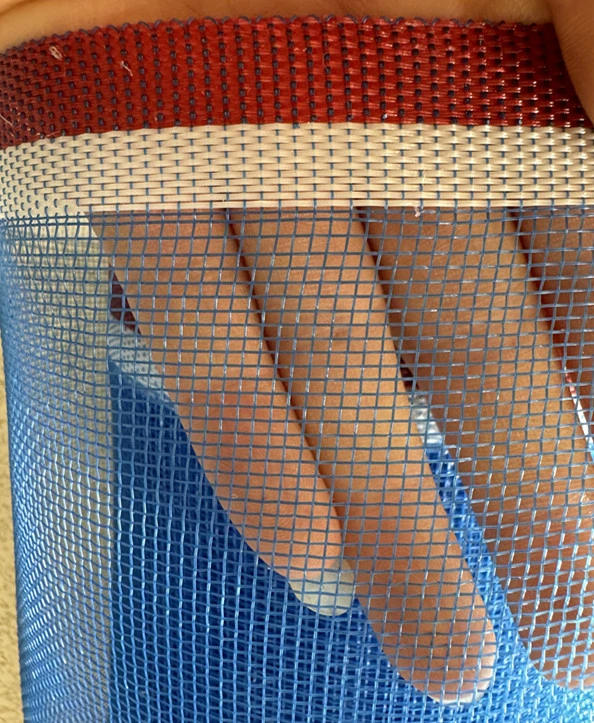
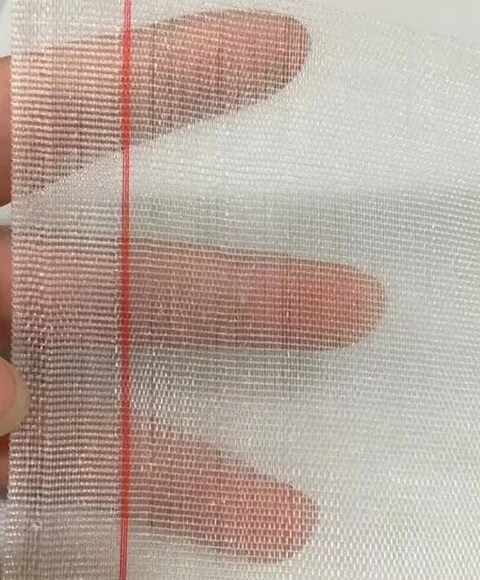
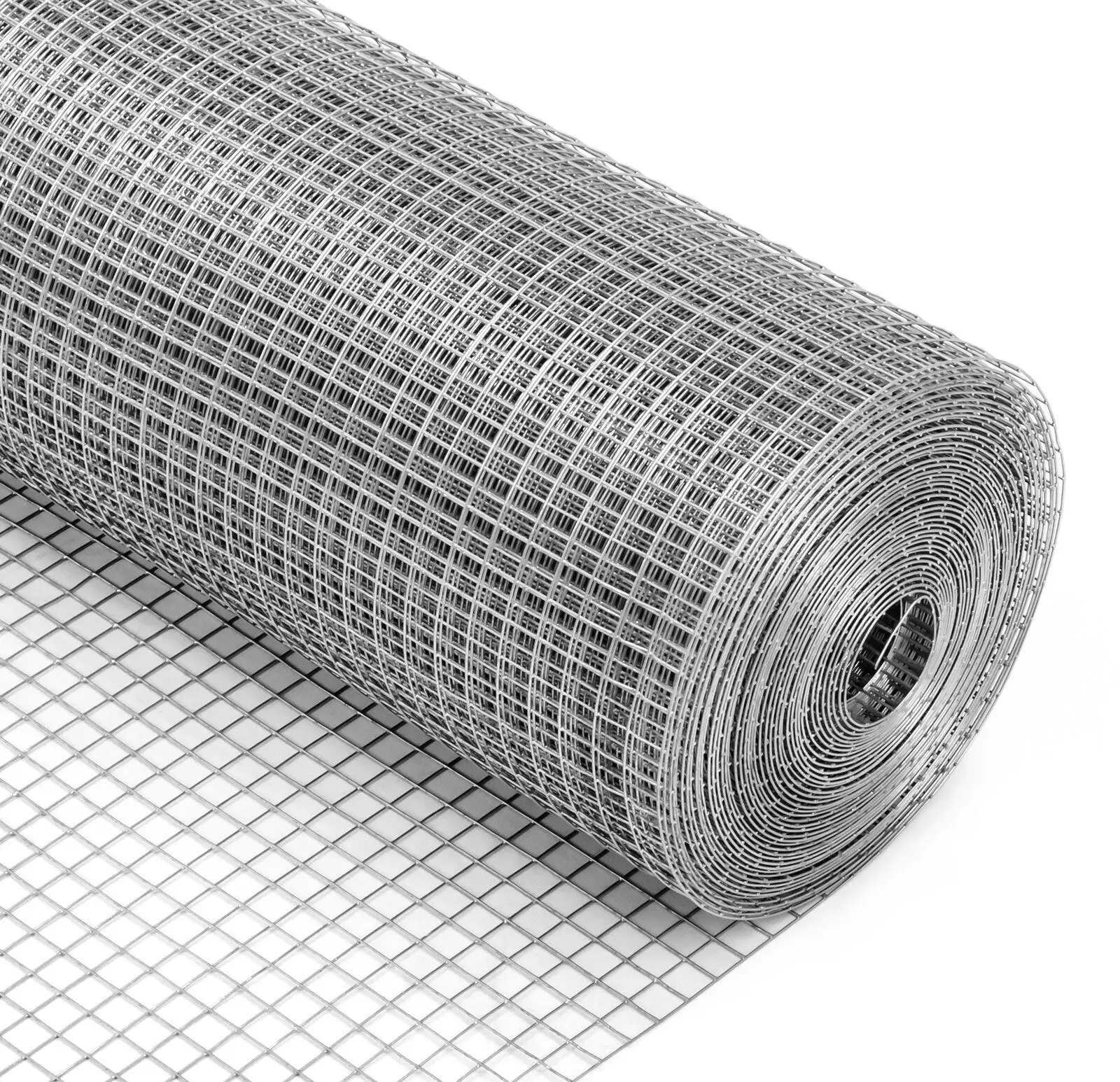
Bird netting comes in various materials, mesh sizes, and constructions, each suited for different applications. Nylon netting is a popular choice due to its strength, durability, and UV resistance. Polyethylene netting is a more economical option, ideal for temporary or less demanding applications. Mesh size is critical - smaller mesh sizes are needed to deter smaller birds, while larger mesh sizes can be used for larger species. You’ll also find knotted and knotless netting. Knotted netting provides a stronger barrier but can be more visible, while knotless netting is less conspicuous but may be less durable. A reputable bird net supplier will offer a wide range of options to meet your precise requirements.
Key Considerations: Material, Mesh Size, Construction (knotted vs. knotless), UV Resistance, and Durability.
Key Features to Look for in a Bird Net Supplier
Beyond the quality of the netting itself, a reliable supplier offers several crucial features. These include competitive pricing, a wide product catalog, custom netting options (cutting to specific sizes), fast and efficient shipping, and excellent customer service. The ability to order samples is also highly valuable, allowing you to assess the netting's quality and suitability before committing to a large order. A supplier with strong manufacturing capabilities can also offer tailored solutions for unique applications.
Essential Supplier Attributes:
• Competitive Pricing
• Extensive Product Range
• Customization Options
• Fast Shipping & Responsive Support
Comparing Common Bird Netting Materials
Choosing the right material for your bird netting is crucial for long-term effectiveness. Here's a comparison of two commonly used materials:
Applications of Bird Netting: Protecting Your Investment
Bird netting serves a multitude of purposes. In agriculture, it protects fruits, vegetables, and grains from devastating bird damage. For vineyards and orchards, netting ensures a higher yield and better quality produce. Aquaculture benefits from netting to protect fish farms from predatory birds. Residential applications include protecting gardens, balconies, and outdoor furniture. The right bird net supplier understands these diverse needs and provides solutions accordingly.
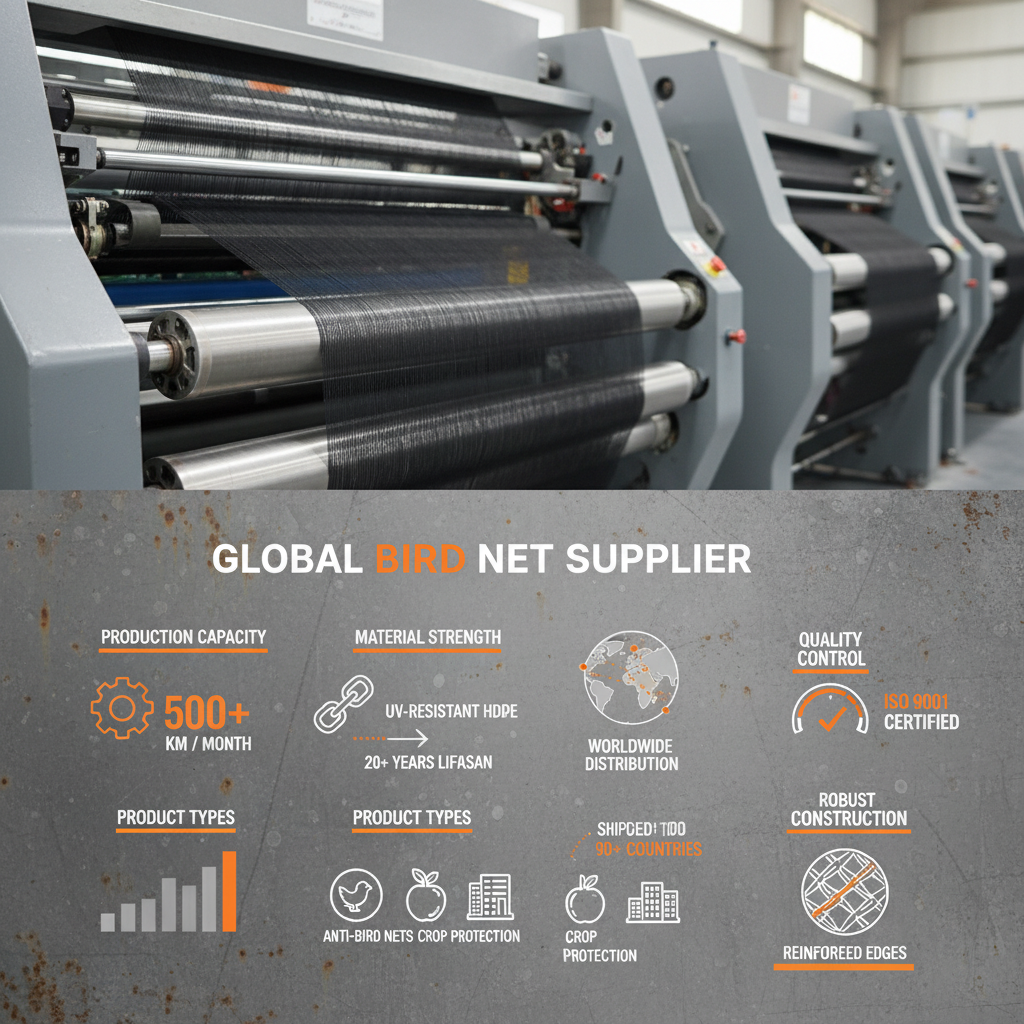
Why Choose YJ Wire Mesh as Your Bird Net Supplier?
YJ Wire Mesh is a leading manufacturer and supplier of high-quality bird netting. We offer a comprehensive range of netting materials, mesh sizes, and customization options to meet your specific requirements. With years of experience in the industry, we are committed to providing exceptional products, competitive pricing, and outstanding customer service. We serve customers worldwide and are dedicated to ensuring your satisfaction. Contact us today for a quote or to discuss your bird netting needs.
Conclusion: Secure Your Investment with the Right Bird Netting and Supplier
Choosing the right bird net supplier like YJ Wire Mesh is an investment in protecting your crops, property, and peace of mind. By considering the type of netting, material, and supplier capabilities, you can ensure a long-lasting and effective solution for bird damage. Don’t hesitate to reach out for expert guidance and a customized quote.
Frequently Asked Questions (FAQs)
What is the typical lifespan of bird netting?
The lifespan of bird netting varies depending on the material, UV exposure, and environmental conditions. Nylon netting typically lasts 5-10 years with proper care, while polyethylene netting may last 2-5 years. Regularly inspect the netting for tears, damage, and degradation. Replacing the netting proactively ensures continued protection. Factors like extreme weather, chemical exposure, and bird activity can shorten the lifespan. A quality bird net supplier can provide guidance on selecting durable materials for your specific environment.
Can bird netting be recycled?
Recycling options for bird netting are limited and depend on the material. Polyethylene netting is often recyclable with other plastic films, but it’s crucial to check with your local recycling facility. Nylon netting is generally not recyclable through standard channels. Some organizations may specialize in recycling industrial plastics, so exploring those options is worthwhile. Prioritizing durable netting and proper disposal can minimize environmental impact.
What mesh size is best for deterring sparrows?
Sparrows are relatively small birds, so a mesh size of ½ inch (12.7mm) or smaller is recommended to effectively deter them. Smaller mesh sizes provide a tighter barrier, preventing sparrows from getting entangled or accessing the protected area. Consider the specific size of the sparrow population in your area and choose a mesh size that provides adequate protection. A knowledgeable bird net supplier can advise on the best mesh size for your needs.
-
High Quality Anti Bird Agro Net for Professional Crop ProtectionNewsApr.16,2026
-
Guide to Bird Netting Cost Per Square Foot and Material OptionsNewsApr.09,2026
-
Comprehensive Guide to Bird Netting Cost Factors and Material ChoicesNewsApr.07,2026
-
Comprehensive Guide to Bird Net for Balcony Cost and Installation OptionsNewsApr.04,2026
-
Comprehensive Guide to Bird Netting Price and Effective Protection SolutionsNewsMar.31,2026
-
Comprehensive Guide to Nylon Bird Net Price Factors and OptionsNewsMar.28,2026