Bug head net, often utilized in diverse applications from agricultural protection to industrial safety, represents a critical component in mitigating risks and enhancing operational efficiency. Its prevalence stems from a unique combination of affordability, effectiveness, and ease of deployment, making it a go-to solution across various sectors globally. Understanding its nuances is vital for professionals and organizations seeking optimized protective measures.
The global need for effective barrier solutions is continuously rising, driven by factors like increasing agricultural demands, stringent safety regulations in industrial settings, and the growing need for vector control in public health. Bug head net addresses these challenges directly, offering a practical and scalable solution. Data from the Food and Agriculture Organization of the United Nations (FAO) highlights a substantial loss of crop yield due to pest damage, underscoring the importance of protective netting like bug head net.
The versatility of bug head net extends beyond agriculture, finding significant application in construction, environmental conservation, and even temporary shelter construction. This widespread utility positions bug head net as a vital resource in tackling a broad spectrum of challenges, from safeguarding food security to ensuring workplace safety.
Introduction to Bug Head Net
Bug head net serves as a foundational element in numerous protection strategies. Its adaptability enables use in safeguarding crops from insect damage, creating safe working environments within industrial facilities, and even assisting in the prevention of disease transmission by controlling vector populations. The simplicity of its design belies its significant impact.
The increasing demands for sustainable and cost-effective solutions have cemented bug head net's role in modern practices. Beyond its functional purpose, bug head net contributes to enhanced resource management and reduces reliance on harmful chemical interventions, promoting eco-friendly approaches in agriculture and public health initiatives.
Defining Bug Head Net
Bug head net, at its core, is a woven or knitted mesh material designed to create a physical barrier against insects and other small pests. Commonly constructed from polyethylene, polypropylene, or nylon, the mesh size is engineered to selectively exclude targeted organisms while allowing air and light to pass through. bug head net is frequently used for agricultural and industrial purposes.
Its connection to modern industry lies in its capacity to provide affordable and effective protection for sensitive processes and products. From preserving the quality of harvested produce to ensuring sterile conditions in manufacturing facilities, bug head net fulfills a critical role in maintaining standards and minimizing losses.
In humanitarian contexts, bug head net, often in the form of insecticidal nets, plays a life-saving role in malaria prevention, particularly in regions with high mosquito populations. This demonstrates the broader societal impact of this seemingly simple technology.
Core Components of Bug Head Net
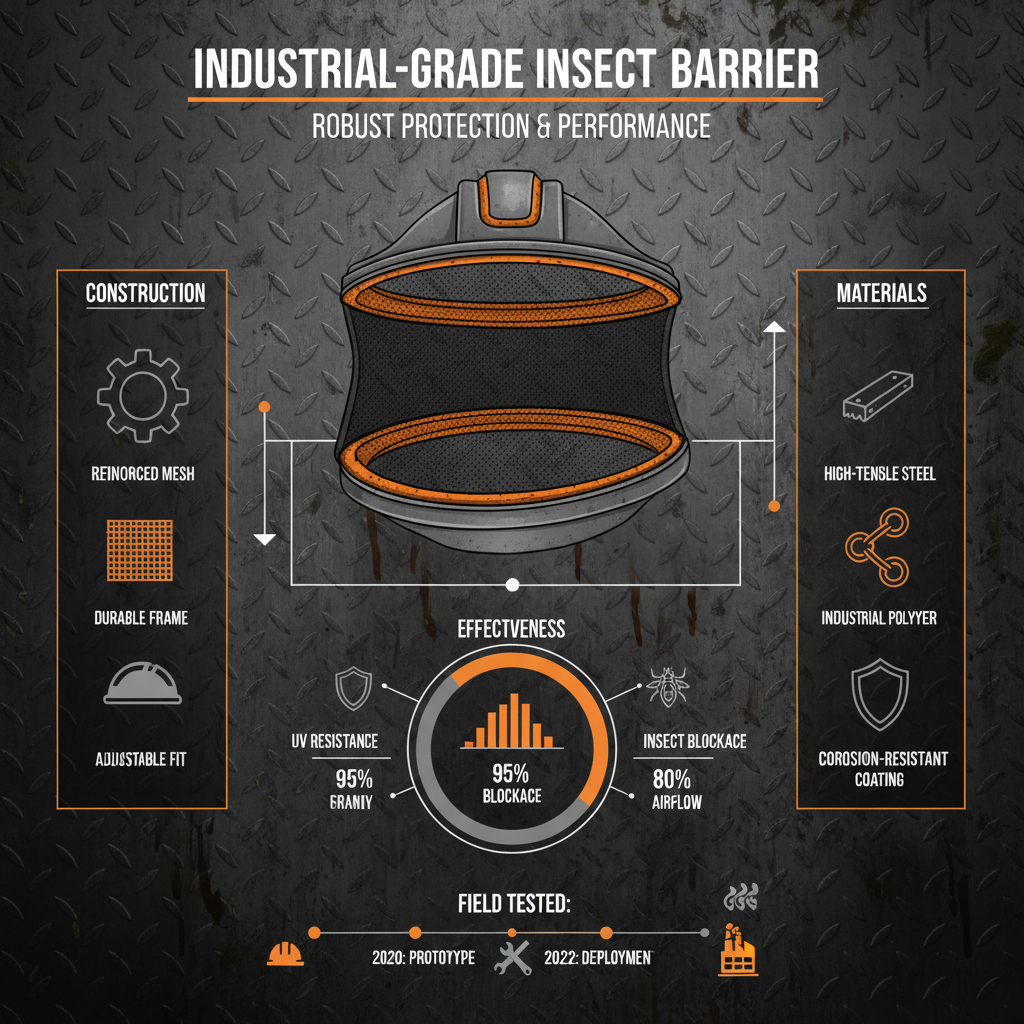
The effectiveness of bug head net relies on several key components working in synergy. The mesh material itself is paramount, with material selection dictating durability, UV resistance, and compatibility with the intended application. Weaving or knitting patterns also significantly impact the netting’s strength and pore size.
Reinforcement elements, such as reinforced edges or supporting cords, are critical for ensuring structural integrity and preventing tearing or sagging. These features are particularly important in larger installations exposed to wind or heavy loads. Proper finishing treatments, like UV stabilizers, extend the lifespan and maintain the netting’s performance over time.
Finally, the installation method influences the overall efficacy. Correct tensioning and secure anchoring are vital for creating a complete barrier and preventing pests from entering through gaps or weak points. Appropriate installation techniques vary depending on the scale of the application and the surrounding environment.
Key Factors Influencing Bug Head Net Performance
Several factors determine the performance and suitability of bug head net for a specific application. Mesh size is arguably the most critical, directly impacting which pests are excluded. A smaller mesh size offers broader protection but may reduce airflow.
Material durability dictates longevity and resistance to environmental degradation. UV exposure, temperature fluctuations, and physical abrasion can compromise the integrity of the netting over time. High-quality materials and protective coatings are essential for sustained performance.
Bug Head Net Performance Factors
Global Applications of Bug Head Net
The application of bug head net extends across the globe, addressing a multitude of needs. In agriculture, it is widely used in greenhouses and open fields to protect crops like fruits, vegetables, and flowers from insect pests, leading to increased yields and reduced pesticide use. In post-disaster relief operations, mosquito nets made from bug head net are critical in preventing the spread of malaria and other vector-borne diseases.
Within industrial settings, particularly in food processing and pharmaceutical manufacturing, bug head net safeguards product integrity by preventing contamination from insects and foreign particles. It's also increasingly used in construction as a safety barrier, preventing falls from scaffolding and protecting workers from debris. bug head net is a robust solution.
In remote industrial zones, where maintaining sterile environments is paramount, bug head net provides a cost-effective solution for enclosing sensitive areas. Furthermore, in regions facing challenges with invasive species, bug head net is employed to create exclusion zones, protecting native ecosystems.
Advantages and Long-Term Value
The advantages of using bug head net are manifold. Cost-effectiveness is a primary driver, as it often represents a significantly cheaper alternative to more complex pest control systems. Its lightweight and ease of installation contribute to reduced labor costs and minimal disruption to ongoing operations. Furthermore, bug head net offers a sustainable solution, reducing the reliance on chemical pesticides and promoting environmentally responsible practices.
From a long-term perspective, bug head net enhances reliability and contributes to improved public health outcomes. By preventing pest infestations and reducing disease transmission, it fosters safer working conditions, healthier communities, and increased food security. The emotional benefit of peace of mind, knowing that crops are protected or families are safe from disease, is a significant intangible value.
Future Trends and Innovation in Bug Head Net
The future of bug head net is poised for exciting innovation. The development of biodegradable materials will further enhance its sustainability profile, reducing environmental impact at the end of its lifecycle. Integration with smart technologies, such as sensors that detect pest breaches and automated deployment systems, will optimize its effectiveness and minimize maintenance requirements.
Researchers are also exploring the incorporation of antimicrobial agents into the netting material to provide an additional layer of protection against pathogens. The use of nanotechnology to create finer mesh sizes with enhanced strength and durability is another promising area of development. Digital transformation plays a vital role in data-driven design and optimized application of bug head net.
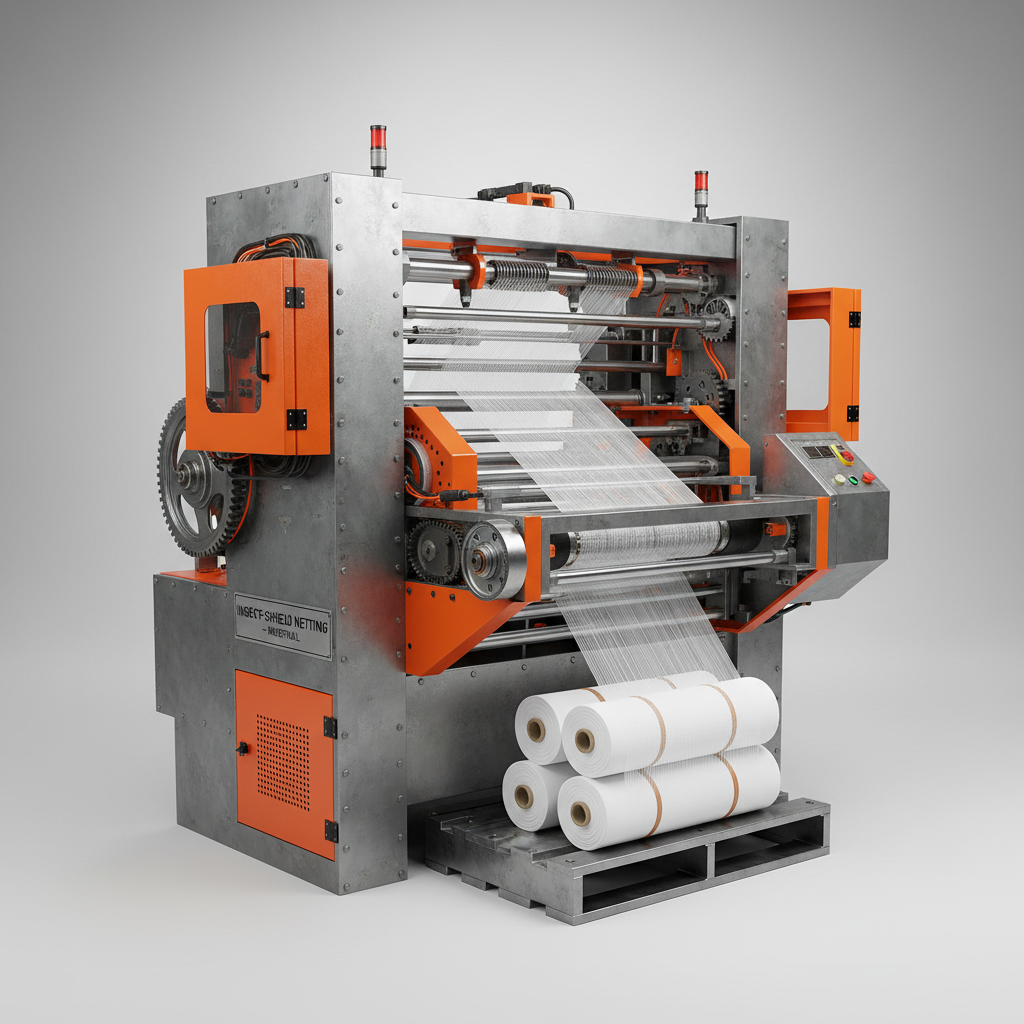
Automation in the manufacturing process will lead to increased production efficiency and lower costs, making bug head net even more accessible to a wider range of users. The focus on creating tailored solutions for specific applications, ranging from greenhouse agriculture to public health initiatives, will continue to drive innovation in this field.
Challenges and Solutions
Despite its many benefits, bug head net faces certain challenges. Tears and damage from weather or mishandling can compromise its effectiveness. UV degradation can also reduce its lifespan, particularly in areas with intense sunlight. Proper installation and maintenance are critical, but can be labor-intensive.
Solutions include utilizing higher-strength materials, implementing UV stabilizers, and developing more durable weaving techniques. Designing netting with self-healing properties, or incorporating reinforcing structures, can mitigate the impact of minor tears. Training programs and user-friendly installation guides can empower users to properly deploy and maintain the netting.
Addressing scalability for large-scale applications also presents a hurdle. Innovative manufacturing processes and modular designs can help overcome this challenge, enabling efficient deployment of bug head net across vast areas. Continuous research and development are essential for refining materials and techniques to address these ongoing challenges.
Summary of Challenges and Proposed Solutions for Bug Head Net Implementation
| Challenge |
Impact on Bug Head Net Performance |
Proposed Solution |
Implementation Cost (1-10) |
| Material Tears/Damage |
Reduced barrier effectiveness, increased pest intrusion |
High-strength materials, reinforcing structures |
7 |
| UV Degradation |
Loss of material integrity, reduced lifespan |
UV stabilizers, UV-resistant coatings |
6 |
| Installation Complexity |
Improper tension, gaps in barrier |
User-friendly guides, training programs |
4 |
| Maintenance Requirements |
Labor costs, downtime for repairs |
Self-healing materials, automated inspection |
8 |
| Scalability for Large Areas |
High material costs, logistical challenges |
Modular designs, efficient manufacturing |
5 |
| Limited Mesh Size Options |
Inability to target specific pest sizes |
Nanotechnology, customizable mesh weaving |
9 |
FAQS
Bug head net is typically constructed from synthetic materials like polyethylene (PE), polypropylene (PP), and nylon. PE is prized for its affordability, while PP offers better UV resistance. Nylon provides superior strength and durability but is often more expensive. The choice of material depends on the specific application and desired performance characteristics, balancing cost, lifespan, and environmental factors.
Selecting the correct mesh size is crucial for effective pest control. Smaller mesh sizes offer broader protection by excluding a wider range of insects, but may also restrict airflow. Consider the specific pests you’re targeting – their size and species. For example, protecting crops from aphids requires a much finer mesh than excluding larger insects like moths. Consult with agricultural experts or pest control professionals for guidance.
The lifespan of bug head net varies depending on the material, UV exposure, and environmental conditions. Generally, it can last from 1 to 5 years. To extend its lifespan, choose UV-stabilized materials, avoid prolonged exposure to harsh chemicals, and regularly inspect for tears or damage. Proper storage when not in use also helps protect against degradation.
Bug head net offers a more sustainable alternative to chemical pest control methods. By reducing reliance on pesticides, it minimizes environmental pollution and protects beneficial insects. However, most conventional bug head net is made from non-biodegradable plastics. The development of biodegradable materials represents a significant step towards enhancing its eco-friendliness. Responsible disposal is still important.
Proper installation is vital for a complete barrier. Ensure the netting is securely anchored at all points, with sufficient tension to prevent sagging or gaps. Overlap seams by at least 6 inches and use appropriate fasteners like clips, ties, or tape. Regularly inspect the installation for any breaches and address them promptly. Professional installation may be required for larger or complex applications.
Recycling options for bug head net are currently limited, as many materials are difficult to process. However, some manufacturers are exploring recycling programs and developing more easily recyclable materials. Check with your local recycling facilities to see if they accept polyethylene or polypropylene netting. Proper disposal in landfills is often the only option currently available.
Conclusion
Bug head net stands as a versatile and impactful solution across diverse sectors, offering a blend of affordability, effectiveness, and sustainability. Its ability to protect crops, safeguard public health, and enhance industrial safety solidifies its position as a crucial component in modern practices. The consistent evolution of materials and installation techniques promises even greater performance and environmental responsibility in the future.
Looking ahead, continued research and innovation focused on biodegradable materials, smart technologies, and optimized manufacturing processes will unlock new possibilities for bug head net. By embracing these advancements, we can harness its full potential to create a more sustainable, safer, and secure world. Visit our website at www.yjwiremesh.com to learn more about our range of bug head net products and solutions.