Durable Netting to Cover Berry Bushes | Industry-Proven Agricultural Mesh
Netting to Cover Berry Bushes: Practical Insights from the Field
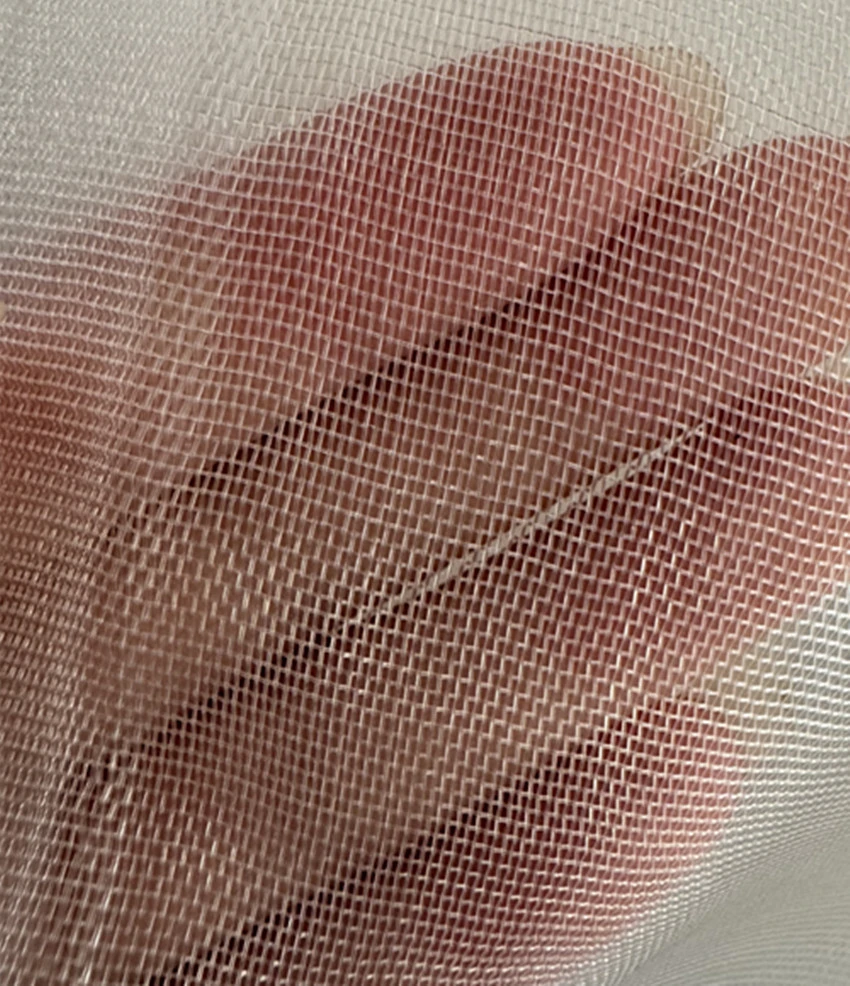
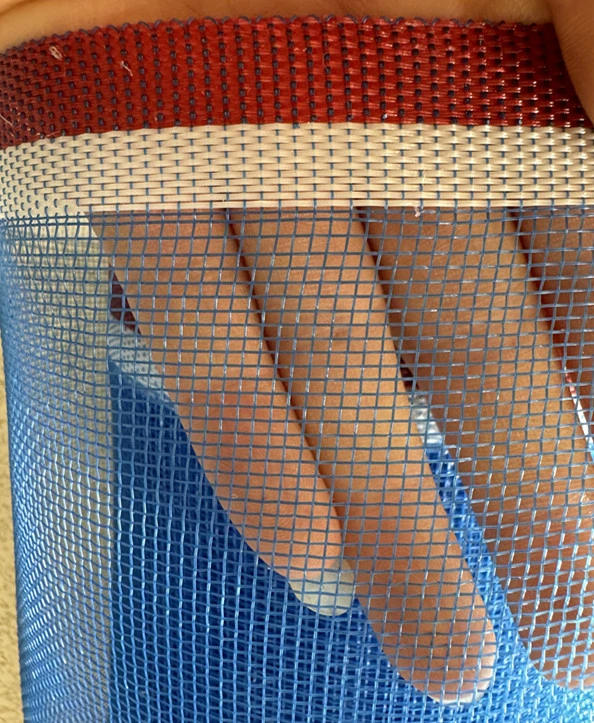
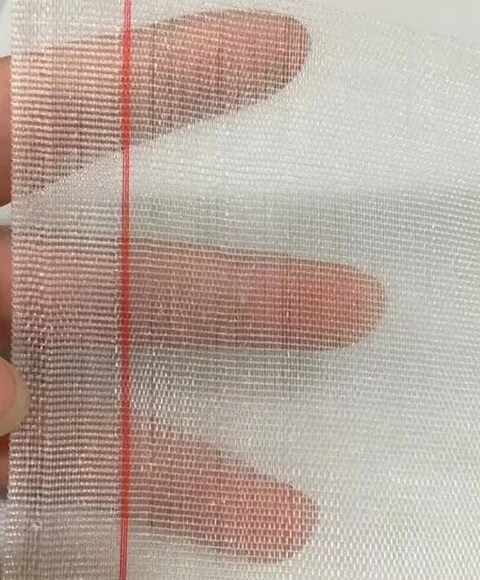
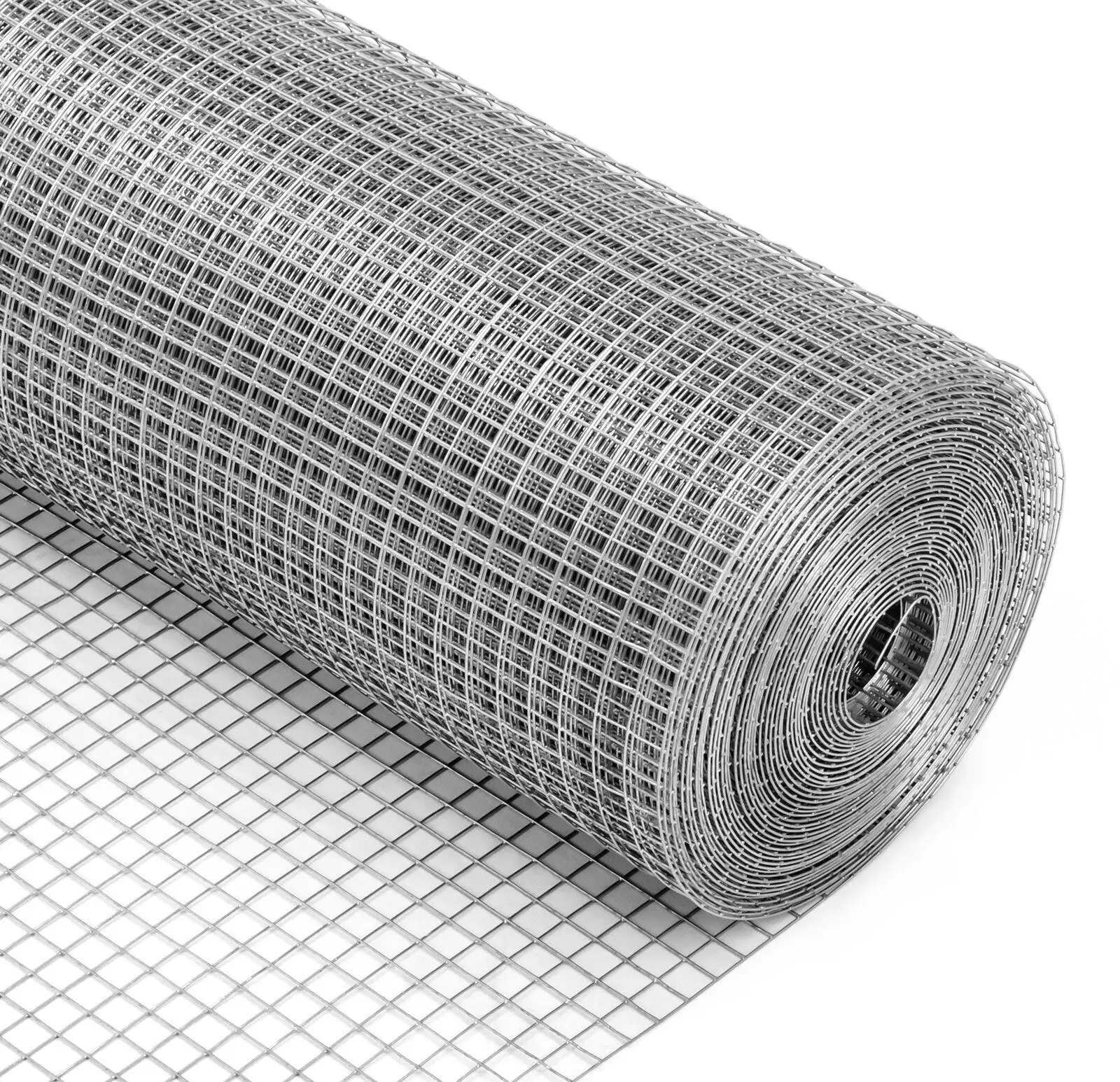
Having spent years in the industrial equipment sector—specifically dealing with agricultural solutions—I’ve come across many tools and products. But when it comes to netting to cover berry bushes, there’s something oddly satisfying about how this simple solution fights off hungry birds and pests while enhancing yields. In real terms, it’s a deceptively straightforward product, but one that demands exacting specifications and thoughtful design.
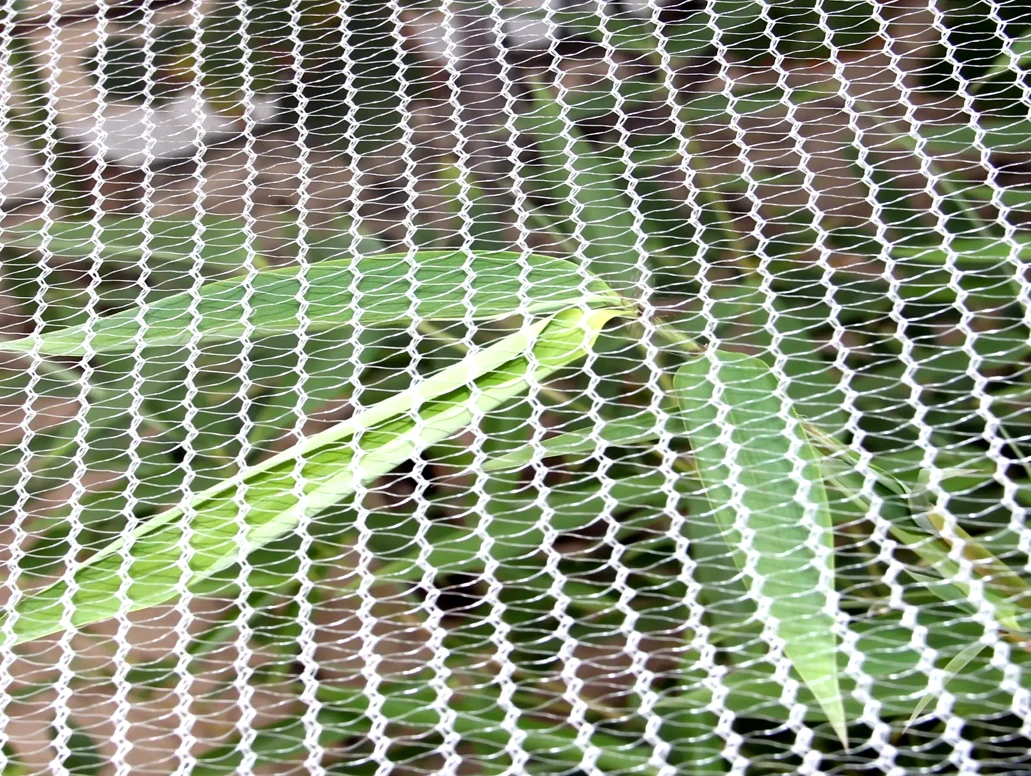
From the outside, netting might look like just a mesh, but the choice of material, mesh size, UV resistance, and tensile strength all matter quite a bit—as anyone who’s installed garden netting in a harsh summer or windy autumn will tell you. Frankly, I noticed that poorly made nets often lose their shape after a season or two, which eventually means a lot more labor and replacement expenses.
And customers often ask: “Why not use plastic or any cheap gauze?” Well, not all netting is created equal, and this is where knowledge of industry trends and material science kicks in.
| Specification | Details |
|---|---|
| Material | High-density polyethylene (HDPE) with UV stabilizers |
| Mesh Size | 5mm - 15mm (customizable) |
| Color Options | Black (standard), Green, White (special order) |
| UV Resistance | Up to 5 years outdoor exposure |
| Weight | 70-100 g/m² depending on weave |
One thing I especially appreciate is how some manufacturers, including our benchmark, provide customization options—for example, tailored mesh sizes for different berry types. Strawberries might need a tighter mesh to keep out tiny birds, while blueberries tolerate a bit larger gaps.
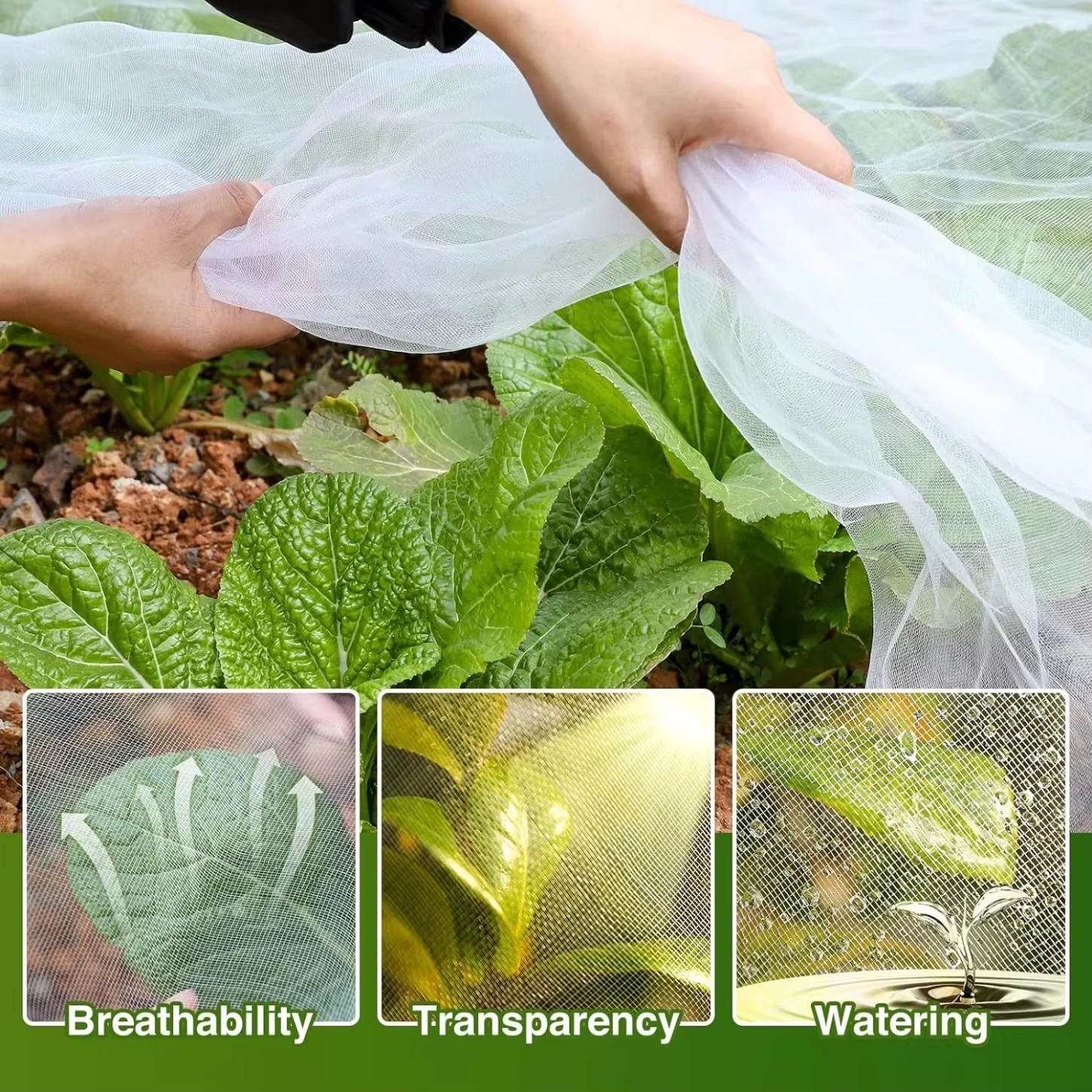
In the field, it’s not just about materials; installation ease counts a lot. Many growers tell me they want something light enough to handle solo but durable enough to stretch over uneven terrain. Also, oddly enough, color matters more than you’d guess: black nets tend to absorb heat, possibly stressing some bushes, while white or green can blend in better and reflect sunlight, though sometimes at slightly higher costs.
| Vendor | Material Quality | Customization | Price Range | Warranty |
|---|---|---|---|---|
| YJ Wire Mesh | HDPE with UV stabilizers | Full mesh size & color options | $$$ (mid-range) | Up to 5 years |
| Vendor A | Polypropylene | Limited (only mesh sizes) | $ (budget) | 1 – 2 years |
| Vendor B | HDPE, no UV stabilization | Color options only | $$ (low-mid) | Up to 3 years |
Something I always emphasize to clients—and witnessed firsthand—is the impact of decent netting on harvests. One grower I know in Oregon switched to high-quality polyethylene netting from YJ Wire Mesh, and their berry crop losses to birds dropped by nearly 80%. Plus, the nets lasted three seasons before needing replacement. It felt like a small upfront investment that paid off all season long.
Overall, if you’re scouting for netting to cover berry bushes, I’d say don't skimp on the specs. Check for UV resistance, consider your local climate, and pay attention to mesh size and weight. Oh, and make sure the vendor offers some flexibility—you’ll thank yourself later when the nets fit as smoothly as a glove. The right choice can even make the difference between a stressed bush and a thriving riot of sweet berries come harvest time.
So, if you want something reliable, look no further than products offered by YJ Wire Mesh. Their experience in the industrial netting niche really shows.
Good netting is kind of an unsung hero in berry farming. For what it’s worth—I suppose this is obvious to folks in the field—it’s about durability and peace of mind.
And finally, always test a small batch if you can. Sometimes your microclimate or specific berry variety might have subtle needs.
References:
1. Agricultural Mesh Nets: Material Properties and Applications, J. Agri. Sci., 2020.
2. User Case Study: Bird Exclusion Nets in Oregon Berry Farms, FarmTech Reports, 2022.
3. UV Resistance Factors in Polyethylene Netting, Polymer Science Review, 2019.
-
High Quality Anti Bird Agro Net for Professional Crop ProtectionNewsApr.16,2026
-
Guide to Bird Netting Cost Per Square Foot and Material OptionsNewsApr.09,2026
-
Comprehensive Guide to Bird Netting Cost Factors and Material ChoicesNewsApr.07,2026
-
Comprehensive Guide to Bird Net for Balcony Cost and Installation OptionsNewsApr.04,2026
-
Comprehensive Guide to Bird Netting Price and Effective Protection SolutionsNewsMar.31,2026
-
Comprehensive Guide to Nylon Bird Net Price Factors and OptionsNewsMar.28,2026