Durable Netting to Cover Tomato Plants | Expert Agricultural Mesh Guide
Using Netting to Cover Tomato Plants: Practical Insights from the Field
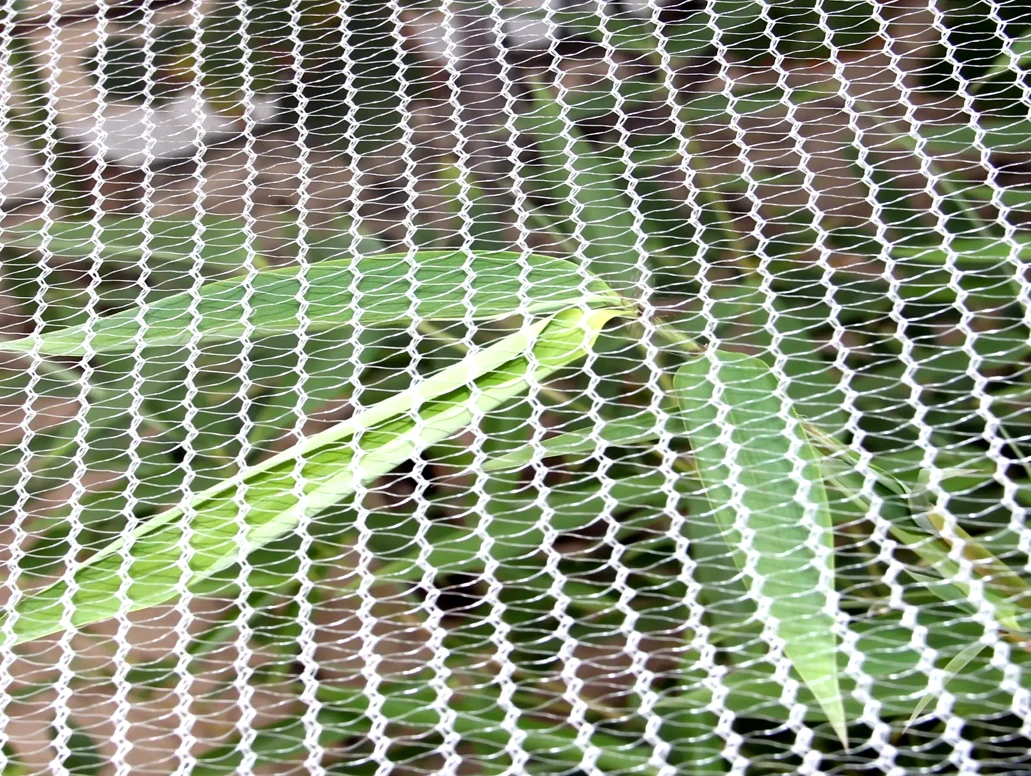
Having spent more than a decade working with industrial agricultural equipment — and honestly, quite a few years more around farms — I've learned that a good tomato crop can be as delicate as it is rewarding. One of the unsung heroes in tomato growing is often overlooked: the right netting. It might seem like a small detail, but netting to cover tomato plants plays a pivotal role in improving yields and protecting plants from pests, birds, and even harsh weather.
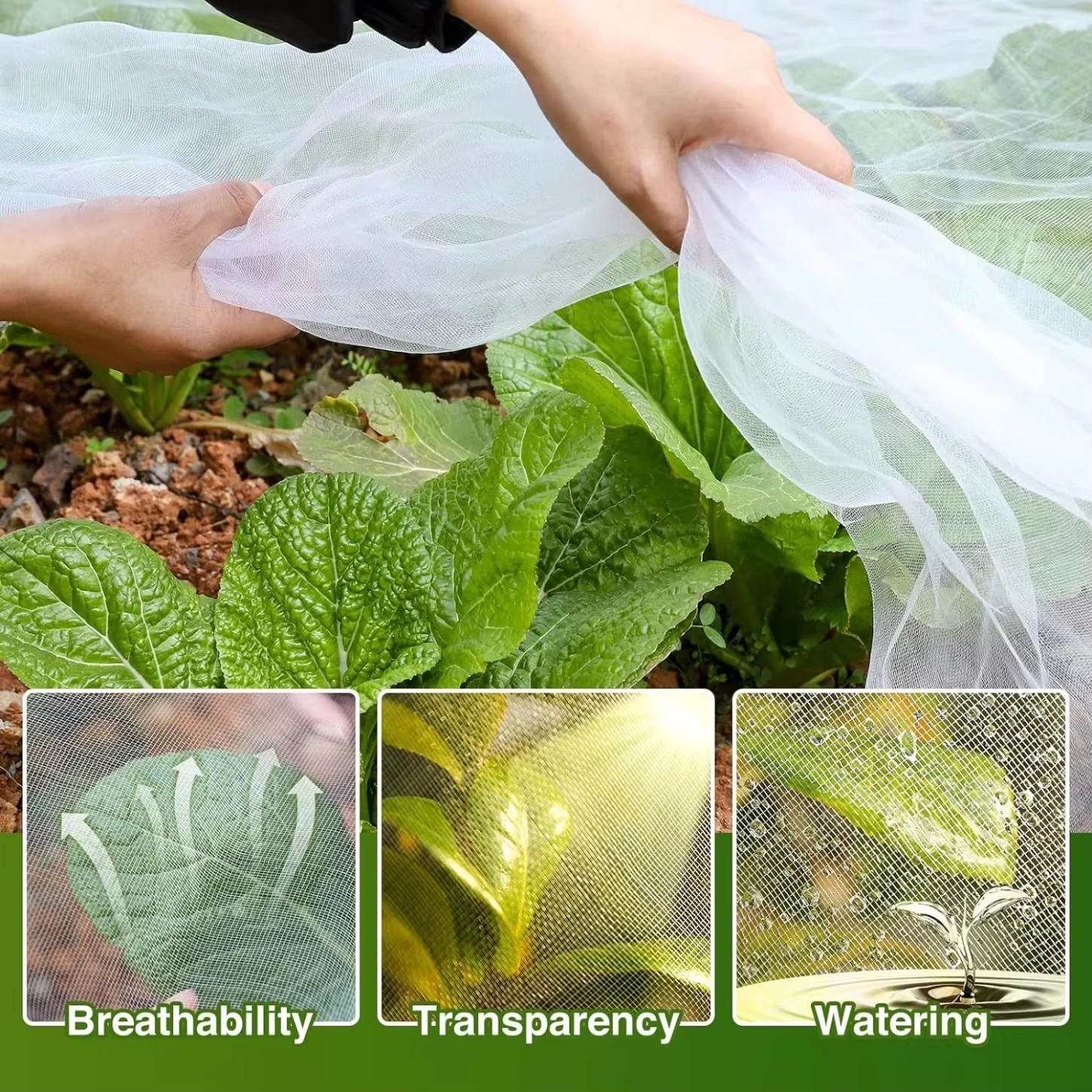
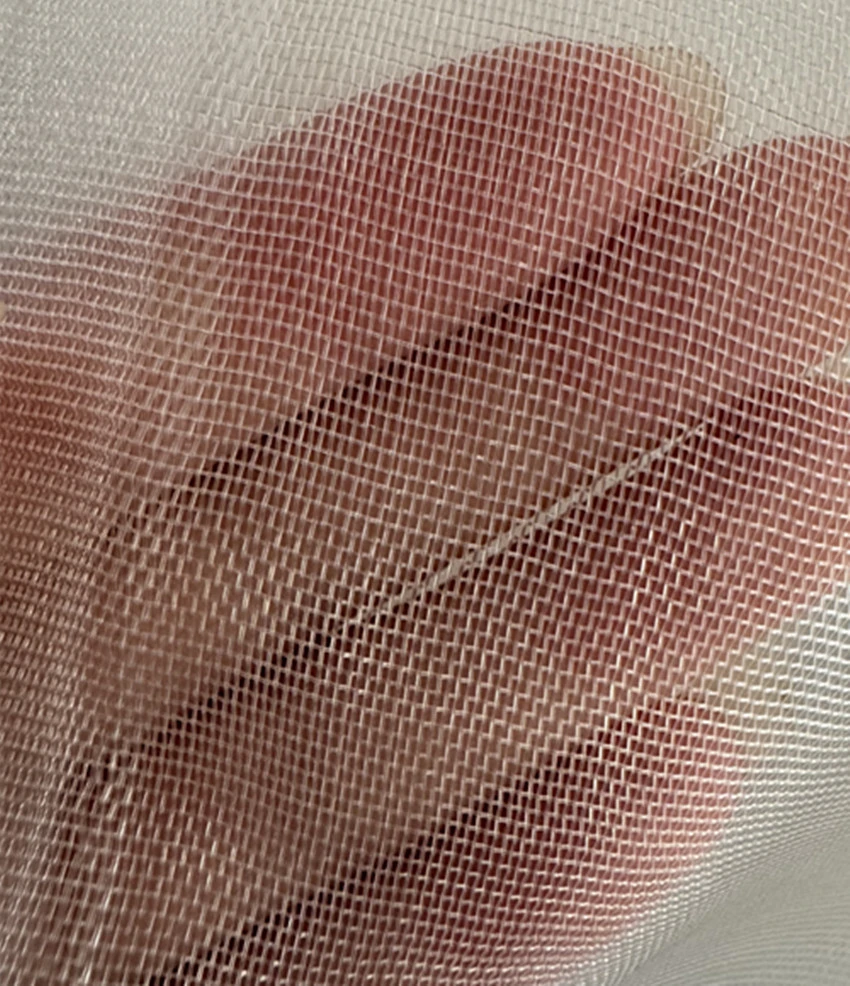
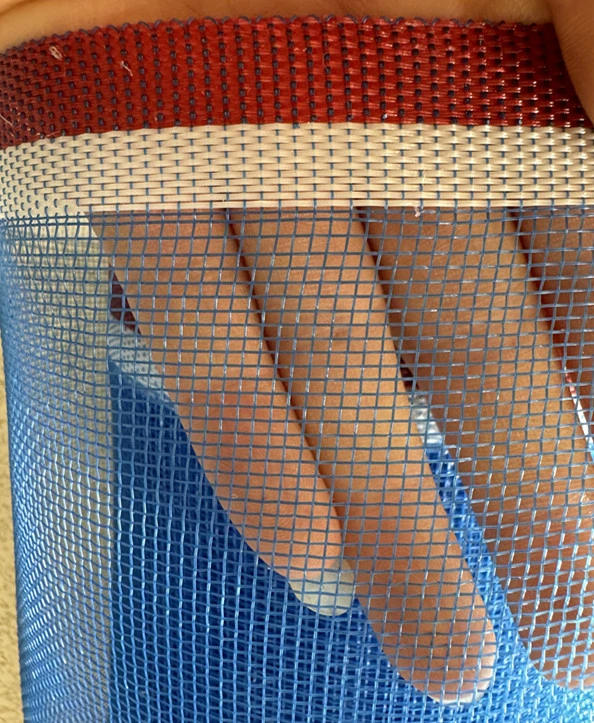
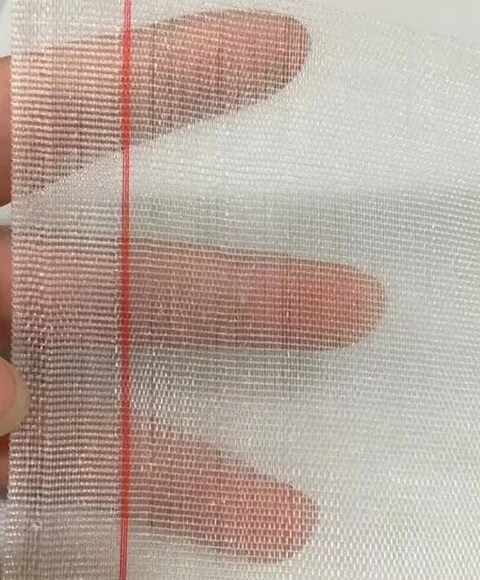
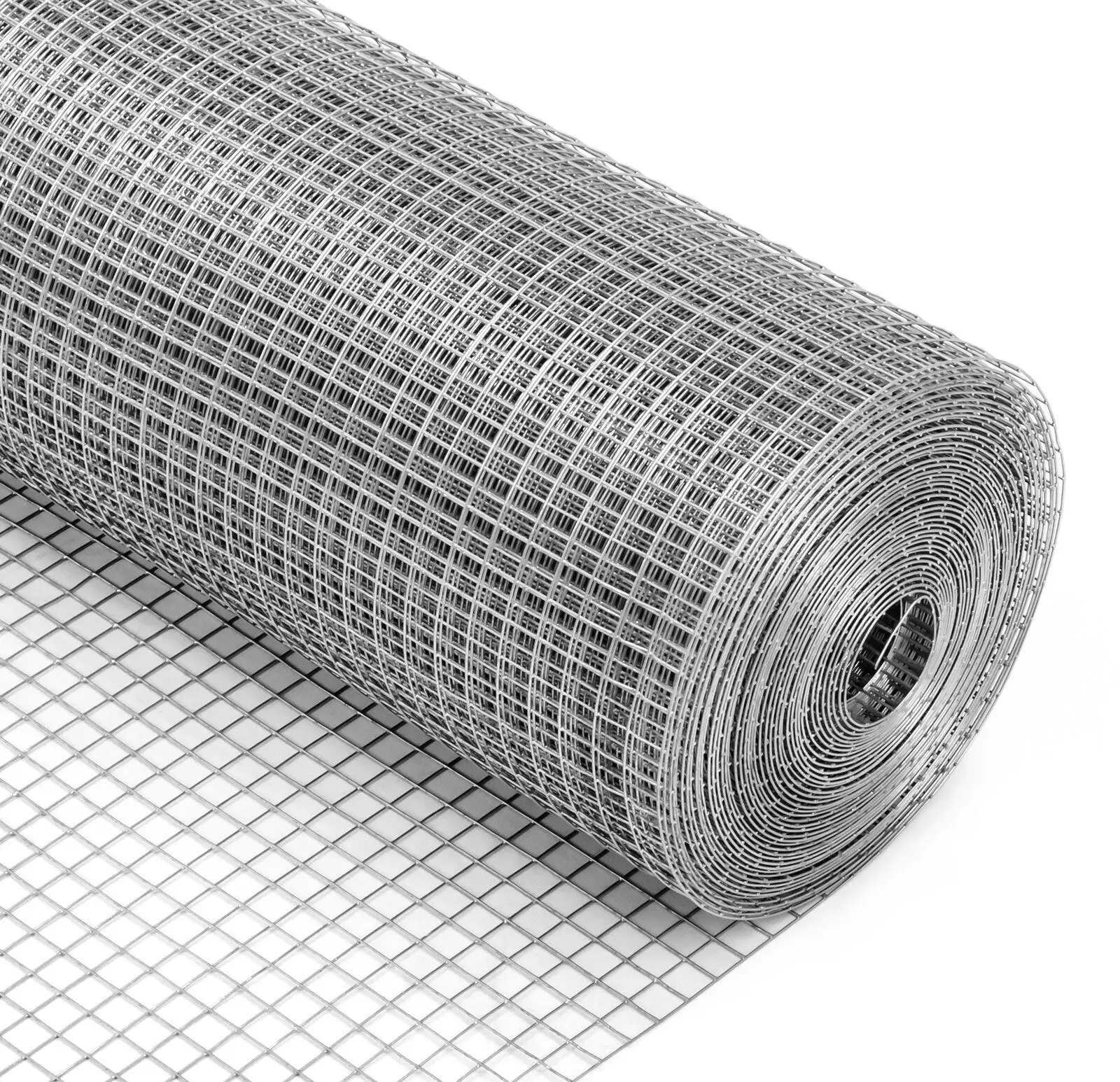
When I first started advising farmers on protective coverings, the variety of netting materials and designs was eye-opening. You have polyethylene nets, polypropylene mesh, even nylon variants. Each has its advantages, depending on your climate, pest pressure, and budget. Frankly, a poorly chosen net can do more harm than good — restricting airflow or dulling sunlight uptake, for instance. But the right net? It's like a green shield that keeps tomato plants happy and productive.
Oddly enough, many growers I know prefer nets with about 20mm mesh size. It strikes a nice balance: small enough to keep out pesky insects like whiteflies, but large enough to let bees in — which is crucial for pollination. There’s also the question of UV resistance. In sunny regions, a UV-stabilized net lasts significantly longer, sometimes up to five years, whereas cheaper nets can degrade after a season or two. It might feel like a bigger upfront investment, but in real terms, it pays off.
I've also noticed a few emerging trends. More farms are moving toward custom-sized nets to fit their trellis systems precisely. That way, there’s minimal sagging or flapping in the wind, which can damage tender tomatoes. Plus, customized solutions often improve air circulation, reducing fungal disease incidence — a major headache in tomato cultivation.
| Property | Specification |
|---|---|
| Material | High-density polyethylene (HDPE), UV stabilized |
| Mesh size | Approximately 18-22 mm |
| Tensile strength | > 350 N/cm |
| Weight | 30-50 gsm (grams per square meter) |
| UV resistance lifespan | 3-5 years (depending on exposure) |
| Color Options | Green, black, white, transparent |
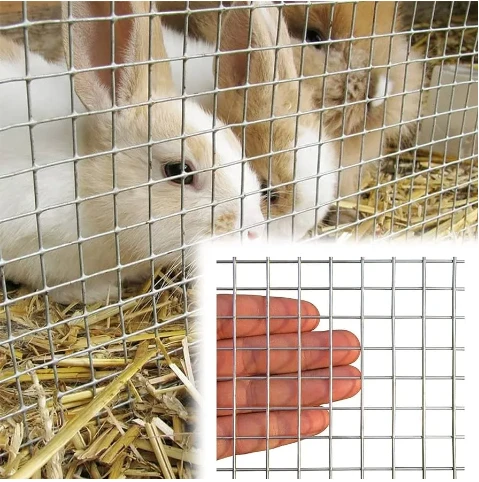
One of the quirks I observed over the years relates to customer/vendor differences in netting quality. Some vendors lean toward cheaper, lighter products that sacrifice durability and UV stability, possibly tempting if you’re on a tight budget. Others focus on overspec’d nets that might feel stronger but actually restrict airflow. It takes a practiced eye to balance all these factors, so sourcing from trusted suppliers is critical.
| Vendor | Material Quality | Customization | UV Resistance | Price Range |
|---|---|---|---|---|
| YJ Wire Mesh | Premium HDPE, UV stabilized | Full custom sizes | 5 years | $$$ (mid to high) |
| Generic Agro Nets | Basic polyethylene | No customization | 2 years | $ (budget) |
| PlastiGrow | Mid-grade mix | Limited sizes | 3-4 years | $$ (moderate) |
Let me share a quick anecdote: a tomato farm in southern Spain I visited recently had switched from cheap mesh to a high-grade, custom net from YJ Wire Mesh. The grower told me the netting not only cut down bird damage by over 80% but also noticeably improved the tomatoes’ overall health—less disease and more consistent ripening. It really underscored how the right netting isn’t just protection; it’s an investment in crop quality.
In terms of installation—don’t underestimate the importance of proper setup. Loose nets can flap in the wind, and stone or wire weights along the edges help keep the net taut. Some growers rig simple frame supports, others more elaborate trellis attachments. In any case, its flexibility is key. You want to be able to remove the net for pruning and harvesting without hassle.
To wrap up, if you're in the game of tomato growing, choosing the right netting to cover tomato plants is more than a line item on your purchase list. It’s a practical step that combines technical specs, real-world durability, and sometimes a bit of trial and error. Oddly enough, something as simple as netting can quietly transform your crop’s success and your own satisfaction in the field.
Keep in mind, the agricultural environment always brings variables — climate, pests, and crop varieties shift from region to region. So, I always recommend testing small batches before scaling up and working with reputable suppliers who understand the nuances involved.
That’s my two cents from someone who’s walked the rows and studied the mesh over many seasons.
References:
1. Agricultural Mesh Materials Study, FAO, 2022
2. Grower Report: Mediterranean Tomato Farm, Field Visit 2023
3. UV Aging Tests on Agricultural Nets, J. Agri. Science, 2021
-
High Quality Anti Bird Agro Net for Professional Crop ProtectionNewsApr.16,2026
-
Guide to Bird Netting Cost Per Square Foot and Material OptionsNewsApr.09,2026
-
Comprehensive Guide to Bird Netting Cost Factors and Material ChoicesNewsApr.07,2026
-
Comprehensive Guide to Bird Net for Balcony Cost and Installation OptionsNewsApr.04,2026
-
Comprehensive Guide to Bird Netting Price and Effective Protection SolutionsNewsMar.31,2026
-
Comprehensive Guide to Nylon Bird Net Price Factors and OptionsNewsMar.28,2026