Durable Netting to Cover Vegetable Garden - Expert Insights & Options
Netting to Cover Vegetable Garden: Practical Insights From the Field
Having worked in the industrial equipment sector for over a decade, I’ve come across all sorts of protective gear for agriculture. But when it comes to protecting your veggie patch, netting to cover vegetable garden areas really stands out as one of the most straightforward, yet crucial investments. Honestly, it might sound simple — some mesh stretched over your plants — but the real-world impact can be surprisingly significant.
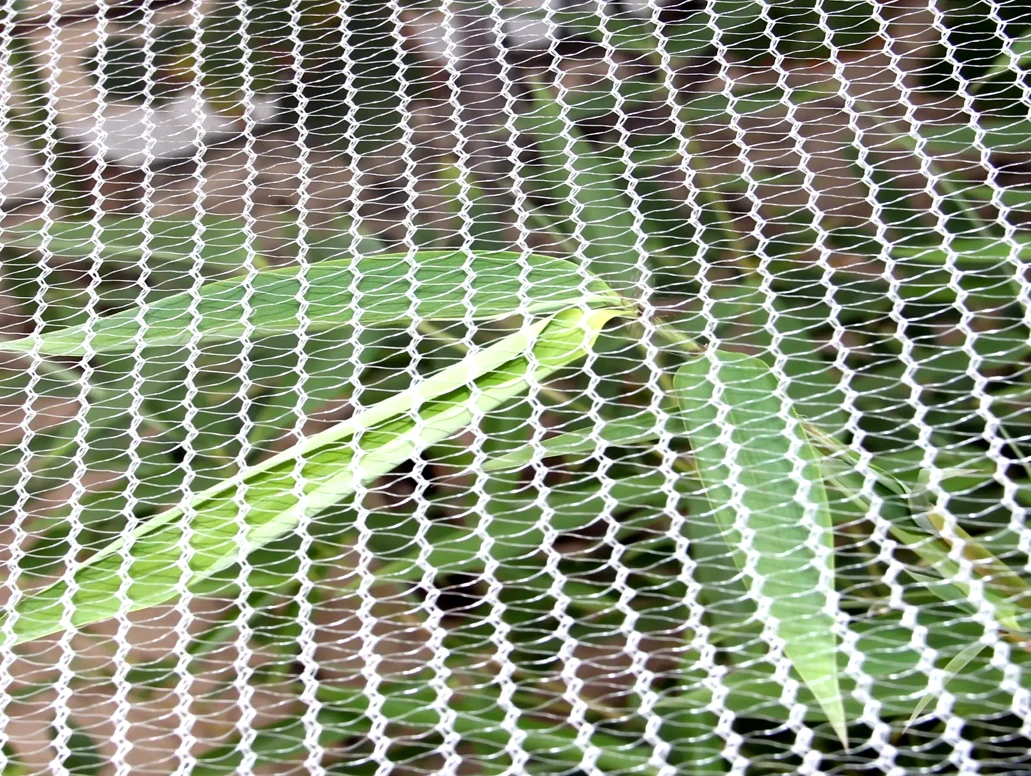
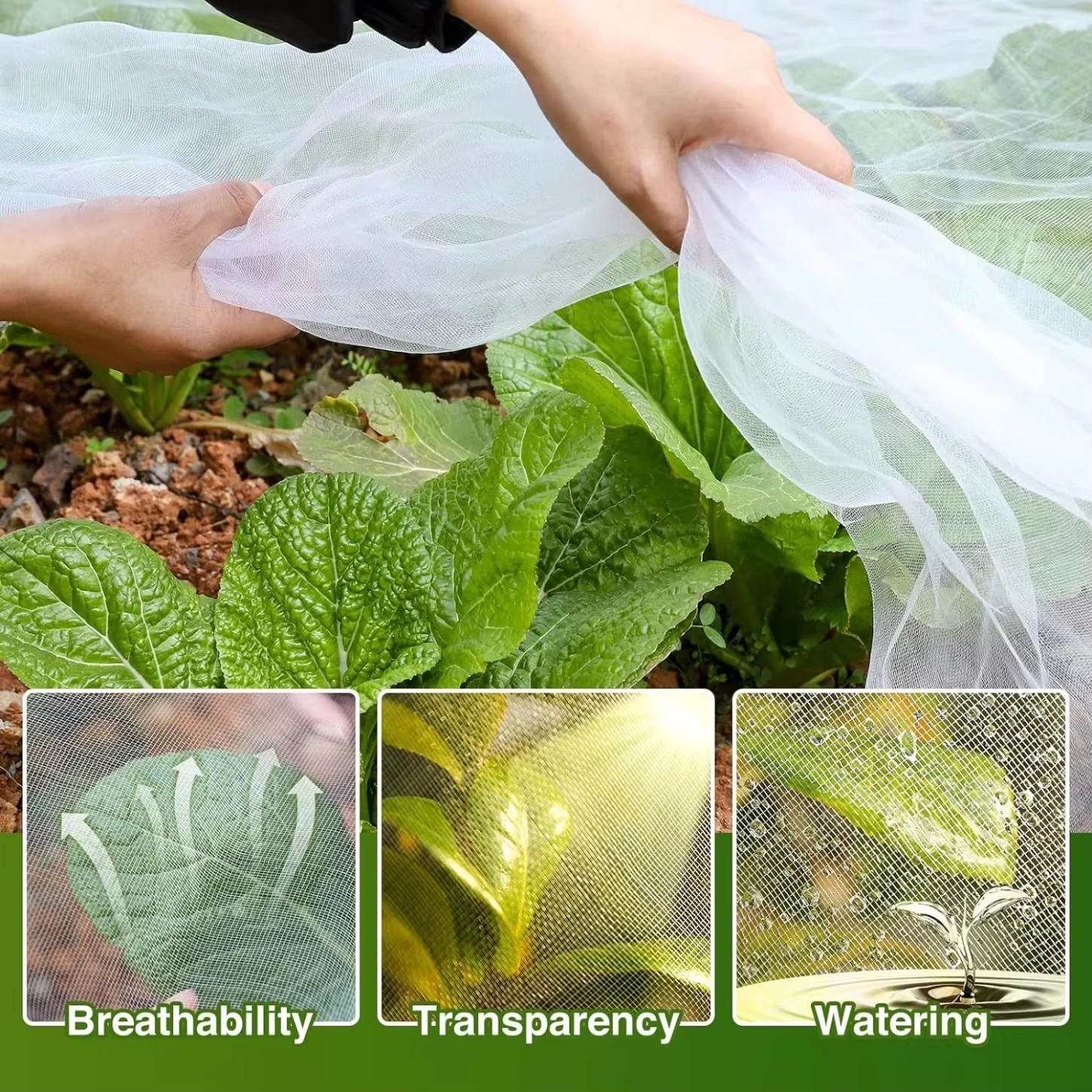
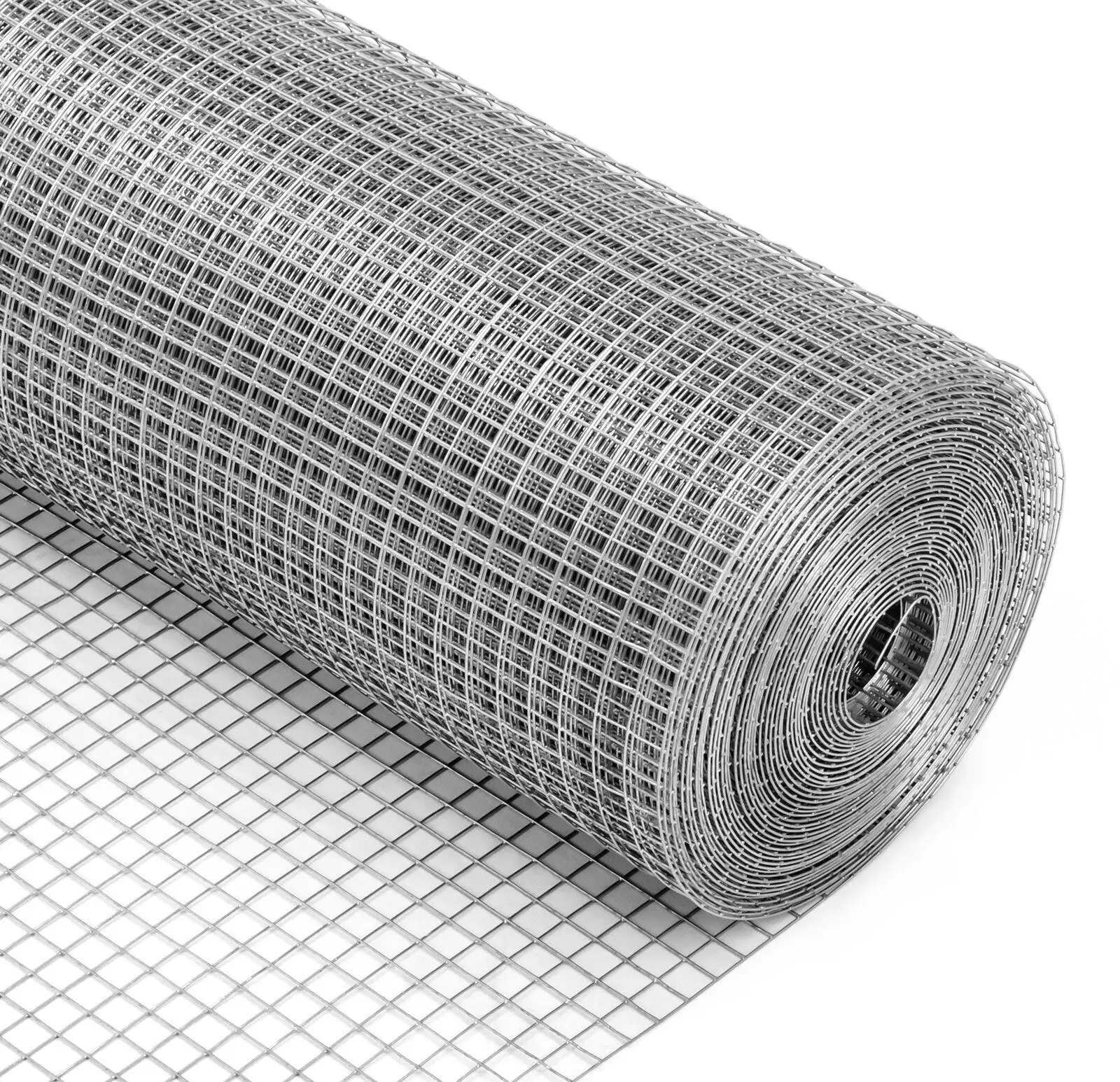
Netting to cover vegetable garden isn’t just about keeping pesky birds off tomatoes or cabbages. It’s also a barrier against larger insects, hail damage, and even small animals. Frankly, the right netting saves you heaps on time and money used dealing with losses. I suppose it feels a bit like insurance — you don’t notice the benefit until it’s too late if you skip it.
One thing often overlooked is the material quality and weave size. Many engineers and agricultural experts agree that polypropylene and HDPE (high-density polyethylene) dominate the field for durability and resistance to UV degradation. I recall a spring when a farmer’s attempt with cheap nylon netting failed halfway through the growing season because of sun damage. You get what you pay for, really.
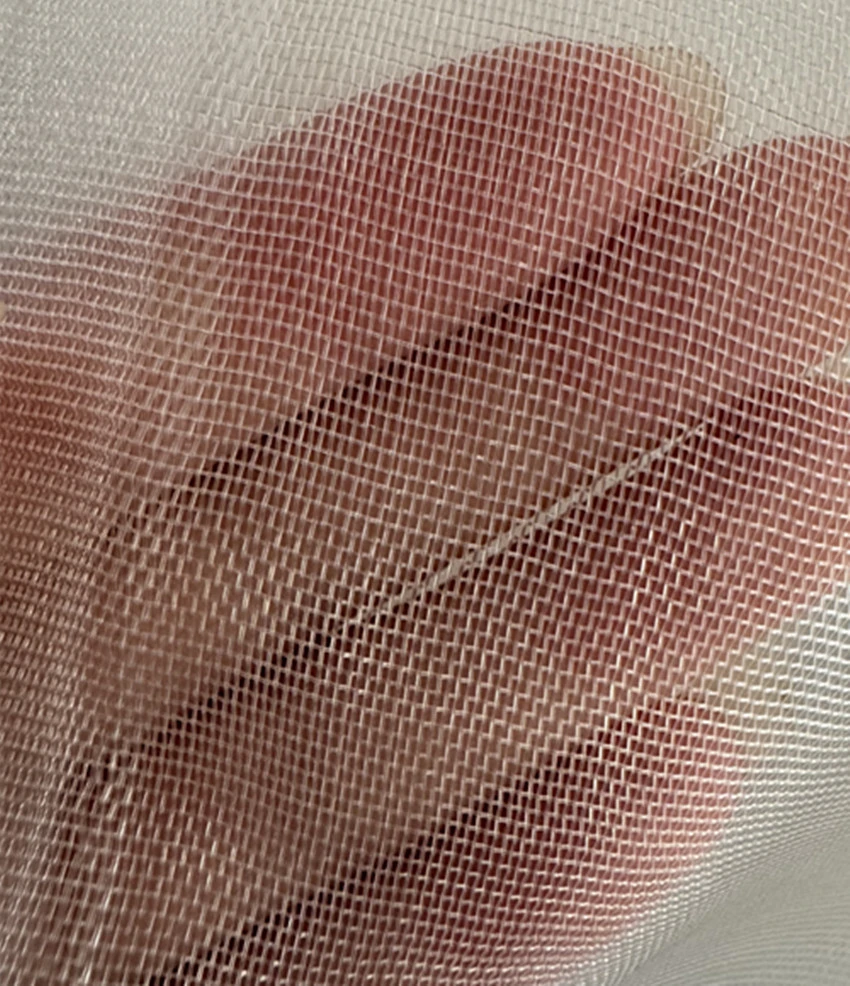
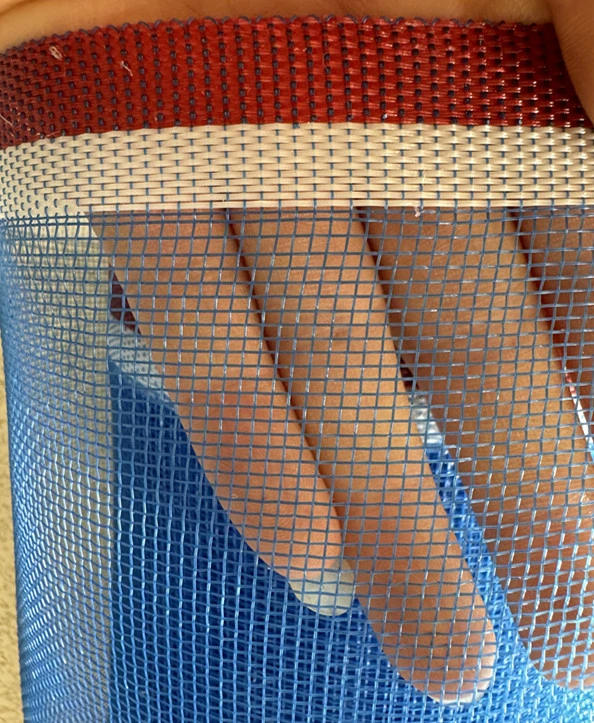
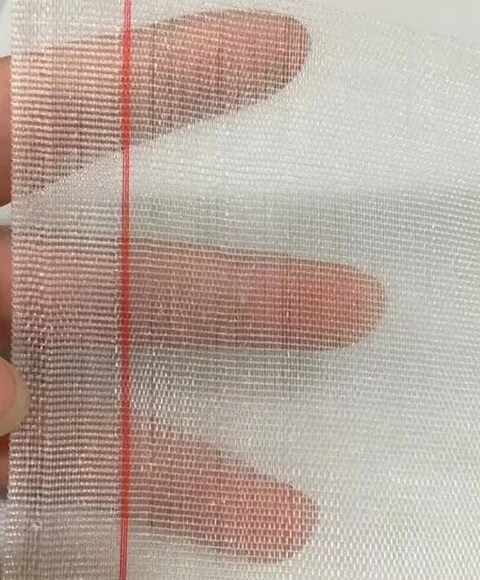
The mesh size is a balancing act. Too tight a weave, and you risk reducing sunlight penetration and air flow — plants need both. Too wide, and the net fails at stopping small insects you’re trying to keep out. Most industrial-grade netting to cover vegetable garden uses mesh sizes between 1 to 5 millimeters for this reason. It’s sort of a Goldilocks zone.
| Specification | Typical Value | Details |
|---|---|---|
| Material | HDPE / Polypropylene | Durable and UV resistant |
| Mesh Size | 1-5 mm | Blocks small insects, allows airflow |
| Color Options | Green, Black, White | Helps with camouflage and sun filtering |
| Weight | 30-110 g/m² | Varies with mesh density and treatment |
| UV Treatment | Yes | Ensures longevity in sunlight |
From my experience, what sets top-quality netting apart isn’t just these specs — it’s a combination of thorough testing under local weather conditions and customization options. YJ Wire Mesh, for instance, supports tailored solutions for different vegetable types and geographic challenges. I remember working with a client in the northeast who needed netting that could withstand heavy snow loads but still be lightweight for easy installation — a real tightrope to walk.
Speaking of vendors, here’s a quick vendor comparison I pulled together from industry reports and direct feedback. Oddly enough, many companies advertise similar specs, but actual durability and customer support vary considerably.
| Vendor | Material Quality | Customization | Customer Support | Price Range |
|---|---|---|---|---|
| YJ Wire Mesh | High (HDPE + UV) | Tailored mesh sizes & treatments | Excellent, quick responder | Moderate |
| Generic Supplier A | Medium (Polypropylene) | Limited sizes | Patchy | Low |
| Supplier B | High (Nylon, no UV) | Some customization | Good, but slow | Moderate |
One farmer I worked with, Kate, swore by the green HDPE netting we helped select. She said it felt “like a second skin” for her lettuces during a bad insect outbreak. That kind of feedback sticks with me — it’s not just specs on paper; it genuinely means less stress and better harvests.
So, if you’re considering netting to cover vegetable garden plots, think beyond price alone. Ask about material longevity, UV protection, mesh sizing, and customer support. That’ll save you from costly replacements or patching halfway through a season.
In real terms, it’s a straightforward tool — but picking the right netting feels a bit like engineering a small microclimate... and when that works, the results are undeniably satisfying.
- Jim R., Industrial Equipment Consultant & Former Agro Tech Specialist
References:
- International Journal of Agricultural Research (2020), “Effectiveness of UV-treated HDPE Nets in Vegetable Protection”
- Agricultural Materials Handbook (2019), Section on Crop Protection Meshes
- Client Feedback Reports, YJ Wire Mesh (2021-2023)
-
High Quality Anti Bird Agro Net for Professional Crop ProtectionNewsApr.16,2026
-
Guide to Bird Netting Cost Per Square Foot and Material OptionsNewsApr.09,2026
-
Comprehensive Guide to Bird Netting Cost Factors and Material ChoicesNewsApr.07,2026
-
Comprehensive Guide to Bird Net for Balcony Cost and Installation OptionsNewsApr.04,2026
-
Comprehensive Guide to Bird Netting Price and Effective Protection SolutionsNewsMar.31,2026
-
Comprehensive Guide to Nylon Bird Net Price Factors and OptionsNewsMar.28,2026