Effective Netting to Protect Blueberries for a Bountiful Harvest
Protecting Your Blueberry Harvest: A Guide to Netting to Protect Blueberries
Blueberries are a delicate fruit, vulnerable to bird damage and harsh weather. Investing in the right netting to protect blueberries is crucial for maximizing your yield and ensuring a bountiful harvest. This article will explore the benefits of blueberry netting, different types available, installation tips, and how to choose the best option for your needs. Proper netting not only safeguards your berries but also contributes to a healthier and more productive blueberry patch.
Why Use Netting to Protect Blueberries?
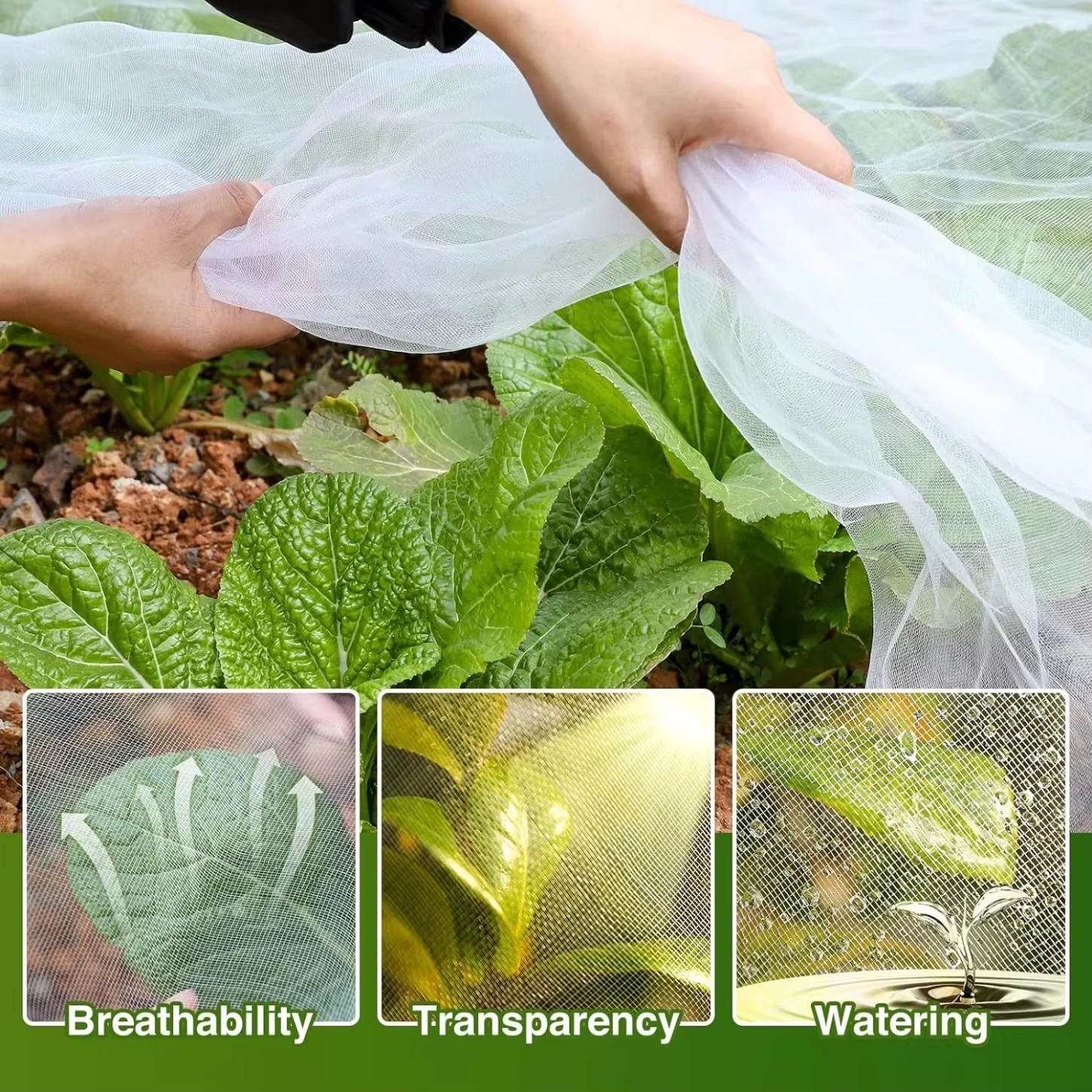
Birds are a significant threat to blueberry crops, capable of stripping bushes bare in a matter of days. Netting provides a physical barrier, preventing birds from accessing the fruit. Beyond birds, netting also offers protection from hail, strong winds, and excessive sunlight, all of which can damage delicate blueberry blossoms and developing berries. This protection translates directly into higher yields and improved fruit quality. Furthermore, using netting can reduce the need for potentially harmful bird deterrents or pesticides.
Key Benefits: Protects from bird damage, shields against weather (hail, wind, sun), increases yield, improves fruit quality, reduces the need for pesticides.
Types of Blueberry Netting Available
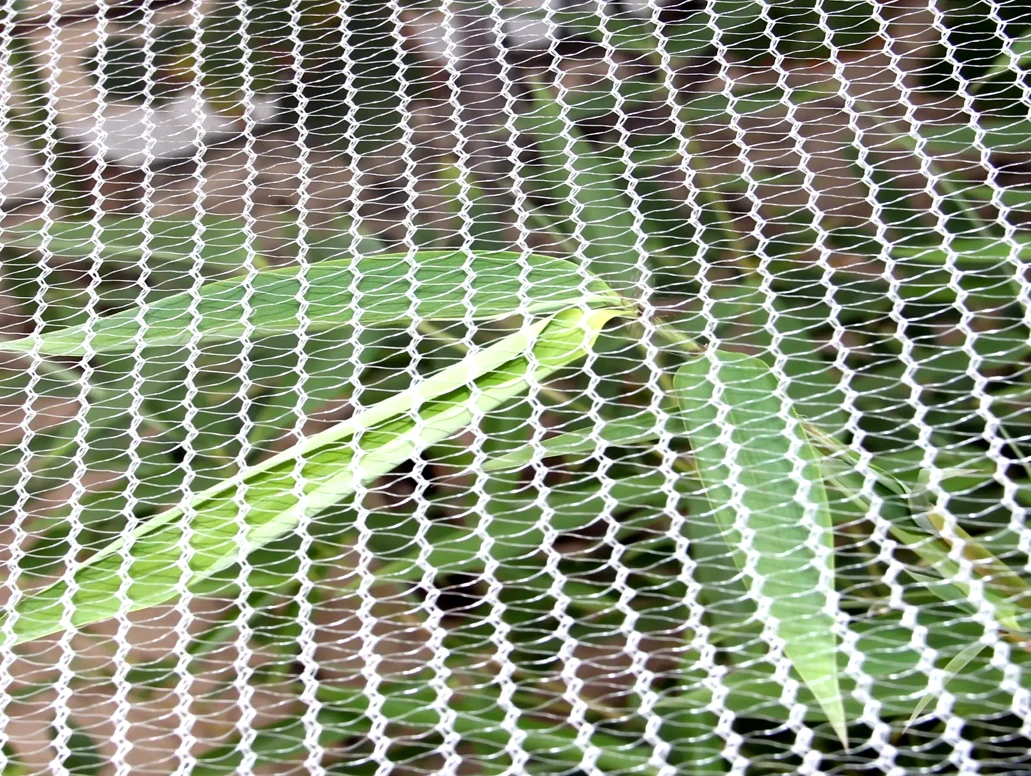
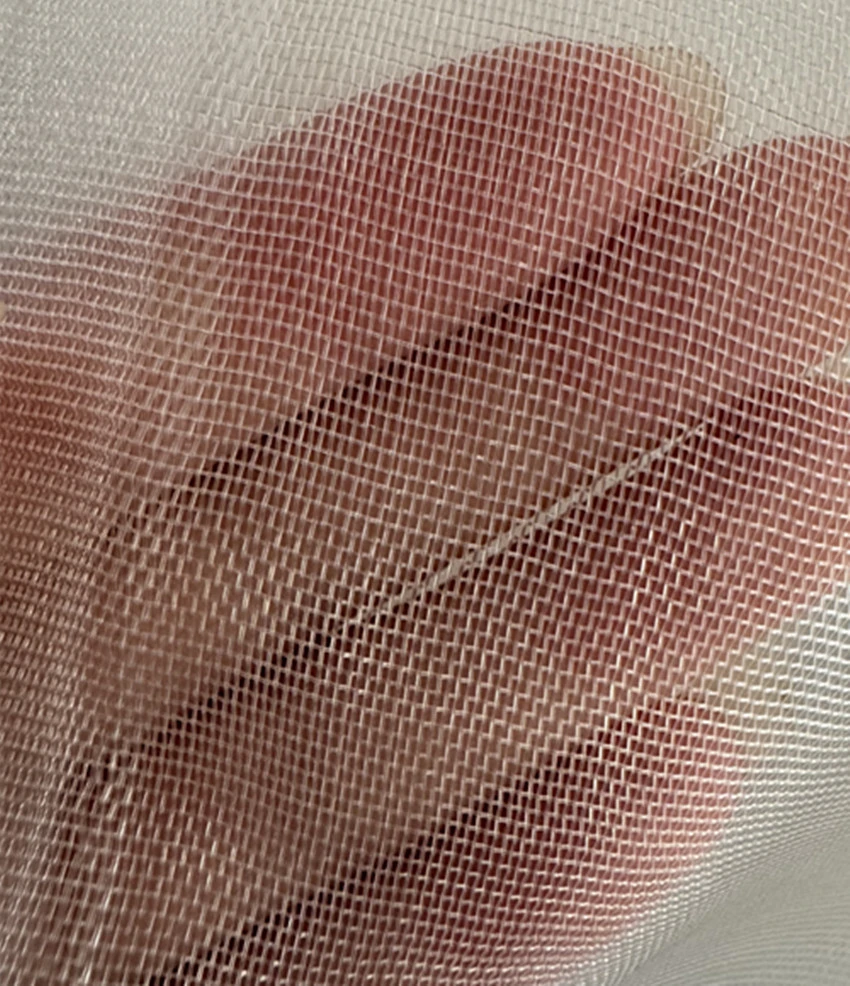
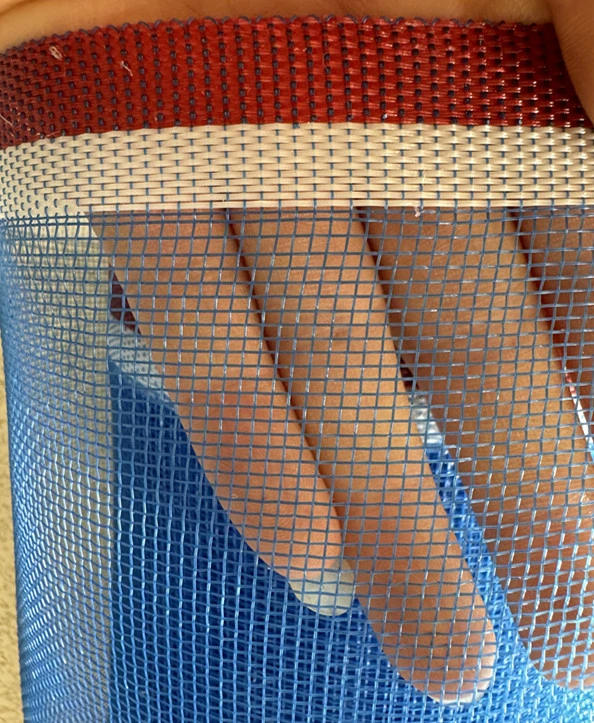
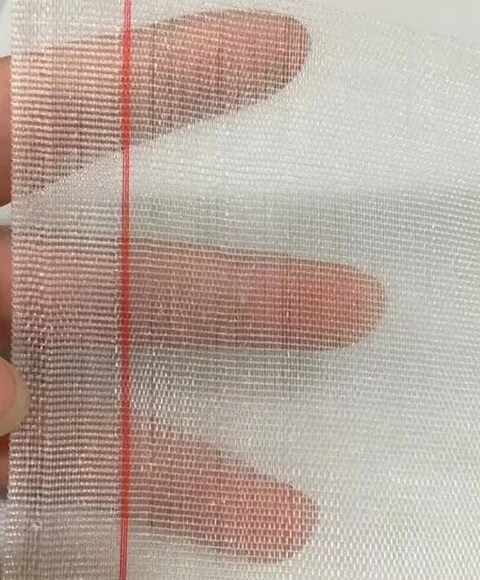
Several types of blueberry netting are available, each with its own advantages and disadvantages. Common options include polypropylene netting, polyethylene netting, and bird netting specifically designed for fruit protection. Polypropylene netting is known for its strength and durability, while polyethylene netting is often more affordable. Mesh size is also a crucial factor; smaller mesh sizes offer better protection against smaller birds, but can also be more expensive and difficult to install.
Netting Types and Characteristics:
• Polypropylene Netting: Strong, durable, UV-resistant.
• Polyethylene Netting: Affordable, lightweight, suitable for smaller areas.
• Bird Netting: Specifically designed with appropriate mesh size for fruit protection.
• Knitted Netting: Strong and resistant to runs, often used in commercial operations.
Netting to Protect Blueberries: A Comparison
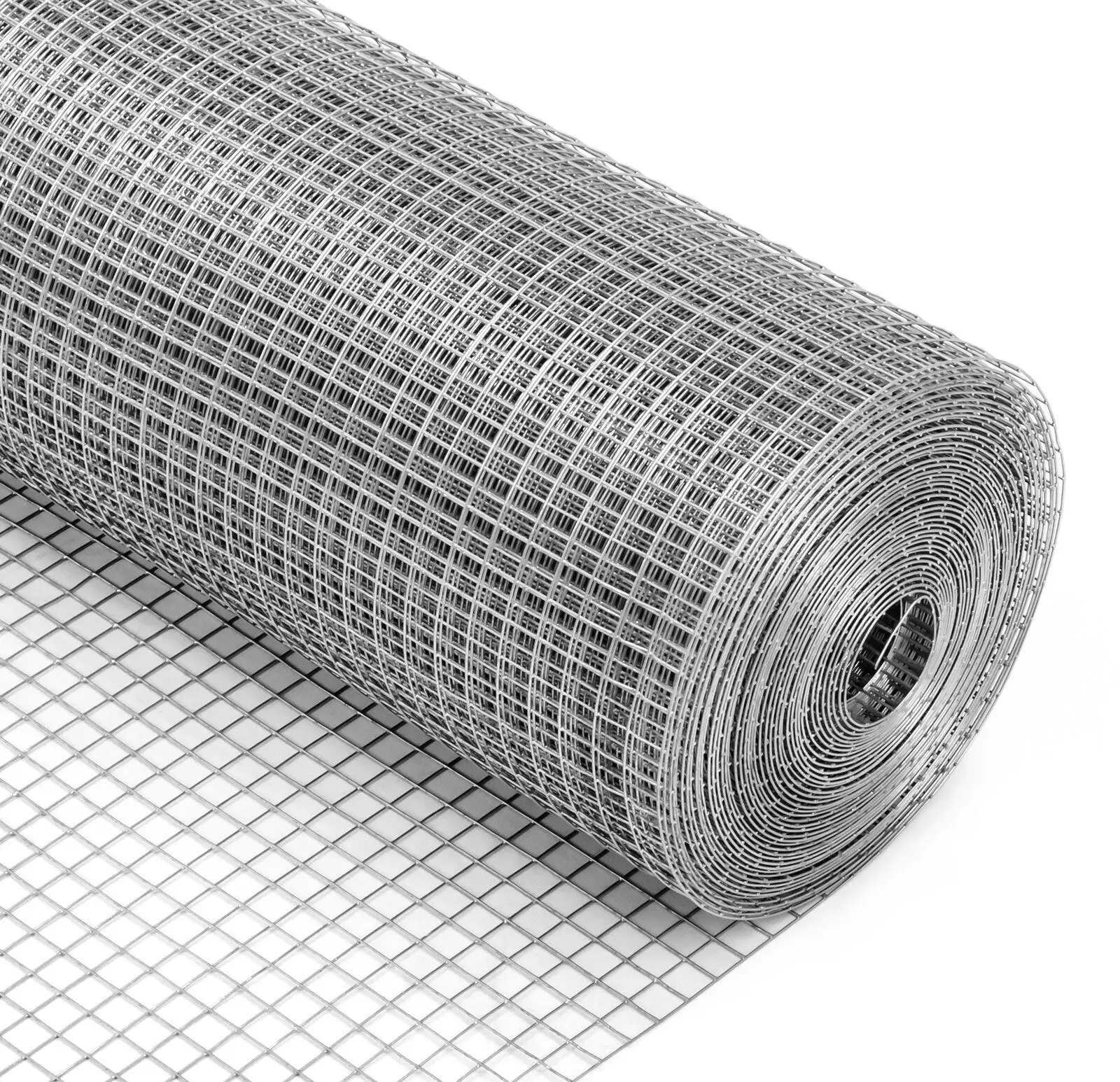
Choosing the right netting requires considering your specific needs and budget. Here's a comparison of common netting materials to help you make an informed decision. YJ Wiremesh offers a range of high-quality blueberry netting solutions to suit various applications.
Installation Tips for Blueberry Netting
Proper installation is essential for effective bird protection. Consider these tips: Secure the netting tightly around the perimeter of the blueberry bushes, leaving no gaps for birds to enter. Use stakes, posts, or existing structures to support the netting. Ensure the netting is draped loosely enough to prevent birds from getting tangled, but tight enough to prevent sagging. For larger areas, consider using multiple layers of netting for added protection.
Choosing the Right Netting from YJ Wiremesh
At YJ Wiremesh, we offer a comprehensive selection of netting to protect blueberries, tailored to meet diverse needs. Our products are made from high-quality materials, ensuring durability and long-lasting performance. We provide various mesh sizes and roll widths to accommodate different blueberry patch sizes and configurations. Our experienced team can also provide expert advice to help you choose the best netting solution for your specific requirements.
Conclusion: Protecting Your Blueberry Investment
Investing in quality netting to protect blueberries is a worthwhile investment that will safeguard your harvest and maximize your return. YJ Wiremesh provides durable, effective, and affordable solutions to protect your valuable blueberry crop. Don't let birds and weather ruin your hard work – choose YJ Wiremesh for peace of mind and a bountiful harvest.
Frequently Asked Questions (FAQs)
What mesh size is best for blueberry netting?
The ideal mesh size depends on the bird species common in your area. For most songbirds, a mesh size of ½ inch or smaller is effective. Larger birds may require a mesh size of ¼ inch. Smaller mesh sizes provide better protection but can be more expensive and slightly restrict airflow. Consider the trade-offs based on your specific needs and local bird populations.
How long does blueberry netting typically last?
The lifespan of blueberry netting varies depending on the material and exposure to sunlight. Polypropylene netting can last 5-10 years with proper care, while polyethylene netting may need to be replaced every 2-3 years. UV-stabilized netting will last longer. Regularly inspect the netting for tears or damage and replace it as needed to ensure continued protection.
Can blueberry netting be reused?
Yes, blueberry netting can be reused if it’s properly stored after each season. Remove the netting carefully, clean it gently to remove any debris, and store it in a dry, dark place to prevent UV degradation. Inspect the netting for any damage before reusing it, and repair any tears or holes to maintain its effectiveness.
Is netting harmful to birds or other wildlife?
When installed correctly, blueberry netting is generally not harmful to birds or other wildlife. However, it's important to ensure the netting is taut and doesn't have loose strands where birds could become entangled. Regularly inspect the netting and address any potential hazards promptly.
-
High Quality Anti Bird Agro Net for Professional Crop ProtectionNewsApr.16,2026
-
Guide to Bird Netting Cost Per Square Foot and Material OptionsNewsApr.09,2026
-
Comprehensive Guide to Bird Netting Cost Factors and Material ChoicesNewsApr.07,2026
-
Comprehensive Guide to Bird Net for Balcony Cost and Installation OptionsNewsApr.04,2026
-
Comprehensive Guide to Bird Netting Price and Effective Protection SolutionsNewsMar.31,2026
-
Comprehensive Guide to Nylon Bird Net Price Factors and OptionsNewsMar.28,2026