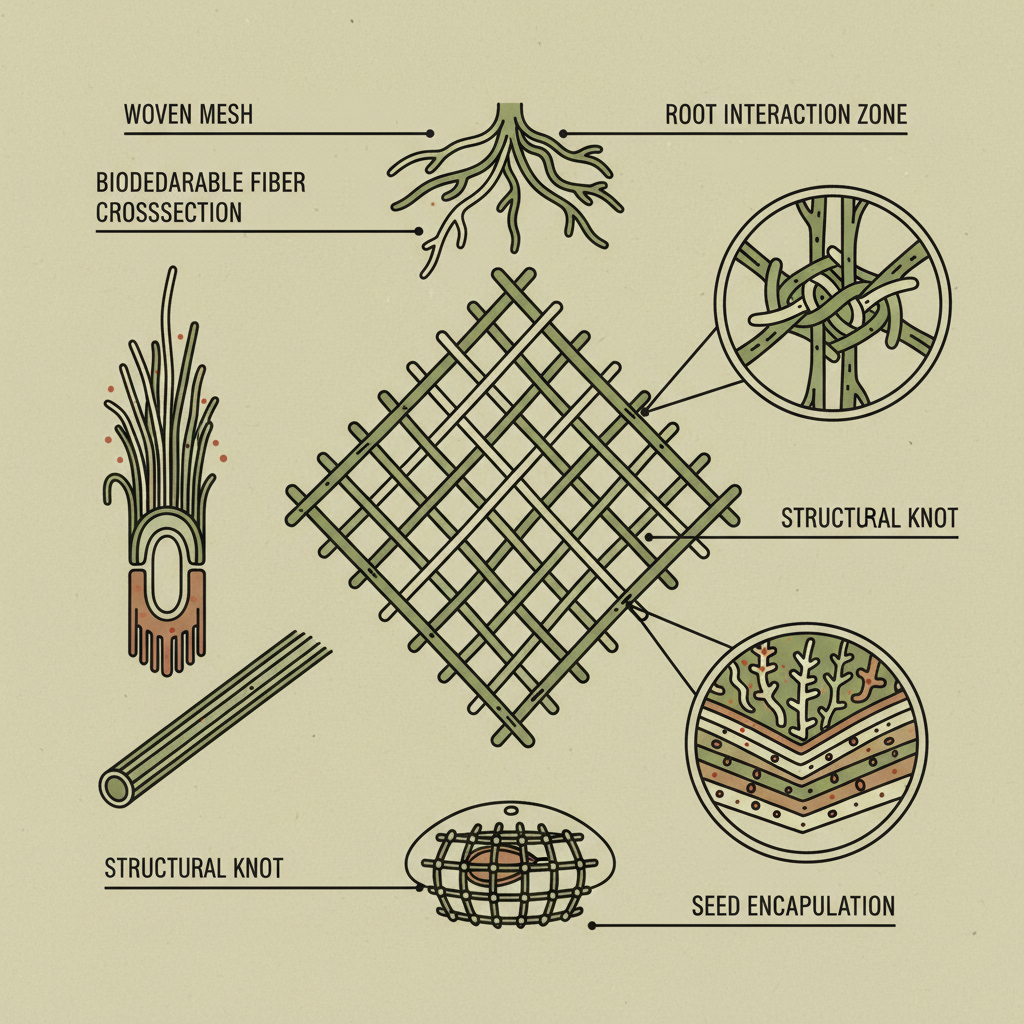
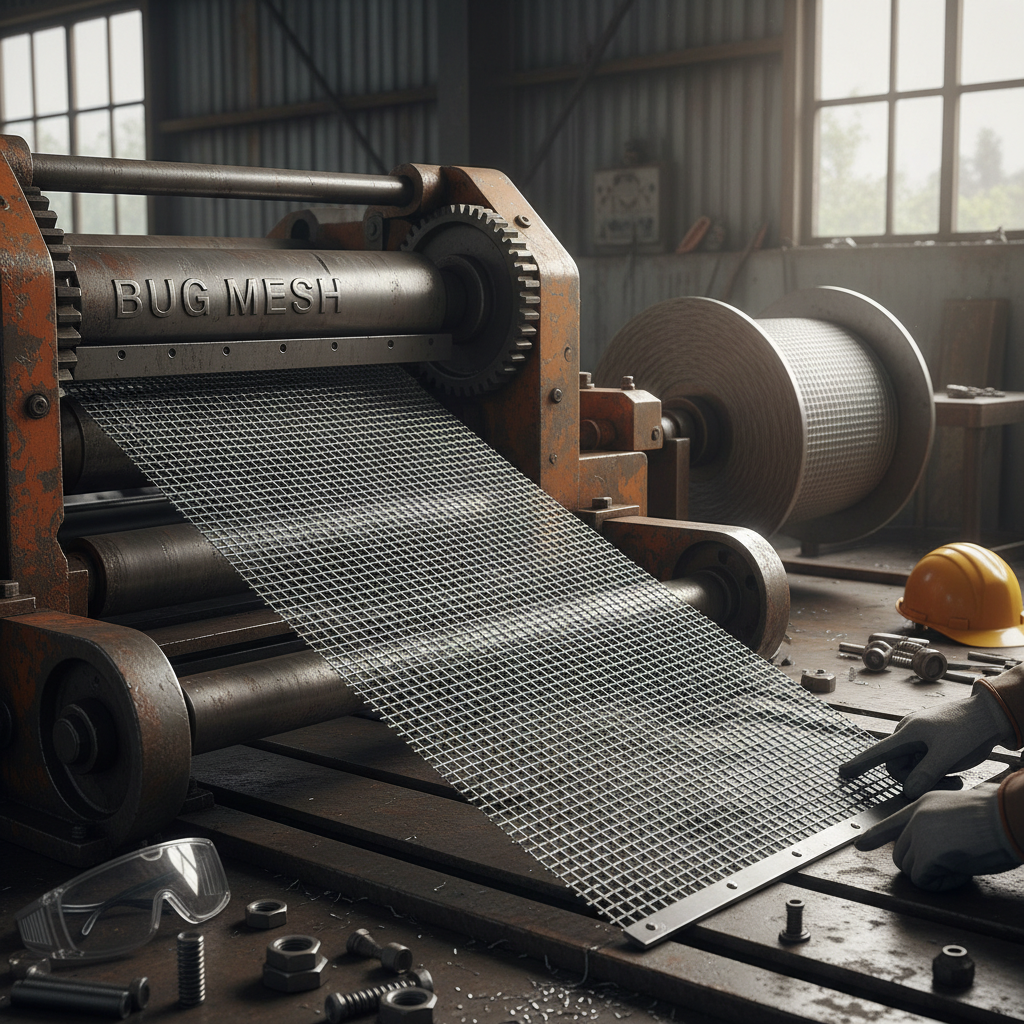
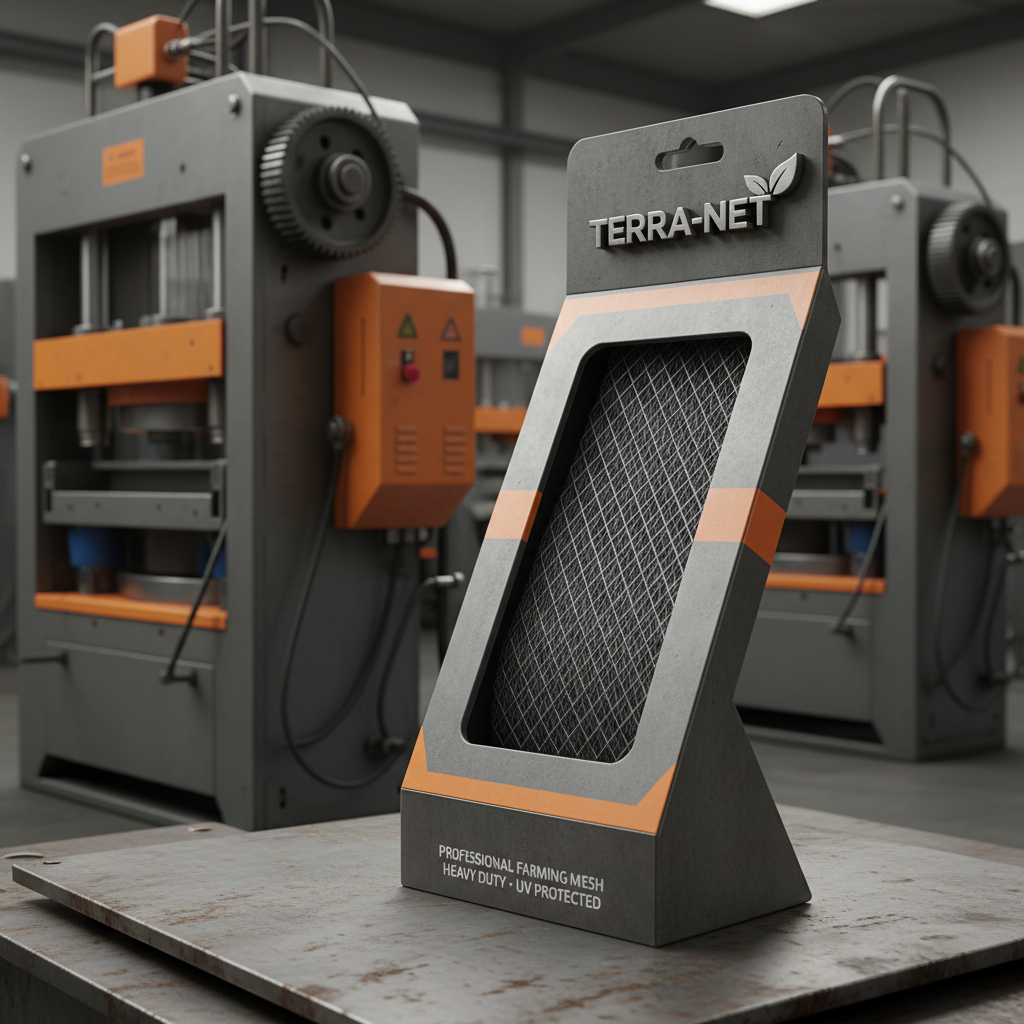
You know, been running around construction sites all year, smelling cement dust, and arguing with engineers... it's tiring work. But honestly, seeing things actually get built is something else. Lately, everyone's talking about prefabrication, modular construction. It’s not new, we’ve been seeing bits and pieces for years, but now it’s really gaining traction. And a big part of that? Reliable, strong, adaptable agricultural netting. Sounds simple, right? But believe me, there's a lot more to it than just a roll of plastic mesh.
It's funny, you think about netting and picture keeping birds off crops. And yeah, it does that. But the applications are… well, expanding. From reinforcing concrete to erosion control, temporary fencing to creating lightweight structural elements. I even saw a guy using it to create a temporary dust barrier around a renovation site. Clever, I thought. We used to just soak burlap, which, let's be honest, smells terrible when it gets wet.
What's really driving this, though, is the need for speed and efficiency. Projects are getting tighter deadlines, labor costs are going up, and everyone's looking for ways to streamline things. And that’s where agricultural netting—good quality agricultural netting—comes in. It’s not a magic bullet, obviously, but it can shave days off a schedule if used correctly.
The Rising Tide of Prefabrication and Netting's Role
Prefabrication is huge now. Everyone's trying to move work off-site, into controlled environments. It's just…smarter. But that means you're shipping things that need to be strong enough to survive transport and installation. Agricultural netting, when integrated into composite materials or used for reinforcement, adds a surprising amount of structural integrity. We started noticing it a few years back with precast concrete panels.
To be honest, it wasn't the first thing I thought of for structural support. I was picturing steel rebar, you know? But they showed me the tests, and it held up. And it's lighter. Lighter means cheaper transport, easier handling. That’s a big deal.
Design Pitfalls: Don't Underestimate the Tension
Have you noticed how engineers sometimes…overthink things? They’ll get caught up in calculations and forget about the real world. A common mistake I’ve seen is underestimating the tension forces on netting used for wrapping or securing loads. They'll spec a netting with a certain breaking strength, but they won’t factor in the dynamic stresses caused by wind, shifting loads, or just plain rough handling. It’s always, always better to over-engineer that aspect. Trust me.
Another thing? Edge protection. If the netting isn't properly secured at the edges, it’ll start to fray, and then…well, it's not holding anything anymore. Seems obvious, right? You’d be surprised.
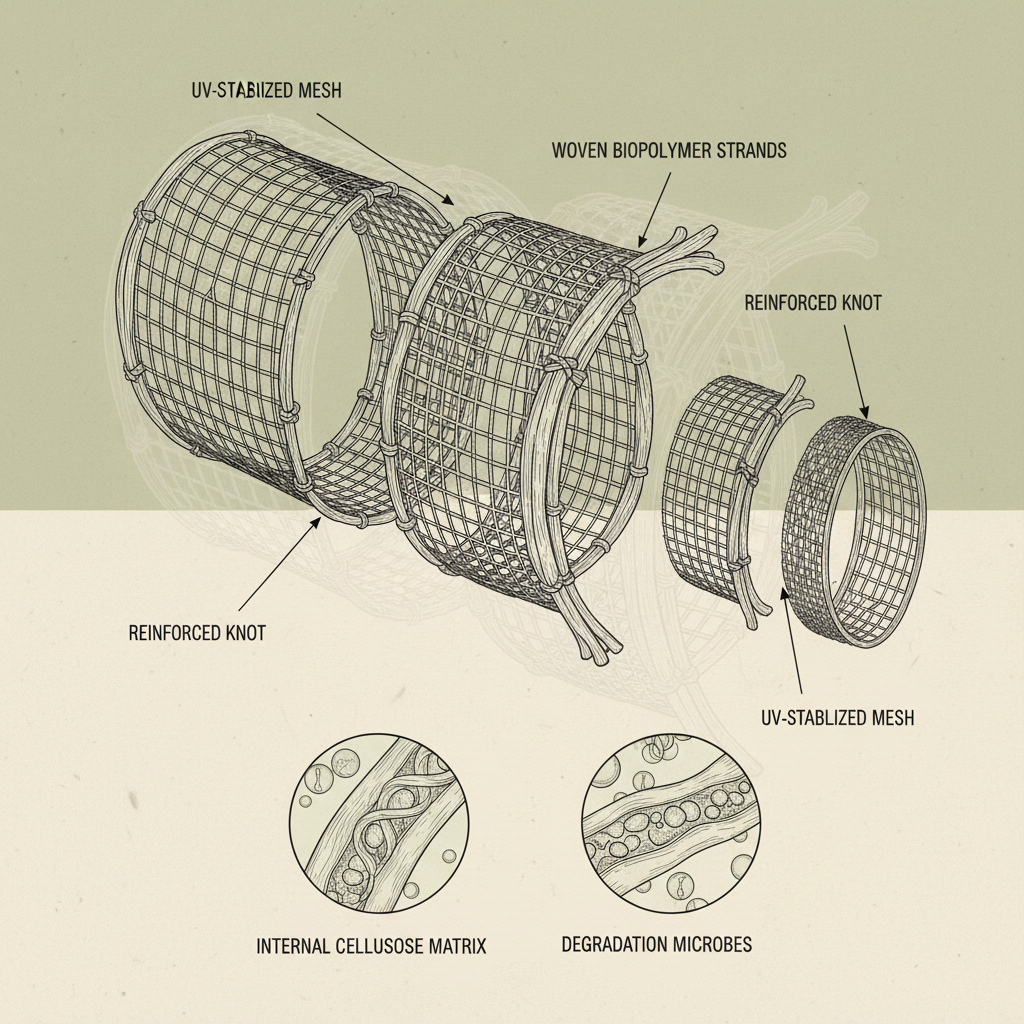
And don’t even get me started on UV degradation. If it’s going to be exposed to sunlight for extended periods, you need UV-stabilized netting. Otherwise, it'll get brittle and fall apart. I encountered this at a solar farm installation last time; a whole section of netting had to be replaced because they skimped on the UV protection. Expensive mistake.
Material Matters: Beyond Just “Plastic Mesh”
People say “plastic mesh” like it's all the same. It’s not. There’s HDPE, polypropylene, polyester… each has different properties. HDPE smells kinda… waxy, if you get close. It's tough, resists chemicals well, but isn't as strong as some others. Polypropylene is lighter, cheaper, but not as durable. Polyester? That’s your high-strength stuff, but it’s also the most expensive.
The weave is important too. A tighter weave generally means higher strength, but it also reduces permeability. Think about what you need it for. If you need something that drains water, a looser weave is better. It’s a balancing act. Strangely enough, sometimes the cheap stuff does the job just fine. It all depends on the application.
And then there’s the denier—that’s the yarn thickness. Higher denier means stronger yarn. You can actually feel the difference. A high-denier netting will feel much more substantial in your hand. It’s not a scientific measurement, but it’s a good starting point.
Real-World Testing: Drop it, Stretch it, Soak it
Lab tests are fine, I guess. But I trust a good old-fashioned stress test in the field. We’ve taken rolls of netting and just…abused them. Dropped them from heights, stretched them to their breaking point, soaked them in water, even buried them in the ground to see how they hold up to soil corrosion.
One test we do a lot is the “lift test”. We’ll attach the netting to a crane and gradually increase the load until it fails. It’s a bit dramatic, but it gives you a good sense of its real-world capacity. Anyway, I think that's way more reliable than some fancy computer simulation.
Load Capacity Comparison (agricultural netting Types)
How It’s Actually Used: Surprises on Site
I’ve seen people use agricultural netting in ways I never would have imagined. Like, wrapping entire sections of pre-fabricated walls to protect them during transport. Or creating temporary walkways over muddy construction sites. It's amazingly versatile.
What’s surprising is how often it’s used for improvisation. Workers are resourceful people. They'll find a need and figure out a way to meet it, even if it means using something in a way it wasn’t originally intended.
The Good, The Bad, and the Customizable
The advantages are clear: lightweight, strong, relatively cheap, and easy to work with. But it's not perfect. It can be tricky to cut cleanly without it unraveling. It's not the most aesthetically pleasing material. And sometimes, finding the right gauge and weave can be a pain.
But it is customizable. Last month, that small boss in Shenzhen who makes smart home devices insisted on changing the interface to , and the result was we had to source netting with specific mesh sizes to accommodate the new port layout in their housing. They wanted a specific color too – a dark grey to match their branding. It cost a bit more, but they were willing to pay for it. It’s not always about the cheapest option; sometimes it’s about getting exactly what you need.
You can get it coated with fire retardants, UV stabilizers, anti-static agents… the possibilities are pretty vast.
A Concrete Example: Load Bearing Capacity Comparison
So, let's talk specifics. How much weight can this stuff actually hold when it’s used to reinforce concrete? It depends, obviously, on a whole bunch of factors. But here’s a rough comparison.
It’s important to remember that these are just guidelines. Actual performance will vary depending on the specific materials used and the quality of the workmanship.
The biggest thing I’ve learned after all these years is that data sheets are nice, but real-world performance is what matters.
Key Performance Indicators for Reinforced Concrete using agricultural netting
| Netting Type |
Mesh Size (mm) |
Tensile Strength (kN/m) |
Crack Resistance (Rating 1-10) |
| Type A (HDPE) |
10x10 |
15 |
6 |
| Type B (Polypropylene) |
8x8 |
12 |
5 |
| Type C (Polyester) |
6x6 |
25 |
8 |
| Type D (HDPE - UV Stabilized) |
12x12 |
18 |
7 |
| Type E (Polypropylene - Coated) |
10x10 |
10 |
4 |
| Type F (Polyester - High Tenacity) |
5x5 |
30 |
9 |
FAQS
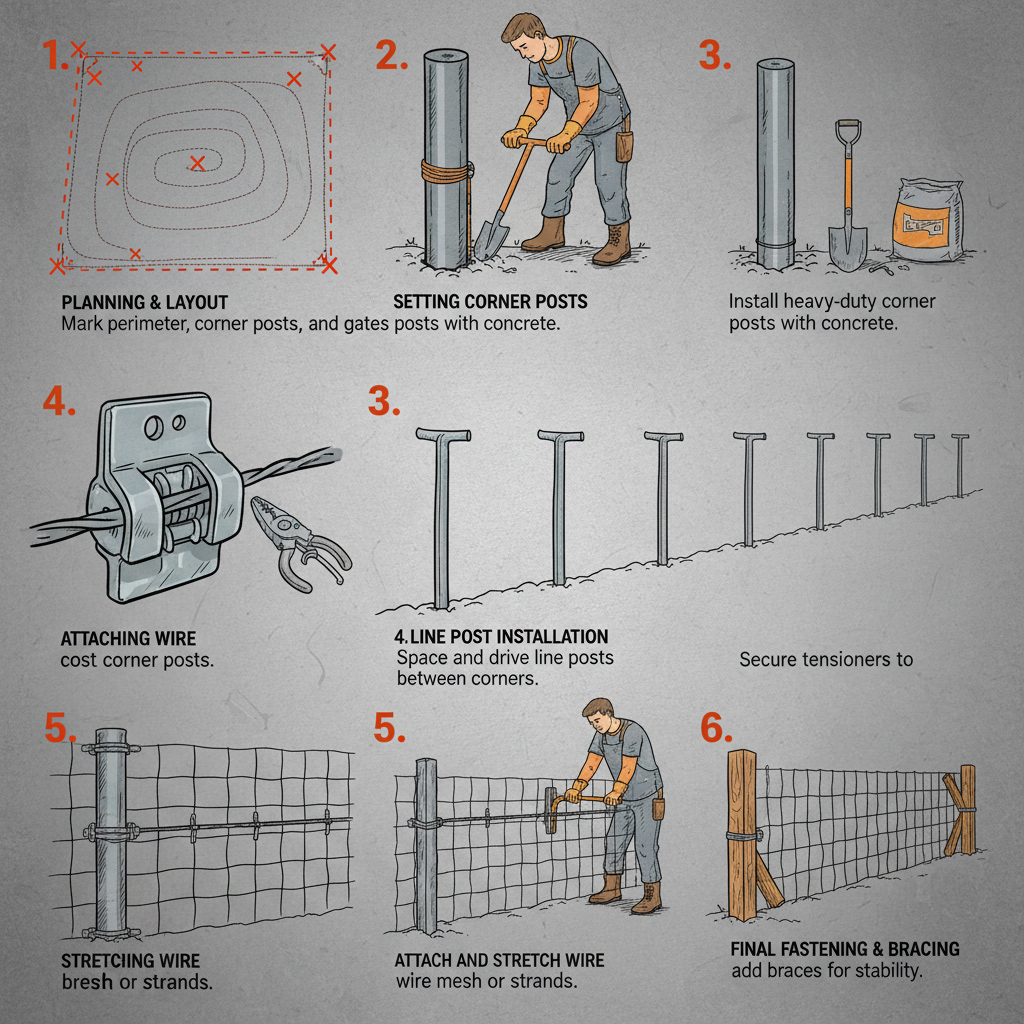
For perimeter security, you really want something with a tensile strength of at least 20kN/m. But remember, that’s just the breaking point. You need to factor in a safety margin for wind load and potential impact. I always recommend going with something rated for at least twice the expected load. Don’t skimp on this—a failed perimeter is a liability.
UV degradation is a killer. Polypropylene breaks down relatively quickly, maybe six months to a year of direct sunlight before it gets brittle. HDPE is better, maybe two to three years. Polyester, especially if it’s UV-stabilized, can last five years or more. The problem is, a lot of suppliers don’t accurately specify the UV resistance rating. Get a sample and leave it out in the sun for a few weeks to see what happens.
Small tears can sometimes be patched with heavy-duty tape or a specialized netting repair kit, but it’s rarely a permanent fix. For anything significant, replacement is the way to go. Trying to repair it can compromise the overall integrity of the netting, and you risk a catastrophic failure. It’s just not worth the risk.
Most agricultural netting is highly flammable, so you need to be careful about where you use it. If it’s going to be near a potential ignition source, you should use fire-retardant netting. And make sure it complies with local fire safety regulations. I've seen projects shut down because they didn’t bother to check the fire rating.
Recycling agricultural netting is…complicated. It depends on the type of plastic and whether your local recycling facilities can handle it. HDPE and polypropylene are more easily recyclable than polyester. But often, it ends up in landfill. We are seeing more companies offer take-back programs, which is a good sign.
Keep it dry, out of direct sunlight, and ideally, in a cool, well-ventilated area. Don't just leave it piled up in a heap. That can cause it to wrinkle and lose some of its strength. Storing it on a pallet or hanging it up is a better option. And for God's sake, keep it away from sharp objects!
Conclusion
So, agricultural netting. It’s not glamorous, but it’s a surprisingly versatile and important material in modern construction. From reinforcing concrete to securing perimeters, it plays a vital role in keeping projects on schedule and within budget. Don't underestimate its potential, and always remember to choose the right type of netting for the job.
Ultimately, whether this thing works or not, the worker will know the moment he tightens the screw. That’s the truth of it. And if he’s cursing under his breath, you know you’ve got the wrong netting. Check out agricultural netting for all your needs.