Effective Netting to Protect Blueberry Bushes for a Bountiful Harvest
Protecting Your Blueberry Harvest: A Guide to Netting to Protect Blueberry Bushes
Blueberry bushes are a delightful addition to any garden, but they're vulnerable to birds who love a juicy berry as much as we do. Protecting your investment and ensuring a bountiful harvest requires proactive measures. Netting to protect blueberry bushes is a highly effective and commonly used solution. This article will explore the benefits, types, installation, and maintenance of blueberry netting, helping you safeguard your crop. Proper netting protects against bird damage, pest intrusion, and even some weather-related issues, maximizing your blueberry yield.
Why Use Netting to Protect Blueberry Bushes?
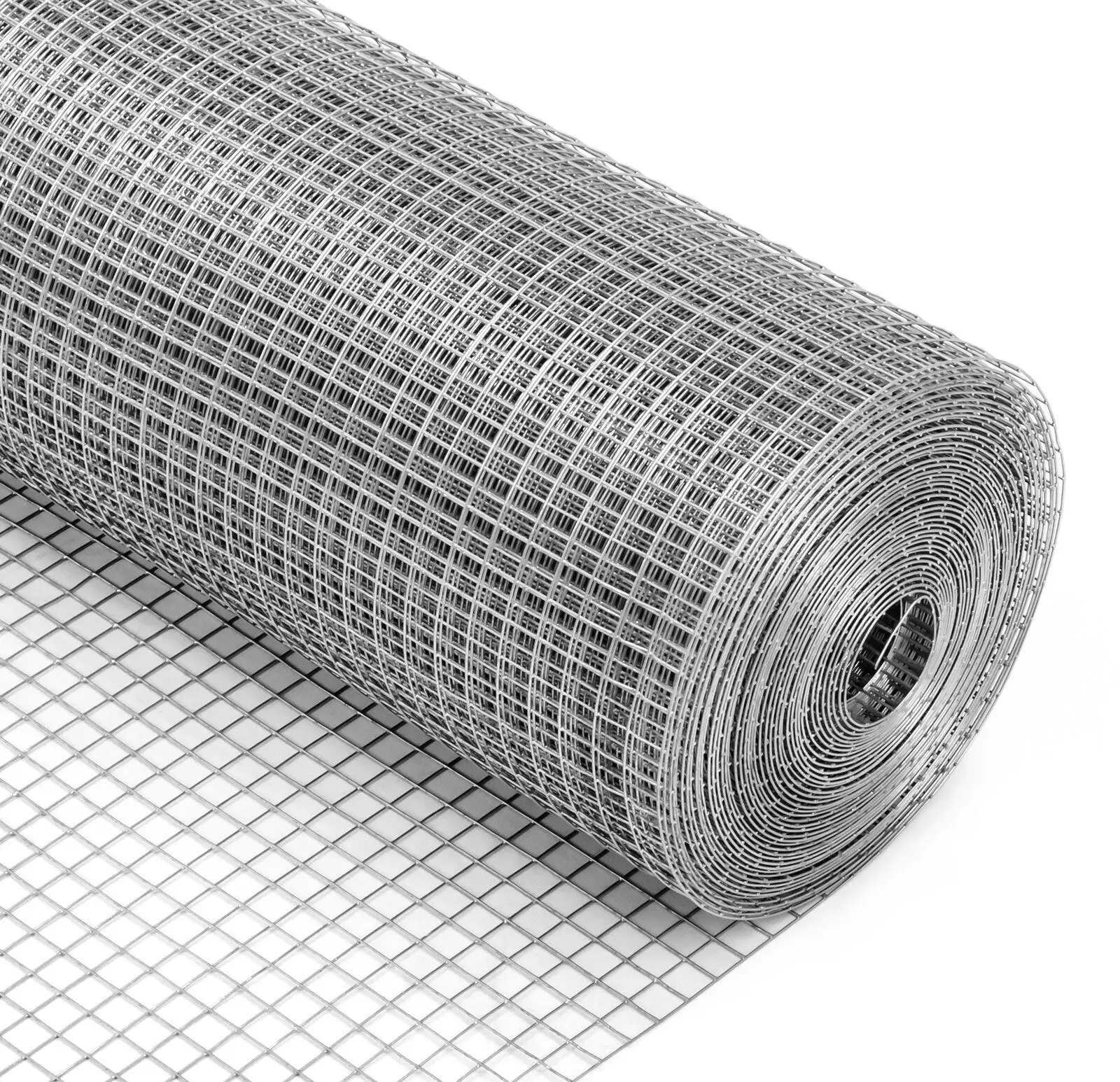
The primary reason for using netting is to prevent birds from feasting on your blueberries. Birds can quickly decimate a crop, leaving you with minimal yield. Beyond birds, netting can also offer protection against larger pests like squirrels and deer. Furthermore, it can offer a degree of protection against hail or strong winds, shielding the delicate berries. Investing in netting is a small price to pay for a significant increase in your harvest, and it’s a non-toxic solution compared to potentially harmful deterrents. YJ Wiremesh offers a range of netting solutions designed specifically for agricultural protection.
Key Benefits: Protection from birds, squirrels, and deer. Shielding from hail and strong winds. Increased blueberry yield. A non-toxic, environmentally friendly solution.
Types of Netting for Blueberry Protection
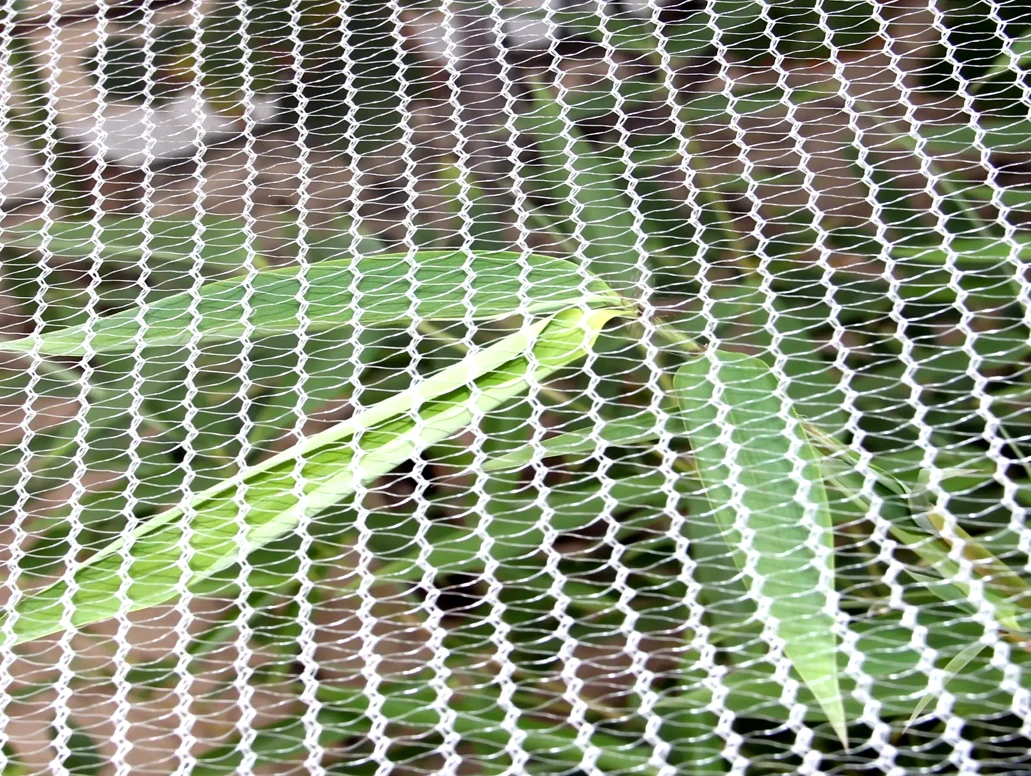
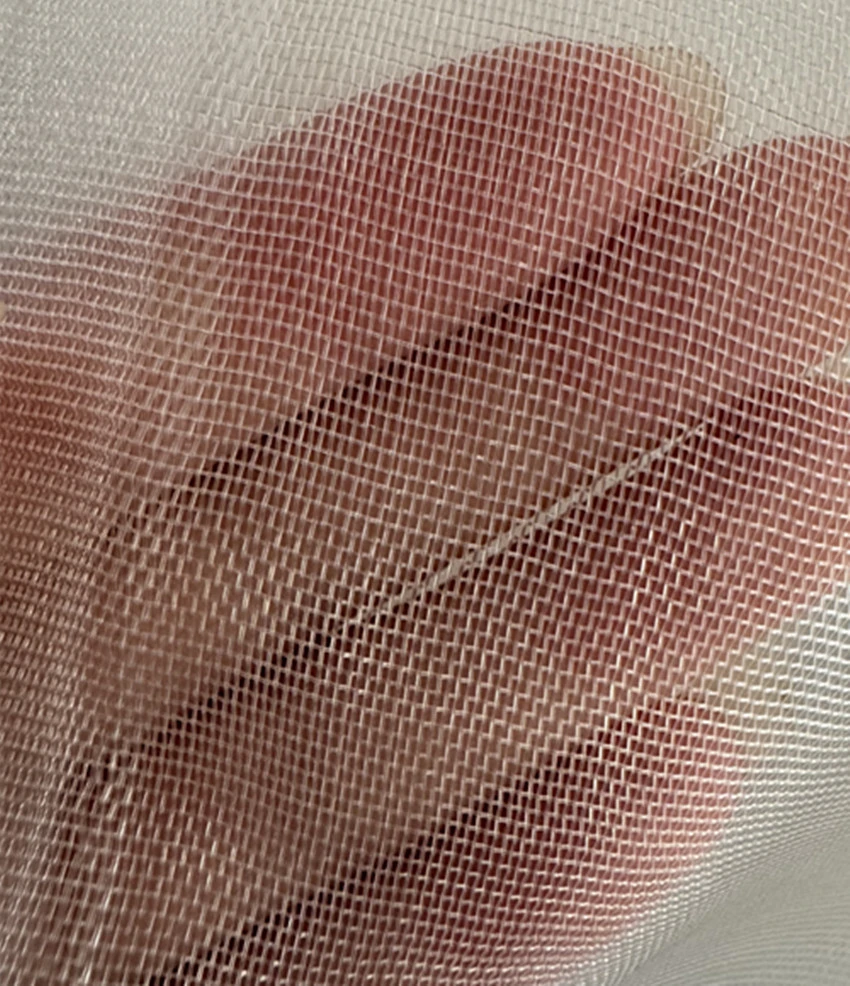
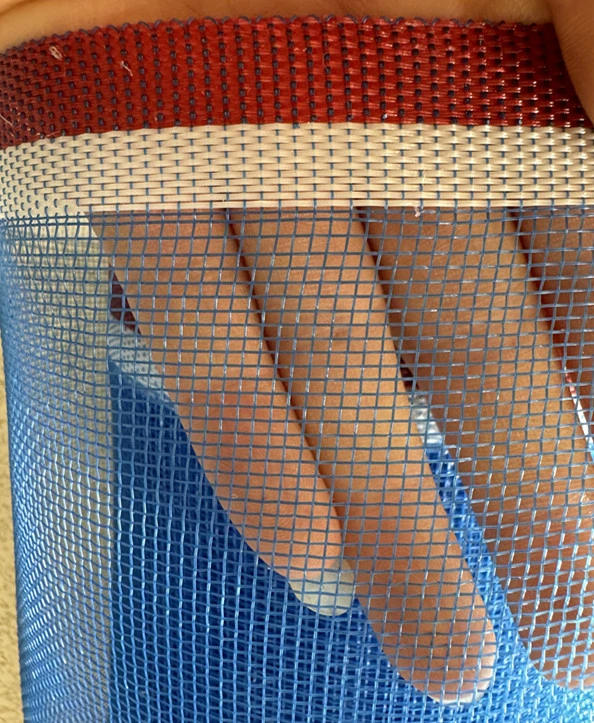
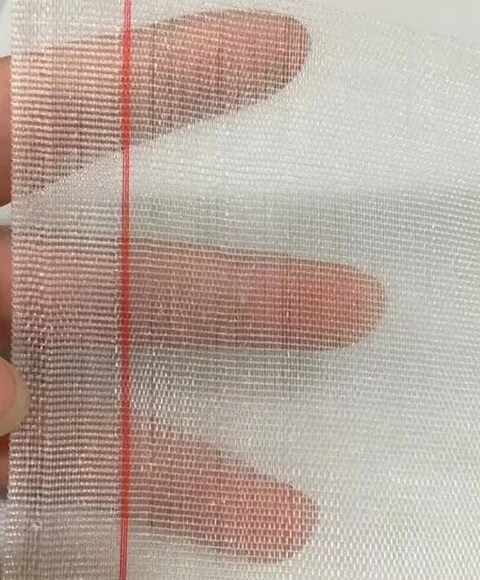
Several types of netting are available, each with its own advantages and disadvantages. Common options include polyethylene netting, polypropylene netting, and nylon netting. Polyethylene netting is affordable and lightweight, but less durable. Polypropylene is more durable and resistant to UV degradation. Nylon is the strongest and most durable, but also the most expensive. Mesh size is also important; smaller mesh sizes provide better protection against smaller birds, but can be more difficult to work with. The optimal choice depends on your budget, the level of bird pressure in your area, and the size of your blueberry patch.
Netting Comparison:
• Polyethylene: Affordable, lightweight, less durable.
• Polypropylene: Durable, UV resistant, mid-range price.
• Nylon: Strongest, most durable, highest price.
Installation Methods for Blueberry Netting
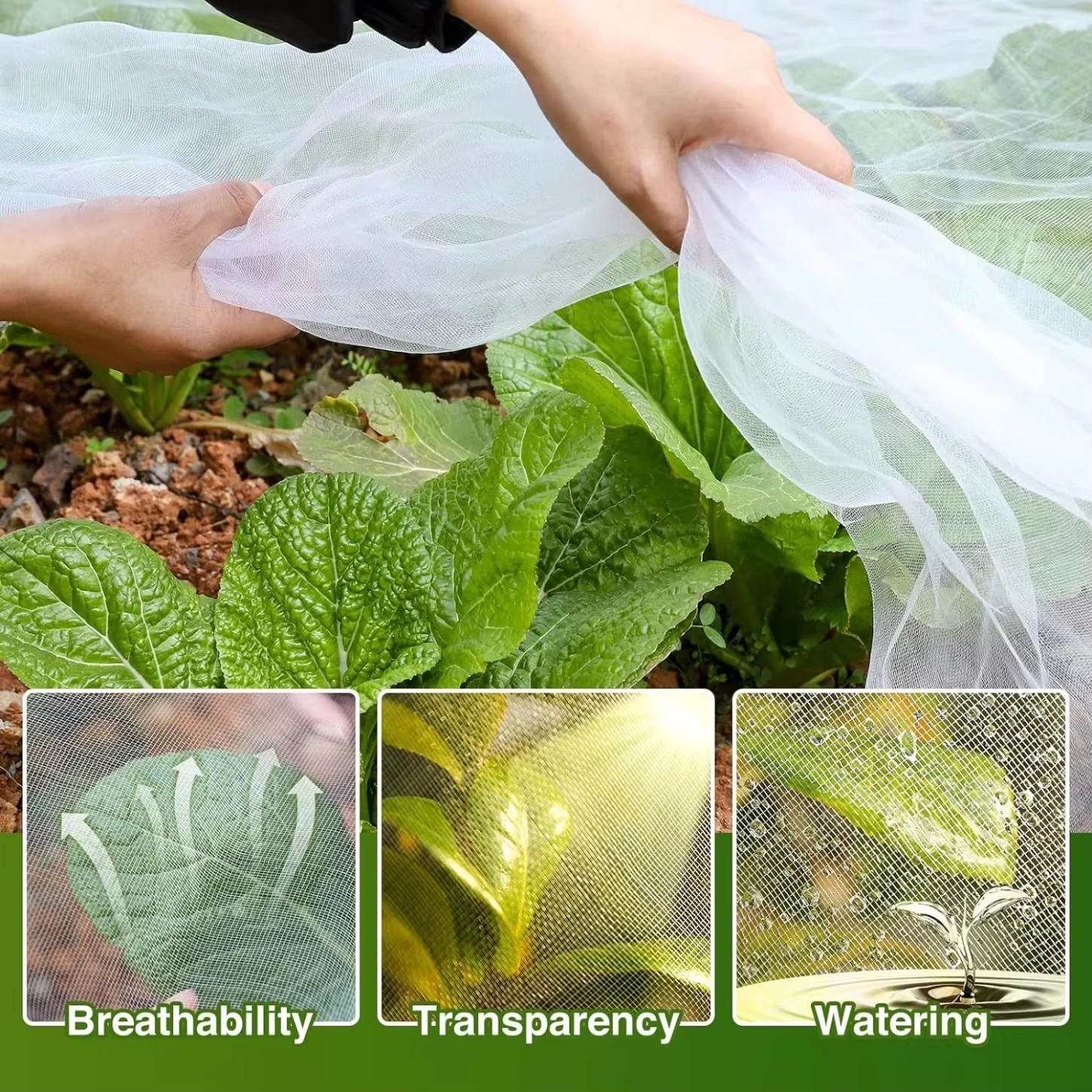
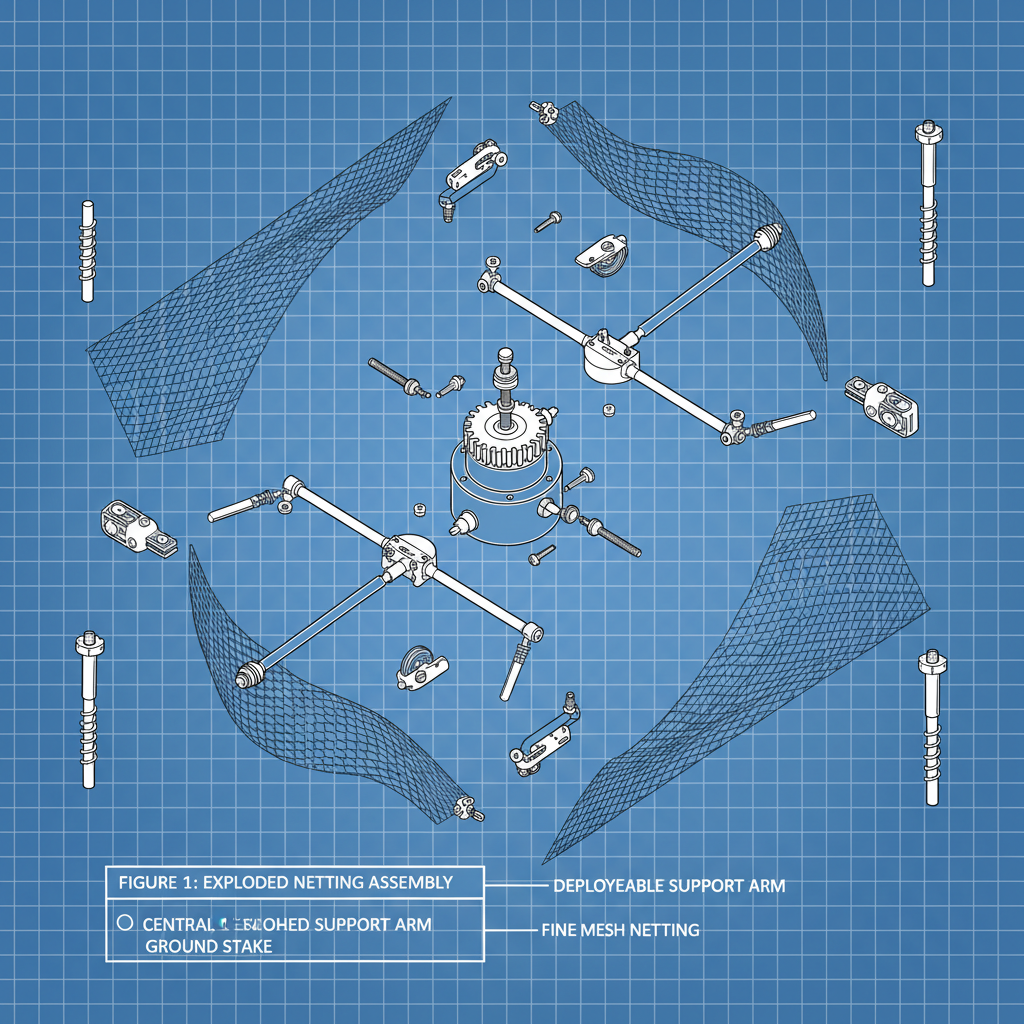
Installing netting can be done in several ways, depending on the size of your blueberry bushes and your preference. For smaller bushes, you can simply drape the netting directly over the plants, securing the edges with stakes or rocks. For larger bushes, or rows of bushes, you can create a frame using wooden posts or PVC pipes, and then drape the netting over the frame. Ensuring the netting is securely fastened to the frame, and that there are no gaps where birds can enter, is crucial. Proper installation is as important as choosing the right netting!
Maintaining Your Blueberry Netting
Regular maintenance will prolong the life of your netting and ensure its effectiveness. Inspect the netting frequently for tears or holes and repair them promptly. Remove any fallen leaves or debris that accumulate on the netting, as this can add weight and potentially damage the netting. At the end of the season, remove the netting and store it in a dry, protected location. YJ Wiremesh provides high-quality netting designed for longevity and ease of maintenance.
Choosing the Right Netting: Specifications and Considerations
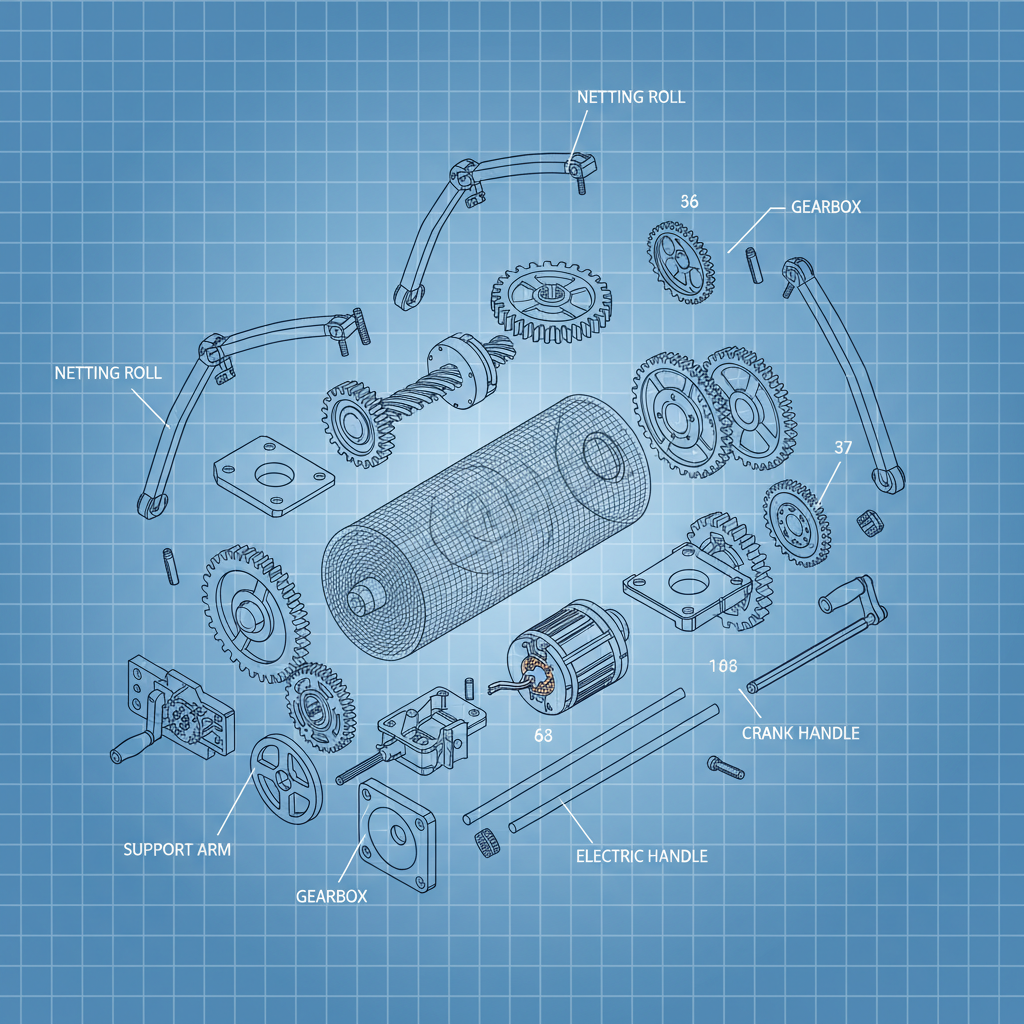
When selecting netting, consider these key specifications. Mesh size should be appropriate for the bird species in your area (typically 1/2 inch or smaller for blueberries). Netting strength (measured in denier) indicates durability – higher denier means stronger netting. UV resistance is crucial to prevent degradation from sunlight. Width and length should be sufficient to cover your bushes with some overlap.
Conclusion: Protecting Your Blueberry Investment
Using netting to protect blueberry bushes is a simple yet highly effective way to ensure a bountiful harvest. By understanding the different types of netting, installation methods, and maintenance requirements, you can safeguard your investment and enjoy delicious, homegrown blueberries for years to come. Don’t let birds steal your reward – invest in quality netting today!
Frequently Asked Questions (FAQs)
How often should I inspect my blueberry netting?
Regular inspection is crucial. We recommend checking your netting at least once a week during the growing season, and more frequently if you experience heavy winds or storms. Look for tears, holes, or areas where the netting has become detached from its supports. Addressing these issues promptly will prevent birds from gaining access to your berries. Pay particular attention to areas where branches rub against the netting.
Can I reuse blueberry netting year after year?
Yes, most blueberry netting can be reused for several years, provided it is properly stored during the off-season. Remove the netting carefully, clean off any debris, and store it in a dry, protected location away from direct sunlight and pests. Inspect the netting thoroughly before reusing it, and repair any damage. Over time, UV exposure will degrade the netting, so eventually, it will need to be replaced.
What is the best way to secure netting to wooden posts?
Use sturdy zip ties or netting clips specifically designed for attaching netting to posts. Space the ties/clips approximately every 12-18 inches along the post. Ensure the netting is taut and securely fastened to prevent birds from getting underneath. Avoid using staples or nails, as these can damage the netting and create weak points. Alternatively, you can weave the netting through holes drilled in the posts.
-
High Quality Anti Bird Agro Net for Professional Crop ProtectionNewsApr.16,2026
-
Guide to Bird Netting Cost Per Square Foot and Material OptionsNewsApr.09,2026
-
Comprehensive Guide to Bird Netting Cost Factors and Material ChoicesNewsApr.07,2026
-
Comprehensive Guide to Bird Net for Balcony Cost and Installation OptionsNewsApr.04,2026
-
Comprehensive Guide to Bird Netting Price and Effective Protection SolutionsNewsMar.31,2026
-
Comprehensive Guide to Nylon Bird Net Price Factors and OptionsNewsMar.28,2026