Effective Squirrel Proof Netting for Garden Protection and Harvest Preservation
Squirrel Proof Netting for Garden: A Comprehensive Guide
Protecting your garden from pesky squirrels can be a constant battle. They can decimate fruits, vegetables, and even damage plants. Fortunately, squirrel proof netting for garden offers a humane and effective solution. This article will cover everything you need to know about choosing, installing, and maintaining netting to safeguard your garden harvest. From understanding different netting materials to installation tips, we'll help you keep those furry critters at bay.
Understanding Squirrel Behavior and Garden Damage
Squirrels are intelligent and resourceful creatures. They’re motivated by finding food, and gardens are a prime target, especially during harvest season. They are capable of jumping significant distances and gnawing through many materials. Common signs of squirrel damage include missing fruits and vegetables, partially eaten produce, dug-up bulbs, and damaged plant stems. Understanding their behavior helps you choose the most effective netting solution. They often target fruits like strawberries, tomatoes, and peaches, as well as nuts and seeds. A proactive approach, like installing garden netting, is crucial for preserving your garden's bounty.
Key Takeaway: Squirrels are persistent pests, and prevention is the best defense. Early intervention with netting can save your garden from significant damage.
Types of Squirrel Proof Netting for Garden
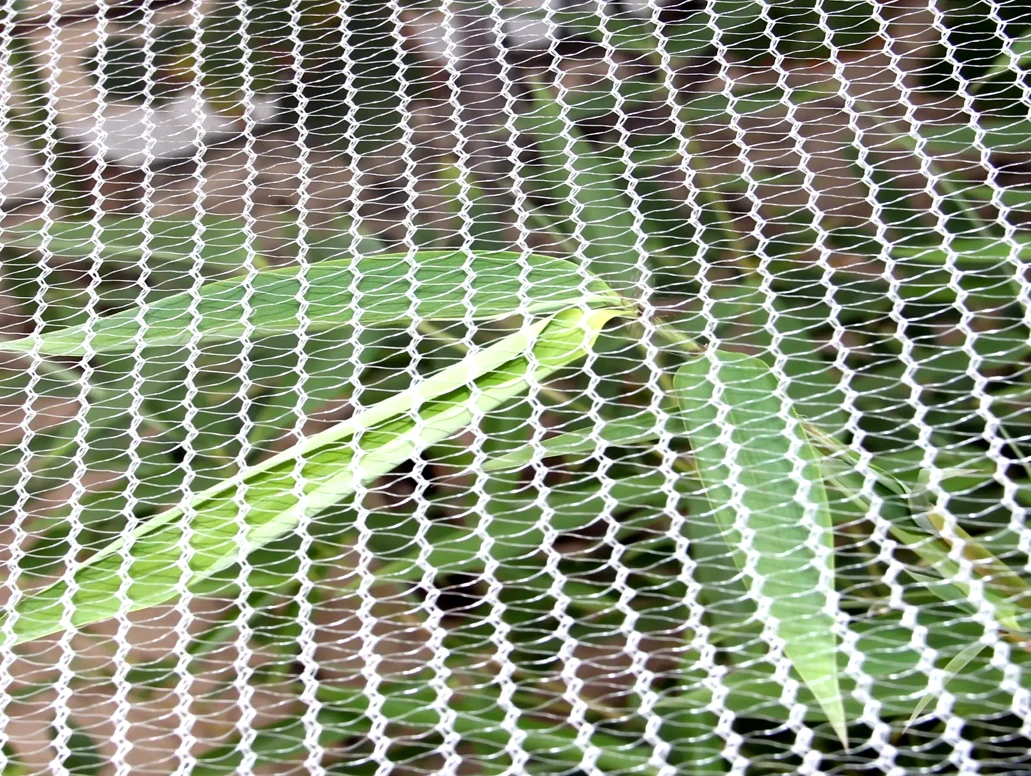
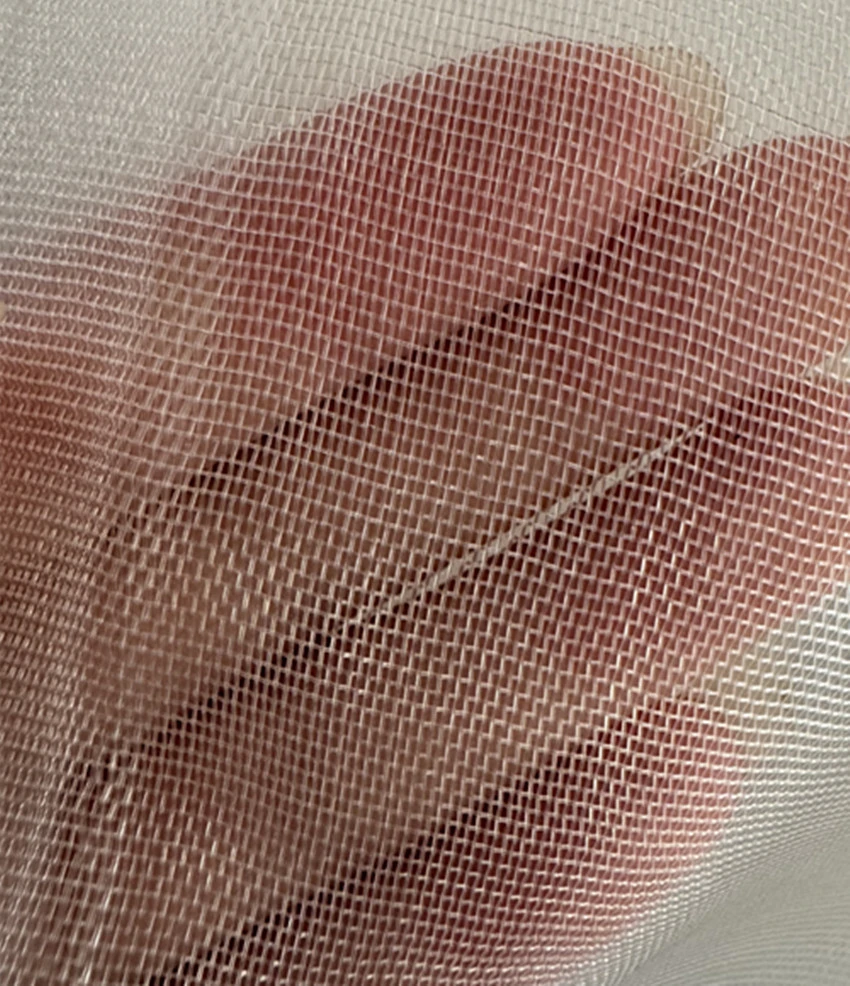
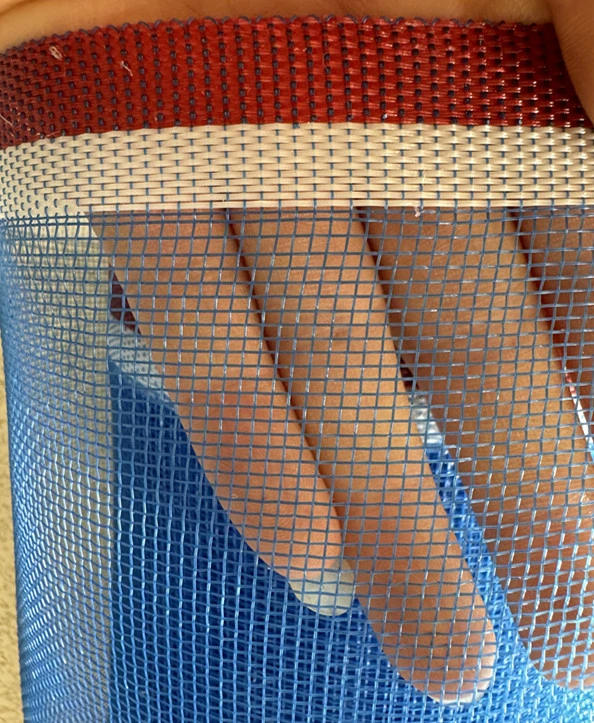
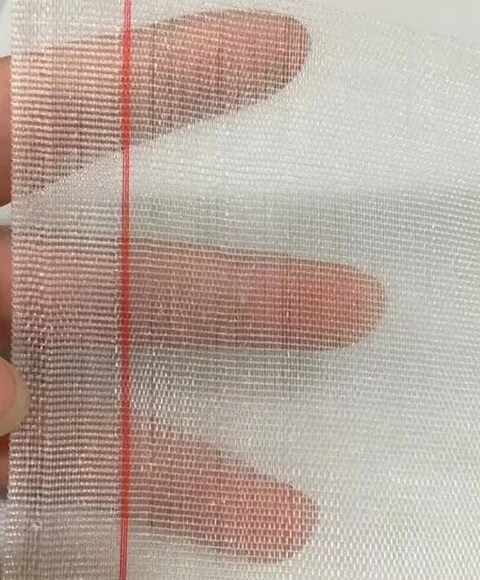
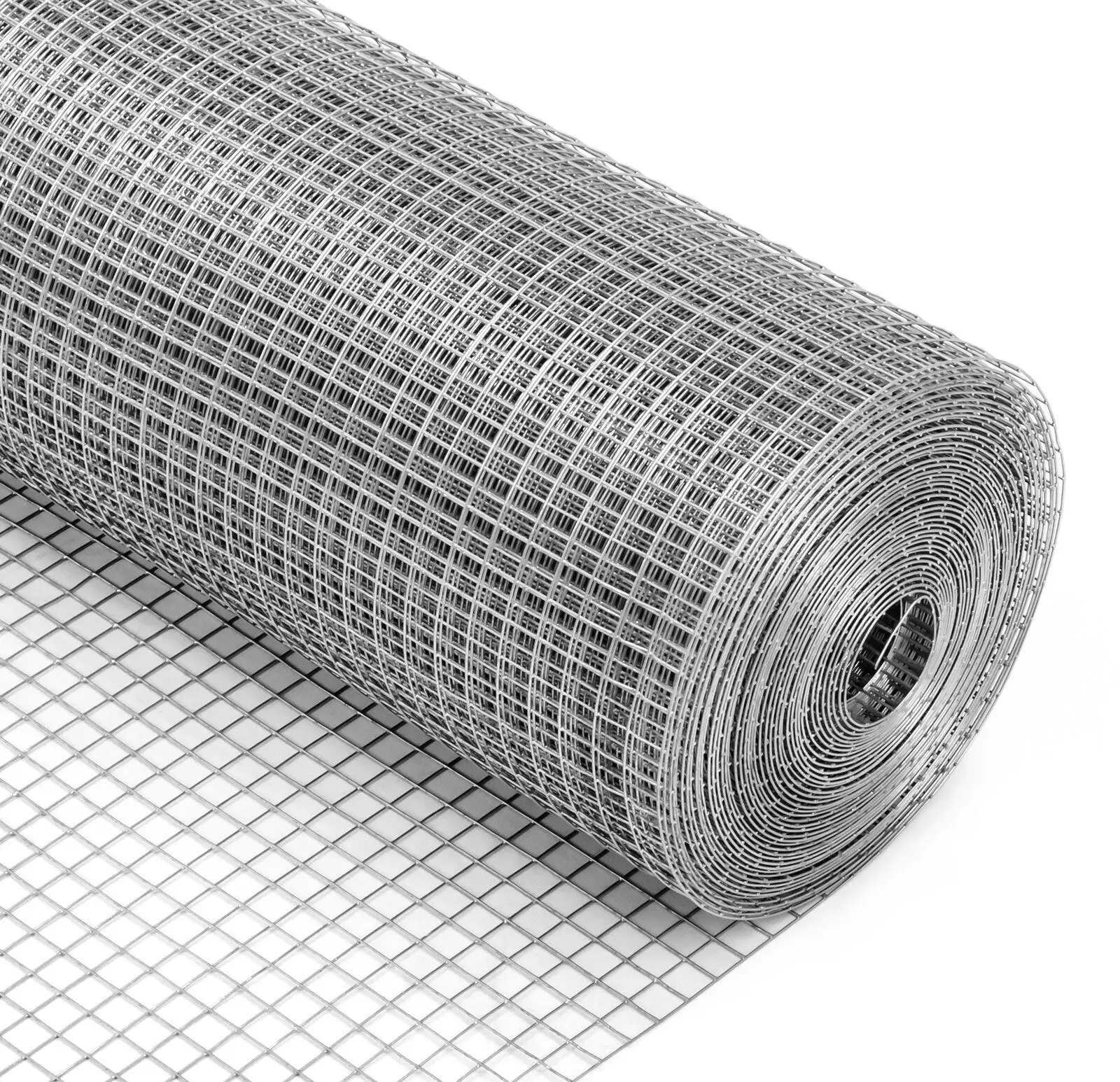
Several types of netting are available, each with its own pros and cons. Common materials include polyethylene (PE), polypropylene (PP), and nylon. PE netting is lightweight and affordable, but less durable. PP netting is stronger and more resistant to UV degradation. Nylon netting is the most durable but also the most expensive. Mesh size is another critical factor. Smaller mesh sizes (1/4 inch or less) are more effective at preventing squirrels from squeezing through, but can also restrict airflow and sunlight. Consider your specific needs and budget when choosing a netting type.
Netting Material Comparison:
• Polyethylene (PE): Affordable, lightweight, less durable.
• Polypropylene (PP): Stronger, UV resistant, mid-range price.
• Nylon: Most durable, expensive.
Key Features to Look for in Squirrel Proof Netting
When selecting squirrel proof netting, consider these features: UV resistance to prevent degradation from sunlight, tear resistance for durability, mesh size appropriate for squirrel exclusion (ideally 1/4 inch or smaller), and ease of installation. Look for netting that's lightweight and easy to handle. Black netting offers good UV protection and blends well with garden surroundings. Some netting comes with grommets or tie points for easier attachment to supports.
Installation Techniques for Maximum Effectiveness
Proper installation is crucial for preventing squirrels from bypassing the netting. Secure the netting tightly to a frame or supports using stakes, hoops, or existing garden structures. Ensure there are no gaps or openings where squirrels could squeeze through. Bury the edges of the netting slightly to prevent digging. For fruit trees, consider creating a complete enclosure, covering both the trunk and branches. Regular inspection and maintenance are essential to address any tears or weaknesses in the netting.
Maintaining Your Squirrel Proof Netting
To maximize the lifespan and effectiveness of your garden netting, perform regular maintenance. Inspect the netting for tears or holes and repair them promptly with patching tape or by replacing damaged sections. Remove any accumulated debris, such as leaves or branches, that could provide a foothold for squirrels. Clean the netting periodically with mild soap and water to remove dirt and grime. Proper storage during the off-season can also prolong its life.
Conclusion: Protecting Your Harvest
Investing in quality squirrel proof netting for garden and following proper installation and maintenance practices is a worthwhile investment for any gardener. It's a humane and effective way to protect your hard work and ensure a bountiful harvest. Don't let squirrels ruin your gardening efforts – take action today!
Frequently Asked Questions (FAQs)
What mesh size is best for keeping squirrels out?
A mesh size of 1/4 inch or smaller is generally recommended to effectively deter squirrels. Squirrels can squeeze through larger openings, so a finer mesh is crucial. However, be mindful that a very fine mesh may slightly reduce airflow and sunlight penetration. Finding the right balance depends on your specific plants and environmental conditions. Investing in a high-quality netting with a consistently small mesh size is key for reliable protection.
Can I use netting directly on my plants?
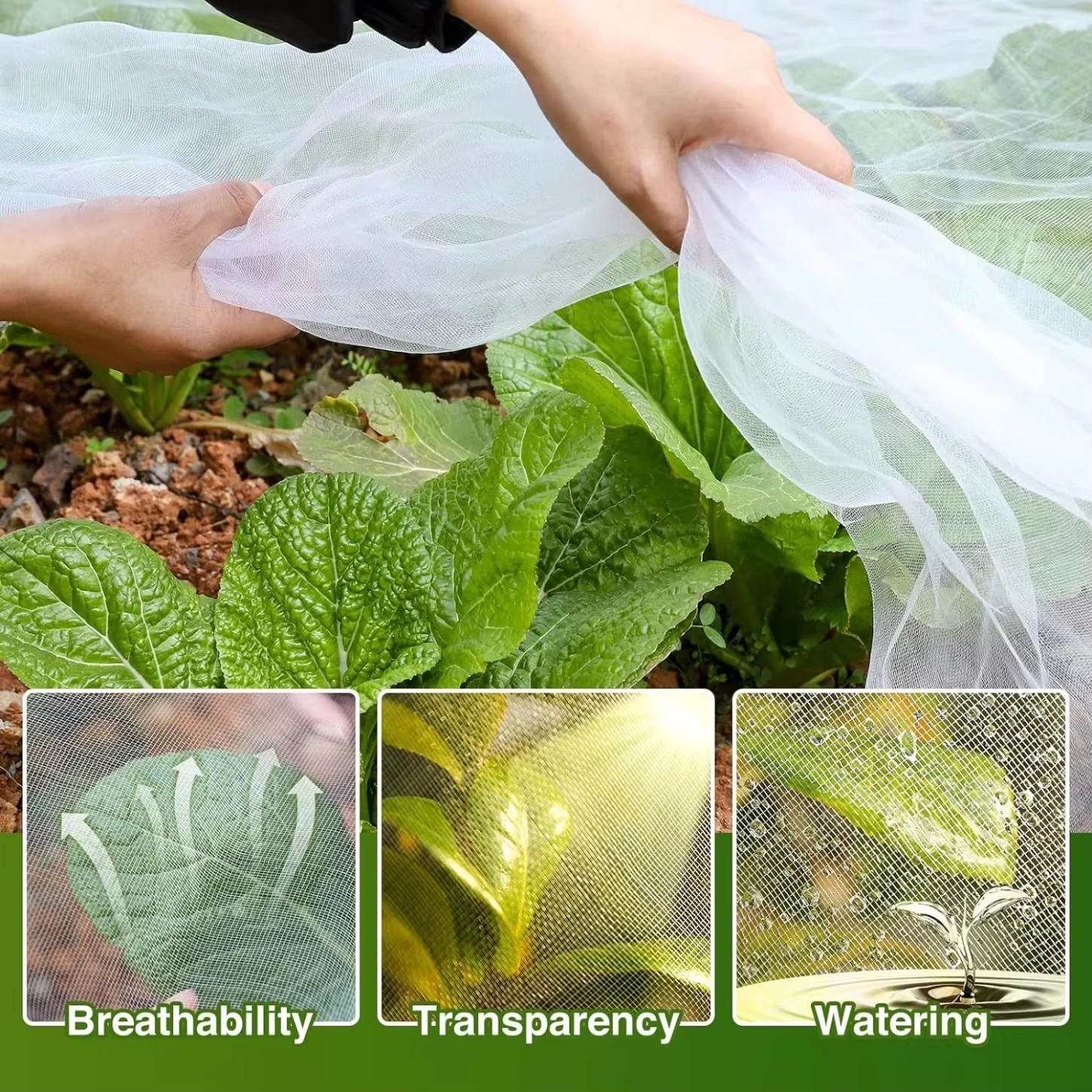
While you can place netting directly on plants, it's best to create a supportive frame or structure to prevent the netting from crushing or damaging the foliage. Use stakes, hoops, or existing garden structures to lift the netting slightly above the plants, allowing for airflow and sunlight. This also makes it easier to access the plants for watering and harvesting. Ensure the netting isn't too tight, as this can restrict growth.
How long does squirrel proof netting typically last?
The lifespan of squirrel proof netting depends on the material quality, UV exposure, and weather conditions. Polyethylene (PE) netting typically lasts 1-2 seasons, while polypropylene (PP) and nylon netting can last 3-5 seasons with proper care. Regularly inspect the netting for damage and replace it when necessary to maintain its effectiveness. Choosing UV-resistant netting and storing it properly during the off-season can significantly extend its lifespan.
Is netting a completely foolproof solution?
While squirrel proof netting is highly effective, it's not always 100% foolproof. Determined squirrels may still attempt to find ways around it. Ensure the netting is securely installed with no gaps or openings, and regularly inspect it for damage. Combining netting with other deterrents, such as motion-activated sprinklers or squirrel repellents, can provide even greater protection.
-
High Quality Anti Bird Agro Net for Professional Crop ProtectionNewsApr.16,2026
-
Guide to Bird Netting Cost Per Square Foot and Material OptionsNewsApr.09,2026
-
Comprehensive Guide to Bird Netting Cost Factors and Material ChoicesNewsApr.07,2026
-
Comprehensive Guide to Bird Net for Balcony Cost and Installation OptionsNewsApr.04,2026
-
Comprehensive Guide to Bird Netting Price and Effective Protection SolutionsNewsMar.31,2026
-
Comprehensive Guide to Nylon Bird Net Price Factors and OptionsNewsMar.28,2026