You know, these days everyone's talking about prefabrication. It's all the rage. To be honest, I'm a bit tired of hearing about it. It sounds great on paper, cheaper, faster… but have you seen some of these prefab pieces arrive on site? It's like they designed them without ever actually thinking about how a guy in work boots is going to handle it. And frankly, that’s a problem.
The whole industry's shifting towards lighter materials, that’s for sure. Less concrete, more composites. Everyone wants 'sustainable,' which is good, I guess, but sometimes it feels like they sacrifice practicality. I was at a factory in Jiangsu province last time, and they were pushing this new bio-resin paneling. Smelled faintly of… well, rotting vegetables, actually. Not ideal when you're trying to build a hospital, you know?
Then there’s the netting itself. Farm netting, construction netting, safety netting… it’s all just woven plastic, right? Wrong. It’s way more complicated than that. The devil’s in the details, and believe me, I’ve seen a lot of devils in netting.
The Current Landscape of Farm Netting
The demand for netting, generally, is huge. It's not just farms anymore, it's construction sites, shipping yards, even event spaces. Strangely enough, the biggest surge I've noticed is in bird netting for vineyards. Apparently, the birds are getting smarter, or maybe the grapes are just tastier.
It used to be all about price. Get the cheapest netting you can find. But now, there's a push for UV resistance, tensile strength, and even flame retardancy. Especially with all the fires lately. Makes sense, I guess. The regulatory landscape is tightening too, with more inspections and safety requirements. It's a good thing, honestly, but it adds another layer of complexity.
Common Design Pitfalls in Netting Application
Look, I’ve seen guys try to use netting meant for peaches to secure scaffolding. It doesn't work. It just... doesn't. The mesh size is too large, the material’s too thin, and you're asking for trouble. Another thing? Ignoring the wind load. Netting acts like a sail, and if it’s not properly secured, it’ll take off. I encountered this at a highway construction site last time, nearly took out a foreman's hardhat.
A big one is underestimating the importance of attachment points. You can have the strongest netting in the world, but if the grommets are cheap or poorly spaced, it’s going to fail. And then you're dealing with a whole mess of frustration and potential liability.
And don’t even get me started on trying to retrofit netting onto something that wasn't designed for it. It rarely ends well. It's always easier to plan for it from the beginning. Always.
Materials Deep Dive: What’s Holding it All Together?
Most of it is still HDPE – high-density polyethylene. Feels a bit waxy, smells… like plastic, obviously. It's tough, relatively lightweight, and cheap. But the quality varies wildly. Some of the stuff feels like it'll disintegrate in your hands, while other HDPE netting is practically indestructible. You can tell a good one by how it feels – a bit of heft, a tight weave.
There's also polypropylene, which is lighter but not as strong. Good for temporary applications, like covering a truckload of lumber. And then you get into the more exotic stuff – nylon, polyester, even some with Kevlar blends for extreme applications. Those are pricey, though.
I’ve seen a lot of recycled netting lately. Good initiative, but the consistency is a problem. Sometimes it’s great, sometimes it’s…well, let’s just say you wouldn’t want to rely on it for safety-critical applications.
Real-World Testing and Performance
Forget the lab tests. Those are nice, but they don't tell you what happens when a guy drops a wrench on it. I prefer to see it actually used before I trust it. We've started doing on-site pull tests – just clamp the netting and see how much force it takes to rip it. Crude, but effective.
We also monitor how it holds up over time. UV exposure is a killer. After six months in the sun, some netting can become brittle and start to fray. We’ve been documenting the degradation, taking photos, and comparing different brands. It’s surprisingly informative.
Farm Netting Performance Under Different Conditions
How Netting is Actually Used on Site
It's never how the marketing materials show it, that’s for sure. They always have these pristine images of perfectly installed netting. On site, it’s usually draped over things, tied with whatever’s handy – rope, bungee cords, even duct tape. I've seen it all.
A lot of guys just see it as a temporary fix, something to hold things in place until they can get to a more permanent solution. Which is fine, as long as it’s used safely. But you'd be surprised how often it stays up for months, even years. It becomes part of the landscape.
The Upsides, the Downsides, and Everything In Between
The biggest advantage? Safety. Plain and simple. It prevents things from falling, protects workers, and keeps the public safe. It's a lifesaver, literally. It's also relatively cheap and easy to install.
The downsides? Well, it can be a pain to work with. It snags on things, gets tangled, and is generally just a nuisance. It’s also not always aesthetically pleasing. And, as I mentioned before, the quality can vary significantly. You get what you pay for, usually.
Anyway, I think the biggest issue is that people don't always understand its limitations. It's not a magic bullet. It’s just one tool in the toolbox.
Customization Options and Practical Examples
You can get netting with different mesh sizes, different colors, different materials. We had a customer last month, a small boss in Shenzhen who makes smart home devices, insisted on changing the interface to for a containment barrier around a robotic arm. The result? The standard clips didn't fit, the whole project was delayed by a week, and he ended up paying a fortune for custom-made hardware. A classic case of over-engineering, if you ask me.
More realistically, we often customize the size and shape of the netting to fit specific applications. For example, we had a request for netting that would fit around a curved pipe rack. We had to use a computer-aided cutting machine to get the shape just right.
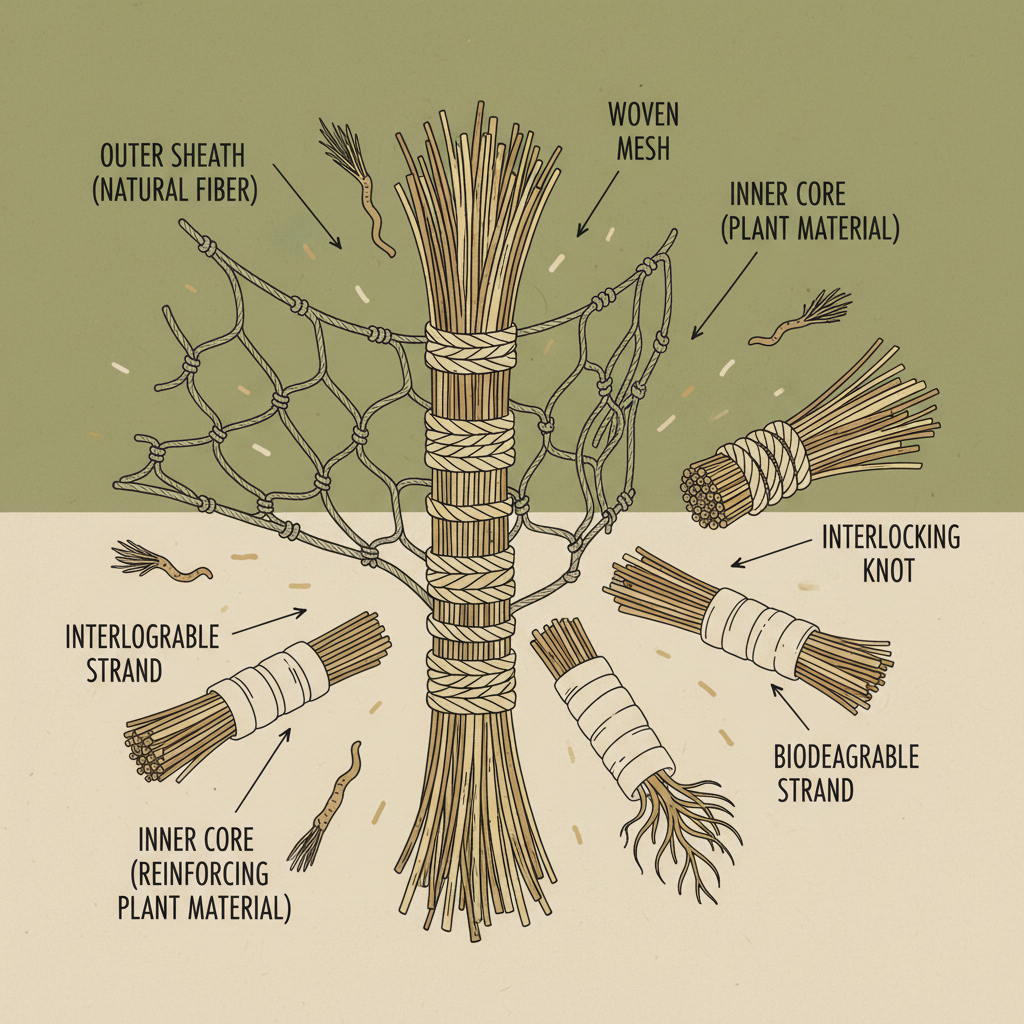
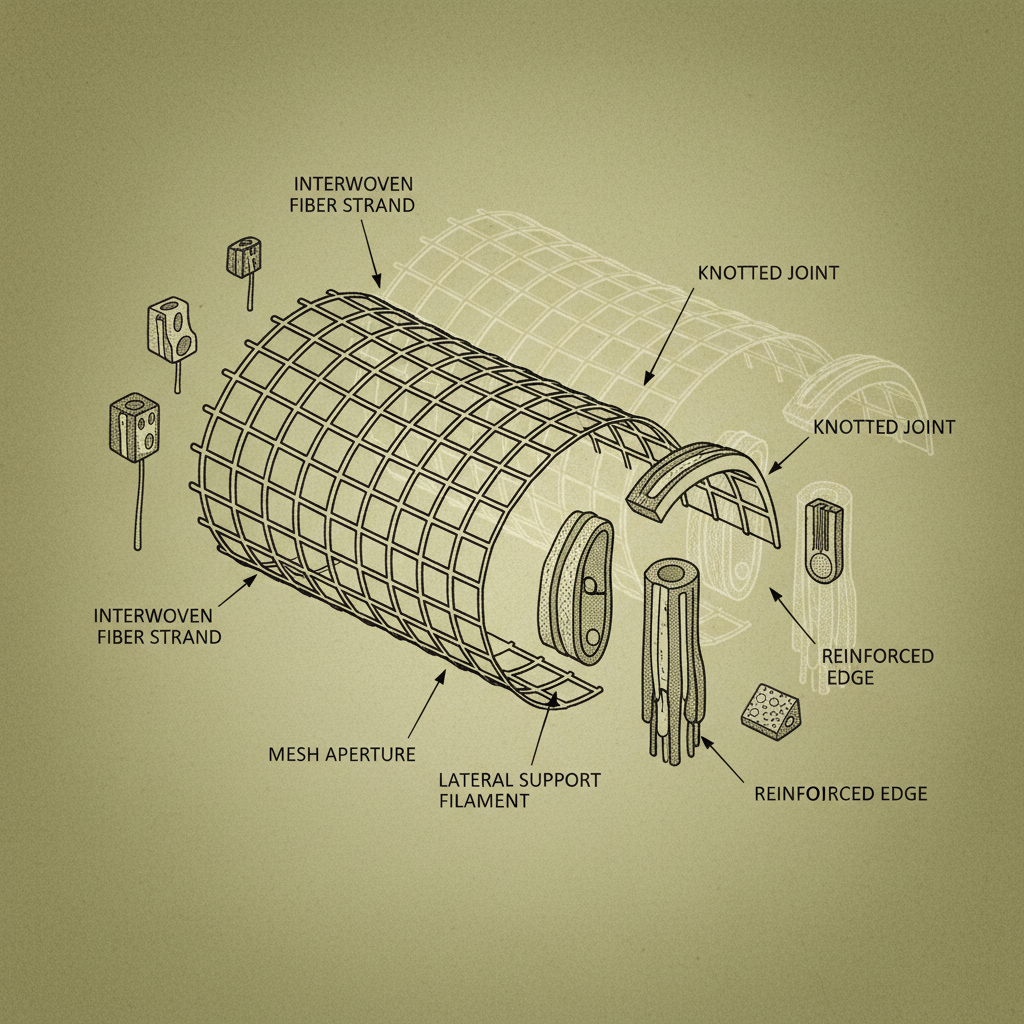
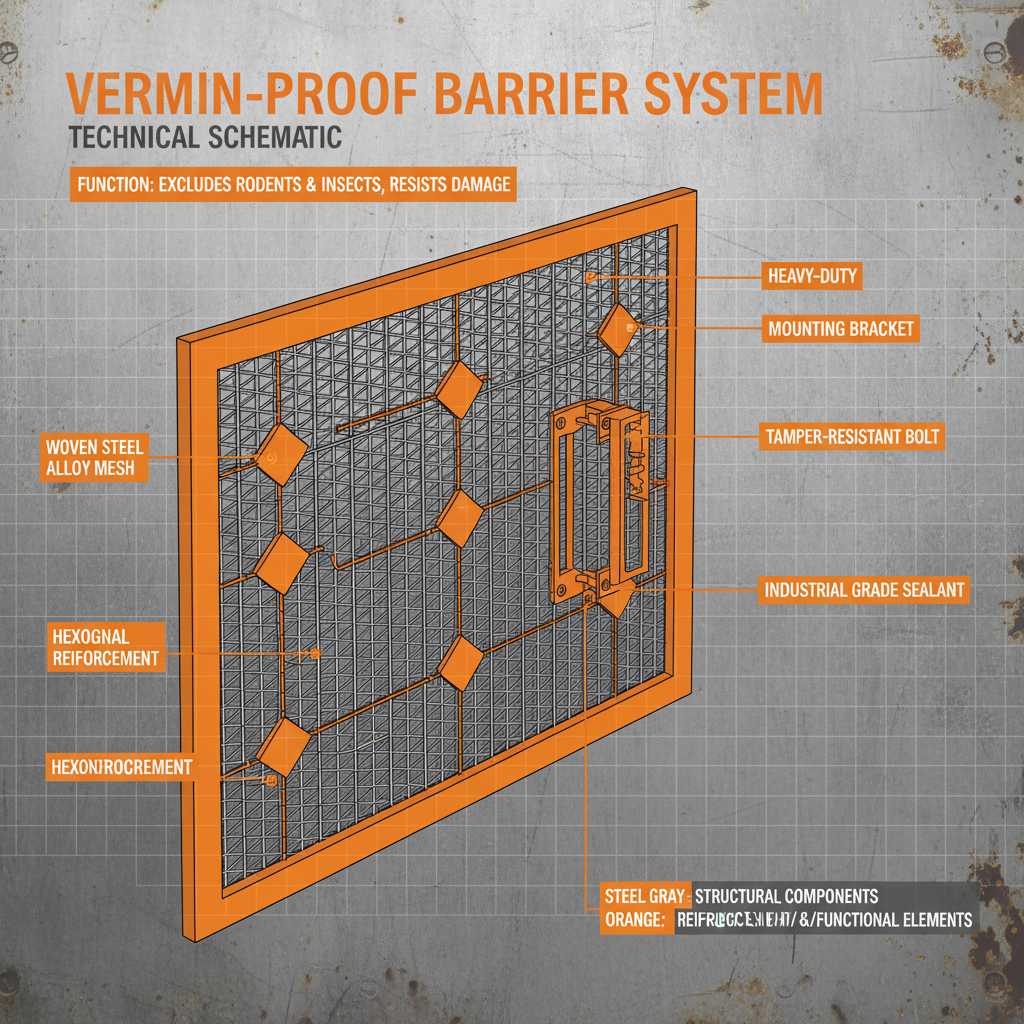
And you can also add reinforcements – extra grommets, reinforced edges, even sleeves for cables or ropes. The possibilities are endless, really.
Summary of Key Factors Influencing Netting Performance
| Material Composition |
Tensile Strength (lbs) |
UV Resistance (Months) |
Cost per Square Foot |
| HDPE (Standard Grade) |
150 |
6 |
$0.20 |
| HDPE (UV Stabilized) |
175 |
12 |
$0.35 |
| Polypropylene |
100 |
3 |
$0.15 |
| Nylon |
250 |
9 |
$0.75 |
| Polyester |
200 |
18 |
$0.50 |
| HDPE + Kevlar Blend |
400 |
24 |
$1.50 |
FAQS
Generally, expect about 6-18 months, depending on the material and UV stabilization. Standard HDPE will degrade much faster than UV-stabilized or polyester netting. I've seen some stuff completely fall apart after just six months. Regular inspection is key – if it's getting brittle or discolored, it’s time to replace it. Don’t push your luck.
Grommets are your friend. Make sure they’re evenly spaced and reinforced. Use appropriate fasteners – avoid anything that can rust or corrode. And don’t stretch the netting too tightly, or it’ll be more likely to tear. Overlapping seams can also add strength. We always recommend checking local wind load requirements for your area.
Knitted netting is more flexible and conforms to shapes better, but it’s also less durable. Woven netting is stronger and more resistant to tearing, but it’s less forgiving. The best choice depends on the application. For general containment, woven is usually the way to go. For draping over irregular objects, knitted might be better.
Small tears can be patched with netting tape, but larger damage usually requires replacement. Trying to repair significant damage can compromise the integrity of the entire net. It’s often more cost-effective and safer to just replace it. Plus, patching looks messy.
It can be, but it’s not always easy. Many recycling facilities don’t accept plastic netting. You’ll need to find a specialized recycler that can handle it. More and more manufacturers are offering take-back programs, which is a good sign. Or you can try repurposing it for other uses, like garden covers or protective barriers.
Material is the biggest factor, followed by mesh size, UV stabilization, and tensile strength. Custom sizes and reinforcements will also add to the cost. And, of course, the quantity you order. Buying in bulk almost always gets you a better price. Don't be afraid to shop around and compare quotes.
Conclusion
So, there you have it. Farm netting – it's not glamorous, it's not exciting, but it's essential. It’s a critical component of safety and efficiency in a ton of different industries. It's evolved a lot in recent years, with new materials and technologies constantly emerging. But at the end of the day, it's still just woven plastic, and it needs to be chosen and used carefully.
Ultimately, whether this thing works or not, the worker will know the moment he tightens the screw. And that’s the truth of it. If it feels right, if it holds firm, then you’ve got something good. If not? Well, you’ve got a problem. And it’s my job to make sure you don’t have that problem. You can find out more about our netting solutions at www.yjwiremesh.com.