Protecting Your Tomato Plants from Squirrels with Effective Netting Solutions
Protecting Your Tomatoes: A Guide to Tomato Netting and Squirrel Deterrence
Gardening can be a rewarding experience, but protecting your precious tomato plants from pests like squirrels can be a real challenge. One effective solution is using tomato netting. This article will delve into the benefits of using netting, how to effectively deter squirrels, and the different types of netting available. We'll cover installation tips and help you choose the right netting to ensure a bountiful tomato harvest. Squirrels can cause significant damage, and preventative measures are key.
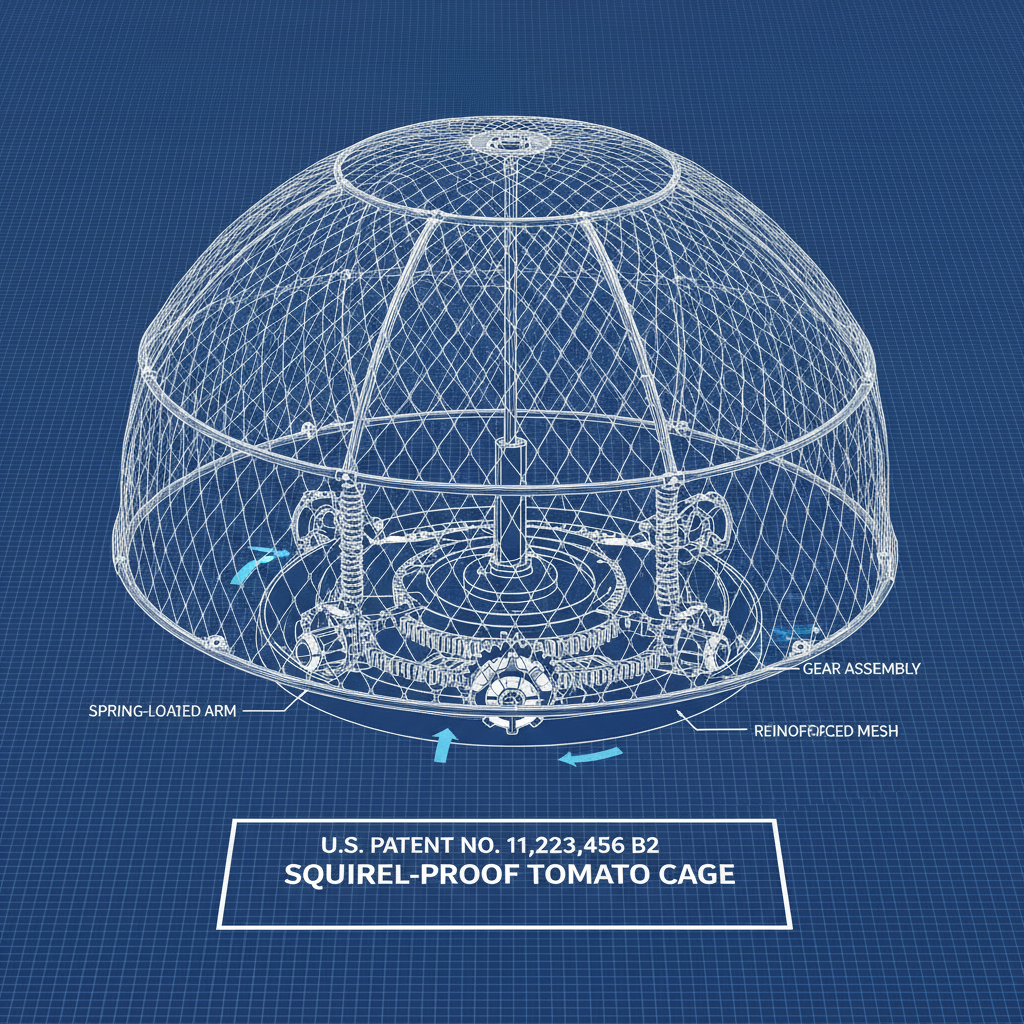
Why Tomato Netting is Crucial for Squirrel Protection
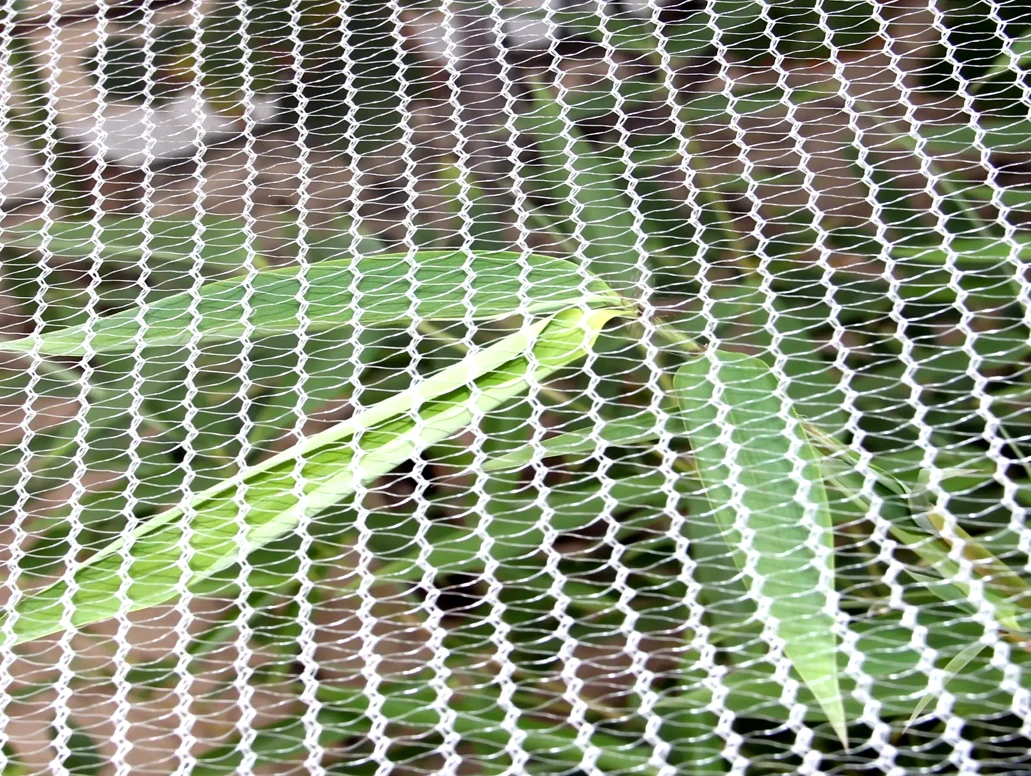
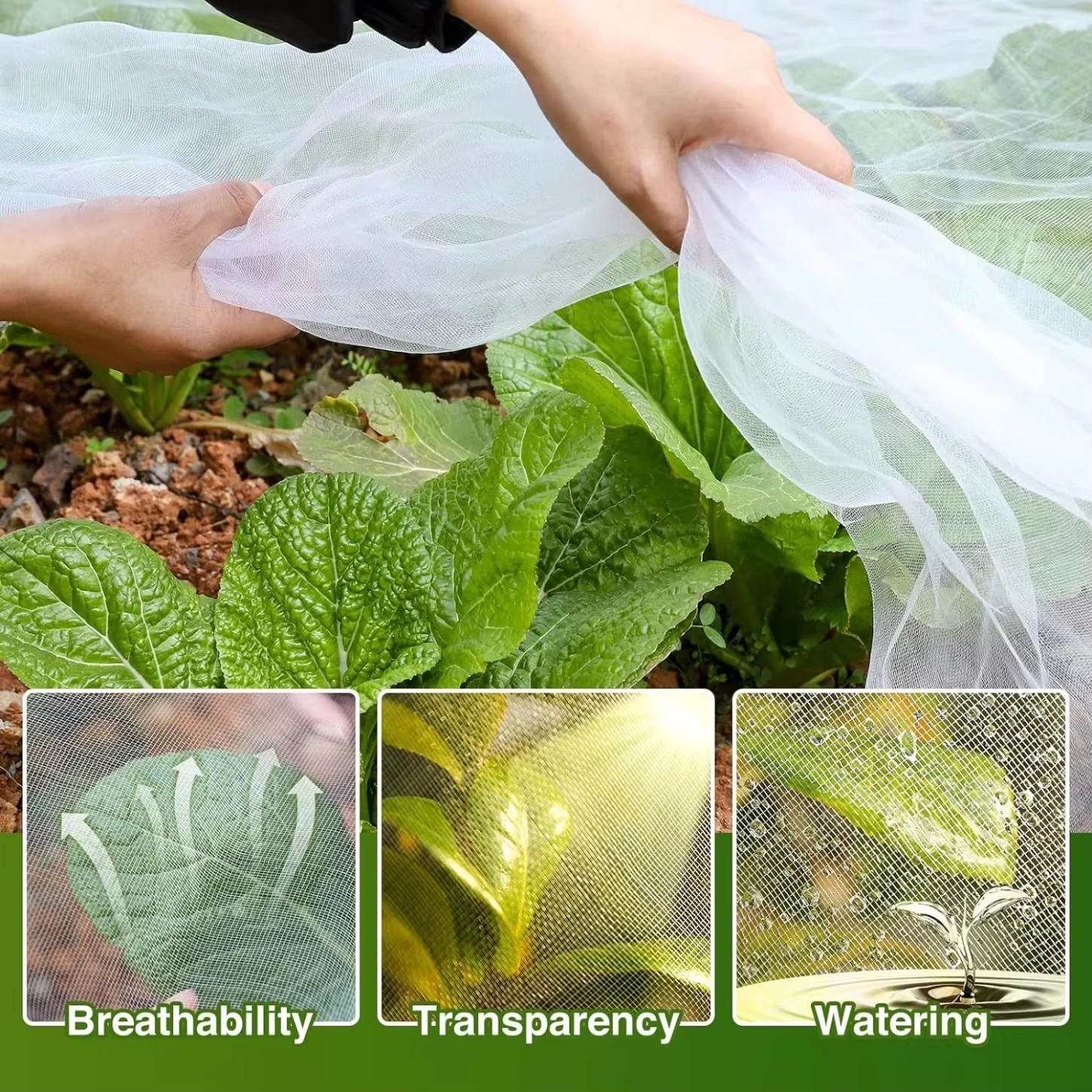
Squirrels are notorious for raiding tomato gardens. They'll happily nibble on ripening tomatoes, often taking bites out of several before moving on. This not only reduces your yield but can also introduce diseases into the fruit. Tomato netting provides a physical barrier, preventing squirrels from accessing your tomatoes. It's a humane and effective method of pest control, allowing you to enjoy your harvest without the frustration of squirrel damage. Beyond squirrels, netting also offers protection from birds and larger insects. Using netting is a simple step that can save your entire crop.
Key Highlights: A physical barrier prevents squirrel access, protecting your tomato yield and preventing disease spread. Netting also protects against birds and larger insects.
Understanding Squirrel Behavior and Deterrence
Squirrels are intelligent and adaptable creatures. They're attracted to the bright red color of ripening tomatoes and their sweet smell. Simply relying on netting isn't always enough; combining it with other deterrents can be highly effective. Consider these strategies: removing bird feeders (which attract squirrels), cleaning up fallen fruit, and using squirrel-repellent sprays (though always check the ingredients to ensure they're safe for edible plants). Positioning your tomato plants away from trees or structures that squirrels can jump from can also help. Remember, consistency is key with deterrents.
Squirrel Deterrence Tips:
• Remove bird feeders
• Clean up fallen fruit
• Use squirrel-repellent sprays
• Position plants away from jump-off points
Tomato Netting Options: A Comparative Look
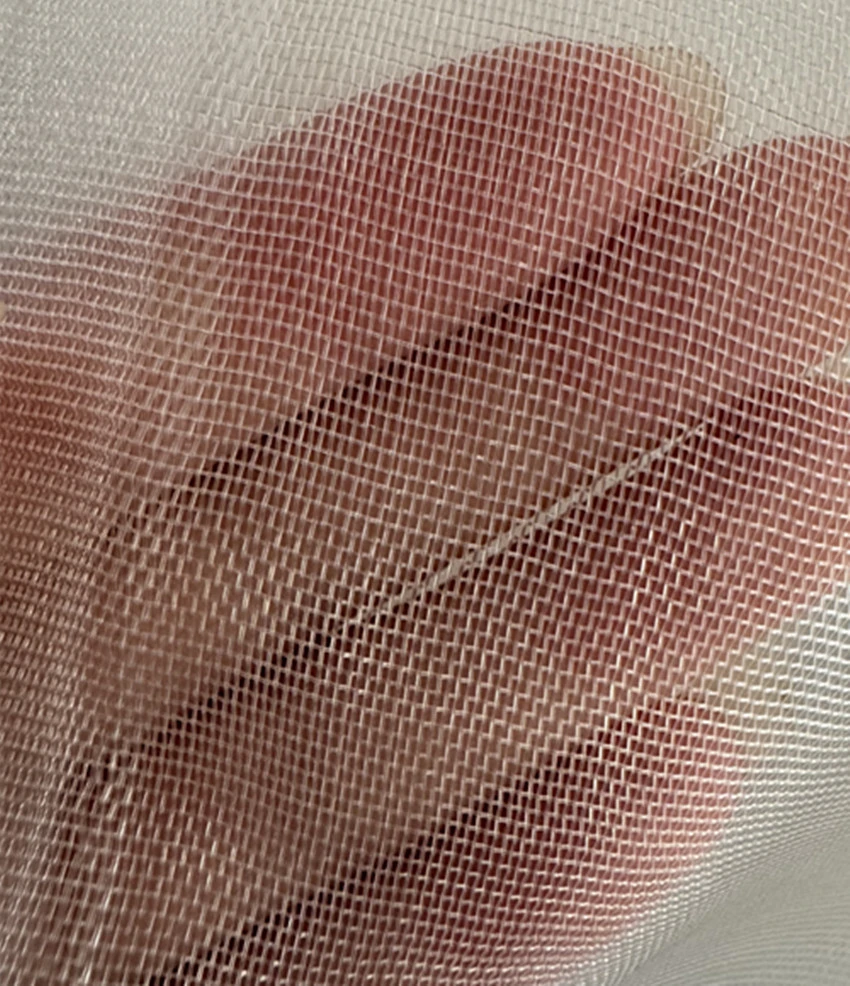
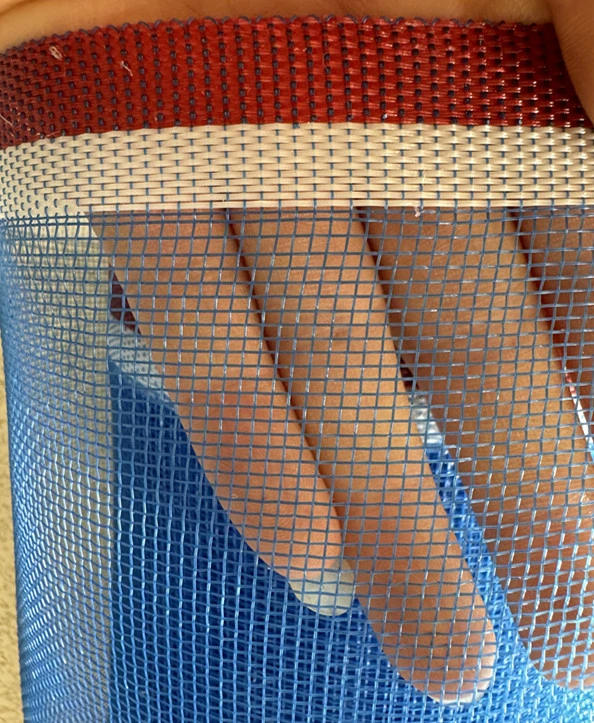
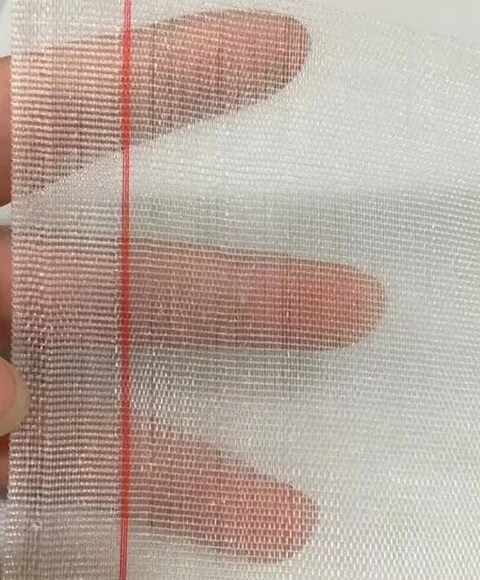
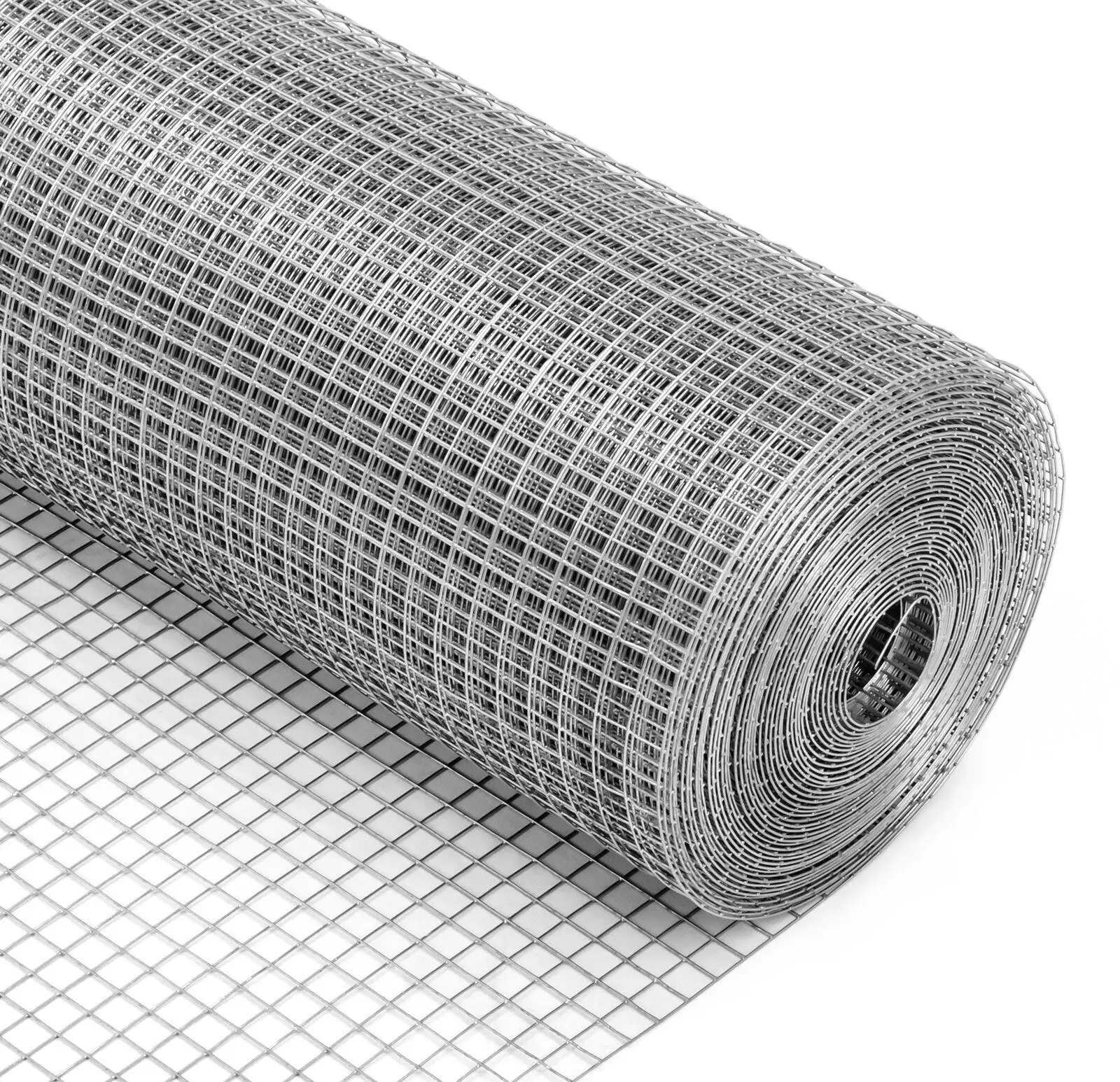
Several types of tomato netting are available, each with its own advantages and disadvantages. Here’s a comparison:
Installation Tips for Effective Squirrel Protection
Proper installation is essential to ensure the netting effectively keeps squirrels out. Secure the netting firmly to stakes or supports around your tomato plants. Ensure there are no gaps or openings that a squirrel could squeeze through. For taller plants, consider using a frame to support the netting. Check the netting regularly for tears or damage and repair them promptly. Leaving a few inches of slack can allow for plant growth and prevent the netting from tearing. A well-installed net is a strong deterrent.
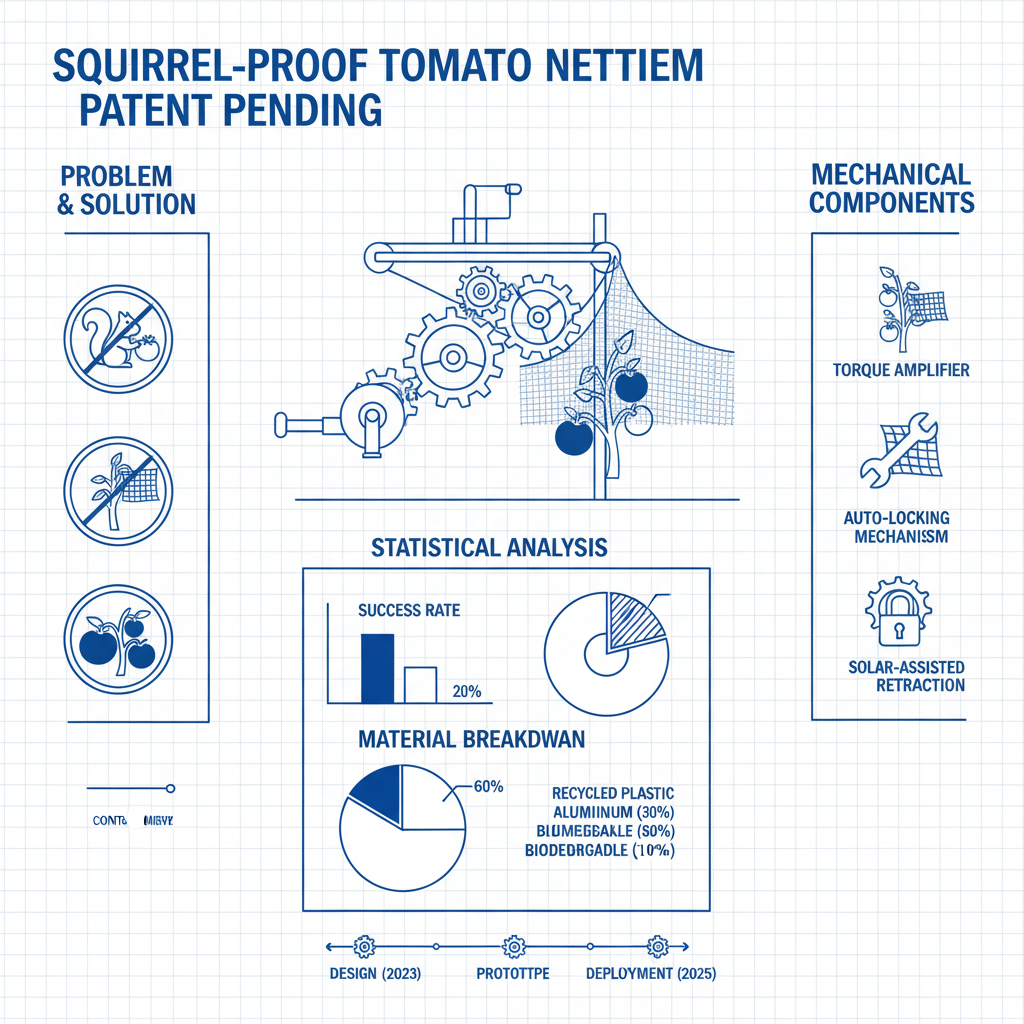
Choosing the Right Netting from YJ Wire Mesh
At YJ Wire Mesh, we offer a wide range of high-quality netting solutions for your garden. We provide durable and reliable options, including plastic netting, nylon netting, and galvanized steel wire mesh. Our products are designed to withstand the elements and provide long-lasting protection. We can help you select the best netting for your specific needs and provide expert advice on installation.
Conclusion: Enjoy a Squirrel-Free Tomato Harvest
Protecting your tomato plants from squirrels doesn't have to be a losing battle. By using tomato netting from YJ Wire Mesh, combined with other deterrent strategies, you can ensure a bountiful harvest. Don't let squirrels ruin your gardening efforts – invest in a reliable solution today!
Frequently Asked Questions (FAQs)
How often should I inspect my tomato netting?
Regular inspection is key. You should inspect your tomato netting at least once a week, and more frequently after storms or strong winds. Look for any tears, holes, or loose sections that squirrels could exploit. Repair any damage immediately to maintain a secure barrier. Early detection and repair will prevent squirrels from gaining access to your tomatoes.
What mesh size is best for keeping out squirrels?
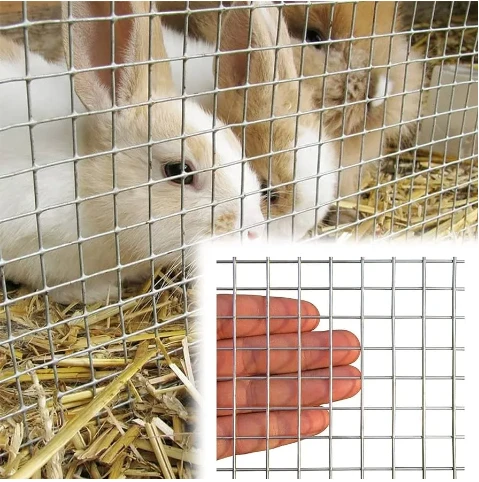
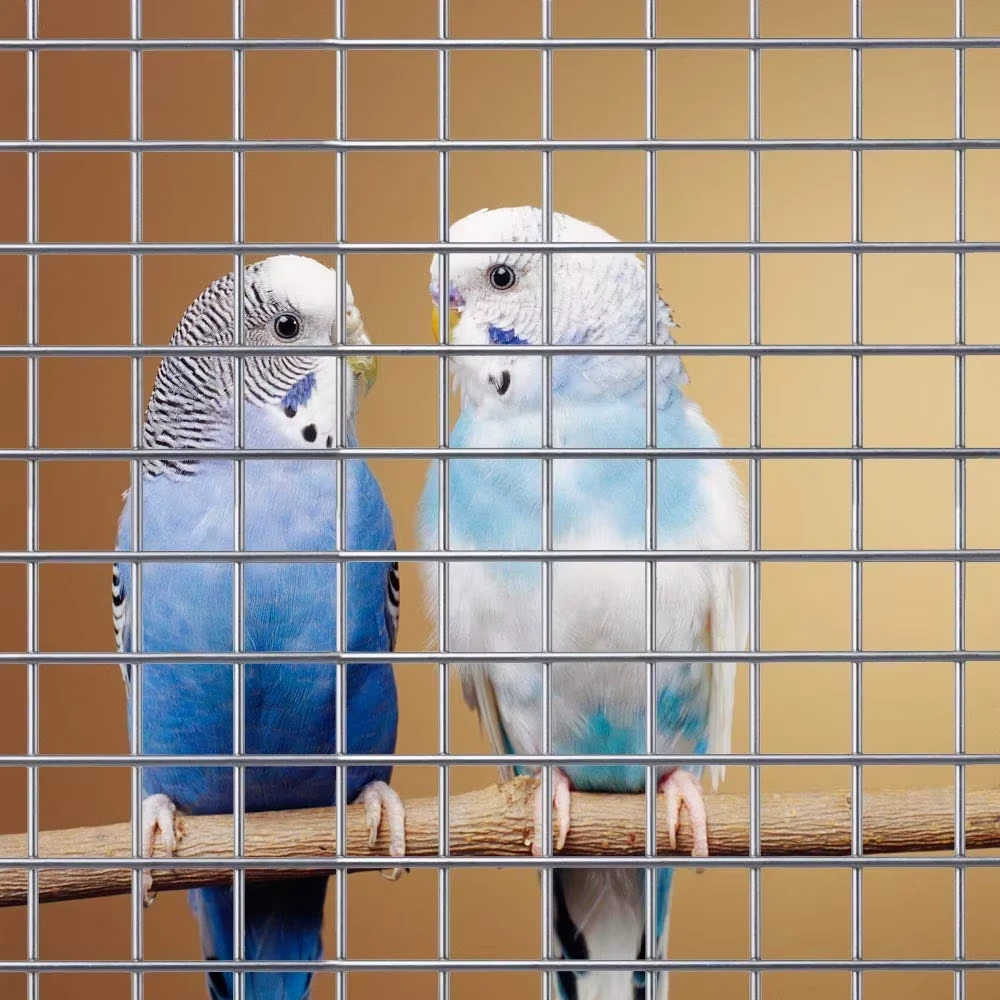
A mesh size of 1 inch or smaller is generally recommended for effectively keeping out squirrels. While some may be able to squeeze through slightly larger openings, a smaller mesh size provides a more secure barrier. Wire mesh netting with a 0.25-inch mesh offers the highest level of protection. Consider the size of the squirrels in your area when choosing the appropriate mesh size.
Can tomato netting damage my tomato plants?
Properly installed tomato netting should not damage your plants. Avoid pulling the netting too tightly, as this can restrict growth and potentially injure stems. Leave some slack to allow for expansion as the plants grow. Regularly check the netting to ensure it's not digging into the plant stems. Choose a netting material that is relatively soft and won't cause abrasion.
Is wire mesh netting better than plastic netting?
Wire mesh netting is generally more durable and provides a more secure barrier against squirrels than plastic netting. However, it can be more expensive and potentially more difficult to install. Plastic netting is lighter and more affordable but may require more frequent replacement. The best choice depends on your budget, the level of squirrel pressure in your area, and your preference for durability.
-
High Quality Anti Bird Agro Net for Professional Crop ProtectionNewsApr.16,2026
-
Guide to Bird Netting Cost Per Square Foot and Material OptionsNewsApr.09,2026
-
Comprehensive Guide to Bird Netting Cost Factors and Material ChoicesNewsApr.07,2026
-
Comprehensive Guide to Bird Net for Balcony Cost and Installation OptionsNewsApr.04,2026
-
Comprehensive Guide to Bird Netting Price and Effective Protection SolutionsNewsMar.31,2026
-
Comprehensive Guide to Nylon Bird Net Price Factors and OptionsNewsMar.28,2026