Insect net for agriculture is a crucial component in modern farming practices, playing a vital role in protecting crops from damaging insect pests. Globally, agricultural production faces significant losses due to insect infestations, impacting food security and economic stability. Utilizing insect nets provides a sustainable and environmentally friendly method for minimizing these losses, contributing to increased yields and improved crop quality. This technology is becoming increasingly important as climate change alters pest distribution patterns and increases the pressure on agricultural systems.
The relevance of insect net for agriculture extends beyond simple pest control. It supports integrated pest management (IPM) strategies, reducing the reliance on harmful chemical pesticides. According to the Food and Agriculture Organization of the United Nations (FAO), globally, pesticide use causes an estimated 200,000 acute pesticide poisonings each year. Insect nets offer a non-toxic alternative, safeguarding both human health and the environment. The increasing demand for organic produce further drives the adoption of this protective measure.
Furthermore, advancements in net materials and design are making insect net for agriculture more effective and cost-efficient. These innovations are particularly impactful in developing countries, where smallholder farmers often lack access to expensive pesticides and other pest control technologies. The affordability and ease of use of insect nets make them a valuable tool for enhancing livelihoods and ensuring food security in vulnerable communities.
Introduction to Insect Net for Agriculture
Insect net for agriculture represents a significant advancement in protective farming technologies. Its primary function is to create a physical barrier against a wide range of insect pests, preventing them from reaching crops and causing damage. This simple yet effective method has become increasingly popular due to its environmental benefits and economic advantages compared to traditional pesticide applications.
The deployment of insect nets isn’t limited to large-scale commercial farms. It’s equally valuable for smallholder farmers and home gardeners, offering a readily accessible and affordable solution to pest problems. From preventing fruit fly infestations in orchards to protecting vegetable gardens from caterpillars and aphids, insect net for agriculture adapts to various agricultural contexts and crop types.
Defining Insect Net for Agriculture
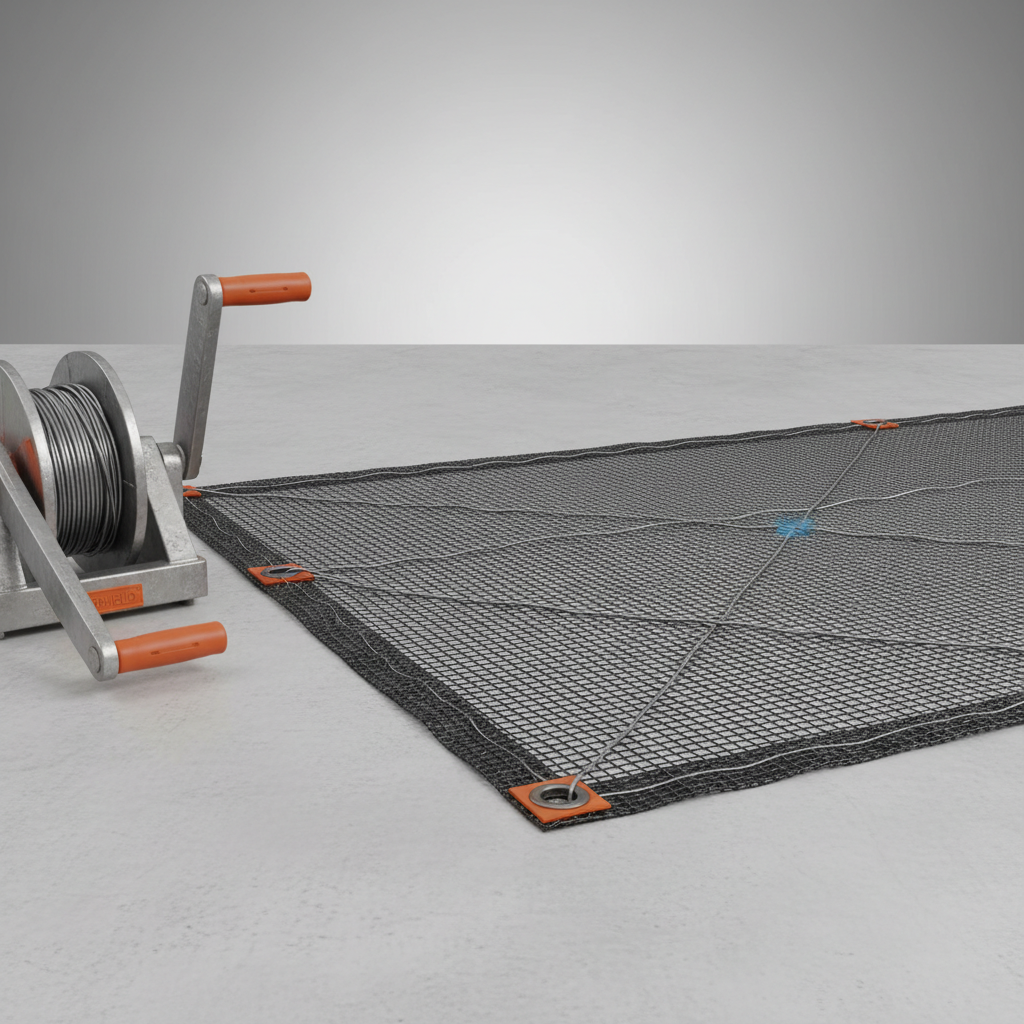
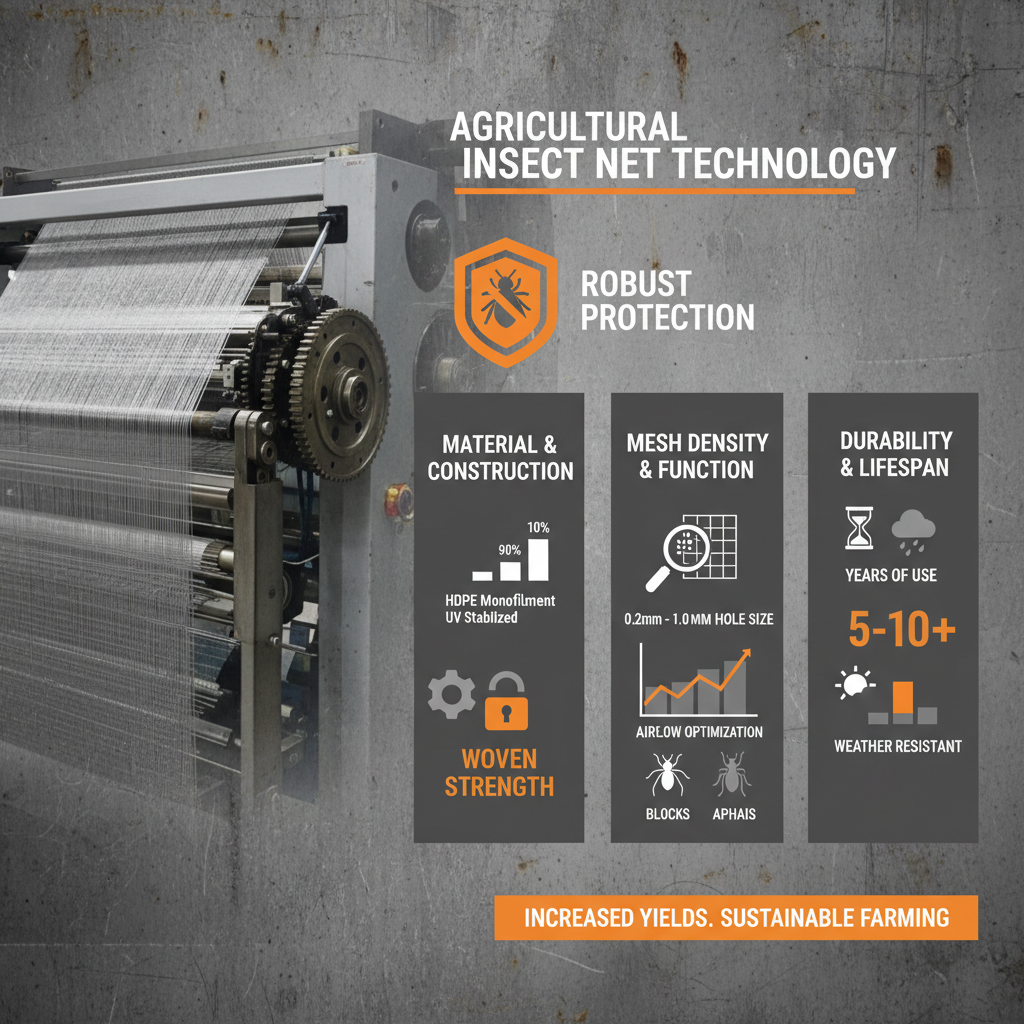
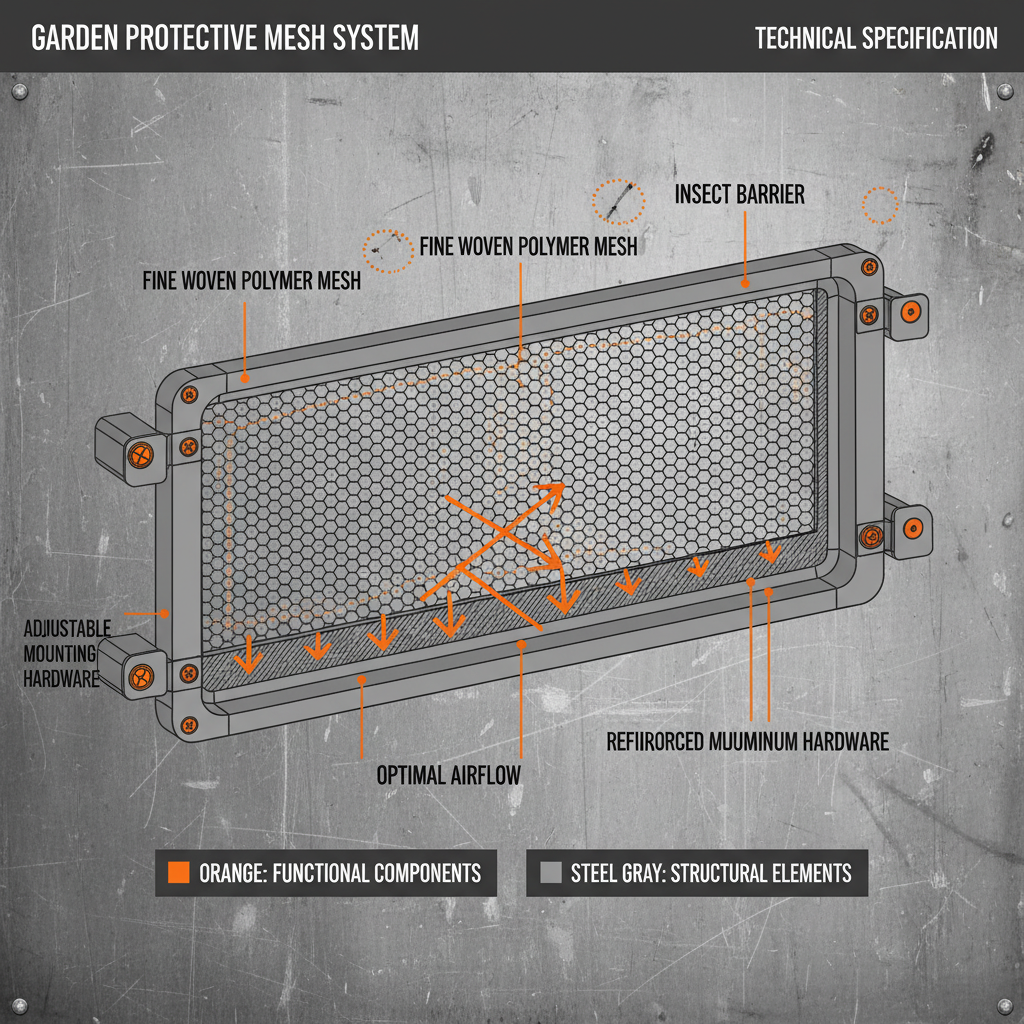
Insect net for agriculture, also known as insect-proof netting or anti-insect net, is a protective covering used in agriculture to shield crops from insect pests. It’s typically constructed from polyethylene (PE) or polypropylene (PP) materials, woven into a mesh structure with varying hole sizes to target specific insect species. The net’s effectiveness relies on its ability to physically exclude pests while still allowing sunlight, air, and water to reach the plants.
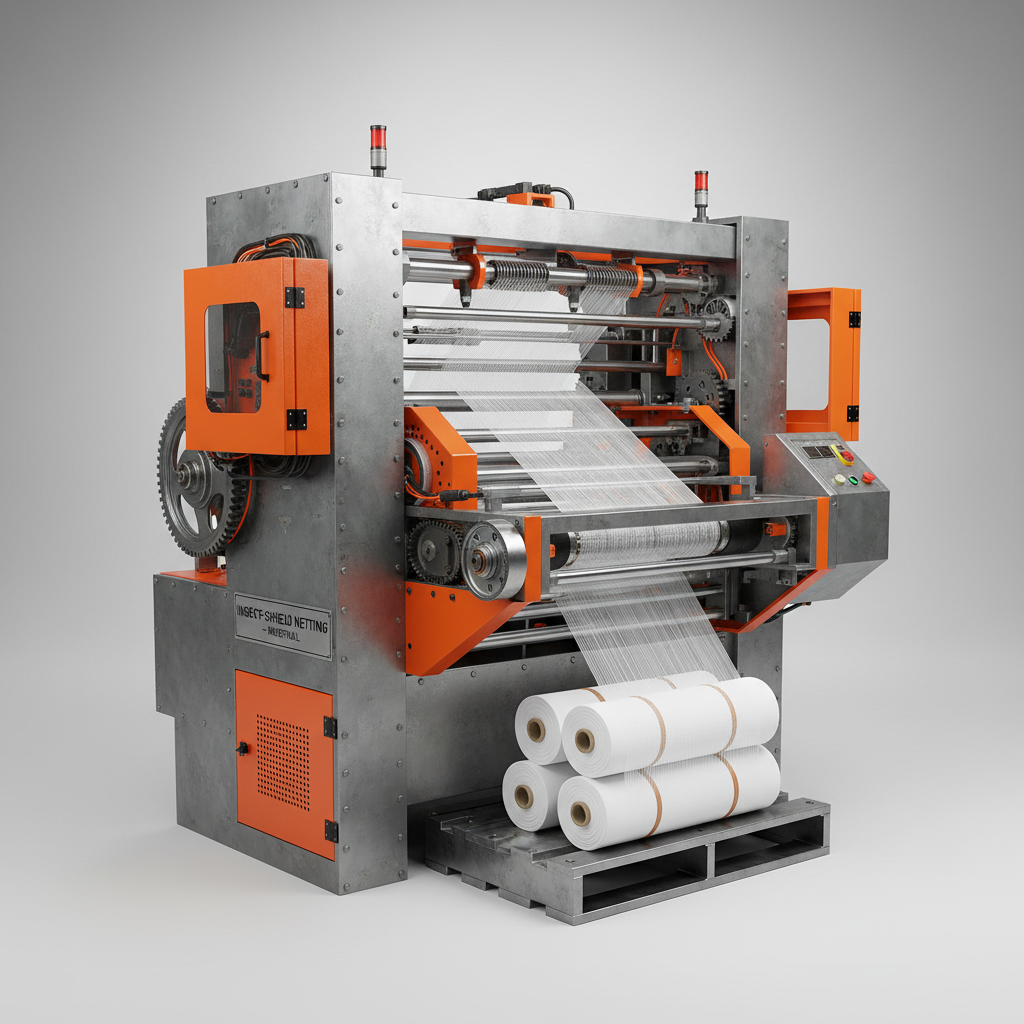
The connection to modern industry lies in the continuous development of net materials and manufacturing techniques. Advances in polymer science have led to nets with improved durability, UV resistance, and tensile strength. These improved qualities translate into longer lifespans and reduced replacement costs for farmers. The industry also responds to specific crop needs by offering nets with tailored mesh sizes and colors.
On a humanitarian level, insect net for agriculture addresses the critical need for food security in regions vulnerable to pest outbreaks and climate change. By protecting crops and increasing yields, this technology contributes to improved nutrition, economic stability, and resilience within agricultural communities. It’s a key component in sustainable agricultural practices, promoting long-term food security.
Core Components of Effective Insect Nets
Several key factors determine the effectiveness of insect net for agriculture. Firstly, mesh size is paramount. The holes must be small enough to prevent target pests from entering but large enough to allow for proper airflow and sunlight penetration. Secondly, material durability ensures the net can withstand weather conditions and physical wear and tear.
Thirdly, UV resistance is crucial, especially in regions with intense sunlight, as UV degradation can weaken the net over time. Fourthly, tensile strength provides resistance to tearing and damage from wind or handling. Fifthly, net color can play a role; for instance, silver or reflective nets can repel certain pests. Finally, proper installation and maintenance are vital for ensuring the net remains effective throughout its lifespan.
These factors all work together to create a protective barrier that maximizes crop yields while minimizing pest damage. Choosing the right insect net, based on the specific crop and pest challenges, is a fundamental aspect of successful agricultural management.
Practical Applications in Global Agriculture
Insect net for agriculture is employed in diverse agricultural settings worldwide. In regions cultivating high-value fruits and vegetables, such as the Mediterranean basin and parts of Asia, nets are extensively used to protect against fruit flies, moths, and other pests that can significantly reduce yields and marketability.
In post-disaster relief operations, insect nets are often deployed to safeguard emergency food crops and prevent outbreaks of vector-borne diseases. Similarly, in remote industrial zones where access to conventional pest control methods is limited, insect nets provide a sustainable and reliable solution.
Furthermore, greenhouse and nursery operations commonly utilize insect nets to maintain pest-free environments, ensuring healthy plant growth and preventing the spread of diseases. The widespread adoption of insect net for agriculture demonstrates its versatility and adaptability to various agricultural needs.
Effectiveness of Different Insect Net for Agriculture Methods
Advantages and Long-Term Value Proposition
The advantages of using insect net for agriculture are numerous. First, it offers a significant cost reduction compared to frequent pesticide applications. Second, it promotes environmental sustainability by minimizing chemical residue in crops and the surrounding ecosystem. It enhances crop quality and yield, leading to increased profitability for farmers.
Beyond the tangible benefits, insect net for agriculture contributes to social responsibility by protecting the health of farmers and consumers. The long-term value lies in its contribution to resilient agricultural systems that are less vulnerable to pest outbreaks and climate change. Investing in insect net for agriculture is investing in a healthier and more sustainable future.
Future Trends and Innovations
The future of insect net for agriculture is marked by several exciting innovations. Research is underway to develop biodegradable net materials, reducing plastic waste and enhancing environmental compatibility. Smart nets embedded with sensors are being explored to monitor pest activity and provide real-time alerts to farmers.
Furthermore, integration with digital platforms and precision agriculture technologies will enable farmers to optimize net deployment and maintenance based on specific crop needs and pest pressures. These advancements are poised to revolutionize insect pest management and contribute to more sustainable and efficient agricultural practices.
Challenges and Sustainable Solutions
Despite its benefits, insect net for agriculture faces certain challenges. These include the potential for net damage from weather events or improper handling, the need for proper disposal of used nets, and the possibility of pest resistance developing over time.
Sustainable solutions involve promoting durable net materials, implementing responsible waste management programs, and incorporating net use into integrated pest management strategies that rotate different control methods. Ongoing research into innovative net designs and materials is also crucial for addressing these challenges and maximizing the long-term effectiveness of this technology.
Educating farmers on proper net installation, maintenance, and disposal practices is paramount for ensuring sustainable and effective use of insect net for agriculture. insect net for agriculture providers play a key role in providing this education and support.
Summary of Key Challenges and Potential Solutions for Insect Net for Agriculture
| Challenge |
Impact on Effectiveness |
Potential Solution |
Implementation Cost (1-10) |
| Net Damage (Weather, Handling) |
Reduced Pest Exclusion |
Durable Materials, Proper Installation |
4 |
| Net Degradation (UV Exposure) |
Weakened Structure, Reduced Lifespan |
UV-Resistant Materials, Protective Coatings |
6 |
| Pest Resistance |
Decreased Effectiveness Over Time |
Integrated Pest Management (IPM) |
3 |
| Improper Installation |
Gaps, Reduced Coverage |
Farmer Training, Clear Installation Guides |
2 |
| Net Disposal |
Environmental Pollution |
Biodegradable Materials, Recycling Programs |
7 |
| Cost of Initial Investment |
Barrier to Adoption |
Subsidies, Microfinance Options |
5 |
FAQS
The lifespan of insect net for agriculture typically ranges from 1 to 5 years, depending on the quality of the material, the intensity of UV exposure, and the frequency of handling. High-quality nets made from UV-stabilized polyethylene can last up to 5 years, while lower-grade nets may need replacing after just one season. Regular inspection and proper maintenance can extend the net's lifespan, ensuring continued protection against pests and maximizing the return on investment.
Selecting the appropriate mesh size is crucial for effective pest control. The mesh size should be small enough to exclude the target pests but large enough to allow for adequate airflow and sunlight penetration. For example, smaller mesh sizes are needed to exclude fruit flies and whiteflies, while larger meshes can be used for controlling larger insects like cabbage loopers. Consulting with an agricultural extension agent or a net supplier can help you determine the optimal mesh size for your specific crops and region.
Yes, insect net for agriculture is a highly environmentally friendly pest control method. It eliminates the need for chemical pesticides, reducing the risk of soil and water contamination and protecting beneficial insects. While most nets are made from plastic, ongoing research is focused on developing biodegradable alternatives. Proper disposal and recycling of used nets are also important for minimizing environmental impact.
Common installation methods for insect nets include direct covering of crops, construction of tunnel-like structures, and integration with greenhouse frames. Direct covering involves draping the net over plants and securing it with clips or weights. Tunnels are created by supporting the net with hoops or wires, providing a larger protected area. When used with greenhouses, the net is typically attached to the greenhouse structure, creating a complete barrier against pests.
Regular maintenance is key to extending the lifespan of your insect net. This includes removing debris, repairing any tears or holes promptly, and avoiding harsh chemicals that could damage the material. Periodic cleaning with water can help prevent the buildup of dust and grime. Proper storage during off-season is also important; ensure the net is dry and protected from sunlight and extreme temperatures.
Absolutely! Insect net for agriculture is most effective when integrated into an Integrated Pest Management (IPM) program. IPM combines various pest control strategies, including biological control, cultural practices, and selective pesticide use, to minimize pest damage while reducing environmental impact. Using insect nets in conjunction with these methods can provide a comprehensive and sustainable pest control solution.
Conclusion
Insect net for agriculture represents a vital tool in modern sustainable agriculture, offering a cost-effective, environmentally friendly, and reliable solution for protecting crops from damaging insect pests. By creating a physical barrier against infestation, insect nets contribute to increased yields, improved crop quality, and reduced reliance on harmful chemicals, promoting both food security and environmental health.
Looking ahead, continued innovation in net materials and integration with digital technologies will further enhance the effectiveness and accessibility of this important technology. Embracing insect net for agriculture is an investment in a more resilient and sustainable future for farming, ensuring a secure food supply for generations to come. For high-quality insect nets and expert advice, visit our website: www.yjwiremesh.com.