Steel Perforated Metal: Versatile, Sustainable Solutions for Global Industry
Understanding Steel Perforated Metal: A Global Industrial Essential
For those of us navigating the complex world of modern manufacturing and construction, the term steel perforated metal often surfaces—sometimes quietly, sometimes as a spotlight star. But why does it matter so much, globally? Frankly, this versatile material answers many pressing industry needs: from architectural aesthetics to structural performance, and even humanitarian infrastructure. Grasping its benefits not only helps businesses optimize projects but also supports sustainable practices across sectors.
Global Context: Why Steel Perforated Metal Matters Now More Than Ever
Industrial growth and urbanization continue unabated worldwide. According to the United Nations, over 56% of the global population now lives in urban areas—a percentage expected to rise significantly by 2050. Construction and infrastructure development demand materials that balance strength, flexibility, and environmental responsibility. Steel perforated metal fits this bill well, offering customizable design and weight reduction advantages. However, challenges remain: inefficient materials cause waste, and supply chains struggle to keep pace with adaptive architectural needs.
Perforated metal—especially steel variants—provides a promising answer, combining strength with breathability, lightness, and aesthetics. It solves several problems simultaneously: air flow regulation in HVAC systems, natural light penetration while maintaining privacy, and acoustic dampening in public spaces. Globally, this balances energy savings with safety and resilience. That’s a triple win for both engineers and environmental advocates.
What Is Steel Perforated Metal, Exactly?
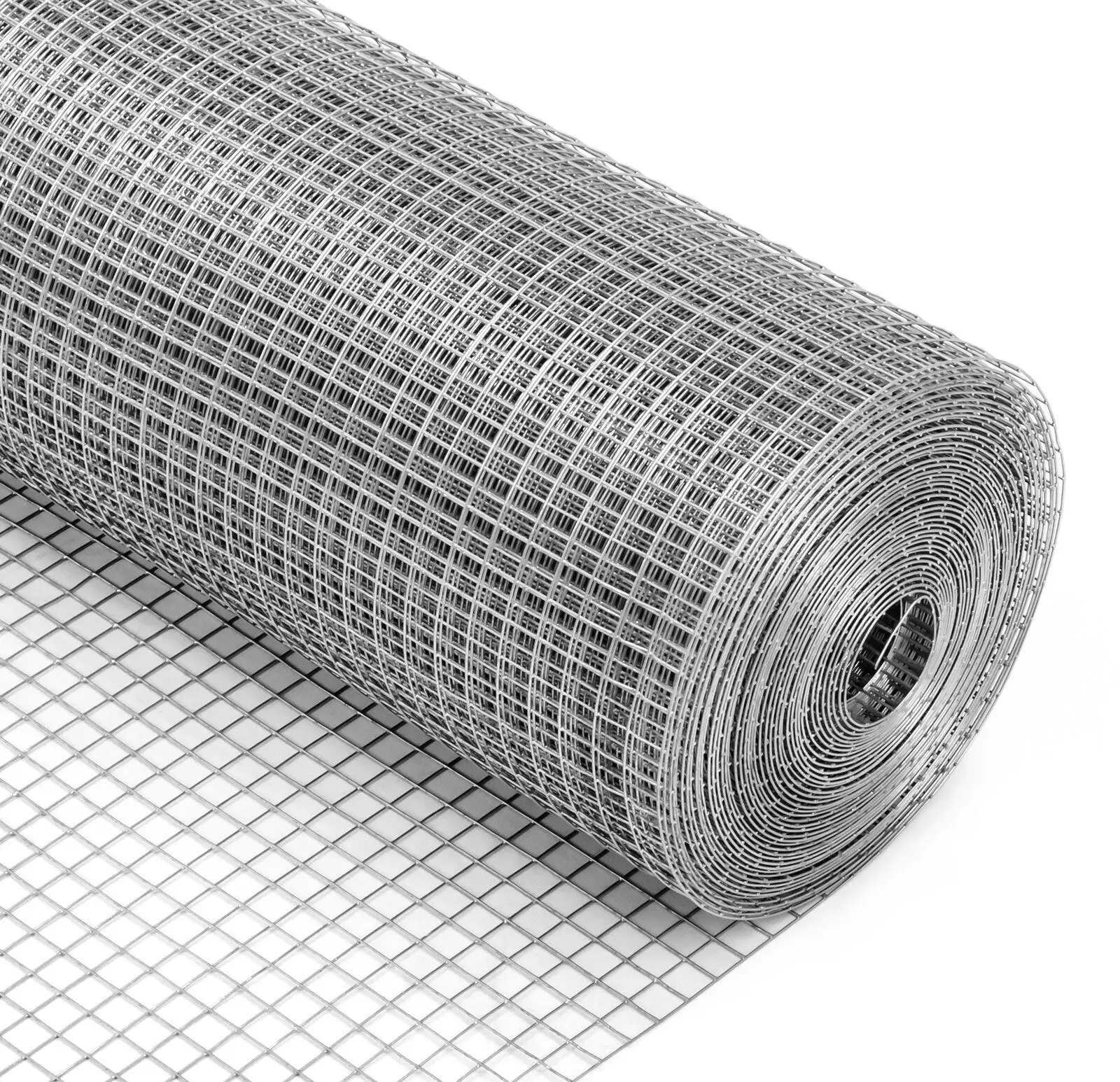
Let’s strip it down: steel perforated metal is sheet steel that has been mechanically stamped, laser-cut, or punched with regularly spaced holes or patterns. The process transforms a solid metal sheet into a multi-functional piece that lets air, light, or sound pass through at controlled rates. This isn’t just about making holes. It’s about precision engineering to create a product that meets specific parameters of strength, weight, and appearance.
In modern industry and even humanitarian fields, perforated steel’s role is pivotal. You might not realize that many shelters for displaced communities, ventilation panels in remote medical clinics, or protective grilles in industrial zones rely on these perforated sheets. Their adaptability and durability directly impact comfort and safety in tough conditions.
Core Features of Steel Perforated Metal
Durability
The foundational attribute—steel’s natural strength—remains vibrant even after perforation. Resistance to weathering, corrosion (especially when galvanized or stainless), and mechanical stress means perforated panels last longer in both indoor and outdoor applications.
Design Flexibility
Patterns can range from round holes to slots, diamonds, or custom shapes, affecting airflow, light, and structural aspects. You’re not stuck with one look or function—it fits everything from contemporary facades to industrial filters.
Weight Reduction
Removing portions of the metal reduces dead load, which benefits transportation costs and structural requirements. Oddly enough, many architects prefer perforated steel over solid panels not just for aesthetics but to lessen building weight.
Cost Efficiency
While initial setup for patterned cutting can be slightly more expensive than plain sheets, the long-term savings in energy and maintenance usually offset upfront costs. Plus, recycled steel variants are increasingly common, nudging sustainability forward.
Acoustic Performance
These panels can also serve in noise reduction (for highways, factories) by allowing sound waves to be absorbed through backing materials, rather than simply reflecting noise. This innovation enhances urban livability.
Global Applications & Use Cases
- Architecture & Construction: In Europe and East Asia, perforated metal facades offer contemporary design with natural ventilation, cutting down on HVAC energy consumption.
- Industrial Filtration: South American mining industries widely use perforated steel for sieving ore and materials, optimizing productivity.
- Humanitarian Relief: Post-disaster shelters in Southeast Asia integrate ventilated steel panels to ensure airflow and security, lasting through varied weather.
- Agriculture: Australian farms utilize perforated sheets for animal enclosures allowing sunlight while preventing pest intrusion.
These diverse roles highlight just how adaptable steel perforated metal is worldwide.
Mini Takeaway
Steel perforated metal isn’t just about holes in steel; it’s a thoughtfully engineered material meeting global demands of sustainability, style, and strength.
Advantages & Long-Term Value of Steel Perforated Metal
The benefits are both logical and emotional. Cost savings from energy efficiency and reduced material use add up. Durability minimizes replacements—saving resources and downtime. Emotionally, it provides safety and comfort in buildings or shelters, enhancing dignity especially in humanitarian contexts.
| Specification | Details |
|---|---|
| Material Grade | Stainless Steel 304/316 or Galvanized Steel |
| Sheet Thickness | 0.5 mm – 6 mm |
| Hole Diameter | 1 mm – 25 mm (customizable) |
| Open Area Percentage | 10% – 70% |
| Panel Size | Up to 1500 mm x 3000 mm (varies by vendor) |
Future Trends & Innovations
Looking ahead, steel perforated metal design leans heavily into sustainability and smart technology integration. There’s rising interest in:
- Eco-friendly coatings: Reducing VOC emissions in surface treatments.
- Digital patterning: Automated laser cutting with AI-driven customization for ultra-complex perforations.
- Integration with green energy: Using perforated panels in solar shading systems that dynamically control sunlight.
- Recycled steel applications: Increasing use of post-consumer scrap for circular economy goals.
These advancements promise even greater material efficiency and environmental benefits.
Challenges & How to Overcome Them
No product is perfect, and perforated metal is no exception. Challenges include:
- Supply chain variability: Custom perforation takes lead time, complicating tight project schedules.
- Cost fluctuations: Steel prices can be volatile, influencing final costs unpredictably.
- Corrosion risk: If improperly treated, perforated edges can rust more quickly.
Experts suggest early engagement with reliable suppliers and specifying appropriate coatings (like hot-dipped galvanizing or powder coating). Partnering with manufacturers who emphasize quality control helps keep projects on track and long-lasting.
Vendor Comparison Table: Leading Suppliers of Perforated Steel Panels
| Vendor | Material Options | Customization | Lead Time | Price Level |
|---|---|---|---|---|
| YJ Wire Mesh | SS304/SS316, Galvanized | High (custom hole shapes) | 2-3 weeks | Medium |
| GlobalPerfs | Mostly Galvanized | Medium (standard patterns) | 1-2 weeks | Low |
| SteelArt | SS400, SS304 | Low (standard sizes only) | 4-5 weeks | High |
FAQ: All You Wanted to Know About Steel Perforated Metal
Q1: What industries benefit most from steel perforated metal?
A1: Practically all sectors—construction, HVAC, automotive, mining, and even humanitarian relief—use this material. Each applies different patterns or grades depending on purpose; from acoustic panels to sturdy safety guards.
Q2: How does steel perforated metal improve energy efficiency in buildings?
A2: It allows controlled ventilation and daylight penetration, reducing reliance on artificial lighting and climate control systems. This “breathability” saves energy while maintaining comfort.
Q3: Is steel perforated metal eco-friendly?
A3: It can be, especially when made from recycled steel and coated without harmful chemicals. Its durability reduces waste from frequent replacements, aligning with sustainability goals.
Q4: How customizable are perforated steel sheets?
A4: Very customizable. Modern cutting methods enable many shapes, hole sizes, and patterns to meet exact architectural or industrial needs.
Q5: What maintenance does steel perforated metal require?
A5: Minimal if properly coated. Regular inspections to check for corrosion—especially in humid environments—help extend service life.
In Conclusion: Why Steel Perforated Metal Is a Wise Investment
Over years of writing and speaking with engineers, designers, and NGOs, it’s clear: steel perforated metal offers remarkable long-term value. Its combination of aesthetics, practicality, and sustainability unlocks solutions across industries worldwide. If you want to explore its full potential or need a trusted supplier, a quick visit to our website is a great starting point.
Interestingly, materials like these often tell a broader story about innovation meeting real-world needs—quietly but meaningfully reshaping how we build, protect, and progress.
Final Takeaway
Steel perforated metal—that’s more than just punched steel; it’s an adaptable, green-friendly hero quietly supporting global infrastructure and industry.
-
High Quality Anti Bird Agro Net for Professional Crop ProtectionNewsApr.16,2026
-
Guide to Bird Netting Cost Per Square Foot and Material OptionsNewsApr.09,2026
-
Comprehensive Guide to Bird Netting Cost Factors and Material ChoicesNewsApr.07,2026
-
Comprehensive Guide to Bird Net for Balcony Cost and Installation OptionsNewsApr.04,2026
-
Comprehensive Guide to Bird Netting Price and Effective Protection SolutionsNewsMar.31,2026
-
Comprehensive Guide to Nylon Bird Net Price Factors and OptionsNewsMar.28,2026