Steel Rod Mesh: Essential Guide to Specifications, Applications & Innovations
Steel Rod Mesh: The Backbone of Modern Structural Reinforcement
When we hear "steel rod mesh," we might think of something straightforward—just steel bars arranged in grids, right? Well, it’s actually a lot more than that. Globally, steel rod mesh forms an essential component in construction, infrastructure development, and even in disaster relief efforts. Its importance cannot be overstated because it contributes directly to safety, durability, and cost-effectiveness in building projects worldwide. Understanding steel rod mesh reveals incredible benefits, from strengthening concrete structures to enabling rapid deployment housing solutions in remote areas.
The Global Significance of Steel Rod Mesh
Steel rod mesh is inherently tied to the pulse of modern construction industries. According to ISO, consistent standards for steel reinforcement have helped improve safety and uniformity in structures worldwide. The World Bank reports that infrastructural development in emerging economies has grown 7.5% annually, much of which relies on reinforced concrete employing steel rod mesh. Yet, many challenges remain—poor quality mesh and inconsistent supply chains can cause structural failures and delays. So, smarter, standardized steel rod mesh solutions are vital to meet the massive demand while ensuring safety.
Mini takeaway: Steel rod mesh is a global construction cornerstone, enabling durable infrastructures that protect lives and economies.What Exactly Is Steel Rod Mesh?
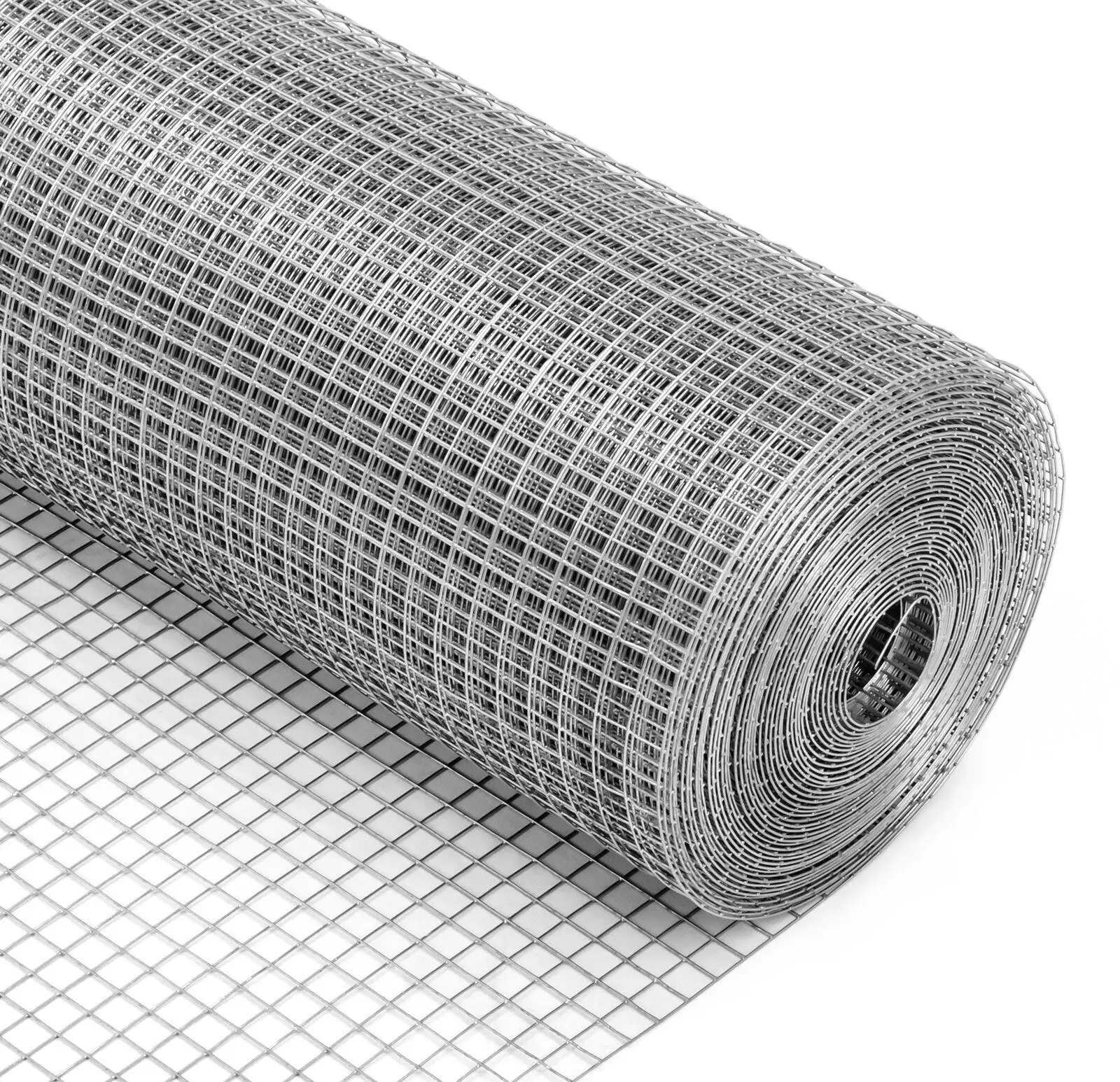
Simply put, steel rod mesh refers to welded or woven grids made from steel rods used to reinforce concrete. These meshes act as the skeletal frame inside concrete slabs, walls, pillars — basically anything that needs to resist stresses and strains. Historically, the practice evolved from placing individual rebar rods to using pre-fabricated mesh sheets, improving installation speed and labor efficiency.
In humanitarian contexts, steel rod mesh is crucial for quickly rebuilding shelters and facilities after disasters, offering strong yet flexible support. Industries such as mining, transportation, and agriculture also rely heavily on reinforced concrete employing steel rod meshes to ensure long-term reliability.
Core Aspects of Steel Rod Mesh
1. Durability
Steel rods used for mesh are typically carbon steel alloys treated to resist corrosion. This robustness makes steel rod mesh suitable for harsh environments, including coastal and industrial areas where rust and wear are major concerns.
2. Scalability
From small residential projects to giant industrial plants, steel rod mesh scales to any size. Pre-fabricated panels can be customized in dimensions and rod thickness to meet load requirements.
3. Cost Efficiency
Using standardized steel rod mesh reduces labor and material wastage. Its modular nature speeds up construction and limits errors during installation.
4. Versatility
Steel rod mesh adapts well to various structural designs—flat slabs, beams, retaining walls, and even complex curved forms. This versatility has made it a favorite among civil and structural engineers.
5. Sustainability
Steel is recyclable, and many modern meshes incorporate recycled materials. This reduces environmental impact without compromising performance.
Typical Specifications of Steel Rod Mesh
| Specification | Details |
|---|---|
| Rod Diameter | 4 mm – 16 mm |
| Mesh Opening Size | 50 mm x 50 mm up to 200 mm x 200 mm |
| Length & Width | Typically 2.4 m x 6 m (custom sizes available) |
| Material Grade | ASTM A615 Grade 40, 60 |
| Coating / Finish | Galvanized, Epoxy Coated, Stainless Steel |
| Weight | 10–50 kg per panel depending on size & rod diameter |
Global Applications & Real-World Use Cases
- Post-Disaster Relief: After earthquakes or floods, steel rod mesh enables rapid rebuilding of shelters and public infrastructure, providing safety and quick turnaround.
- Transportation Infrastructure: Roads, airports, and rail systems worldwide rely on reinforced concrete slabs with steel rod mesh to handle heavy loads and wear.
- Industrial Facilities: Chemical plants, warehouses, and factories benefit from the durability and fire resistance afforded by steel-reinforced concrete structures.
- Residential & Commercial Buildings: High-rise construction depends on robust steel rod mesh designs to meet building codes and occupant safety requirements.
- Remote or Harsh Environments: Mining camps or arctic research stations use steel rod mesh in modular building designs for resilience under extreme conditions.
For further reading on mesh-related products, visit steel rod mesh suppliers and expert resources.
Mini takeaway: Steel rod mesh is everywhere—from urban skyscrapers to temporary shelters—underscoring its essential role in global development.Advantages and Long-Term Value of Steel Rod Mesh
There’s a reason so many engineers swear by steel rod mesh: it balances cost, strength, and versatility beautifully. Investing in quality mesh means structures last longer, resist cracking, and require less maintenance. In socially sensitive projects, safer buildings maintain dignity and peace of mind for residents— hard to price but invaluable.
Environmentally, steel’s recyclability and the option for eco-friendly coatings align with sustainable building goals. Companies also note fewer construction delays and reduced labor costs when using prefabricated steel rod mesh panels.
Future Trends & Innovations in Steel Rod Mesh
Exciting stuff is happening here. Smart steel rod mesh embedded with sensors can now monitor stress and detect micro-cracks, helping maintain infrastructures proactively. Advances in polymer coatings mean better rust resistance without heavy metals. There's a global push for integrating meshes with green concrete mixes, reducing carbon footprints.
Automation in prefabrication plants promises unprecedented precision and speed, while digital design tools enable engineers to customize meshes for optimized strength-to-weight ratios.
Challenges & Expert Solutions
Yet, challenges persist. Steel corrosion remains a threat in marine or industrial settings, demanding costlier coatings or stainless variants. Supply chain disruptions can delay projects, especially in remote areas. Also, inconsistent quality standards in some markets risk structural integrity.
Experts advocate for stronger international quality certifications, investment in local manufacturing capabilities, and ongoing R&D into hybrid mesh materials. Partnering with trusted vendors who offer stringent testing reports is critical.
Comparing Leading Steel Rod Mesh Vendors
| Vendor | Product Range | Quality Certifications | Delivery Capabilities | Pricing |
|---|---|---|---|---|
| YJ Wire Mesh | Steel rod mesh, galvanized, epoxy coated, stainless | ISO 9001, ASTM certified | Global shipping, flexible packaging solutions | Competitive, volume discounts |
| Global Mesh Inc. | Steel rod mesh, welded wire mesh | ISO 14001, CE | Regional distribution centers | Mid-range pricing |
| SteelGrid Solutions | Custom meshes and prefabricated panels | ASTM certified | Just-in-time delivery, OEM partnerships | Premium pricing |
Frequently Asked Questions About Steel Rod Mesh
Q1: What sizes of steel rod mesh are most commonly used in residential construction?
A: For residential buildings, meshes typically have rod diameters from 6 mm to 12 mm with openings between 50x50 mm to 150x150 mm. These provide sufficient strength for slabs, walls, and beams while maintaining ease of handling.
Q2: Is galvanized steel rod mesh better for corrosive environments?
A: Yes, galvanized coatings protect against rust by providing a zinc barrier. For marine or chemical-exposed conditions, galvanized or epoxy-coated mesh significantly extends service life compared to bare steel.
Q3: How can NGOs source steel rod mesh for fast deployment housing internationally?
A: NGOs should work with established manufacturers like steel rod mesh suppliers offering global shipping and compliant certifications. It’s important to verify product tests and delivery timelines before large orders.
Q4: What is the typical lifespan of structures reinforced with proper steel rod mesh?
A: Properly designed and maintained reinforced concrete structures can last 50-100 years or more, depending on environment and usage. The mesh plays a crucial role in preventing cracking and structural degradation.
Conclusion: Why Steel Rod Mesh Matters for the Future
Steel rod mesh quietly underpins many of the buildings and infrastructures we depend on daily. Its combination of strength, affordability, and adaptability makes it indispensable globally—from metropolitan skyline icons to emergency shelters in a crisis. As innovations continue to improve sustainability and intelligence, steel rod mesh will only become more critical.
For trusted, high-quality products and expert advice, visit https://www.yjwiremesh.com today. Your next project deserves the backbone that steel rod mesh delivers.
Oddly enough, the simple grid of steel rods feels like the unsung hero of modern engineering.
-
High Quality Anti Bird Agro Net for Professional Crop ProtectionNewsApr.16,2026
-
Guide to Bird Netting Cost Per Square Foot and Material OptionsNewsApr.09,2026
-
Comprehensive Guide to Bird Netting Cost Factors and Material ChoicesNewsApr.07,2026
-
Comprehensive Guide to Bird Net for Balcony Cost and Installation OptionsNewsApr.04,2026
-
Comprehensive Guide to Bird Netting Price and Effective Protection SolutionsNewsMar.31,2026
-
Comprehensive Guide to Nylon Bird Net Price Factors and OptionsNewsMar.28,2026