Nylon net for agriculture represents a crucial advancement in modern farming practices, offering a versatile solution for crop protection, support, and overall yield enhancement. Its adaptability to various agricultural settings, from small-scale family farms to large commercial operations, underscores its global relevance. Understanding the properties and applications of this netting is vital for maximizing agricultural efficiency and sustainability in a world facing increasing food security challenges.
Globally, the demand for increased food production coupled with the need to minimize resource waste drives the adoption of innovative agricultural technologies. Nylon net for agriculture addresses these needs by providing a lightweight, durable, and cost-effective alternative to traditional methods. Its impact extends beyond simple crop protection; it plays a role in optimizing growing conditions and reducing reliance on harmful pesticides and herbicides, contributing to more sustainable agricultural systems.
The widespread acceptance of nylon net for agriculture reflects a growing awareness of the benefits of precision farming and the need for solutions that can adapt to changing climatic conditions. It empowers farmers to control their environment, protect their investments, and ultimately contribute to a more secure food supply for a growing global population.
Introduction to nylon net for agriculture
Nylon net for agriculture is quickly becoming a standard tool for modern farmers. Its primary function is to provide a protective barrier for crops, safeguarding them from harsh weather, pests, and even birds. This netting isn't merely a physical shield; it actively influences the microclimate around plants, optimizing conditions for growth and boosting yields.
The core benefit of utilizing nylon net for agriculture lies in its ability to increase crop quality and quantity while simultaneously reducing the need for chemical interventions. This translates to healthier produce, lower production costs, and a more sustainable farming ecosystem. nylon net for agriculture offers a practical solution for addressing the challenges of modern agricultural demands.
Global Relevance and Applications
The demand for nylon net for agriculture is driven by the increasing global population and the subsequent need for higher agricultural outputs. According to the UN's Food and Agriculture Organization, global food production needs to increase by 70% by 2050 to meet the demands of a projected 9.7 billion people. This necessitates innovative solutions like protective netting to maximize yield from existing arable land.
Regions with challenging climates, such as areas prone to hailstorms, intense sunlight, or pest infestations, benefit significantly from nylon net for agriculture. Countries in Southeast Asia, for example, heavily utilize netting to protect fruit orchards and vegetable farms from monsoon rains and insect damage. Similarly, Mediterranean regions employ netting to mitigate the effects of intense summer heat.
The World Bank has recognized the role of agricultural technologies, including protective netting, in promoting sustainable agriculture and improving livelihoods in developing countries. These nets provide a cost-effective way for smallholder farmers to enhance their productivity and access new markets.
Defining nylon net for agriculture
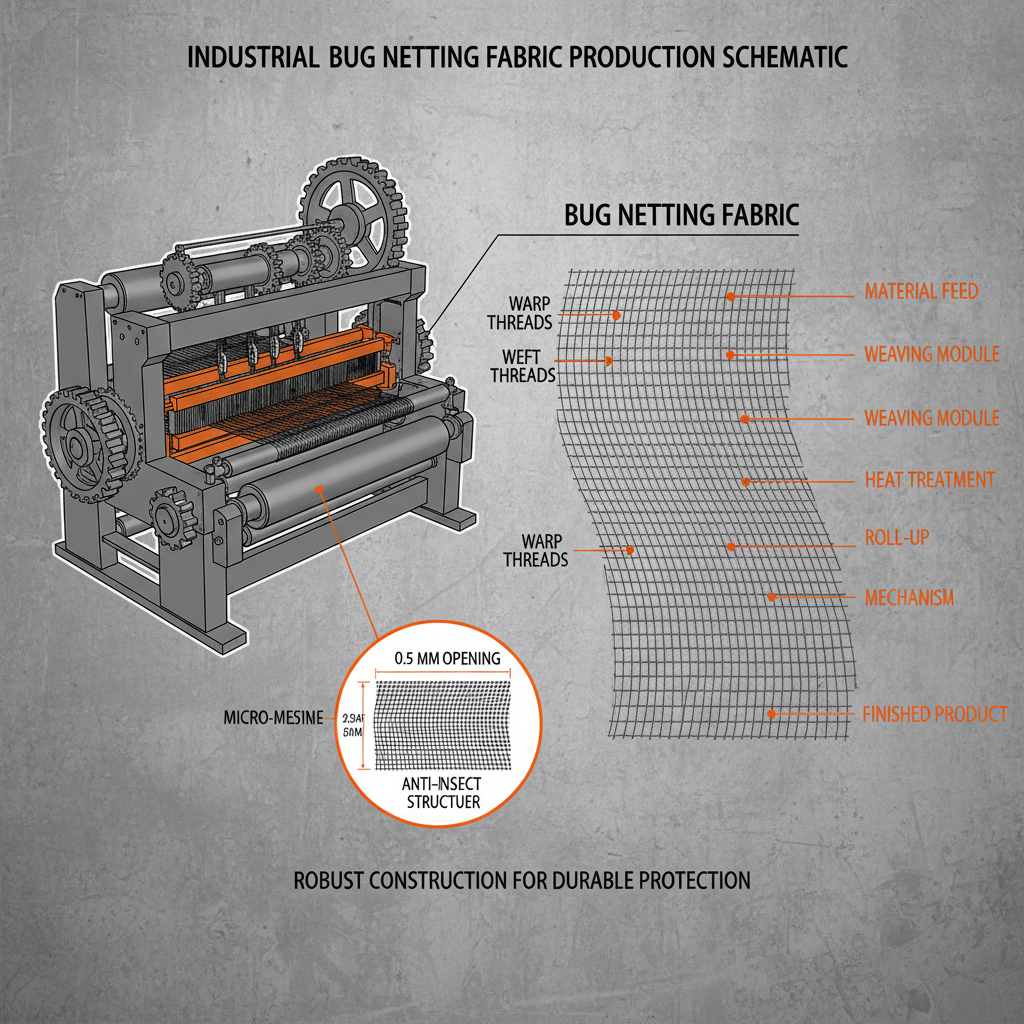
Nylon net for agriculture is a woven or knitted fabric constructed from nylon polymers, specifically designed for agricultural applications. It’s characterized by its strength, durability, lightweight nature, and resistance to UV degradation. Unlike traditional netting materials, nylon offers superior tensile strength and elasticity, making it less prone to tearing or stretching.
Its connection to modern industry isn’t simply about providing a physical barrier; it’s intrinsically linked to the broader movement towards precision agriculture. Nylon net for agriculture allows farmers to create controlled environments that optimize plant growth, reduce water consumption, and minimize reliance on pesticides. It serves as a vital component of sustainable and efficient farming systems.
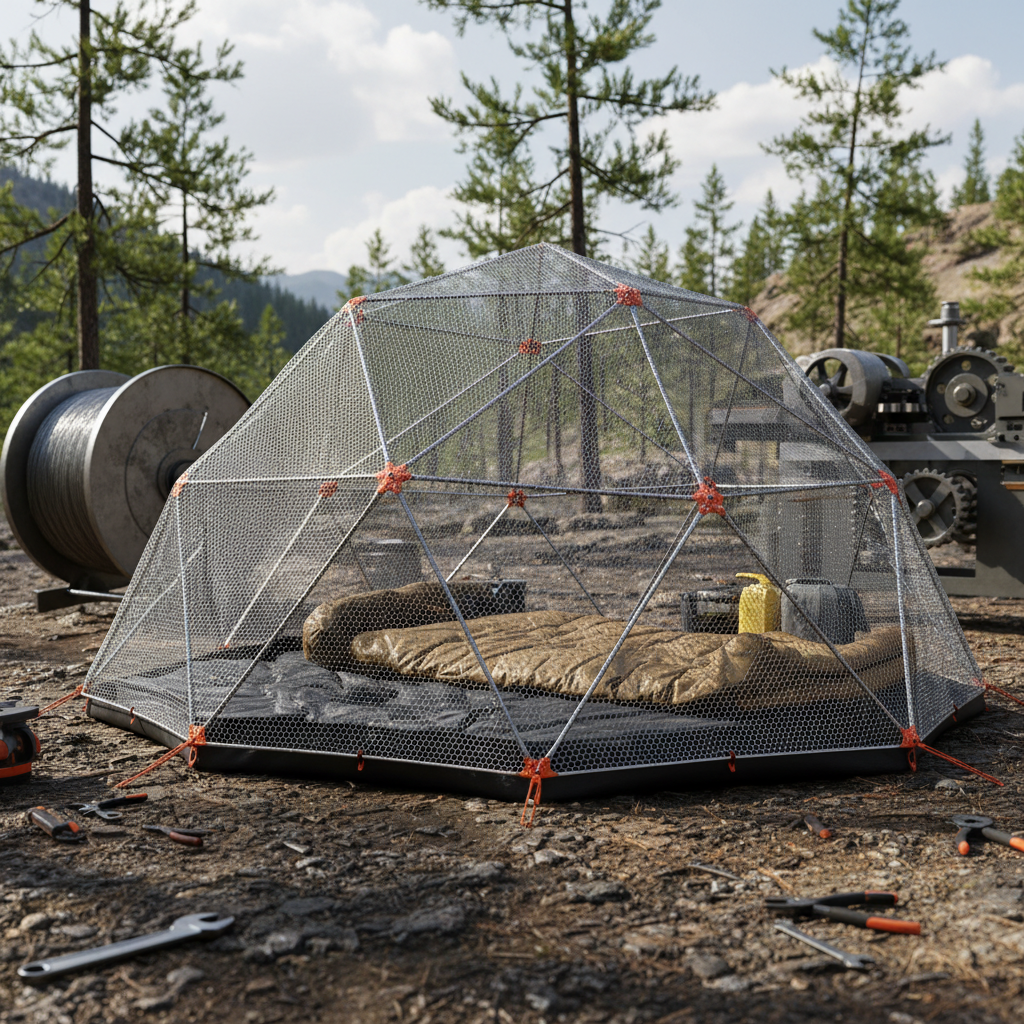
In humanitarian contexts, nylon net for agriculture can also be repurposed for constructing temporary shelters, protecting food storage, and even creating safe spaces for livestock, demonstrating its versatility beyond its primary agricultural function. This adaptability underscores its value in addressing a range of global needs.
Core Components and Key Factors
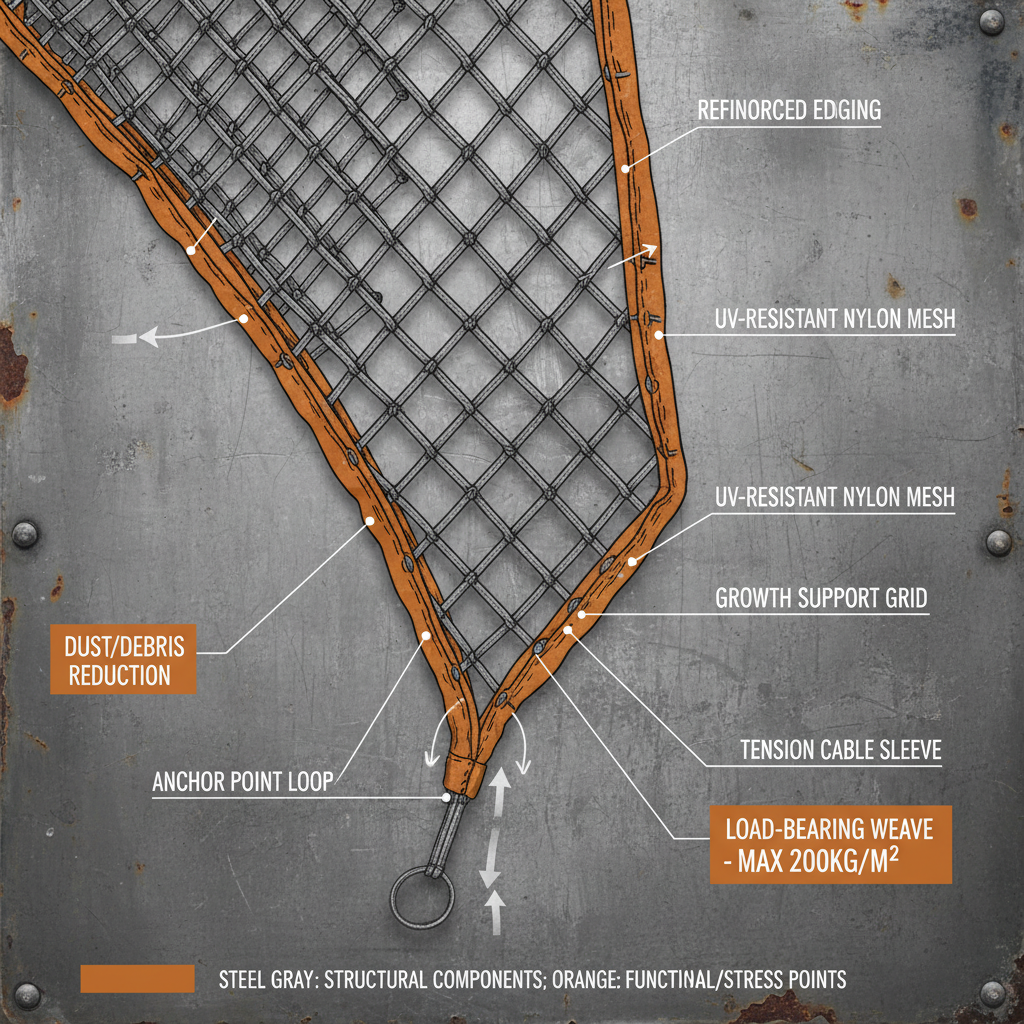
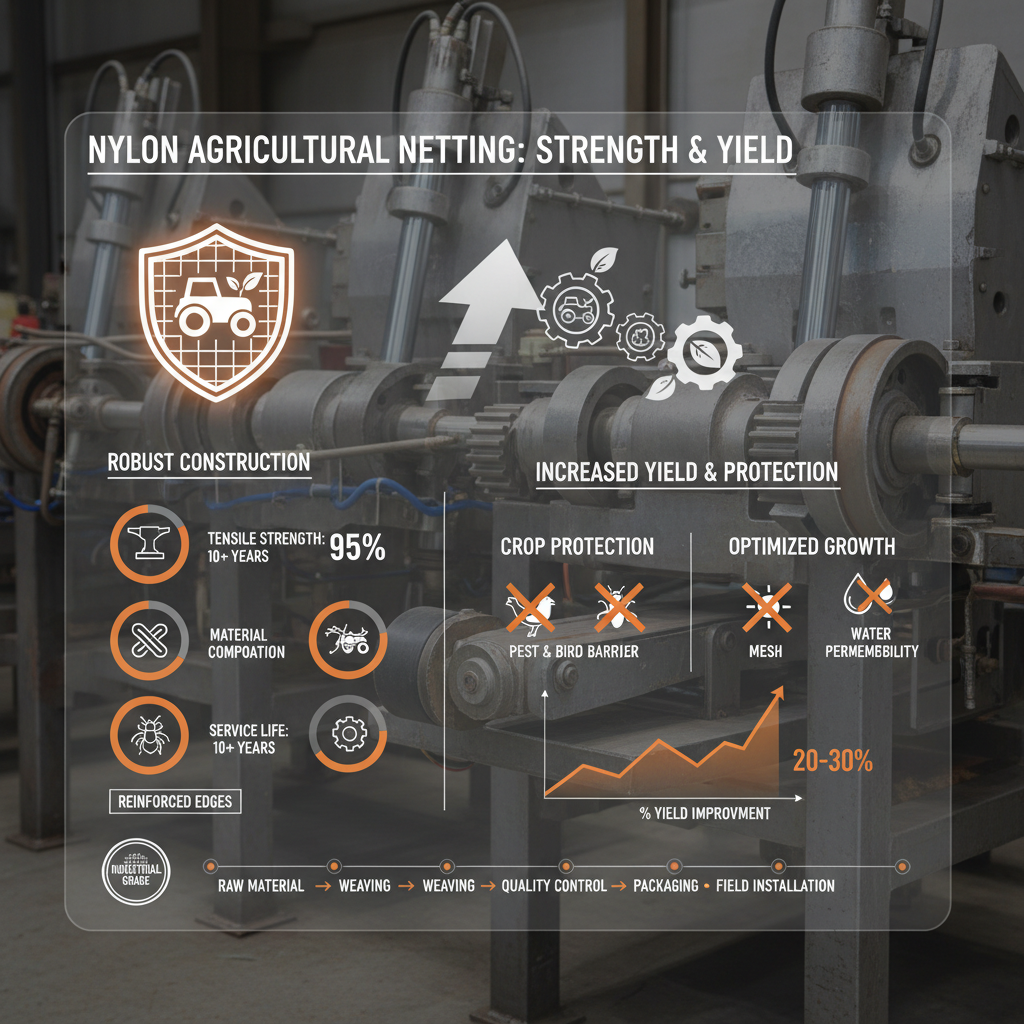
Several key factors contribute to the effectiveness of nylon net for agriculture. Firstly, its durability is paramount. High-quality nylon netting can withstand harsh weather conditions, including strong winds, heavy rain, and prolonged exposure to sunlight, ensuring long-term performance and reducing the need for frequent replacements. Secondly, mesh size is crucial, dictating the level of protection provided against different pests and environmental factors.
UV resistance is another vital component. Nylon netting specifically formulated with UV stabilizers prevents degradation from sunlight, extending its lifespan and maintaining its structural integrity. Finally, flexibility and lightweight nature facilitate easy installation and removal, minimizing labor costs and simplifying the overall farming process. These qualities all contribute to the overall cost-effectiveness of using nylon net.
Nylon Net for Agriculture Performance Metrics
Real-World Applications
In regions susceptible to hail damage, nylon net for agriculture provides critical protection for fruit orchards, preventing significant yield losses. Farmers in areas like Spain and Italy routinely employ netting to safeguard their valuable crops during hailstorm season. Similarly, in Australia, netting is used to protect vineyards from bird damage, ensuring a higher quality harvest.
Across Africa, nylon netting is increasingly being utilized in horticulture to protect vegetable crops from insect pests. This reduces the need for chemical pesticides, promoting sustainable farming practices and improving food safety. Furthermore, nylon net for agriculture plays a vital role in greenhouse construction, providing shade and regulating temperature to optimize plant growth.
Advantages and Long-Term Value
The tangible benefits of nylon net for agriculture are numerous. Reduced crop damage translates to increased yields and higher profits for farmers. Lower pesticide usage reduces environmental impact and improves food safety. The durability of the netting minimizes replacement costs, contributing to long-term cost savings.
Beyond the economic advantages, there’s a significant social impact. By ensuring a more stable food supply, nylon net for agriculture contributes to food security and improves the livelihoods of farming communities. The reliability and effectiveness of the netting foster trust and confidence among farmers, encouraging continued adoption of sustainable agricultural practices.
Future Trends and Innovations
Ongoing research and development efforts are focused on enhancing the properties of nylon netting for agriculture. This includes incorporating biodegradable materials to reduce environmental impact and integrating sensors into the netting to monitor crop conditions in real-time. Smart netting systems that automatically adjust to changing weather conditions are also under development.
The integration of digital technologies, such as drone-based inspection and data analytics, will further optimize the use of nylon net for agriculture. These technologies will enable farmers to identify areas of damage or pest infestation more quickly and efficiently, allowing for targeted interventions. Sustainability is driving a shift towards more eco-friendly nylon formulations and recycling initiatives.
Automation in netting installation and retrieval is another emerging trend, reducing labor costs and improving efficiency. These advancements promise to make nylon net for agriculture an even more valuable tool for farmers in the years to come.
FAQS
The lifespan of nylon net for agriculture varies based on UV exposure, weather conditions, and the quality of the netting itself. Generally, high-quality netting with UV stabilizers can last between 3 to 7 years. Regular inspection and maintenance can extend its lifespan. Proper storage during off-seasons is also crucial for longevity.
Choosing the right mesh size depends on the pests you need to exclude and the size of your crop. For smaller pests like insects, a finer mesh is required. Larger pests like birds necessitate a coarser mesh. Consulting with agricultural experts or suppliers can help you determine the optimal mesh size for your specific needs.
While nylon is a synthetic material, its use in agriculture can contribute to environmental sustainability by reducing pesticide use and minimizing crop damage. Efforts are underway to develop biodegradable nylon alternatives. Proper disposal and recycling of old netting are essential to minimize its environmental footprint.
Nylon netting is relatively easy to install, particularly lightweight varieties. It can be supported by various structures, including poles, wires, or existing greenhouse frameworks. Maintenance involves regular inspections for tears or damage and cleaning to remove debris. Repairs can often be made with netting tape or by patching small holes.
The initial cost of nylon netting varies depending on the size, mesh size, and quality. However, the long-term benefits, such as reduced crop losses and lower pesticide expenses, often outweigh the initial investment. Consider the lifespan of the netting and the potential return on investment when evaluating the cost.
Yes, nylon net for agriculture is generally accepted in organic farming practices as a physical barrier for pest control. However, it’s essential to ensure the netting is free from harmful chemicals or treatments that could compromise organic certification standards. Consult with your organic certification body for specific guidelines.
Conclusion
In conclusion, nylon net for agriculture stands as a pivotal advancement in modern farming, offering a compelling blend of cost-effectiveness, durability, and environmental responsibility. Its versatility extends across diverse agricultural landscapes and applications, providing a practical solution to challenges ranging from pest control to climate change mitigation. By optimizing crop yields and reducing reliance on harmful chemicals, it empowers farmers to achieve sustainable and profitable agricultural outcomes.
Looking ahead, continued innovation in materials, sensor integration, and automated installation systems will further enhance the value of nylon net for agriculture. Embracing these advancements is crucial for ensuring food security in a rapidly changing world. To explore the latest solutions and learn more about how nylon netting can benefit your farm, visit our website: www.yjwiremesh.com