Shade net for farming is becoming increasingly vital in modern agriculture, addressing challenges posed by climate change and the growing demand for food production. Its applications range from protecting sensitive crops from excessive sunlight and heat to creating microclimates conducive to optimal growth. Globally, the adoption of shade net for farming is expanding as farmers seek sustainable and cost-effective solutions to enhance yield and quality. Understanding the principles and applications of this technology is crucial for maximizing agricultural productivity in a changing world.
The need for shade net for farming is particularly acute in regions experiencing increased instances of extreme weather events, such as heatwaves and intense solar radiation. Traditional farming methods often struggle to cope with these conditions, leading to crop damage and reduced yields. Shade nets offer a practical and adaptable solution, providing a protective barrier that mitigates the harmful effects of the sun while allowing for sufficient light transmission for photosynthesis. This results in improved crop health, increased yields, and enhanced profitability for farmers.
Furthermore, the benefits of shade net for farming extend beyond mere crop protection. These nets can also reduce water evaporation, lower soil temperatures, and minimize the incidence of pest and disease outbreaks. This holistic approach to crop management contributes to more sustainable and environmentally friendly agricultural practices. As the global population continues to grow, the importance of adopting innovative technologies like shade net for farming will only increase.
Introduction to shade net for farming
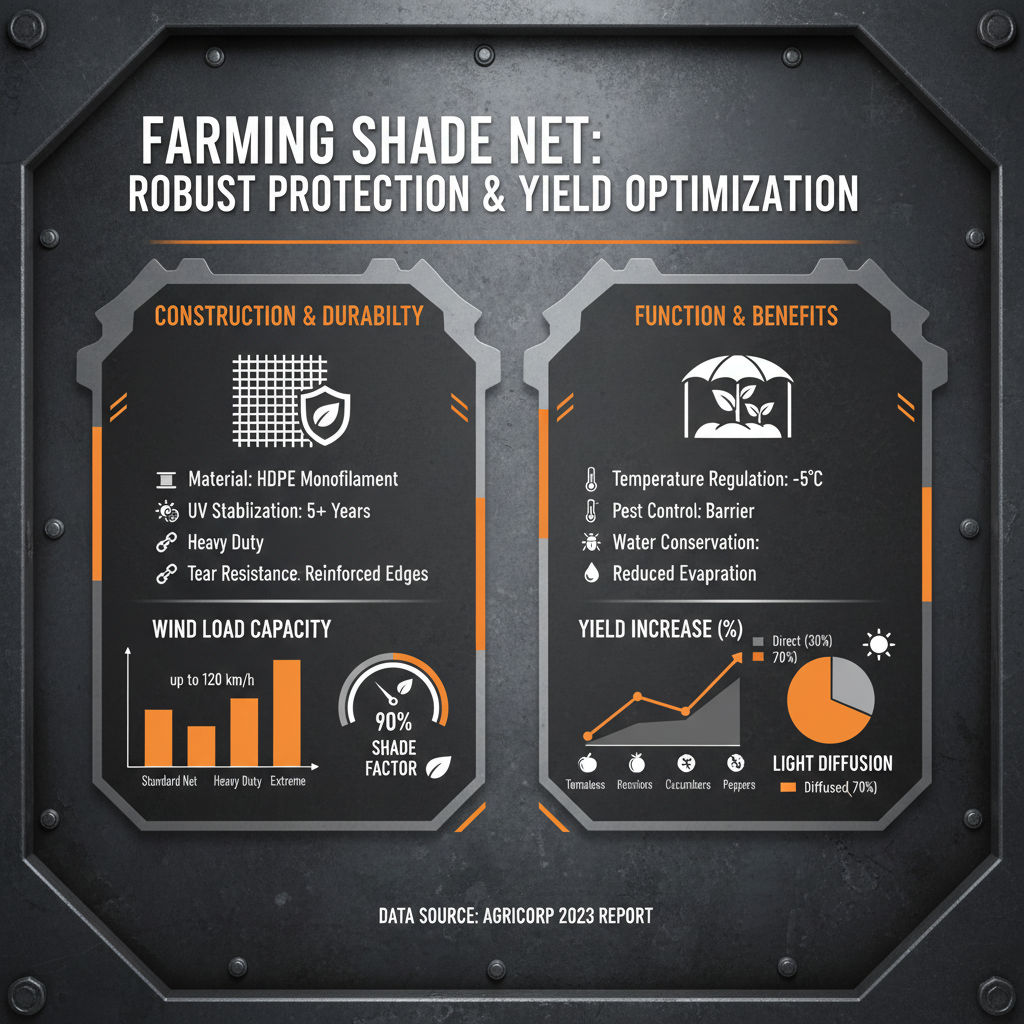
Shade net for farming, at its core, is a woven or knitted fabric designed to provide partial shade to crops. This controlled shading helps regulate temperature, reduce light intensity, and protect plants from harmful UV radiation. Modern shade nets are constructed from high-density polyethylene (HDPE) and are available in various shading percentages, allowing farmers to tailor the level of protection to specific crop requirements.
The increasing adoption of shade net for farming is driven by a growing awareness of its multifaceted benefits. It's not simply about reducing sunlight; it’s about optimizing growing conditions for improved yields, enhanced quality, and increased profitability. This technology is particularly impactful in regions experiencing climate volatility, where traditional farming methods are increasingly challenged by unpredictable weather patterns.
Global Relevance and Challenges
The global agricultural landscape is facing unprecedented challenges, including climate change, land degradation, and increasing food demand. According to the Food and Agriculture Organization of the United Nations (FAO), global food production needs to increase by 70% by 2050 to feed a projected population of 9.7 billion. Shade net for farming offers a practical solution to enhance crop yields and improve food security in the face of these challenges.
However, widespread adoption is hindered by several factors. The initial investment cost can be a barrier for smallholder farmers, particularly in developing countries. Access to reliable information and technical expertise regarding proper installation and maintenance is also limited. Furthermore, the quality of available shade nets can vary significantly, impacting their durability and effectiveness.
Despite these challenges, the potential benefits of shade net for farming are substantial. The World Bank recognizes the importance of climate-smart agriculture, and shade netting aligns with this approach by providing a resilient and sustainable solution for protecting crops from extreme weather events and optimizing growing conditions.
Defining shade net for farming
Shade net for farming refers to the use of knitted or woven netting materials to reduce sunlight intensity and provide protection for crops. This is achieved by intercepting a percentage of the incoming solar radiation, creating a more favorable microclimate for plant growth. Shade nets are not just about reducing light; they also influence temperature, humidity, and wind speed, creating an environment that minimizes stress on plants.
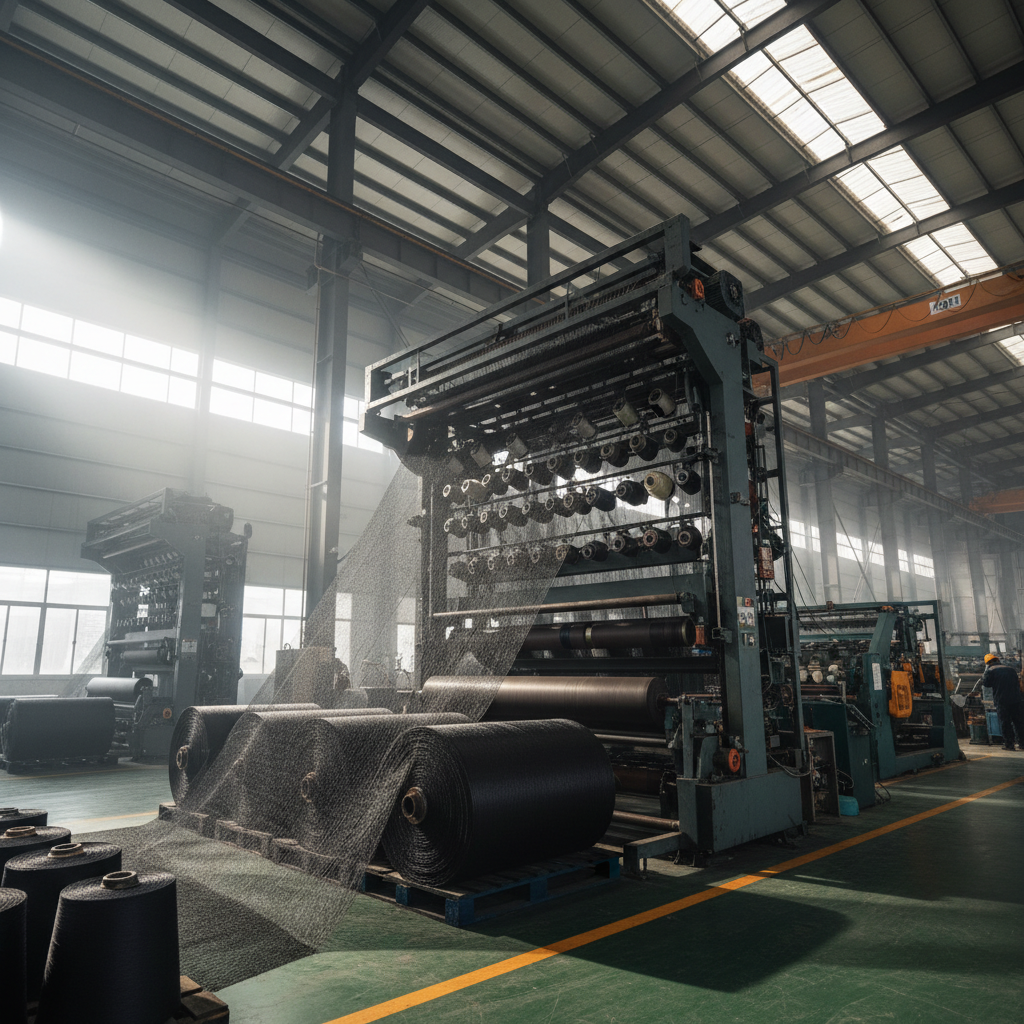
The connection to modern industry lies in the advancements in polymer technology and textile manufacturing. High-density polyethylene (HDPE) is the dominant material used in shade net production due to its strength, durability, and UV resistance. Furthermore, the industry is evolving to incorporate specialized additives that enhance the net's performance, such as anti-infrared additives and anti-oxidation stabilizers.
In terms of humanitarian needs, shade net for farming plays a vital role in post-disaster relief efforts and supporting food security in vulnerable communities. It enables rapid restoration of agricultural production in areas affected by drought, floods, or other natural disasters, providing a crucial source of food and livelihood for affected populations.
Core Components and Factors
Several key factors contribute to the effectiveness of shade net for farming. Firstly, shading percentage is crucial. Different crops require varying levels of shade, and selecting the appropriate percentage is essential for optimal growth. Secondly, durability is paramount. Nets must withstand harsh weather conditions, including strong winds, heavy rain, and intense sunlight.
Thirdly, air permeability is important for ventilation and preventing the build-up of humidity, which can lead to disease outbreaks. Fourthly, UV resistance is vital to prevent the net from degrading over time. Lastly, installation and maintenance are critical. Proper installation ensures optimal performance, and regular maintenance extends the net's lifespan.
shade net for farming Performance by Method
Applications Around the World
shade net for farming is utilized extensively in greenhouse structures globally, offering controlled environments for year-round crop production. In Israel, a pioneer in agricultural technology, shade nets are integral to maximizing yields in arid and semi-arid regions. Similarly, in Southeast Asia, particularly in countries like Thailand and Vietnam, shade nets are widely used in fruit and vegetable cultivation to protect crops from intense sunlight and monsoon rains.
In post-disaster relief operations, shade net for farming provides a rapid and effective means of restoring agricultural livelihoods. NGOs often deploy shade nets to communities affected by natural disasters, enabling farmers to quickly re-establish crop production and ensure food security. In remote industrial zones, where access to conventional greenhouses may be limited, shade netting offers a cost-effective and adaptable solution for protected agriculture.
Advantages and Long-Term Value
The advantages of shade net for farming are multifaceted. Economically, it reduces production costs by minimizing crop losses and optimizing resource utilization. Environmentally, it promotes sustainable agriculture by reducing water consumption and the need for pesticides. Socially, it enhances food security and improves the livelihoods of farmers.
The long-term value lies in its resilience and adaptability. Shade nets offer a cost-effective solution for mitigating the impacts of climate change and ensuring sustainable agricultural production. The psychological benefit of increased yields and reduced risk also contributes to farmer well-being and fosters a sense of security.
Future Trends and Innovations
Emerging trends in shade net for farming include the integration of smart technologies, such as sensors and automated control systems. These systems can monitor environmental conditions and automatically adjust shading levels to optimize crop growth. Furthermore, the development of biodegradable shade nets is gaining momentum, addressing environmental concerns associated with plastic waste.
Innovations in materials science are also leading to the creation of more durable and efficient shade nets. Anti-infrared additives are being incorporated to further reduce heat build-up, while specialized coatings are enhancing UV resistance. The convergence of these technologies promises to revolutionize shade net for farming and unlock even greater potential for sustainable agricultural production.
The role of digital transformation, particularly in data analytics and precision agriculture, will be crucial in optimizing shade net usage. By analyzing data on crop performance and environmental conditions, farmers can fine-tune shading strategies to maximize yields and minimize resource consumption.
Challenges and Solutions
Despite its benefits, shade net for farming faces challenges related to cost, accessibility, and proper implementation. The initial investment can be prohibitive for smallholder farmers, and the lack of technical expertise can lead to suboptimal performance. Furthermore, the potential for plastic waste is a growing environmental concern.
Solutions involve developing affordable financing options for farmers, providing comprehensive training programs on installation and maintenance, and promoting the use of biodegradable shade net materials. Collaborative efforts between governments, NGOs, and the private sector are essential to address these challenges and ensure equitable access to this technology.
Summary of shade net for farming Challenges and Mitigation Strategies
| Challenge |
Impact on Farmers |
Mitigation Strategy |
Expected Outcome |
| High Initial Cost |
Limited Access for Smallholders |
Microfinance Programs, Subsidies |
Increased Adoption Rate |
| Lack of Technical Expertise |
Suboptimal Installation & Maintenance |
Training Workshops, Extension Services |
Improved Net Performance |
| Plastic Waste Generation |
Environmental Pollution |
Biodegradable Net Materials, Recycling Programs |
Reduced Environmental Impact |
| Limited Awareness |
Slow Adoption Rate |
Awareness Campaigns, Demonstration Farms |
Increased Farmer Interest |
| Quality Control Issues |
Short Net Lifespan |
Certification Standards, Quality Assurance |
Enhanced Net Durability |
| Vulnerability to Strong Winds |
Net Damage & Replacement Costs |
Reinforced Net Structures, Windbreaks |
Reduced Damage Risk |
FAQS
Shade nets come in a range of shading percentages, typically from 30% to 90%. The appropriate percentage depends on the specific crop and its light requirements. Leafy vegetables like lettuce generally require higher shade levels (60-70%) to prevent leaf burn, while fruiting vegetables like tomatoes may benefit from moderate shade (40-50%). Consider the climate and intensity of sunlight in your region when selecting the optimal shading percentage for your crops.
A high-quality shade net typically lasts between 3 to 5 years, depending on the climate, UV exposure, and maintenance. Regular maintenance includes cleaning the net to remove dust and debris, repairing any tears or holes promptly, and ensuring the net is securely fastened to prevent damage from wind. Proper storage during the off-season can also extend its lifespan.
Yes, shade net for farming is compatible with organic agriculture practices. It provides a physical barrier against pests and diseases, reducing the need for chemical pesticides. It also helps conserve water and improve soil health, aligning with the principles of organic farming. However, it’s important to ensure the shade net material itself is certified organic or meets organic standards.
The cost of installing shade net for farming varies depending on the size of the area, the type of net, and the installation method. Costs include the net material, supporting structures (posts, wires, etc.), and labor. Some governments and agricultural organizations offer subsidies or financial assistance programs to encourage the adoption of climate-smart technologies like shade netting. Research local programs to determine eligibility.
Traditional shade nets are made from polyethylene (PE), which is recyclable, but often not widely recycled due to logistical challenges. The industry is increasingly focused on developing biodegradable shade net materials made from plant-based polymers. When disposing of used shade nets, explore recycling options if available, or consider repurposing the material for other applications. Choosing durable, high-quality nets can also minimize waste.
Shade netting significantly alters the microclimate. It reduces air and soil temperatures, lowers sunlight intensity, decreases wind speed, and increases humidity compared to open field farming. This creates a more controlled environment that can optimize plant growth, reduce water stress, and protect crops from harsh weather conditions. The degree of alteration depends on the shading percentage and the net's permeability.
Conclusion
In conclusion, shade net for farming represents a powerful and versatile tool for enhancing agricultural productivity, promoting sustainability, and ensuring food security. Its ability to mitigate the impacts of climate change, reduce resource consumption, and improve crop yields makes it an indispensable technology for modern agriculture. From smallholder farms to large-scale commercial operations, shade netting offers a cost-effective and adaptable solution for optimizing growing conditions.
Looking ahead, continued innovation in materials science, smart technologies, and sustainable practices will further unlock the potential of shade net for farming. By embracing these advancements and fostering collaborative partnerships, we can harness the power of this technology to build a more resilient and food-secure future. Visit our website at www.yjwiremesh.com to learn more about our high-quality shade net solutions.