Look, I’ve spent the last twenty years on construction sites – breathing dust, dodging forklifts, and talking shop with the folks who actually build things. And over those years, one thing’s become clear: efficient insect control isn’t a luxury, it’s a necessity. It impacts worker safety, project timelines, and even the quality of the final product. We’re talking about more than just swatting flies; it’s about preventing disease transmission, minimizing distractions, and ensuring a productive environment. A good insect catching net isn’t just a piece of kit, it's a vital part of a well-run operation.
The need for reliable insect control is only growing. Climate change is expanding the range of disease-carrying insects, and projects are increasingly located in challenging environments. We see it in everything from large-scale infrastructure projects in tropical regions to simple renovations in urban areas. It's not about being afraid of bugs; it's about proactively mitigating risks. The right insect catching net can make the difference between a smooth project and a costly, frustrating one.
I’ve seen too many projects bogged down by insect-borne illnesses and worker discomfort. It’s a hidden cost that doesn’t always show up on the budget, but it’s real. That’s why I’m a firm believer in investing in quality insect control solutions, and why I’m always evaluating new technologies and materials to keep my crews safe and productive.
The Importance of Insect Catching Nets in Construction
Honestly, a lot of folks overlook the impact of insects on a construction site. They think it’s a minor annoyance. But I’ve seen projects delayed, workers sidelined with West Nile or Zika, and morale plummet because of relentless mosquito infestations. A quality insect catching net is the first line of defense. It's about protecting your people, protecting your schedule, and protecting your investment.
It's not just about the immediate health concerns. Consider the lost productivity from workers constantly swatting at bugs, the potential for damage to materials left exposed, and the overall impact on site cleanliness. A well-maintained insect control system, starting with a robust net, pays for itself very quickly.
Defining Insect Catching Nets: Beyond the Simple Net
People picture a simple mosquito net draped over a bed when you say ‘insect catching net.’ But the reality, especially in an industrial context, is far more sophisticated. We’re talking about engineered systems, often incorporating specialized materials, structural support, and even integrated sensors. It’s about creating a physical barrier that effectively keeps insects out while allowing for airflow and visibility.
The key is understanding the specific insect pressures of the location. A net designed for mosquitoes won’t cut it if you’re battling biting flies or dust mites. Material choice is crucial – durability, UV resistance, and mesh size all matter. And it needs to be properly installed and maintained to be effective.
Essentially, a modern insect catching net is a customized environmental control solution, designed to integrate seamlessly with the construction process. It’s not an afterthought; it’s a core component of site safety and efficiency.
Key Factors for Effective Insect Catching Net Performance
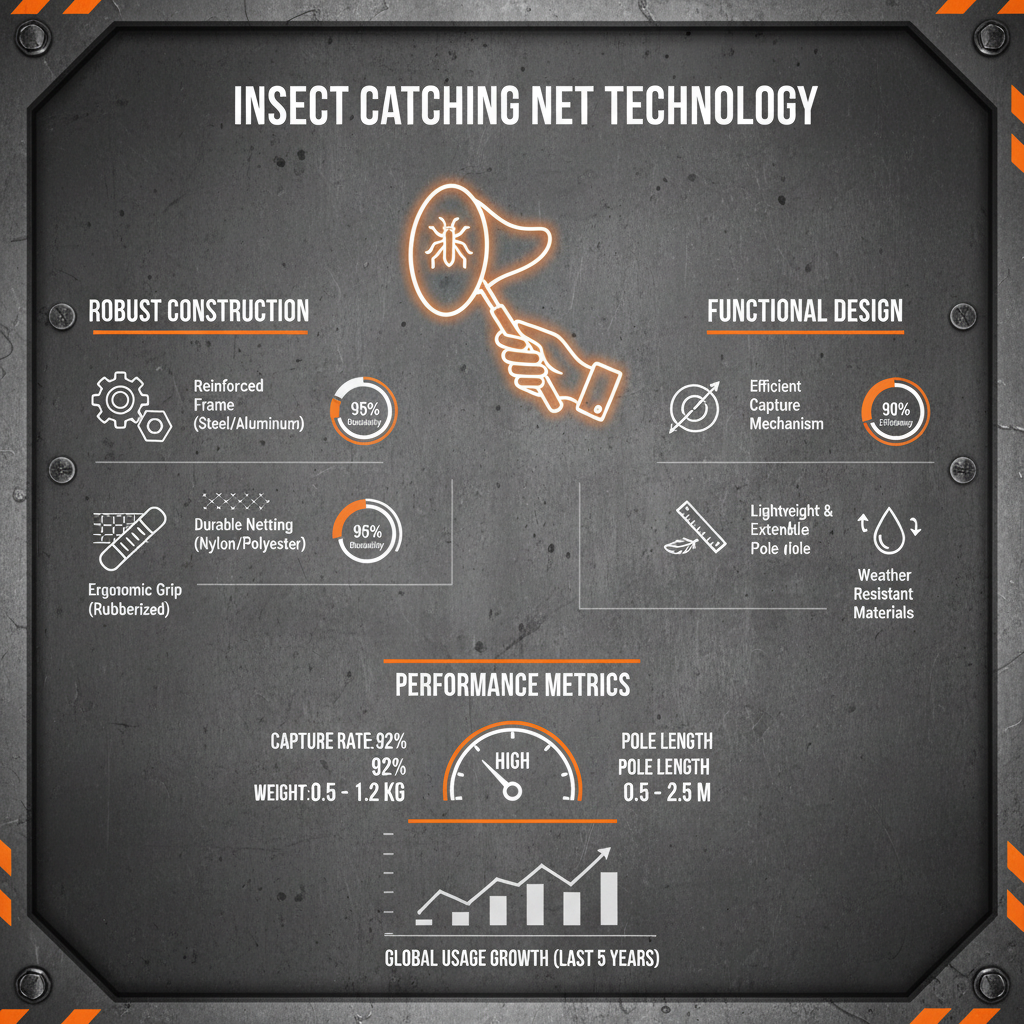
Durability is paramount. These nets take a beating – wind, rain, impacts from equipment. Cheap nets rip and tear quickly, rendering them useless. You need something built to withstand the rigors of a construction site. The material needs to be resistant to degradation from sunlight and chemicals too.
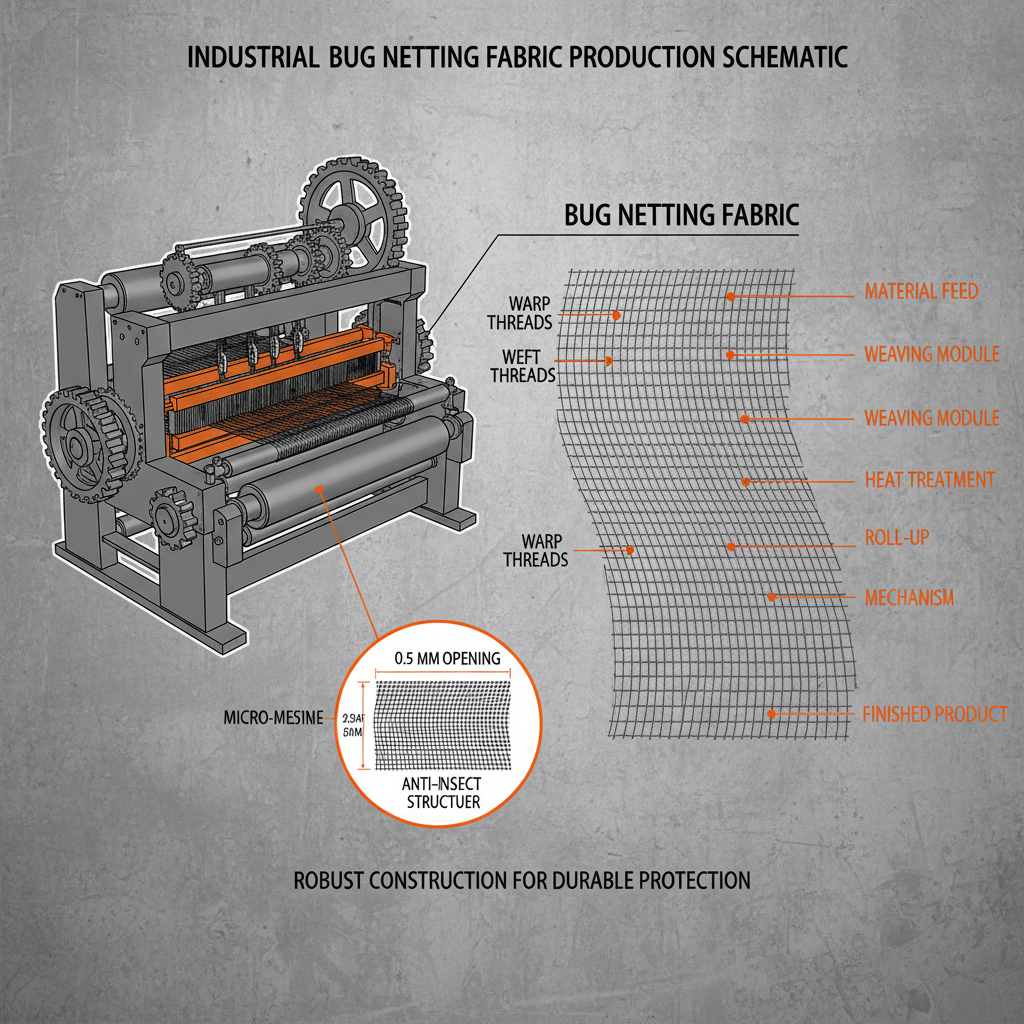
Mesh size is critical. Too large, and insects get through. Too small, and it restricts airflow, creating a stagnant, uncomfortable environment. Finding the optimal balance depends on the target insects and the local climate. Different weaves also affect visibility and the amount of light that passes through.
Installation is often the weak link. A poorly installed net is worse than no net at all. It needs to be taut, properly secured, and regularly inspected for damage. Proper anchoring is also crucial to prevent the net from becoming a hazard in high winds. We always prioritize skilled installation crews.
Global Applications of Insect Catching Nets in Industry
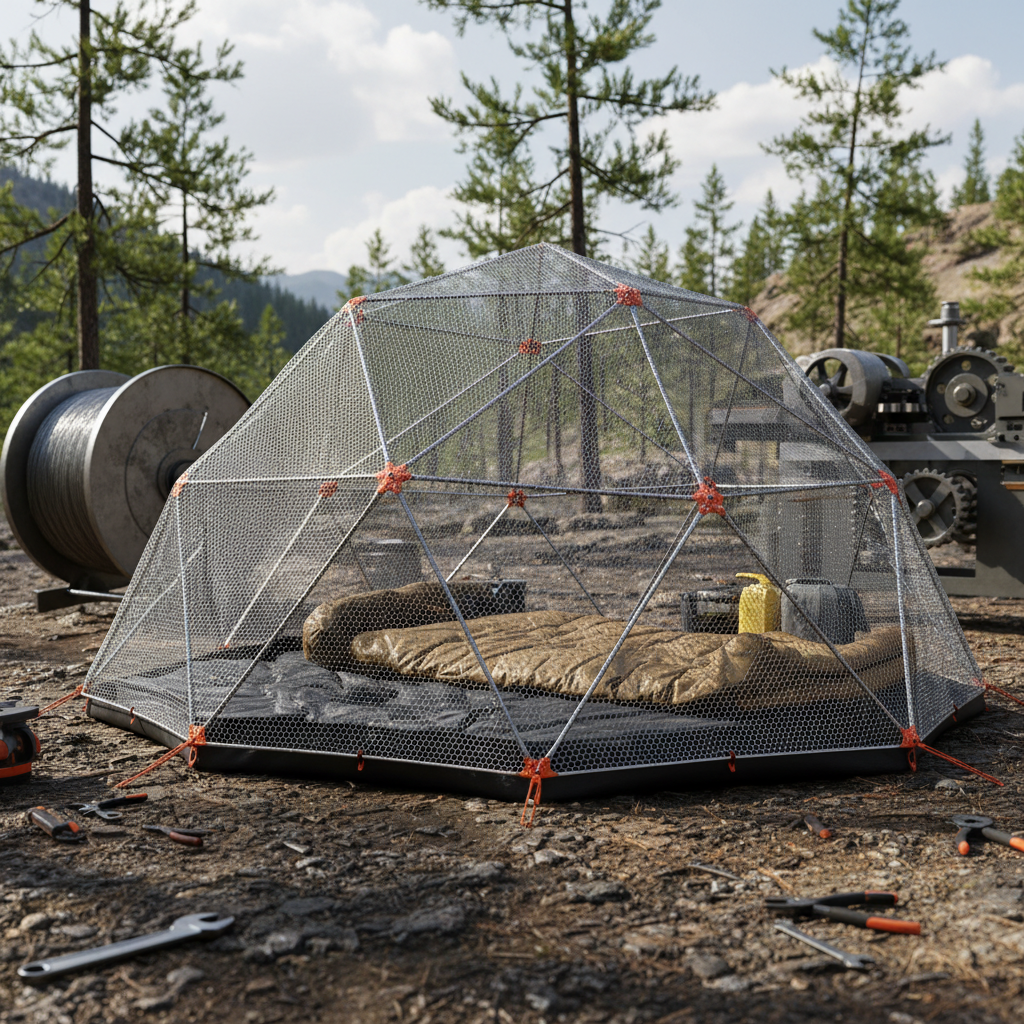
I’ve seen these nets used everywhere, from massive oil refinery construction in the Middle East to smaller-scale residential projects in the US. In post-disaster relief operations, they're vital for creating safe, habitable spaces quickly. They're also crucial in food processing facilities to maintain hygiene standards and prevent contamination.
In remote industrial zones, where access to healthcare is limited, a robust insect catching net system can be a life-saver. They’re becoming increasingly common in agricultural settings, protecting crops from insect damage.
And it's not just about physical structures. We're seeing nets used to enclose equipment, protect outdoor storage areas, and even create temporary clean rooms on-site. The applications are expanding as people realize the benefits.
Insect Catching Net Effectiveness by Application
Advantages and Long-Term Value of Implementing Insect Catching Nets
The initial cost of a good insect catching net system can be higher than some alternatives, but the long-term benefits far outweigh the investment. We’re talking about reduced healthcare costs, increased productivity, and improved worker morale. It's a preventative measure that saves money and headaches down the line.
From a sustainability standpoint, it reduces reliance on chemical insecticides, which can have harmful environmental effects. And let's not forget the human element – providing a safe and comfortable working environment fosters trust and loyalty among your workforce.
Future Trends and Innovations in Insect Catching Net Technology
We’re starting to see nets integrated with sensors that can detect insect activity and trigger automated responses, like releasing natural repellents. Researchers are developing new materials that are even more durable, lightweight, and UV resistant.
I also anticipate increased use of drone technology for net installation and maintenance, particularly in hard-to-reach areas. And the development of biodegradable net materials will be a game-changer from a sustainability perspective.
Challenges and Solutions in Insect Catching Net Deployment
One of the biggest challenges is proper maintenance. Nets get damaged, they get dirty, and they need to be regularly inspected and repaired. Too often, this gets overlooked until there’s a problem. Implementing a routine inspection schedule and training workers on proper net care is essential.
Another challenge is adapting to different site conditions. A net that works well in a sheltered courtyard might not hold up in an exposed coastal location. Careful site assessment and material selection are crucial.
And finally, getting buy-in from all stakeholders – from management to workers – is essential. Everyone needs to understand the importance of insect control and their role in maintaining the system.
Summary of Insect Catching Net Challenges and Potential Solutions
| Challenge |
Impact Level (1-10) |
Potential Solution |
Implementation Cost (Low, Medium, High) |
| Net Damage |
7 |
Regular Inspection & Repair Program |
Low |
| Site-Specific Adaptation |
8 |
Detailed Site Assessment & Material Selection |
Medium |
| Lack of Worker Awareness |
6 |
Comprehensive Training Program |
Low |
| Extreme Weather Conditions |
9 |
Reinforced Netting & Secure Anchoring |
Medium |
| Maintenance Neglect |
7 |
Scheduled Maintenance Reminders & Checklists |
Low |
| Limited Budget |
5 |
Prioritize Key Areas & Phased Implementation |
Low |
FAQS
That varies widely depending on the material and the environment, but generally, you can expect 1-3 years of reliable service with proper maintenance. UV exposure is the biggest enemy. Look for nets with UV stabilizers. We typically budget for replacement every two years as a conservative estimate.
Avoid harsh chemicals and abrasive cleaners. A mild soap and water solution is best, applied with a soft brush or sponge. Rinse thoroughly and allow to air dry completely before reinstalling. Regular cleaning prevents the buildup of debris that can weaken the net and create breeding grounds for insects.
A mesh size of 1.2mm is generally effective for both mosquitoes and common house flies. However, if you’re dealing with smaller insects like gnats, you might need to go down to 0.8mm. It's about finding the balance between insect exclusion and airflow.
Yes, but proper anchoring is crucial. We recommend using reinforced anchor points and wind-resistant netting materials. Regularly inspect the anchors to ensure they remain secure, especially after severe weather events. Properly installed nets can withstand fairly strong winds.
Absolutely. Ensure the net material is fire-retardant or treated with a flame retardant. Check local fire codes to ensure compliance. Avoid using nets near open flames or heat sources. Safety should always be the top priority.
Costs vary based on the size of the area, the type of netting material, and installation complexity. Factor in the cost of the net itself, the anchoring system, installation labor, and ongoing maintenance. A well-planned system, while initially an investment, pays for itself through reduced health risks and increased productivity.
Conclusion
So, there you have it. A well-implemented insect catching net system isn’t just about keeping bugs out; it’s about protecting your workforce, ensuring project efficiency, and creating a safer, more productive work environment. It’s a small investment that can yield significant returns.
Don't treat insect control as an afterthought. Integrate it into your project planning from the start. Research your options, choose quality materials, and prioritize proper installation and maintenance. Your team – and your bottom line – will thank you for it. For more information on high-quality insect catching nets and tailored solutions, visit our website: www.yjwiremesh.com