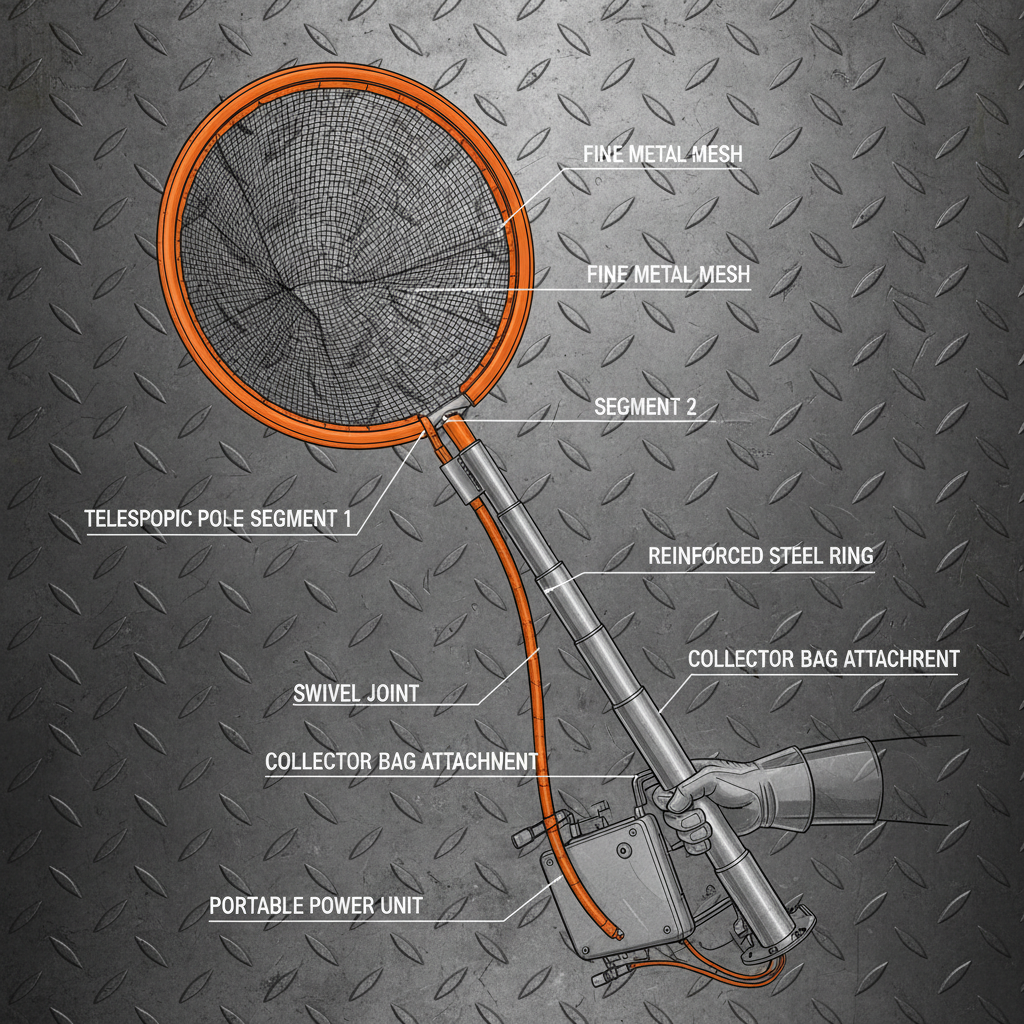
Camping bug nets are essential tools for anyone venturing into the outdoors, providing a crucial barrier against insects, particularly mosquitoes, flies, and ticks. These nets are not merely a convenience but a vital component of outdoor safety and comfort, preventing potentially irritating bites and, more importantly, protecting against insect-borne diseases. The global demand for effective insect protection, especially in regions prone to mosquito-borne illnesses like malaria and Zika virus, underscores the significance of reliable camping bug nets. camping bug net solutions are thus crucial for both recreational enthusiasts and public health initiatives.
The market for camping bug nets is experiencing consistent growth, driven by the increasing popularity of outdoor activities like camping, hiking, and backpacking. Furthermore, awareness of vector-borne diseases is on the rise, prompting individuals to proactively seek protective measures. This demand extends beyond recreational users; humanitarian organizations often deploy camping bug nets as part of disaster relief and disease prevention programs, especially in vulnerable communities. Understanding the different types, materials, and deployment methods of these nets is paramount for ensuring optimal protection.
Investing in a quality camping bug net is a small price to pay for peace of mind and protection from potentially serious health risks. From lightweight backpacking nets to larger, family-sized solutions for campsites, the availability of diverse options caters to a wide range of needs and preferences. The development of durable, treated nets provides long-lasting defense and minimizes the need for frequent replacements, representing a sustainable and cost-effective solution for insect protection.
The Importance of Camping Bug Nets
The proliferation of mosquito-borne illnesses globally emphasizes the necessity of preventative measures, and a camping bug net remains a cornerstone of personal protection. Beyond the discomfort of insect bites, diseases like malaria, dengue fever, and West Nile virus pose significant health risks, particularly in tropical and subtropical regions. A well-maintained camping bug net provides a physical barrier, minimizing exposure to these disease vectors.
Furthermore, camping bug nets offer protection from other biting insects, such as black flies, ticks, and gnats, contributing to a more comfortable and enjoyable outdoor experience. These insects can transmit diseases beyond those carried by mosquitoes, making a comprehensive insect protection strategy vital for anyone spending time in nature.
Defining a Camping Bug Net
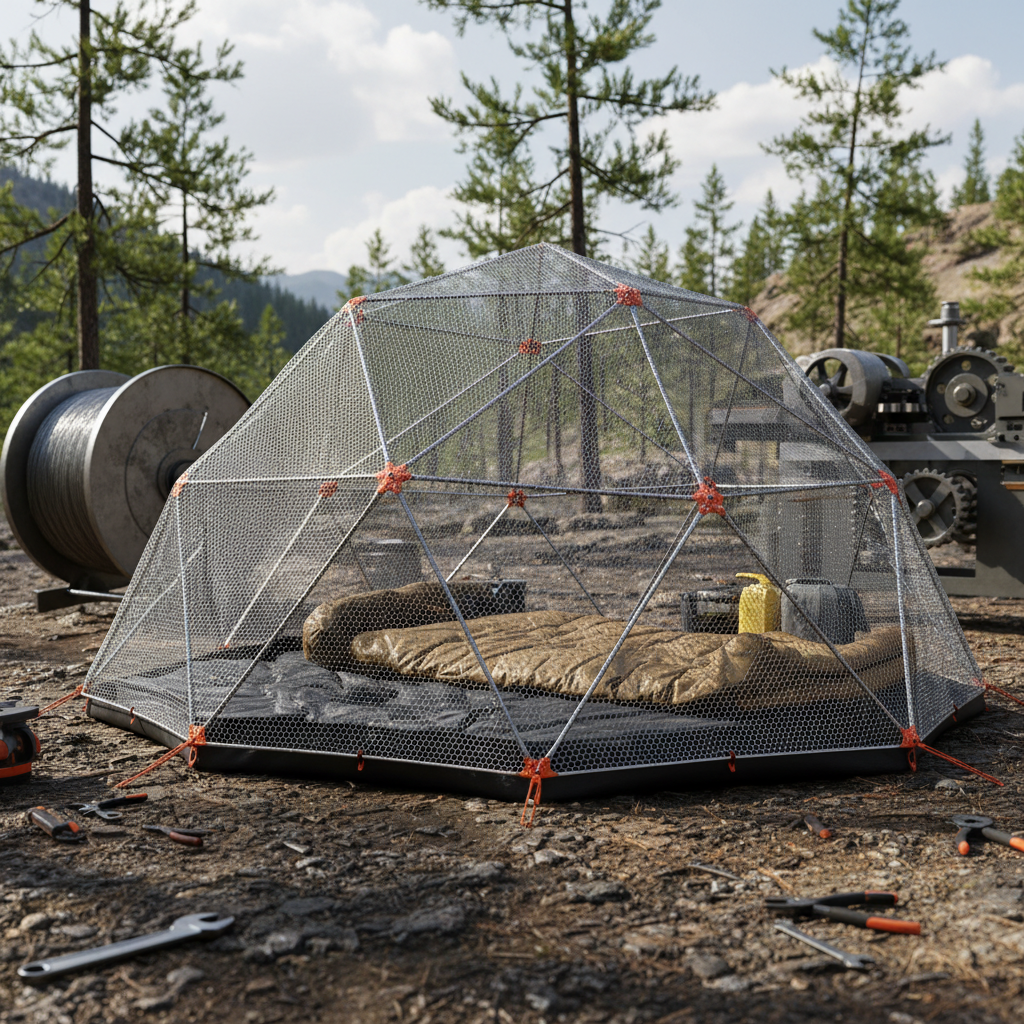
A camping bug net is a mesh barrier designed to keep insects away from individuals while sleeping or relaxing outdoors. Typically constructed from lightweight, tightly woven materials like polyester or nylon, these nets are designed to allow airflow while preventing insects from entering. They come in various forms, including mosquito nets that hang over beds, freestanding pop-up nets, and head nets for hiking.
The evolution of camping bug nets reflects advancements in textile technology and a growing understanding of insect behavior. Early nets were often made from coarser materials, offering limited protection and airflow. Modern nets incorporate finer meshes and, increasingly, insecticidal treatments like permethrin to enhance their effectiveness.
In a broader context, the concept of using physical barriers for insect control extends beyond recreational camping. Insecticide-treated nets (ITNs) are a crucial component of global health initiatives aimed at reducing the incidence of malaria and other vector-borne diseases, demonstrating the far-reaching impact of this simple yet effective technology.
Key Factors of Camping Bug Net Effectiveness
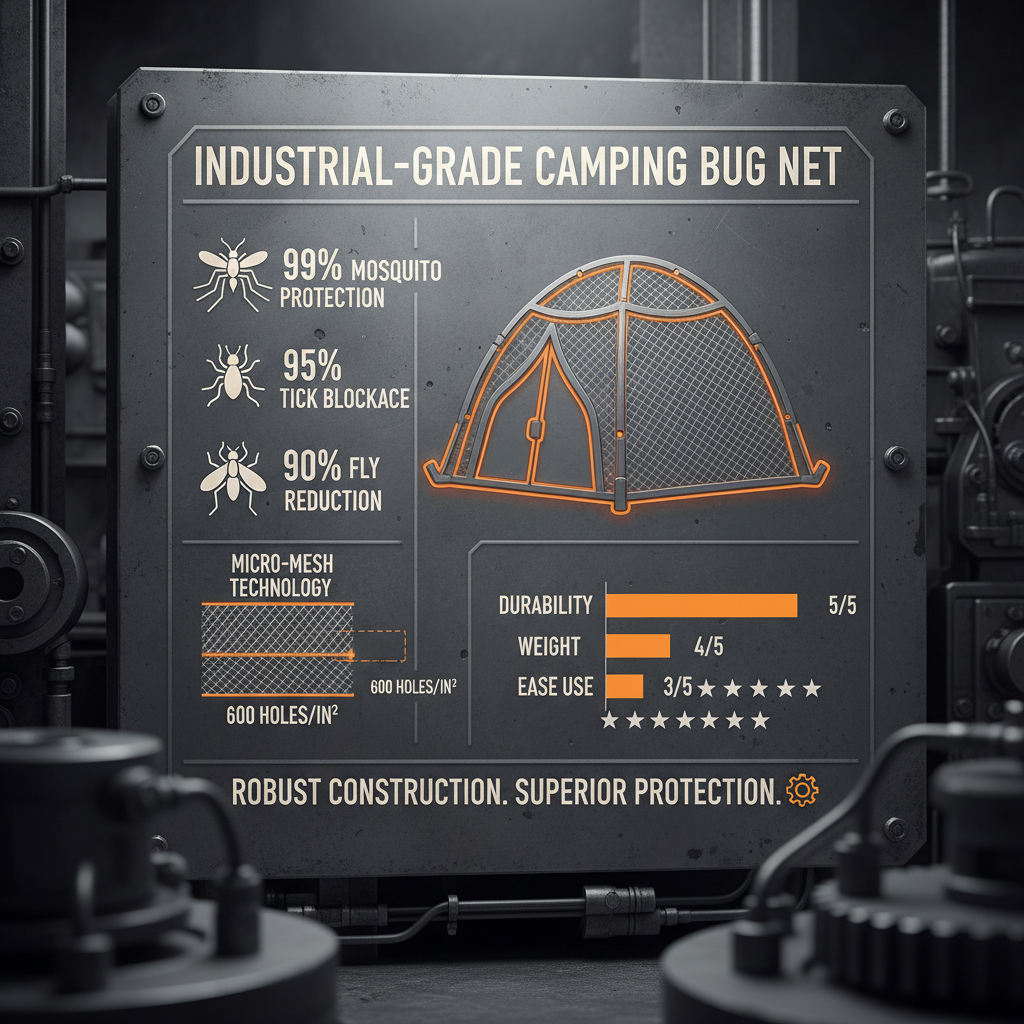
Several key factors determine the effectiveness of a camping bug net. Mesh size is paramount; a smaller mesh size prevents even the smallest insects from penetrating the barrier. Material durability is also crucial, ensuring the net can withstand outdoor conditions and repeated use without tearing or becoming damaged.
Furthermore, the method of deployment and maintenance significantly impacts performance. Properly hanging a net, ensuring no gaps or tears exist, and periodically cleaning it to remove debris are essential for maintaining its protective capabilities. Insecticidal treatment, when used, adds an extra layer of defense but requires periodic re-treatment to maintain its efficacy.
Finally, the net’s overall design, including its shape, size, and ease of use, plays a role in its practicality and user acceptance. A net that is difficult to set up or uncomfortable to use is less likely to be employed consistently, reducing its protective benefits.
Global Applications of Camping Bug Nets
The application of camping bug nets extends far beyond recreational camping. In regions endemic to malaria, insecticide-treated nets are distributed en masse as a primary preventative measure, significantly reducing the transmission of the disease. International organizations like the World Health Organization (WHO) and UNICEF play a key role in these public health initiatives.
In disaster relief scenarios, camping bug nets are often included in emergency aid packages, providing vital protection against insect-borne diseases in temporary shelters. These nets are particularly crucial in environments where sanitation is compromised and mosquito populations thrive.
Beyond public health, camping bug nets are used in agricultural settings to protect livestock from biting insects, contributing to improved animal health and productivity. They also find application in scientific research, protecting researchers from insects while conducting fieldwork in remote locations.
Comparison of Camping Bug Net Materials
Advantages and Long-Term Value
The advantages of using a camping bug net are numerous. From a practical standpoint, they offer a cost-effective and readily deployable solution for insect protection. They eliminate the need for constant application of insect repellents, which can contain potentially harmful chemicals.
The long-term value extends to public health benefits, particularly in disease-prone regions. Widespread use of insecticide-treated nets has demonstrably reduced the incidence of malaria and other vector-borne illnesses, saving lives and improving overall community health.
Future Trends in Camping Bug Net Technology
Future developments in camping bug net technology are likely to focus on enhancing durability, improving insecticidal treatments, and incorporating smart features. Research is underway to develop nets made from more sustainable and biodegradable materials, reducing their environmental impact.
The integration of nanotechnology could lead to nets with self-cleaning properties and enhanced resistance to UV degradation. Smart nets equipped with sensors to monitor insect activity and environmental conditions could provide real-time data for targeted interventions.
Furthermore, advancements in insecticidal treatments are aimed at developing more effective and environmentally friendly formulations, minimizing the risk of insecticide resistance.
Challenges and Innovative Solutions
Despite their effectiveness, camping bug nets face certain challenges. Insecticide resistance is a growing concern, requiring the development of new insecticides or alternative control strategies. The durability of nets, particularly in harsh environmental conditions, remains a challenge.
Innovative solutions include the development of synergistic insecticide combinations, the use of alternative insecticidal compounds, and the creation of more robust and UV-resistant materials. Community-based approaches to net maintenance and replacement are also crucial for ensuring long-term effectiveness.
Addressing these challenges requires continued research and development, as well as collaboration between public health organizations, manufacturers, and local communities.
Summary of Camping Bug Net Challenges and Solutions
| Challenge |
Impact on Camping Bug Net Effectiveness |
Proposed Solution |
Implementation Cost (1-10) |
| Insecticide Resistance |
Reduced protection against malaria vectors |
Develop synergistic insecticide combinations |
7 |
| Net Durability |
Premature net degradation and need for replacement |
Utilize UV-resistant materials and reinforcement techniques |
6 |
| Community Awareness |
Incorrect net usage and limited maintenance |
Implement community-based education programs |
4 |
| Supply Chain Logistics |
Delays in net distribution to vulnerable populations |
Improve logistics and distribution networks |
8 |
| Cost of ITNs |
Financial barriers to access for low-income families |
Explore subsidized net programs and microfinance initiatives |
5 |
| Environmental Concerns |
Waste generated from discarded nets |
Develop biodegradable net materials and recycling programs |
9 |
FAQS
A standard camping bug net provides a physical barrier against insects, while an ITN is treated with an insecticide, typically permethrin, to kill or repel insects that come into contact with the net. ITNs offer enhanced protection, particularly in areas with high mosquito populations and a risk of mosquito-borne diseases. However, ITNs require periodic re-treatment to maintain their effectiveness and careful consideration regarding insecticide resistance.
The lifespan of a camping bug net depends on its material quality, usage frequency, and environmental conditions. Generally, a well-maintained net should last for several years. However, inspect it regularly for tears, holes, or damage to the mesh. If significant damage is detected, it’s time to replace it. ITNs also require replacement as the insecticide wears off, typically after 2-3 years of regular use.
Regular cleaning extends the life of your camping bug net. Gently wash it with mild soap and water, avoiding harsh detergents or bleach. Rinse thoroughly and allow it to air dry completely. Avoid ironing or exposing it to direct sunlight for extended periods. For ITNs, follow the manufacturer’s instructions regarding re-treatment procedures.
A smaller mesh size provides better protection. A mesh size of 156 holes per square inch or smaller is generally recommended to prevent mosquitoes and other biting insects from entering. Finer meshes also offer protection against smaller insects like midges and gnats. Ensure the mesh is intact and free of holes or tears.
Insecticide-treated nets are generally considered safe for use by children and pregnant women when used according to the manufacturer’s instructions. However, it’s crucial to choose nets that have been approved by relevant health authorities and to follow recommended guidelines for re-treatment. Always prioritize proper ventilation and avoid prolonged skin contact with the insecticide.
Small tears can often be repaired with a fine sewing needle and thread, or using a specialized net repair kit. However, if the tear is large or the mesh is extensively damaged, it’s best to replace the net. A compromised net significantly reduces its protective effectiveness, and attempting to repair it may not provide adequate coverage.
Conclusion
In conclusion, the humble camping bug net represents a significant public health tool and a crucial component of outdoor safety. From preventing irritating insect bites to protecting against life-threatening diseases, its benefits are undeniable. Understanding the key factors that influence net effectiveness – mesh size, material durability, proper deployment, and insecticidal treatment – is paramount for maximizing its protective capabilities.
Looking ahead, continued innovation in materials, insecticide formulations, and deployment strategies will be essential for addressing emerging challenges, such as insecticide resistance and environmental concerns. Investing in research and development, promoting community awareness, and ensuring equitable access to high-quality camping bug nets are vital steps towards a future where everyone can enjoy the outdoors safely and without the threat of insect-borne diseases. Visit our website today to learn more about our range of camping bug net solutions.