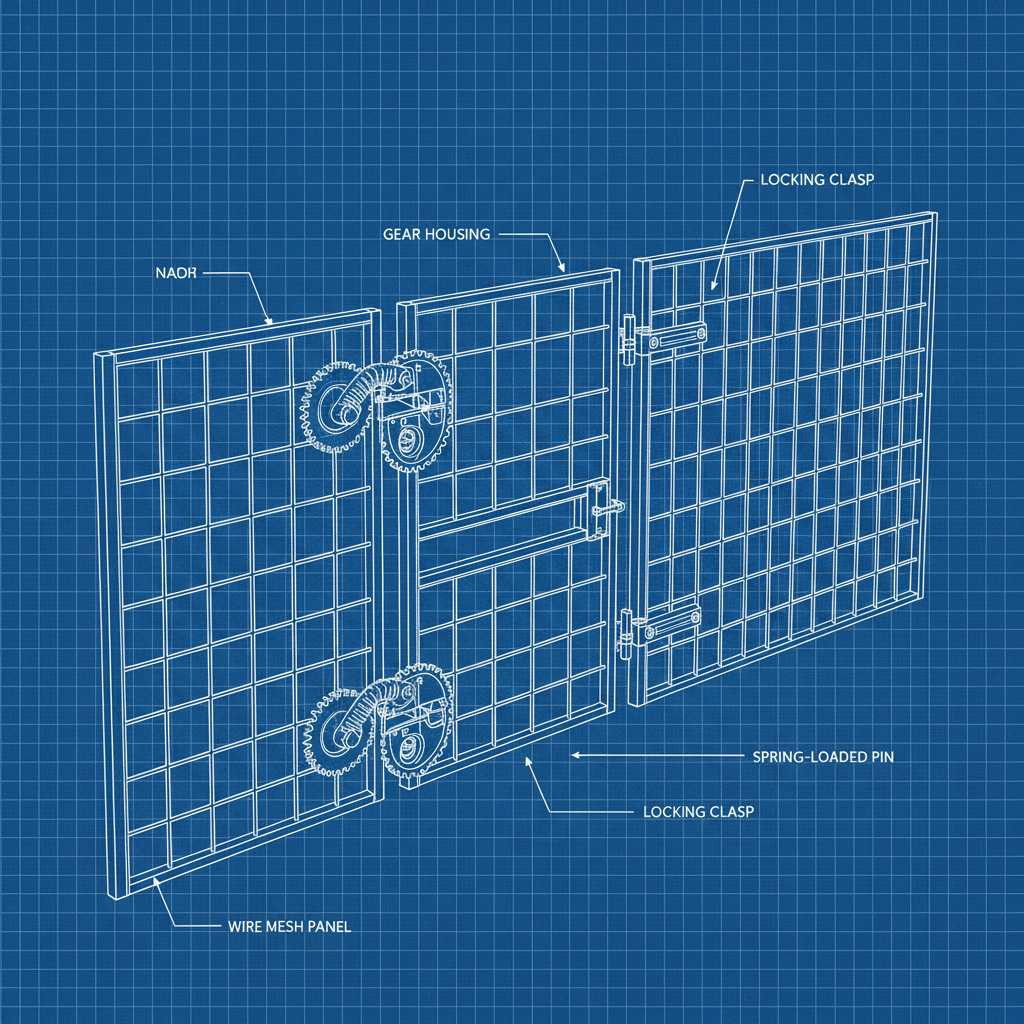
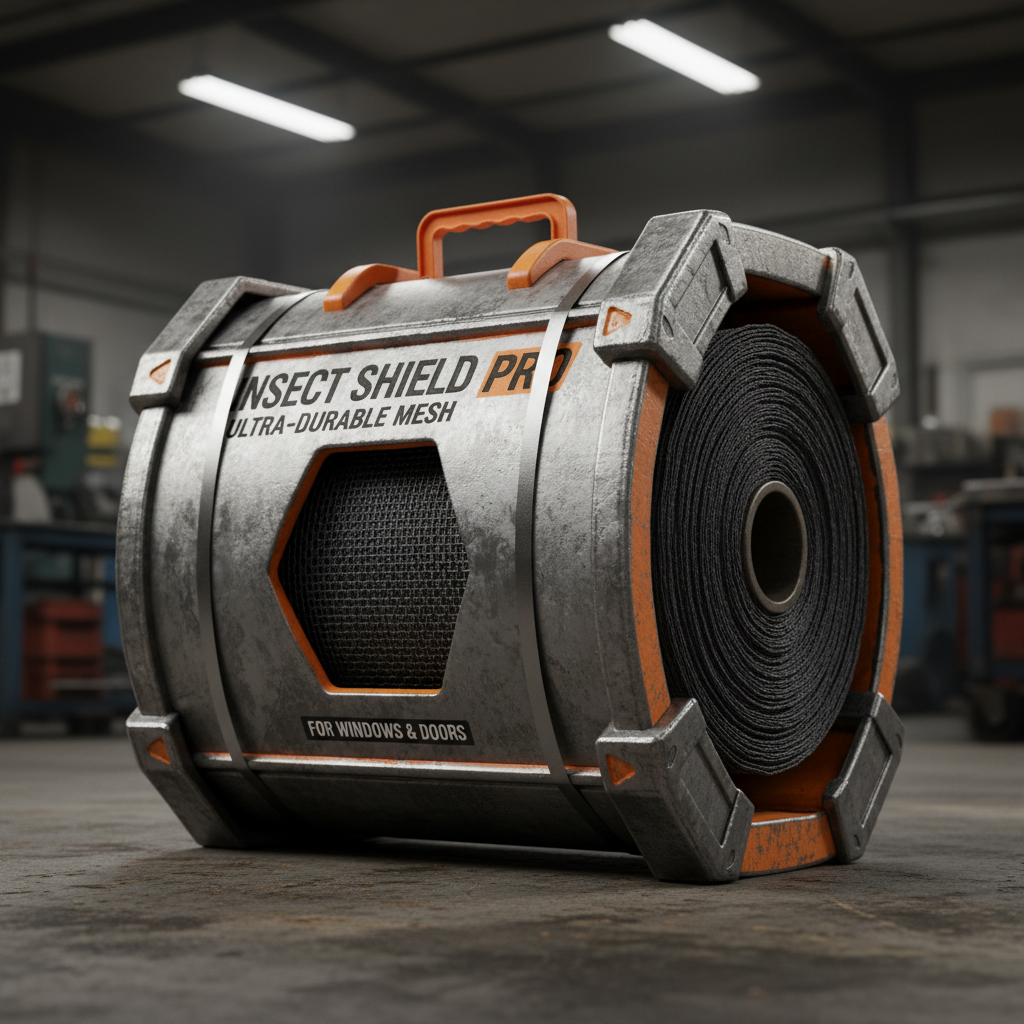
Insect proof netting is a vital component in public health, agriculture, and industrial safety worldwide. Its primary function is to create a barrier against insects, preventing the spread of disease, protecting crops from damage, and ensuring a safe working environment. Understanding the nuances of insect proof netting – from material science to deployment strategies – is crucial for effective pest control and disease prevention, especially in vulnerable regions.
Globally, the demand for effective insect control solutions is constantly rising, driven by factors like climate change, increasing international travel, and the expansion of agricultural land into previously uninhabited areas. This has led to a surge in the development and application of various insect proof netting technologies, ranging from simple mosquito nets to complex industrial-grade screening systems. The implications extend beyond immediate health and economic benefits, impacting social stability and sustainable development.
Insect proof netting isn’t merely a physical barrier; it’s a multifaceted solution addressing critical global challenges. Its versatility and relatively low cost make it an accessible intervention, particularly valuable in resource-constrained settings. From preventing malaria transmission in Africa to protecting fruit orchards in South America, the role of insect proof netting is both broad and impactful, continually evolving with advancements in material science and engineering.
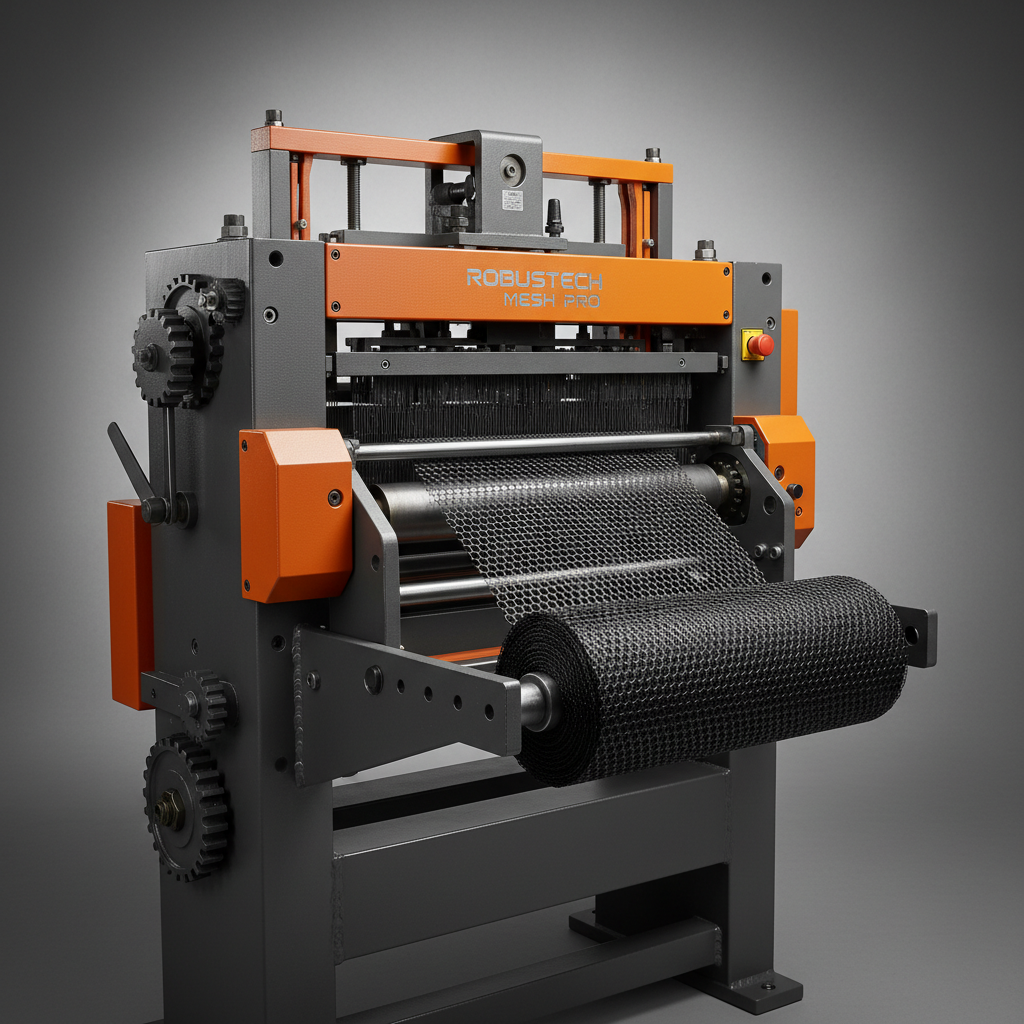
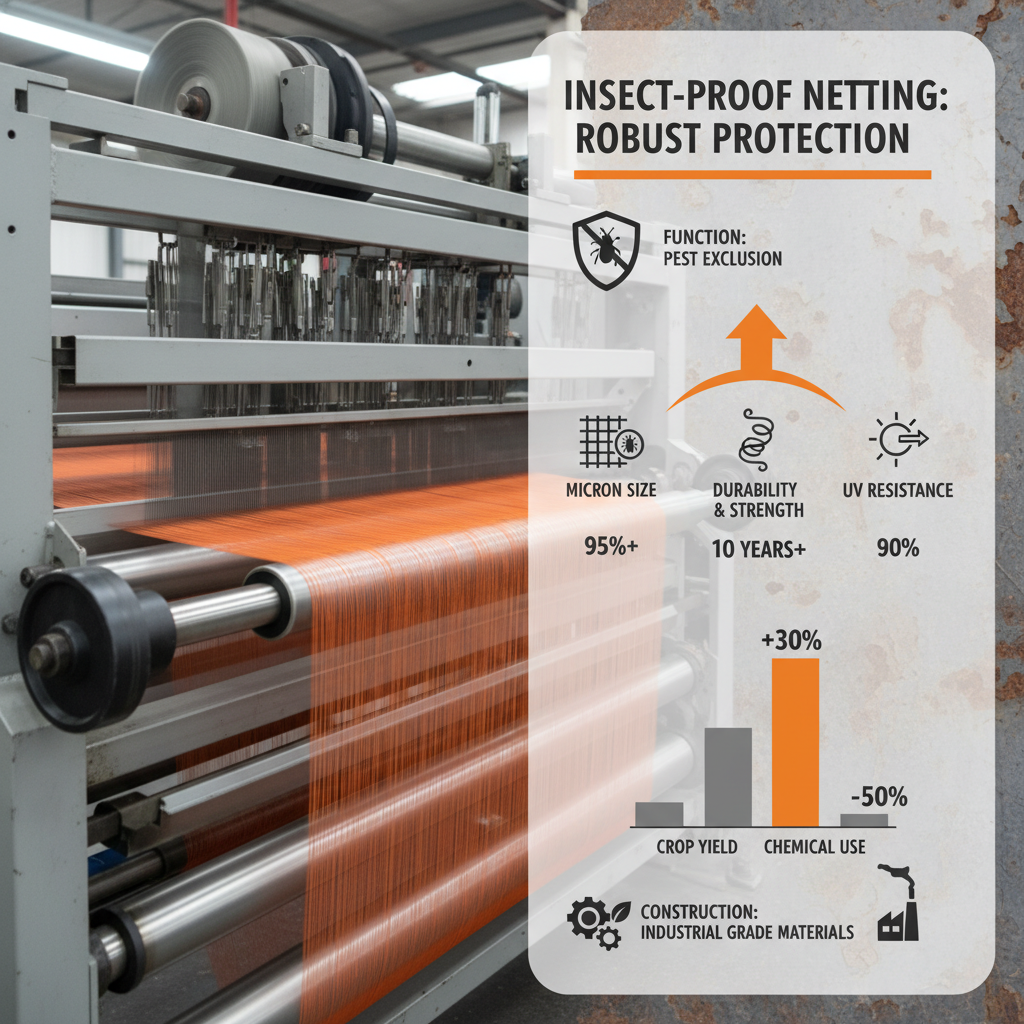
The effectiveness of insect proof netting hinges on a combination of factors, including the mesh size, material composition, and overall durability. A well-designed netting system effectively minimizes the intrusion of disease-carrying insects, safeguarding public health and boosting agricultural yields.
The development of insect proof netting represents a significant advancement in preventative healthcare and agricultural practices. By offering a simple, yet powerful barrier against insects, it addresses a critical need, particularly in regions where vector-borne diseases are prevalent and agricultural economies are vital.
The lifespan of insect proof netting varies depending on the material, environmental conditions, and frequency of use. However, generally, high-quality polyethylene netting can last between 2-5 years with proper care. Regular inspection for tears and degradation is crucial to maximize its longevity. Factors like prolonged exposure to sunlight and harsh weather can shorten its lifespan. Periodic washing can also help maintain its effectiveness.
To properly clean insect proof netting, gently hand wash it with mild soap and water. Avoid harsh detergents or bleach, as these can damage the material. Rinse thoroughly and allow it to air dry completely, preferably in the shade. Regular inspection for tears and holes is also vital, and any damage should be repaired promptly with a suitable patching material. Proper storage, away from direct sunlight and moisture, will also extend its lifespan.
For effective mosquito prevention, a mesh size of 1.1 mm or smaller is generally recommended. This corresponds to approximately 150 holes per square inch. Smaller mesh sizes can exclude even smaller insects, but may also reduce airflow. The ideal mesh size will depend on the specific insect species you are trying to prevent and the desired ventilation. It's crucial to choose netting certified to meet established standards for mosquito protection.
Absolutely! Insect proof netting is widely used in agriculture to protect crops from a variety of insect pests. Different mesh sizes and materials are available depending on the specific crops and pests. Netting can create a physical barrier preventing insects from reaching the plants, reducing the need for chemical pesticides. It’s particularly effective for protecting high-value crops like fruits, vegetables, and flowers, ensuring higher yields and better quality.
Insect proof netting can be a more environmentally friendly alternative to chemical pest control. While traditional netting is often made from plastic polymers, efforts are underway to develop biodegradable and recycled materials. Using netting reduces the reliance on harmful pesticides, protecting ecosystems and human health. However, proper disposal of netting at the end of its lifespan is essential to minimize environmental impact.
High-quality insect proof netting is available from various suppliers, including agricultural supply stores, hardware stores, and online retailers. When purchasing, look for netting that is certified to meet relevant standards for mesh size, durability, and UV resistance. Reputable suppliers will provide detailed product specifications and customer support. insect proof netting offers a comprehensive selection of netting for various applications.
Insect proof netting represents a cornerstone of preventative health, agricultural protection, and industrial hygiene. Its versatility, cost-effectiveness, and potential for sustainable innovation make it an invaluable tool in addressing global challenges related to disease control, food security, and environmental protection. From simple mosquito nets to complex industrial screening systems, insect proof netting continues to evolve and adapt to changing needs.
Looking ahead, continued research and development will focus on enhancing the durability, biodegradability, and functionality of insect proof netting. Embracing innovative materials, smart technologies, and sustainable practices will further maximize its benefits and minimize its environmental footprint. Investing in insect proof netting is not merely a practical solution, but a proactive step towards building a healthier, more secure, and sustainable future.