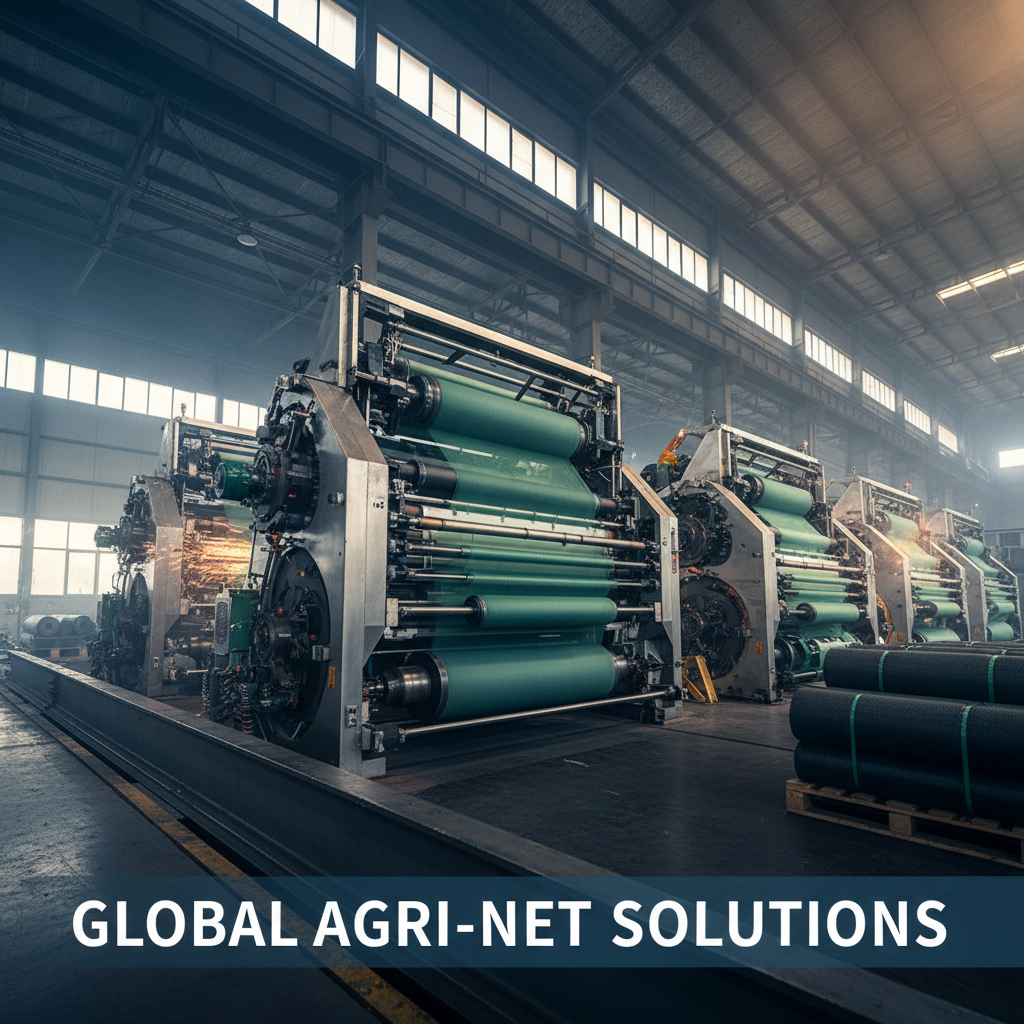
Anti insect net for agriculture is rapidly becoming an indispensable tool for modern farming, safeguarding crops from devastating insect infestations and ensuring food security worldwide. These nets offer a proactive and environmentally sound alternative to traditional pesticide applications, contributing to sustainable agricultural practices and healthier food production. Understanding the nuances of these nets – from material composition to deployment strategies – is crucial for maximizing their effectiveness and minimizing crop losses.
Globally, agricultural production faces increasing pressure from evolving pest populations and stringent regulations surrounding chemical pesticide use. This demand drives the increasing adoption of anti insect net for agriculture as a viable solution. The United Nations Food and Agriculture Organization (FAO) estimates that insect pests cause up to 20-40% crop loss globally, highlighting the significant economic and social impact of effective pest management strategies.
The rise of climate change further exacerbates these challenges, creating favorable conditions for pest outbreaks and expanding their geographical ranges. Consequently, implementing robust and adaptable crop protection measures, like utilizing anti insect nets, is not merely a best practice but a necessity for ensuring stable food supplies.
Introduction to anti insect net for agriculture
Anti insect net for agriculture offers a preventative barrier against a wide array of agricultural pests, minimizing damage to crops and reducing the need for harmful chemical interventions. This proactive approach not only benefits the environment but also contributes to the production of safer, higher-quality produce. The effectiveness of these nets lies in their ability to physically exclude pests while still allowing for adequate sunlight, air circulation, and water penetration.
Choosing the appropriate mesh size and material is critical for successful implementation. Factors such as the target pest species, the type of crop being protected, and the local climatic conditions all play a role in determining the optimal net specifications. Proper installation and maintenance are also crucial to ensure the long-term effectiveness and durability of the protective barrier.
Defining Anti Insect Net for Agriculture
Anti insect net for agriculture, at its core, is a specialized woven fabric designed to create a physical barrier against insect pests in agricultural settings. Typically constructed from polyethylene (PE) or polypropylene (PP), these nets are engineered with varying mesh sizes to target specific insect species. They are fundamentally a preventative measure, stopping insects before they can reach and damage crops.
This technology directly addresses the need for sustainable agricultural practices, reducing reliance on chemical pesticides that can harm beneficial insects, pollute the environment, and pose health risks to both farmworkers and consumers. It aligns with the growing global movement towards integrated pest management (IPM) strategies.
The use of anti insect nets is not merely limited to large-scale commercial farms. They are equally valuable for smallholder farmers, home gardeners, and protected agriculture systems like greenhouses and tunnels, offering a scalable and adaptable solution for pest control across various agricultural contexts.
Core Characteristics of Effective Nets
Several key factors determine the effectiveness and longevity of anti insect net for agriculture. Durability is paramount, as nets are exposed to harsh environmental conditions like UV radiation, wind, and rain. High-quality materials and UV stabilizers are crucial to prevent degradation and ensure a prolonged lifespan.
Mesh size is perhaps the most critical characteristic. Selecting the correct mesh size is vital to effectively block target pests while allowing for optimal air flow and sunlight penetration. Different insect species require varying mesh sizes for complete exclusion. Furthermore, the net's tensile strength and resistance to tearing are vital, especially in areas prone to strong winds.
Cost-effectiveness plays a significant role in adoption, particularly for smallholder farmers. While higher-quality nets may have a higher initial cost, their extended lifespan and reduced need for replacement can result in long-term savings. Scalability – the ability to easily adapt the netting system to varying field sizes and crop types – is also a crucial consideration.
Global Applications and Use Cases
The application of anti insect nets is widespread, ranging from large-scale fruit and vegetable farms in Europe and Asia to small family farms in Africa and Latin America. In regions like Spain and Italy, these nets are commonly used to protect high-value crops such as grapes, apples, and citrus fruits from pests like fruit flies and codling moths.
In Southeast Asia, anti insect nets are extensively deployed in vegetable production, protecting crops like tomatoes, peppers, and cucumbers from a variety of insect pests. The nets also find application in nurseries and greenhouses, providing a controlled environment for seedling propagation.
In post-disaster relief operations, anti insect nets can provide an immediate and effective means of protecting newly planted crops from pests, aiding in the rapid recovery of agricultural production. Similarly, in remote industrial zones with agricultural components, these nets offer a dependable pest control solution where access to chemical treatments may be limited or restricted.
Anti Insect Net for Agriculture Effectiveness by Method
Advantages and Long-Term Value
The benefits of employing anti insect net for agriculture extend far beyond simply reducing crop damage. Cost savings associated with reduced pesticide use and minimized crop losses are significant. Furthermore, the environmentally friendly nature of this approach enhances the marketability of produce, appealing to increasingly eco-conscious consumers.
Sustainability is a core advantage, contributing to the preservation of biodiversity and the health of ecosystems. By reducing chemical runoff, these nets help protect water sources and soil quality. The psychological benefit of knowing food is grown with minimal chemical intervention also adds value – fostering trust and confidence in the food supply.
Future Trends and Innovations
The future of anti insect nets points towards incorporating advanced materials and technologies. Research is underway to develop biodegradable nets made from sustainable sources, reducing the environmental impact at the end of their lifespan. Nanotechnology is being explored to enhance the nets' UV resistance and durability.
Integration with smart farming technologies, such as sensor-based monitoring systems, is also on the horizon. These systems could detect pest infestations in real-time and automatically adjust net deployment or trigger other preventative measures. Automation in net installation and retrieval is another area of innovation, reducing labor costs and improving efficiency.
Challenges and Solutions
While highly effective, the implementation of anti insect net for agriculture is not without challenges. Initial investment costs can be a barrier for some farmers, particularly those with limited resources. Proper installation and maintenance require specialized knowledge and skills.
Solutions include government subsidies and microfinance programs to make nets more affordable. Providing training and technical assistance to farmers on proper installation and maintenance techniques is also crucial. Developing more durable and user-friendly net designs can further simplify the implementation process and reduce long-term costs.
Furthermore, addressing the potential for pest adaptation is vital. Regular monitoring of pest populations and adaptation of net mesh sizes as needed will ensure continued effectiveness over time.
Summary of Anti Insect Net for Agriculture Challenges and Solutions
| Challenge |
Impact Level (1-10) |
Proposed Solution |
Implementation Cost (USD) |
| High Initial Cost |
8 |
Government Subsidies & Microfinance |
500-2000 |
| Lack of Technical Expertise |
7 |
Farmer Training Programs |
100-500 |
| Durability Concerns |
6 |
Advanced Material Research & UV Stabilization |
1000-5000 |
| Pest Adaptation |
5 |
Regular Pest Monitoring & Mesh Size Adjustment |
50-200 |
| Installation Complexity |
4 |
Simplified Net Designs & Automated Installation Systems |
200-1000 |
| Potential for Entanglement (Beneficial Insects) |
3 |
Strategic Net Placement & Integrated Pest Management |
0-100 |
FAQS
Anti insect net for agriculture effectively blocks a wide range of pests, including fruit flies, whiteflies, aphids, thrips, leaf miners, and various caterpillars. The specific mesh size determines the types of insects excluded. Finer meshes are required for smaller pests like thrips, while coarser meshes can effectively block larger insects like fruit flies. Proper net selection is key for targeted pest control.
The lifespan of anti insect net for agriculture varies depending on the quality of the material, UV exposure, and environmental conditions. High-quality nets with UV stabilizers can last for 3-5 years, while lower-quality nets may degrade within 1-2 years. Regular inspection and proper maintenance, such as cleaning and repairing tears, can extend the net’s lifespan.
While effective in most climates, the performance of anti insect nets can be affected by extreme weather conditions. Strong winds can damage the nets, while heavy rain or hail can reduce their effectiveness if tears or holes develop. Choosing nets with higher tensile strength and implementing proper anchoring systems can mitigate these risks. Consider climate-specific net designs for optimal protection.
For tomato crops, a mesh size of 0.8mm to 1.0mm is generally recommended to effectively exclude common pests such as whiteflies, aphids, and tomato hornworms. This mesh size provides a good balance between pest exclusion and airflow. However, it’s essential to identify the specific pests prevalent in your region and adjust the mesh size accordingly.
Proper installation is crucial for ensuring the effectiveness of anti insect nets. Ensure the net is tightly stretched and securely anchored to prevent pests from entering through gaps. Use appropriate fastening materials like clips, ropes, or ground anchors. Regularly inspect the net for tears or holes and repair them promptly. Consider the prevailing wind direction when orienting the net structure.
Compared to chemical pesticides, anti insect net for agriculture has minimal environmental impact. However, the production of the nets themselves does involve the use of plastic materials. Choosing biodegradable nets and properly disposing of old nets are important steps to minimize environmental concerns. Promoting responsible sourcing and recycling practices is also crucial.
Conclusion
In conclusion, anti insect net for agriculture represents a significant advancement in sustainable agricultural practices, offering a powerful and environmentally friendly solution to protect crops from insect pests. From its core benefits of reduced pesticide use and increased crop yields to its adaptability across diverse agricultural settings, this technology provides long-term value for farmers and consumers alike. Understanding the key factors influencing net effectiveness – material quality, mesh size, and proper installation – is essential for maximizing its potential.
Looking ahead, continued innovation in materials, integration with smart farming technologies, and a focus on affordability will further expand the adoption of anti insect nets globally. By embracing this proactive approach to pest management, we can contribute to a more secure, sustainable, and resilient food system. Visit our website at www.yjwiremesh.com to learn more about our range of anti insect nets and how we can help you protect your crops.