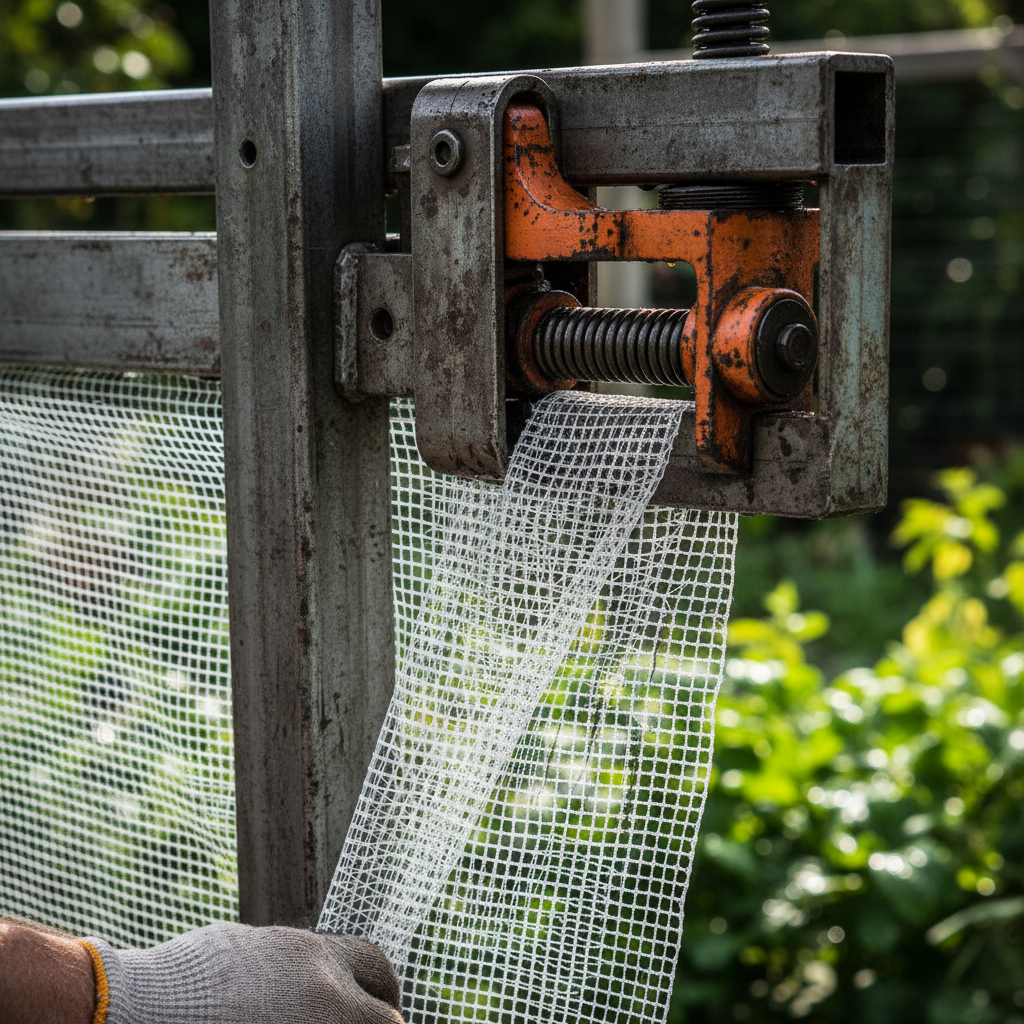
Agro nets, encompassing a wide range of netting solutions, are becoming increasingly vital in modern agriculture and beyond. From protecting crops from pests and harsh weather to facilitating sustainable aquaculture, these versatile materials play a critical role in enhancing food security and optimizing resource utilization. Understanding the nuances of agro nets – their types, applications, and advancements – is essential for stakeholders across the agricultural value chain, from farmers and researchers to policymakers and suppliers.
Globally, the demand for agro nets is escalating, driven by factors such as a growing population, climate change, and the need for efficient agricultural practices. The United Nations Food and Agriculture Organization (FAO) estimates that global food production must increase by 70% by 2050 to meet the demands of a projected 9.7 billion people. Agro nets offer a cost-effective and environmentally sustainable pathway to achieving this goal, reducing crop losses and improving yield quality.
The inherent benefits of agro nets translate to significant economic and social advantages, making them a cornerstone of modern farming and a crucial tool in addressing global challenges related to food production, environmental sustainability, and economic empowerment within agricultural communities.
Introduction to Agro Nets
Agro nets represent a versatile category of agricultural materials designed to enhance crop production, protect against environmental hazards, and improve overall farm efficiency. These nets are engineered from various polymers – including polyethylene (PE), polypropylene (PP), and nylon – and are available in a diverse range of mesh sizes, strengths, and colors to cater to specific agricultural needs. agro nets are not limited to land-based agriculture but are also increasingly used in aquaculture and horticulture.
The core function of agro nets extends beyond simple physical barriers; they actively modify microclimates, reduce pest infestations, minimize damage from adverse weather conditions, and ultimately contribute to increased yields and improved crop quality. Their adaptability makes them valuable assets for both small-scale farmers and large commercial operations, playing a significant role in modernizing agricultural practices globally.
Defining Agro Nets
At its most fundamental level, an agro net is a woven or knitted fabric constructed from synthetic fibers, primarily used in agricultural applications. However, the term encompasses a broad spectrum of netting types, each tailored for a particular purpose. These include shade nets, insect nets, bird nets, hail nets, windbreaks, and even specialized nets for supporting climbing plants.
The connection to modern industry stems from the advancements in polymer science and textile engineering, allowing for the creation of nets with precisely controlled properties – strength, UV resistance, permeability, and durability. This has allowed agro nets to move beyond simple protective measures to become integral components of sophisticated agricultural systems.
Agro nets also address critical humanitarian needs by supporting food security in regions facing environmental challenges or resource constraints. Their relatively low cost and ease of deployment make them a practical solution for protecting crops in developing countries, improving livelihoods, and enhancing resilience to climate change.
Key Characteristics of Agro Nets
Durability is paramount. Agro nets must withstand prolonged exposure to sunlight, rain, wind, and other environmental stressors without significant degradation. High-quality nets are typically treated with UV stabilizers to prevent premature breakdown of the polymer fibers, ensuring a longer service life.
Mesh Size and Strength are critical factors. The appropriate mesh size is dictated by the specific application – finer meshes for insect control, larger meshes for hail protection, and varying strengths to withstand wind loads and physical impact. Careful selection ensures optimal performance.
Cost-Effectiveness is a key driver of adoption. Compared to other protective measures – such as greenhouses or chemical pesticides – agro nets offer a relatively low-cost solution for improving crop yields and reducing losses. Their affordability makes them accessible to a wider range of farmers.
Practical Applications of Agro Nets
Insect Netting plays a vital role in preventing crop damage from pests, reducing the need for chemical insecticides and promoting sustainable farming practices. By creating a physical barrier, insect nets effectively exclude harmful insects without disrupting beneficial pollinators.
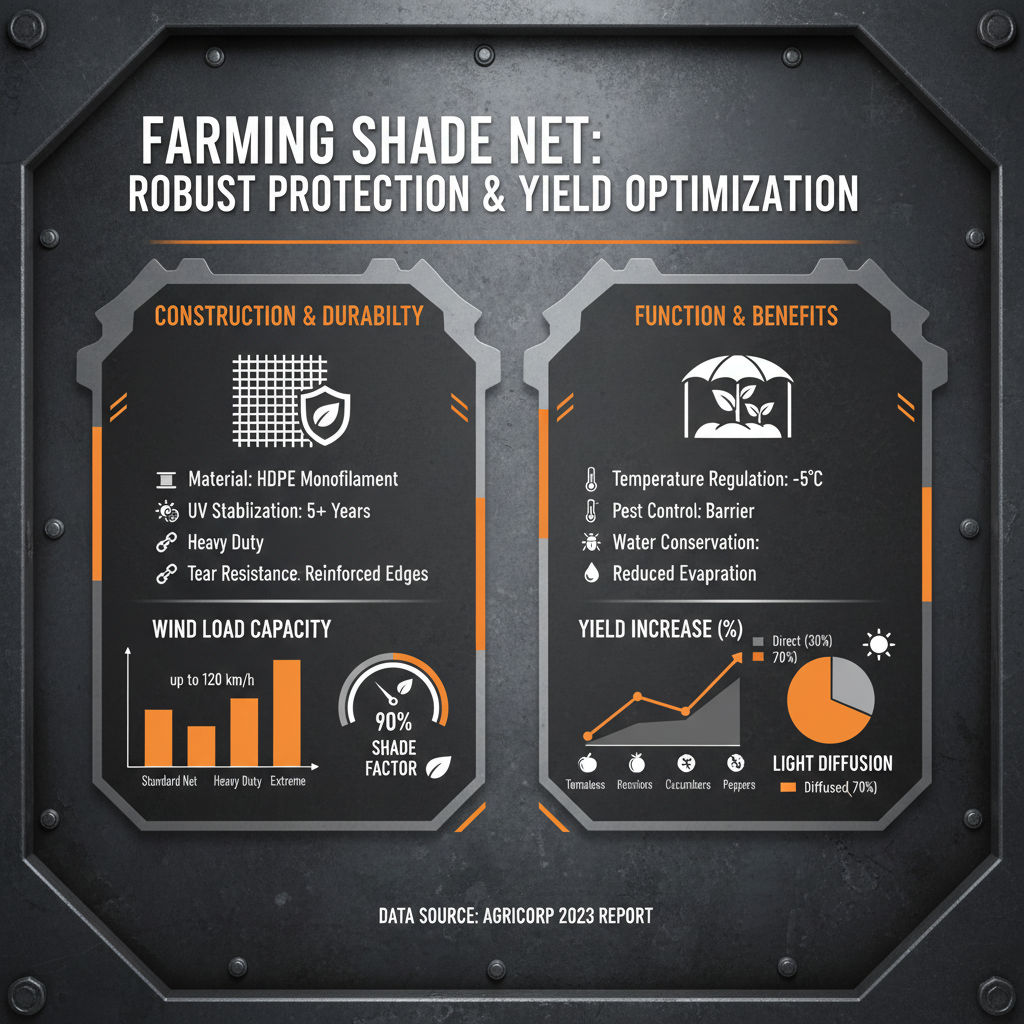
Shade Nets are used to regulate sunlight exposure, protecting sensitive crops from sunburn and reducing water stress during hot weather. They also help to maintain optimal temperatures for plant growth and development, enhancing yield quality.
Agro Nets Application Effectiveness
Global Use Cases of Agro Nets
In Mediterranean countries, shade nets are widely used to protect fruit trees – such as olives, citrus, and grapes – from intense sunlight and heat stress, ensuring optimal fruit quality and yield. Similarly, in many parts of Africa, insect nets are crucial for protecting vegetable crops from devastating pest infestations, safeguarding food supplies and improving farmer incomes.
Across Asia, agro nets are being increasingly adopted in aquaculture to protect fish ponds from predators, improve water quality, and enhance fish growth rates. In post-disaster relief operations, agro nets serve as temporary shelters and protective barriers for vulnerable communities.
Furthermore, in remote industrial zones where airborne dust and particulate matter pose a threat to sensitive equipment or processes, specialized agro nets provide a cost-effective filtration solution, creating a cleaner and safer working environment.
Advantages and Long-Term Value
The cost savings associated with reduced crop losses and minimized pesticide use represent a significant economic benefit for farmers. Beyond the financial gains, agro nets contribute to environmental sustainability by promoting responsible farming practices and reducing reliance on harmful chemicals.
From a social impact perspective, agro nets empower farmers – particularly in developing countries – by providing them with tools to improve their livelihoods, enhance food security for their communities, and build resilience to climate change. The reliability of these nets ensures consistent crop protection, fostering trust and confidence among users.
Future Innovations in Agro Nets
Ongoing research and development efforts are focused on creating agro nets with enhanced functionalities, such as antimicrobial properties to prevent the spread of plant diseases, and self-cleaning surfaces to reduce maintenance requirements. The integration of smart sensors into agro nets is also being explored, enabling real-time monitoring of environmental conditions and automated adjustments to optimize crop protection.
The use of biodegradable polymers in agro net manufacturing is gaining traction, aligning with the growing demand for sustainable agricultural solutions. Furthermore, advancements in nanotechnology are paving the way for the development of agro nets with improved UV resistance, strength, and durability.
Digital transformation is also playing a role, with the development of precision agriculture systems that utilize agro nets in conjunction with data analytics and automation to optimize resource allocation and maximize crop yields.
Summarizing Core Challenges and Potential Solutions for Agro Net Implementation
| Challenge |
Impact on Agro Nets |
Potential Solution |
Implementation Cost (1-10) |
| UV Degradation |
Reduced net lifespan & effectiveness. |
Enhanced UV stabilizers in polymer composition. |
4 |
| Physical Damage (wind, hail) |
Tears and breaches compromising protection. |
Higher tenacity yarns & reinforced netting structures. |
6 |
| Clogging & Maintenance |
Reduced airflow & increased maintenance needs. |
Self-cleaning net coatings & automated cleaning systems. |
7 |
| Improper Installation |
Suboptimal performance & reduced lifespan. |
Training programs & standardized installation guidelines. |
3 |
| Cost for Small Farmers |
Limited access to necessary protective measures. |
Subsidized programs & microfinance initiatives. |
5 |
| Environmental Impact (plastic waste) |
Accumulation of non-biodegradable materials. |
Biodegradable polymer alternatives & recycling programs. |
8 |
FAQS
The lifespan of agro nets varies depending on the quality of the materials used, the intensity of the weather exposure, and the presence of UV stabilizers. Typically, standard polyethylene (PE) nets can last from 2 to 5 years, while nets made with higher-quality polymers and UV protection can last up to 7-10 years. Regular inspections and maintenance are crucial to maximizing their longevity.
Choosing the appropriate mesh size is critical for effective insect control. The mesh size should be small enough to prevent the target pests from entering but large enough to allow for adequate airflow. For example, to exclude whiteflies, a mesh size of 150-200 microns is generally recommended, while for larger pests like cabbage moths, a mesh size of 500-600 microns may suffice. Consider consulting with an agricultural expert to determine the specific needs of your crops.
Agro nets offer a significantly more environmentally friendly alternative to chemical pesticides. By providing a physical barrier against pests, they reduce the need for harmful chemicals, minimizing their impact on beneficial insects, pollinators, and the surrounding ecosystem. While agro nets themselves are typically made from plastic polymers, their long lifespan and potential for recycling contribute to their overall sustainability.
Proper installation is crucial for maximizing the effectiveness of agro nets. Ensure the net is stretched taut and securely fastened to a sturdy frame or support structure to prevent sagging or tearing. Pay attention to sealing any gaps or openings where pests could enter. Regularly inspect the net for damage and repair any tears promptly. Follow manufacturer's instructions and consider seeking professional assistance for larger installations.
The cost of agro nets varies depending on the type of net, the size of the area to be covered, and the quality of the materials used. While the initial investment may seem significant, agro nets often provide a cost-effective solution in the long run by reducing crop losses, minimizing pesticide expenses, and improving yield quality. Explore options for bulk purchasing or government subsidies to reduce the overall cost.
Recycling agro nets can be challenging due to the type of plastic polymers used and potential contamination. However, increasing efforts are being made to develop recycling programs specifically for agricultural plastics. Check with local recycling facilities or contact agro net manufacturers to inquire about recycling options. Furthermore, choosing biodegradable agro nets can significantly reduce environmental impact at the end of their lifecycle.
Conclusion
Agro nets represent a powerful and versatile tool for modern agriculture, offering a compelling combination of cost-effectiveness, environmental sustainability, and improved crop protection. Their adaptability to diverse farming systems and climatic conditions positions them as a crucial component in addressing global food security challenges and promoting sustainable agricultural practices. From safeguarding crops against pests and weather extremes to enhancing resource utilization and empowering farmers, the benefits of agro nets are far-reaching and impactful.
Looking ahead, continued innovation in materials science and manufacturing techniques will further enhance the performance and sustainability of agro nets. Embracing these advancements, alongside increased awareness and adoption of best practices, will be essential to unlock the full potential of agro nets and ensure a more resilient and productive agricultural future. Visit our website at www.yjwiremesh.com to explore our range of agro net solutions and learn how we can help you optimize your agricultural operations.