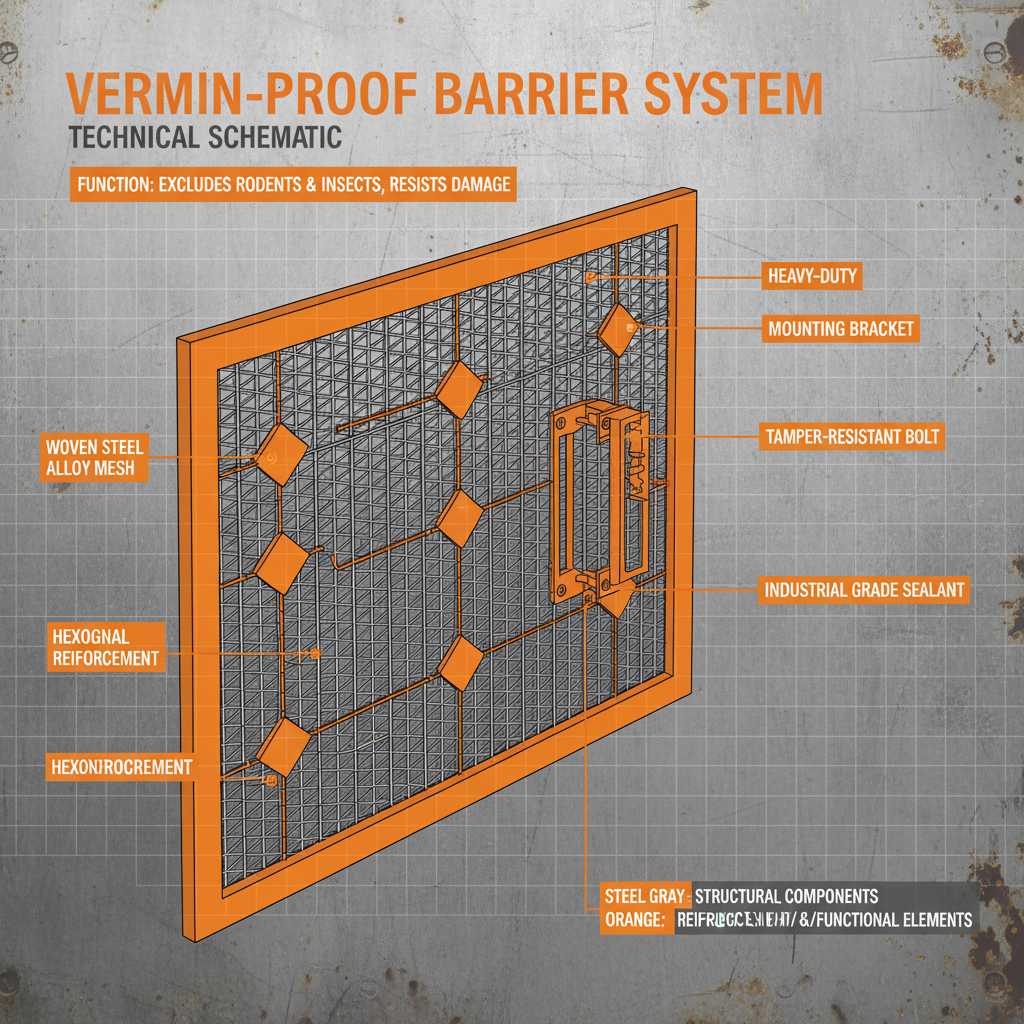
Crop net for agriculture plays a crucial role in modern farming practices, offering a versatile solution for protecting crops from various environmental factors and pests. Globally, the demand for increased agricultural productivity, coupled with the challenges posed by climate change and growing populations, necessitates the adoption of innovative solutions like crop nets. These nets aren’t just about shielding plants; they are about ensuring food security, minimizing crop loss, and optimizing resource utilization. Understanding the various applications and benefits of crop net for agriculture is vital for farmers, agricultural businesses, and policymakers alike.
The significance of crop net for agriculture extends beyond just yield protection. It offers sustainable alternatives to traditional pest control methods, reducing reliance on harmful chemicals and promoting environmentally friendly farming practices. The United Nations Food and Agriculture Organization (FAO) emphasizes the importance of sustainable agriculture to achieve zero hunger, and technologies like crop nets are instrumental in realizing this goal. As the agricultural landscape evolves, embracing solutions that balance productivity with environmental responsibility is paramount.
The benefits of using crop net for agriculture are multi-faceted, impacting everything from the quality of produce to the overall economic viability of farms. It represents a practical and cost-effective way to enhance farming efficiency and resilience, making it a cornerstone of modern agricultural strategies worldwide. For more information on how crop nets can improve your agricultural practices, visit crop net for agriculture.
Introduction: Global or Industry Context
The global agricultural sector is facing unprecedented challenges. A rising world population demands increased food production, but this must be achieved sustainably in the face of climate change, dwindling resources, and evolving pest pressures. Crop net for agriculture emerges as a critical tool in addressing these challenges, providing a protective barrier for crops while promoting efficient resource use. According to the World Bank, investing in agricultural technology is crucial for boosting productivity and building resilient food systems.
The adoption of crop net for agriculture isn't limited to large-scale commercial farms. Smallholder farmers in developing countries are increasingly recognizing its benefits, allowing them to enhance yields and improve their livelihoods. Furthermore, the implementation of international standards like those set by the International Organization for Standardization (ISO) regarding agricultural practices highlights the growing importance of quality and sustainability, areas where crop nets excel.
Definition & Meaning
Crop net for agriculture refers to a protective barrier made of woven or knitted materials – typically polyethylene or polypropylene – used to cover crops and safeguard them from various threats. This includes protection against harsh weather conditions such as hail, frost, and intense sunlight, as well as preventing damage from birds, insects, and other pests. It’s a versatile tool employed across a diverse range of agricultural settings.
The use of crop net for agriculture aligns with the broader movement towards precision agriculture and sustainable farming. It represents a proactive approach to crop protection, minimizing the need for chemical interventions and reducing environmental impact. In a world increasingly focused on food safety and traceability, crop nets contribute to maintaining high-quality produce, free from contaminants.
Fundamentally, crop net for agriculture is about optimizing growing conditions to maximize yield and quality. It's a relatively simple yet highly effective technology that can dramatically improve the success of a harvest, especially in regions prone to unpredictable weather or pest infestations. Discover the range of crop net for agriculture solutions available to meet your specific needs.
Key Factors or Core Components
One of the key aspects of crop net for agriculture is its Durability. High-quality nets are designed to withstand harsh environmental conditions – UV radiation, strong winds, and heavy rain – ensuring long-term performance and minimizing the need for frequent replacement. This durability translates to cost savings and reduces waste.
Mesh Size is another crucial factor. Different crops require varying degrees of protection, and the mesh size of the net needs to be tailored accordingly. A finer mesh offers greater protection against smaller insects, while a coarser mesh provides adequate protection against larger pests and weather elements. Selecting the appropriate mesh size is essential for optimizing effectiveness.
UV Stabilization is critical for preventing degradation of the net material due to prolonged exposure to sunlight. UV stabilizers extend the lifespan of the net, maintaining its structural integrity and protective capabilities. Without proper UV stabilization, the net can become brittle and lose its effectiveness.
Global Applications & Use Cases
Crop net for agriculture is widely utilized in horticultural farming across Europe, particularly in the cultivation of fruits and vegetables. In Spain and Italy, for example, nets are extensively used to protect stone fruit crops from hail damage and insect infestations. This ensures high-quality produce for both domestic consumption and export.
In Asia, particularly in countries like Japan and South Korea, crop nets are integral to the production of high-value crops such as grapes and tea. These nets provide shade, regulate temperature, and protect against pests, enabling farmers to achieve premium quality and yields. In post-disaster relief operations in regions prone to extreme weather events, crop net for agriculture offers a rapid and effective way to help farmers restore their livelihoods.
The application extends to regions facing water scarcity. In areas of the Middle East and North Africa, crop nets are employed to reduce evapotranspiration, conserving water and enabling farmers to grow crops in otherwise challenging environments. Furthermore, in remote industrial zones needing controlled-environment agriculture for research or specialized crop production, crop nets provide a cost-effective solution.
Crop net for agriculture Effectiveness Across Different Methods
Advantages & Long-Term Value
The most tangible benefit of using crop net for agriculture is the reduction in crop loss due to pests, diseases, and adverse weather. This directly translates to increased yields and higher profitability for farmers. Furthermore, reducing the need for chemical pesticides contributes to lower production costs and promotes environmentally sustainable practices.
From a long-term sustainability perspective, crop nets offer a resilient and adaptable solution. By mitigating the impact of climate change-related events such as extreme weather, they help ensure food security and stabilize agricultural production. This resilience is invaluable in a world facing increasing environmental uncertainty.
Future Trends & Innovations
The future of crop net for agriculture lies in integrating advanced materials and technologies. Research is underway to develop biodegradable nets, minimizing environmental impact at the end of their lifespan. Nanotechnology is also being explored to enhance the protective properties of nets, offering even greater resistance to UV radiation and pests.
Smart crop nets equipped with sensors and data analytics are another emerging trend. These nets can monitor environmental conditions – temperature, humidity, light levels – and provide real-time data to farmers, enabling them to optimize irrigation, fertilization, and pest control strategies. This integration of digital technologies represents a significant step towards precision agriculture.
Challenges & Solutions
One common challenge associated with crop net for agriculture is the initial investment cost, particularly for large-scale operations. However, this cost can be offset by the long-term benefits of reduced crop loss and decreased pesticide use. Exploring financing options and government subsidies can help make crop nets more accessible to farmers.
Another challenge is ensuring proper installation and maintenance. Incorrect installation can compromise the effectiveness of the net, while inadequate maintenance can lead to premature degradation. Providing farmers with comprehensive training and support on installation and maintenance best practices is crucial.
Finally, addressing the issue of plastic waste generated from discarded nets is essential. Promoting the use of biodegradable nets and developing effective recycling programs are vital steps towards creating a more sustainable agricultural system. crop net for agriculture continually strives to provide innovative and environmentally responsible solutions.
Analysis of Common Issues and Mitigation Strategies for crop net for agriculture
| Issue Category |
Severity Level (1-10) |
Mitigation Strategy |
Implementation Cost (USD) |
| Net Damage from Weather |
7 |
Utilize UV-stabilized nets and reinforced anchoring systems. |
$50 - $200 |
| Pest Penetration |
5 |
Select appropriate mesh size based on target pests. |
$30 - $150 |
| Installation Complexity |
6 |
Provide thorough training on proper installation techniques. |
$100 - $300 |
| High Initial Investment |
8 |
Explore financing options and government subsidies. |
Variable |
| Net Degradation |
4 |
Regular inspection and timely replacement of damaged sections. |
$20 - $100 |
| Waste Disposal |
7 |
Implement recycling programs for used nets or utilize biodegradable options. |
$50 - $250 |
FAQS
Crop net for agriculture offers a sustainable alternative to traditional pest control. Unlike chemical pesticides, nets provide a physical barrier, reducing or eliminating the need for harmful substances. This leads to healthier produce, lower environmental impact, and reduced costs associated with pesticide application. It also helps prevent pesticide resistance in pest populations, contributing to long-term effectiveness. Furthermore, nets protect crops from various environmental stressors like hail and excessive sunlight.
The mesh size is a critical factor determining the effectiveness of crop net for agriculture. A finer mesh (smaller openings) provides more comprehensive protection against smaller insects and pests, while a coarser mesh is suitable for larger insects and weather protection. Choosing the appropriate mesh size depends on the specific crops being protected and the target pests. Incorrect mesh size can render the net ineffective or hinder crop development.
The lifespan of a high-quality crop net typically ranges from 3 to 7 years, depending on factors like UV exposure, weather conditions, and proper maintenance. Nets made from UV-stabilized materials generally last longer. Regular inspection for tears or damage and prompt repairs can significantly extend the net's lifespan. Consider the initial investment and long-term durability when evaluating different net options.
Yes, crop nets are fully compatible with organic farming practices. They provide a physical barrier for pest and weather protection without the use of synthetic chemicals, aligning perfectly with organic farming principles. Organic certification bodies generally approve the use of crop nets as a compliant pest management strategy. This allows organic farmers to maintain high yields while adhering to strict environmental standards.
Proper installation involves securely anchoring the net to a robust support structure to prevent sagging or damage. Ensure the net is taut and covers the entire crop area effectively. Regular maintenance includes inspecting for tears, repairing any damage promptly, and cleaning the net to remove dust and debris. Proper ventilation is also crucial to prevent excessive humidity buildup under the net.
Yes, research and development are focused on creating biodegradable crop net options. These nets are made from plant-based materials that decompose naturally, reducing plastic waste. While currently more expensive than traditional plastic nets, biodegradable options are becoming increasingly available and are a promising step towards sustainable agriculture. Choosing biodegradable nets demonstrates a commitment to environmental responsibility.
Conclusion
In conclusion, crop net for agriculture represents a versatile, cost-effective, and sustainable solution for enhancing crop protection and productivity. From mitigating the impact of adverse weather conditions to reducing reliance on harmful pesticides, the benefits of implementing crop nets are undeniable. The global trend towards sustainable agriculture further reinforces the importance of embracing technologies like crop nets to ensure food security and environmental stewardship.
Looking ahead, continued innovation in materials and integration with smart farming technologies will undoubtedly expand the applications and effectiveness of crop nets. Investing in this technology is not just a practical agricultural decision, but also a commitment to a more resilient and sustainable future. Explore the possibilities and discover how crop net for agriculture can transform your farming practices.