The agricultural landscape is constantly evolving, demanding innovative solutions to enhance efficiency, protect crops, and maximize yields. At the heart of these advancements lies specialized netting – net for agriculture farming – a versatile material with applications spanning from safeguarding against pests and harsh weather to creating optimized growing environments. Understanding the properties and applications of this netting is crucial for modern farmers, horticulturalists, and agricultural businesses seeking sustainable and productive farming practices.
Globally, the demand for food production is projected to increase significantly in the coming decades, driven by population growth and changing dietary habits. This puts immense pressure on agricultural systems to deliver more with less. Net for agriculture farming provides a cost-effective and environmentally responsible way to address these challenges, offering solutions for crop protection, climate control, and support structures that improve overall agricultural output. Data from the UN Food and Agriculture Organization (FAO) demonstrates a growing trend towards protective agriculture, where netting plays a vital role.
The increasing frequency of extreme weather events, driven by climate change, further underscores the importance of robust agricultural infrastructure. From hail and strong winds to intense sunlight and insect infestations, netting provides a protective barrier that minimizes damage and ensures consistent crop quality. Investing in and understanding net for agriculture farming is becoming increasingly essential for securing food supply chains and promoting resilient agricultural practices worldwide.
Defining Net for Agriculture Farming
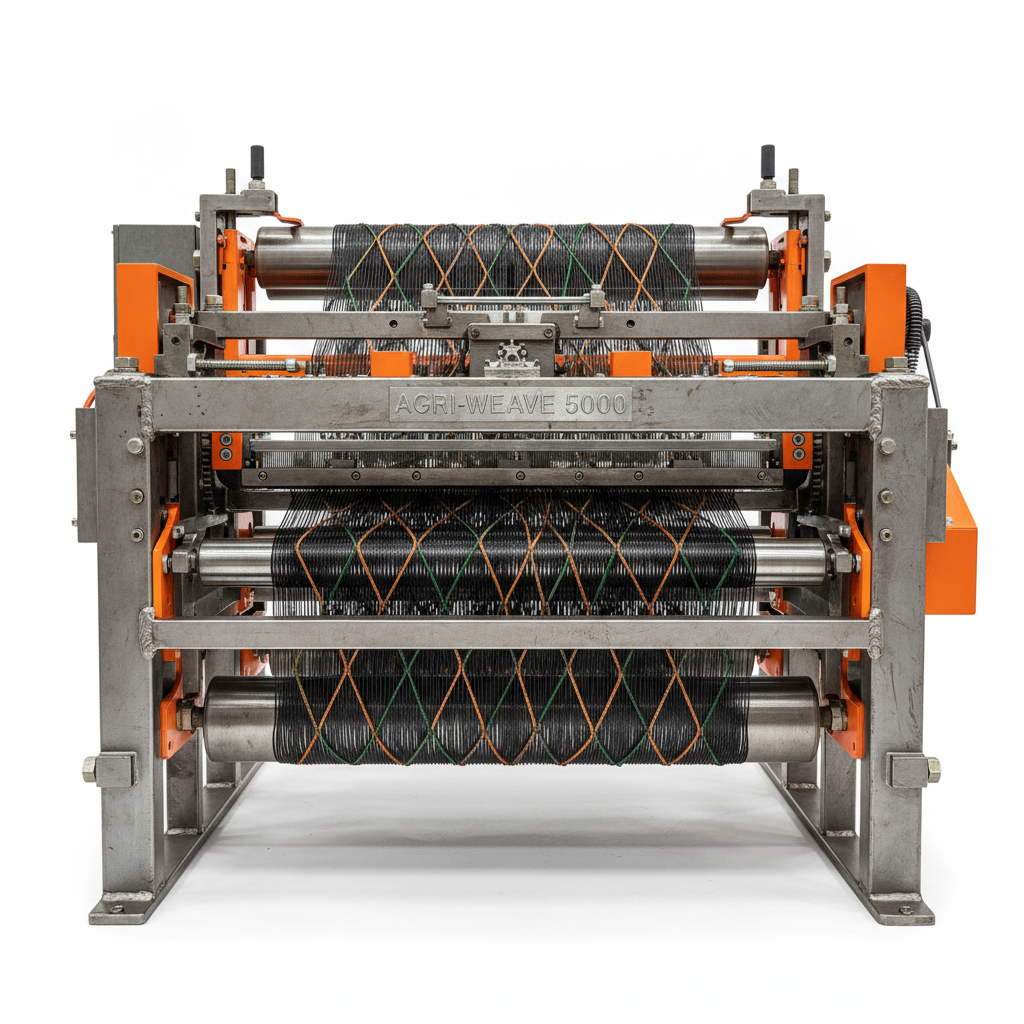
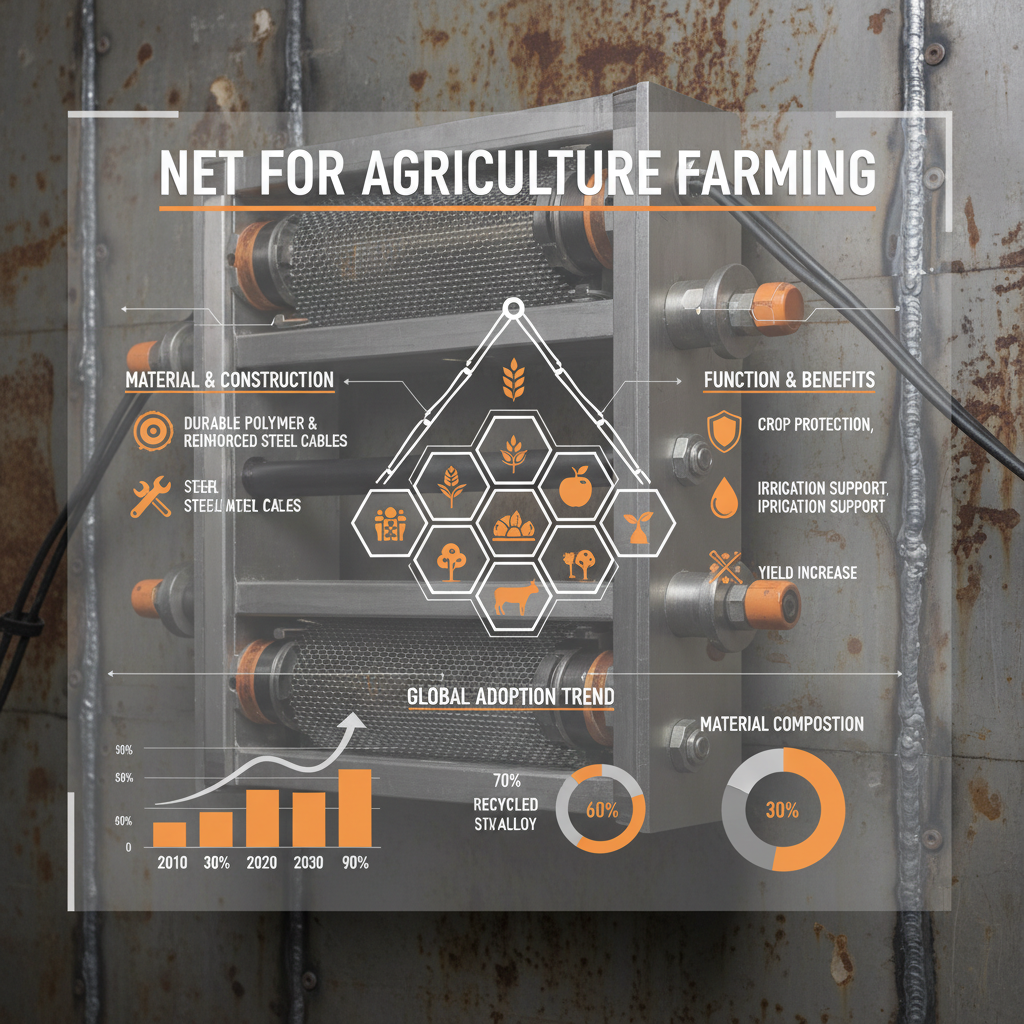
Net for agriculture farming, in its simplest form, refers to woven or knitted materials – typically made from polyethylene, polypropylene, or nylon – designed to serve various protective and supportive functions within agricultural settings. These nets are engineered with specific mesh sizes, strengths, and UV resistance levels to cater to a diverse range of applications, from insect control and bird netting to hail protection and plant support.
Its connection to modern industry and humanitarian needs stems from its ability to enhance food security, reduce crop losses, and promote sustainable farming practices. In regions facing food shortages or environmental challenges, agricultural netting can be a crucial tool for increasing crop yields and improving the livelihoods of farming communities. This is particularly relevant as the world population continues to grow and the need for efficient food production becomes more pressing.
Global Relevance and Industry Context
The global agricultural netting market is experiencing consistent growth, driven by the increasing adoption of protective agriculture techniques worldwide. According to industry reports, the market is projected to reach significant value in the coming years, indicating a growing recognition of the benefits that net for agriculture farming offers. This growth is particularly pronounced in regions with intensive agricultural production, such as Asia-Pacific, Europe, and North America.
The demand is also fueled by evolving consumer preferences for high-quality, residue-free produce. Netting helps minimize the use of pesticides by physically excluding pests, contributing to healthier and more sustainable food systems. Furthermore, the growing awareness of the impacts of climate change and the need for resilient agricultural practices are driving investment in netting solutions that protect crops from extreme weather events.
A significant challenge that net for agriculture farming addresses is the significant post-harvest losses experienced by farmers globally. Insects, birds, and weather damage contribute to substantial reductions in crop yields, impacting food security and farmer income. By providing a protective barrier, netting minimizes these losses, ensuring a greater proportion of the harvest reaches consumers.
Core Components and Characteristics
Several core components determine the suitability of net for agriculture farming for specific applications. These include material composition (polyethylene, polypropylene, nylon), mesh size (determining the size of insects or debris excluded), tensile strength (indicating the netting’s resistance to tearing and breakage), and UV stabilization (protecting the netting from degradation caused by sunlight exposure).
Durability is paramount, as agricultural netting is often exposed to harsh environmental conditions. High-quality netting will withstand prolonged UV exposure, extreme temperatures, and physical stress. Scalability is another critical factor; netting systems must be adaptable to various farm sizes and crop types. The ability to easily install and remove netting is also essential for efficient farm management.
Cost-efficiency is, of course, a key consideration for farmers. While higher-quality netting may have a higher upfront cost, its increased durability and effectiveness can lead to long-term savings by reducing crop losses and minimizing the need for frequent replacements. The specific requirements of the crop and the local environment will dictate the optimal balance between cost and performance.
Practical Applications of Netting
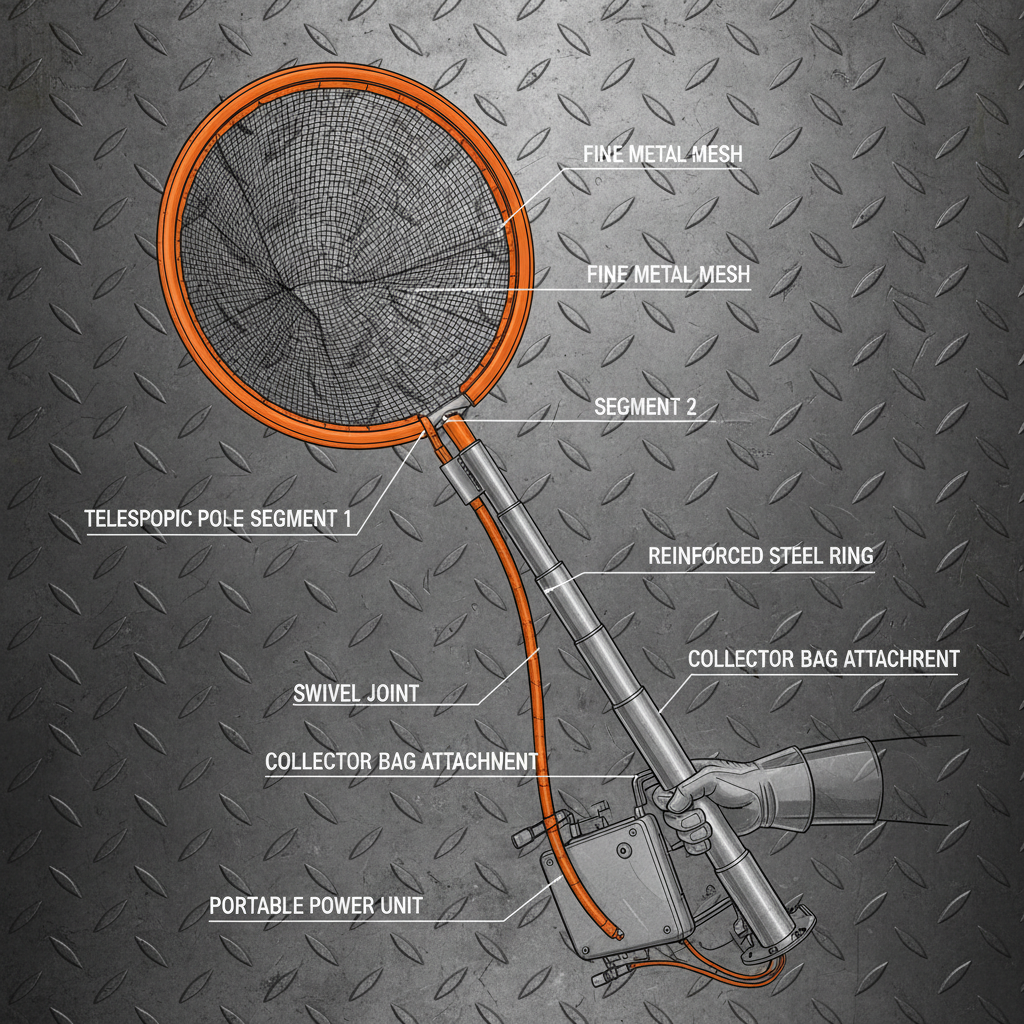
The applications of net for agriculture farming are remarkably diverse. One primary use is insect exclusion netting, protecting crops from damaging pests like aphids, whiteflies, and caterpillars, reducing the need for chemical pesticides. Another key application is hail netting, providing a protective barrier against hailstorms that can devastate crops.
Bird netting is widely used to prevent birds from feeding on fruits and vegetables, safeguarding harvests and minimizing economic losses. Plant support netting provides a framework for climbing plants like tomatoes, cucumbers, and beans, promoting vertical growth and maximizing space utilization. Shading nets are employed to reduce sunlight intensity, protecting sensitive crops from scorching and improving fruit quality.
Netting Performance Across Crop Types
Global Use Cases and Regional Variations
Net for agriculture farming is utilized globally, with regional variations based on climate, crop types, and prevalent pest pressures. In Mediterranean countries, netting is extensively used to protect fruit orchards from sunburn and insect infestations. In Asia, it plays a crucial role in protecting vegetable crops from intense rainfall and pest damage.
In post-disaster relief operations, netting can be rapidly deployed to create temporary shelters and protect food crops. In remote industrial zones, it can be used to establish controlled environment agriculture systems, ensuring a consistent supply of fresh produce. For example, in regions prone to sandstorms, specialized netting provides a barrier against abrasive particles, protecting crops and soil.
The Netherlands, a leader in horticultural technology, utilizes advanced netting systems within its greenhouses to optimize light transmission, temperature control, and pest management. Australia employs netting extensively to protect vineyards from bird damage, safeguarding a valuable export industry. These examples highlight the versatility and adaptability of netting solutions to diverse agricultural contexts.
Advantages and Long-Term Value Proposition
The advantages of implementing net for agriculture farming are substantial and far-reaching. Tangible benefits include reduced crop losses, improved crop quality, minimized pesticide use, and increased yields. These translate to higher profitability for farmers and a more sustainable food production system. The longevity of high-quality netting also contributes to cost savings over time.
Beyond the economic benefits, netting enhances the social impact of agriculture by promoting food security and supporting the livelihoods of farming communities. The emotional benefit of knowing your crops are protected provides peace of mind. The innovation lies in the adaptation of netting technology to address specific agricultural challenges. The trust in a reliable, protective measure fosters a sense of confidence in the farming process.
Future Trends and Innovations in Netting Technology
The future of net for agriculture farming is marked by several exciting trends and innovations. The development of biodegradable netting materials will address environmental concerns and reduce plastic waste. Integration with smart farming technologies, such as sensors and automated control systems, will enable more precise and efficient netting deployment.
Research into novel netting designs with enhanced UV resistance, tear strength, and airflow characteristics is ongoing. The application of nanotechnology to create self-cleaning netting is also being explored. Furthermore, advancements in digital transformation will allow for real-time monitoring of netting performance and predictive maintenance.
The increasing emphasis on sustainable agriculture will drive demand for environmentally friendly netting solutions. The integration of renewable energy sources to power automated netting systems will further reduce the environmental footprint of agricultural practices. These developments will solidify the role of netting as a critical component of modern, resilient, and sustainable farming systems.
Factors Influencing the Effectiveness of Netting Systems
| Netting Material |
Mesh Size (mm) |
Installation Quality |
Maintenance Frequency |
| Polyethylene (PE) |
1.5 |
Excellent |
Monthly |
| Polypropylene (PP) |
2.0 |
Good |
Quarterly |
| Nylon |
0.8 |
Average |
Bi-Monthly |
| Reinforced PE |
1.0 |
Very Good |
Semi-Annually |
| UV-Stabilized PP |
2.5 |
Good |
Annually |
| High-Density PE |
1.2 |
Excellent |
Semi-Annually |
FAQS
Using net for agriculture farming offers several advantages over traditional pest control. It’s a physical barrier, reducing or eliminating the need for chemical pesticides, leading to healthier produce and a lower environmental impact. Netting is also selective, protecting crops from specific pests while allowing beneficial insects to thrive. Furthermore, it provides protection against various weather elements like hail and intense sunlight, resulting in consistent crop quality and yield.
The lifespan of agricultural netting typically ranges from 3 to 10 years, depending on several factors. Material quality, UV stabilization, environmental conditions, and installation method all play a crucial role. Higher-quality netting made with UV-resistant materials will last longer. Exposure to extreme weather, such as prolonged sunlight or harsh winters, can shorten its lifespan. Proper installation and regular maintenance, including cleaning and repair, can extend its durability.
Yes, net for agriculture farming is generally considered a more environmentally sustainable option compared to heavy reliance on chemical pesticides. By reducing pesticide use, it protects beneficial insects, pollinators, and the overall ecosystem. However, the environmental impact of the netting itself depends on the material. Choosing biodegradable or recyclable netting options further enhances its sustainability. Responsible disposal of used netting is also crucial.
The ideal mesh size depends on the size of the pests you’re trying to exclude. For example, to protect against fruit flies, a mesh size of 1.5mm or smaller is recommended. For larger insects like cabbage moths, a mesh size of 2.0mm might suffice. Consulting with agricultural experts or referring to pest-specific recommendations can help determine the most effective mesh size for your specific crops and location.
The costs vary based on the size of the area, the type of netting, and the complexity of the installation. Initial costs include the netting itself, support structures, and labor for installation. Maintenance costs involve periodic cleaning, repairs, and potential replacements. However, the long-term benefits – reduced crop losses, lower pesticide expenses, and increased yields – often outweigh the initial investment.
Absolutely! Net for agriculture farming is often used in conjunction with other protective measures to create a comprehensive approach to crop protection. It can be combined with integrated pest management (IPM) strategies, beneficial insect releases, and organic farming practices. For example, netting can provide a physical barrier while IPM techniques address pest populations through biological control and monitoring.
Conclusion
In conclusion, net for agriculture farming represents a vital tool for modern agriculture, offering a sustainable, cost-effective, and versatile solution for crop protection and yield enhancement. From safeguarding against pests and harsh weather to optimizing growing environments, netting plays a crucial role in ensuring food security and promoting resilient agricultural practices worldwide. Its adaptability and ongoing innovation solidify its position as an essential component of the future of farming.
Looking ahead, continued research and development in biodegradable materials, smart netting systems, and optimized designs will further enhance the benefits of this technology. We encourage farmers, horticulturalists, and agricultural businesses to explore the potential of net for agriculture farming to improve their operations, reduce their environmental impact, and contribute to a more sustainable food system. Visit our website at www.yjwiremesh.com to learn more about our range of agricultural netting solutions.