Implementing a high-quality net for insects is no longer just an option for modern agriculture and industrial facilities; it is a critical necessity for ensuring bio-security and crop yield. By creating a physical barrier against pests, these specialized mesh systems reduce the reliance on chemical pesticides, promoting a more sustainable approach to farming and food production globally.
The global demand for efficient pest management has surged as climate change shifts insect migration patterns, making traditional methods less reliable. From large-scale greenhouses in the Netherlands to organic farms in Southeast Asia, the strategic use of an insect-proof net helps mitigate the risk of devastating infestations that can wipe out entire harvests in a matter of days.
Understanding the technical nuances of mesh size, material durability, and airflow is essential for selecting the right net for insects. This comprehensive guide explores how advanced wire and polymer mesh technologies are redefining the boundaries of protective netting, ensuring that producers can protect their assets while maintaining optimal environmental conditions.
Global Industry Context of Insect Netting
The global agricultural landscape is currently facing an unprecedented challenge due to the rapid evolution of pest resistance. According to FAO data, crop losses attributable to insects and other pests can range from 20% to 40% annually. This systemic vulnerability has pushed the industry toward integrated pest management (IPM) strategies, where a physical net for insects serves as the primary line of defense, significantly reducing the chemical footprint of commercial farming.
Beyond agriculture, the industrial and architectural sectors have adopted these mesh solutions to protect sensitive equipment and living spaces. The integration of ISO-certified manufacturing standards in the production of metallic and polymer nets ensures that these barriers can withstand extreme weather conditions, providing a reliable shield that supports both food security and industrial stability on a global scale.
Defining the Modern Net for Insects
In simple technical terms, a net for insects is a precision-engineered porous barrier designed to exclude specific pests while allowing the essential passage of air, light, and water. Unlike standard fencing, these nets are defined by their "mesh opening" size, which is calculated based on the morphology of the target insect, ensuring that even the smallest aphids or thrips cannot penetrate the perimeter.
From a humanitarian and industrial perspective, these nets represent a shift toward "passive protection." By utilizing materials such as high-density polyethylene (HDPE) or stainless steel wire mesh, the industry provides a solution that requires no electricity and minimal maintenance, making it an ideal choice for remote agricultural zones or large-scale breeding facilities where resource efficiency is paramount.
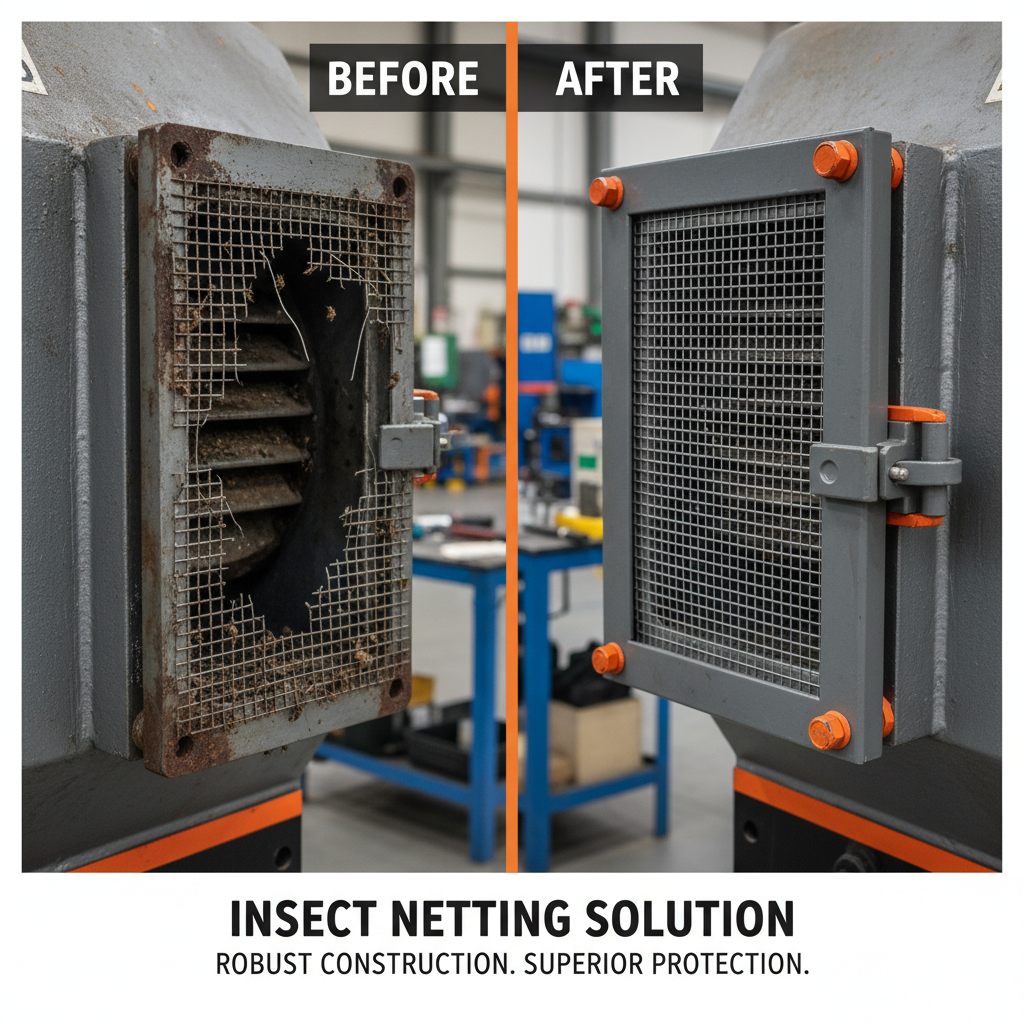
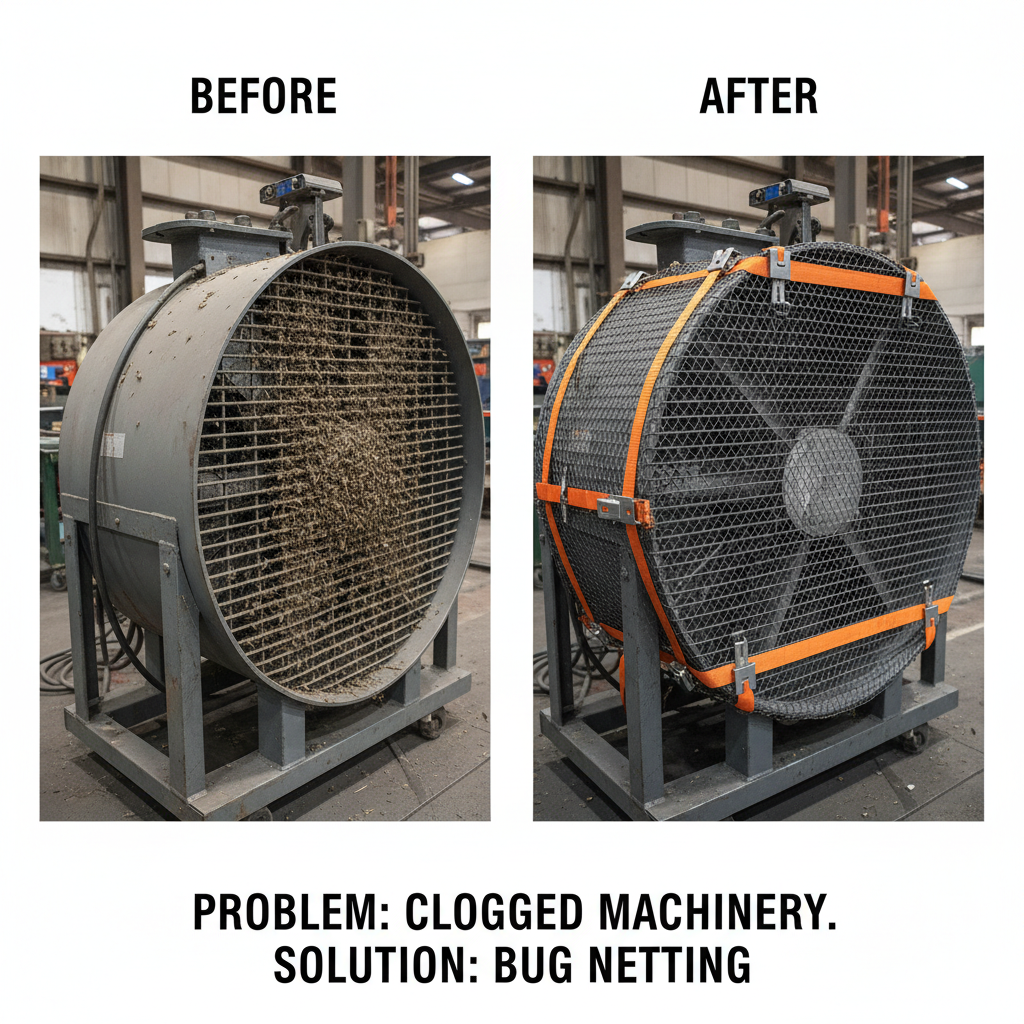
Modern insect netting is categorized into several specialized types, including Agriculture Networks for crop protection, Breeding Nets for livestock and poultry, and Industrial Networks for ventilation systems. Each is tailored to balance the tension between exclusion efficiency and breathability, ensuring that the environment inside the net remains healthy and productive.
Core Components of High-Performance Mesh
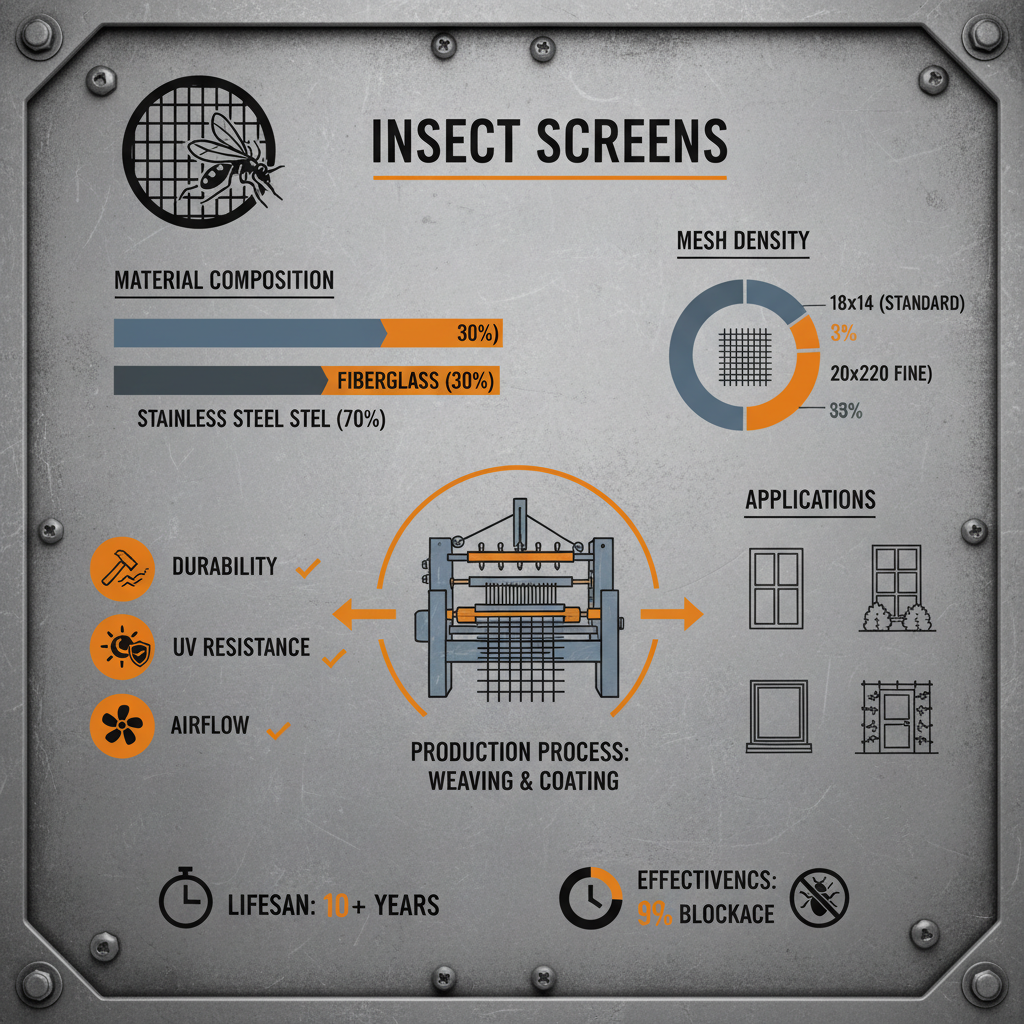
The effectiveness of a net for insects depends heavily on its material durability. UV-stabilized polymers are essential for outdoor applications to prevent the mesh from becoming brittle under intense sunlight. For industrial settings, corrosion-resistant alloys are used to ensure the net remains intact despite exposure to moisture or chemicals.
Mesh density and aperture size are the most critical technical parameters. A tight weave is necessary for excluding micro-pests, but it must be balanced with the "Open Area Percentage" to ensure sufficient ventilation. If the net for insects is too restrictive, it can create a microclimate that encourages fungal growth due to trapped humidity.
Scalability and ease of installation are the final core components. Modern nets are designed with reinforced edges and specialized fastening systems that allow them to be deployed across hectares of land or integrated into complex architectural facades without sagging, ensuring a gap-free seal that is vital for total pest exclusion.
Practical Applications Across Global Sectors
In the realm of high-tech agriculture, the use of a net for insects is prevalent in "protected cultivation" systems. For example, in greenhouse complexes across Europe, these nets are used to prevent the entry of whiteflies and aphids, allowing farmers to produce organic-certified crops without the use of synthetic insecticides.
Beyond farming, breeding nets are indispensable in the poultry and aquaculture industries to prevent the spread of avian influenza and other insect-borne diseases. Similarly, in industrial zones, metallic insect-proof mesh is integrated into HVAC systems to prevent pests from entering clean-room environments or food processing plants, ensuring compliance with strict hygiene regulations.
Efficiency Rating of Different Net for Insects Types
Long-Term Economic and Environmental Value
Investing in a professional net for insects provides a tangible return on investment (ROI) by drastically reducing the cost of chemical inputs. When pesticides are minimized, soil health improves and beneficial pollinators, such as bees, can be managed more effectively, leading to higher quality yields and premium market pricing for "pesticide-free" produce.
From a sustainability perspective, the use of long-lasting, recyclable mesh materials reduces the environmental impact associated with disposable plastic covers. By providing a permanent physical barrier, these nets empower farmers and industrial operators to build a resilient infrastructure that protects their livelihoods while safeguarding the local ecosystem from chemical runoff.
Future Innovations in Pest Barrier Technology
The next generation of net for insects is moving toward "smart" materials. We are seeing the emergence of nano-coated meshes that not only block insects physically but also repel water and dust (hydrophobic properties), which prevents the clogging of the mesh and maintains optimal airflow over the product's lifespan.
Furthermore, the integration of biodegradable polymers is becoming a priority for temporary crop protection. These innovative nets provide full protection during the critical growth phases of a plant and then decompose naturally into the soil, eliminating the waste management challenges associated with traditional plastic netting.
Digital transformation is also touching this sector through the use of automated deployment systems. Large-scale agricultural projects are now utilizing sensor-driven retractable nets that can be deployed or retracted based on real-time pest activity data and weather forecasts, maximizing the efficiency of the protective barrier.
Overcoming Implementation Challenges
One of the primary challenges in deploying a net for insects is the "edge leakage" problem, where pests find small gaps at the base or corners of the installation. The professional solution involves the use of weighted bottom bars and specialized tensioning clips that ensure a seamless contact point between the mesh and the ground or frame.
Another common issue is the balance between protection and light transmission. Some high-density nets can inadvertently shade crops too much, slowing growth. To overcome this, manufacturers are developing "optical-grade" meshes that utilize specific filament shapes to reflect harmful UV rays while allowing the PAR (Photosynthetically Active Radiation) needed for plant growth to pass through.
Finally, the cost of initial installation can be a barrier for small-scale farmers. However, by shifting the perspective from "expenditure" to "asset investment," it becomes clear that the reduction in crop loss and chemical costs typically pays for the net within the first two to three growing seasons.
Technical Comparison of Insect Netting Materials
| Material Type |
Durability Score (1-10) |
Airflow Efficiency |
Primary Use Case |
| HDPE Polymer |
7 |
High |
Agricultural Greenhouses |
| 304 Stainless Steel |
10 |
Medium |
Industrial Ventilation |
| Nylon Monofilament |
6 |
Very High |
Micro-pest Exclusion |
| PVC Coated Wire |
8 |
Medium |
Animal Breeding Pens |
| Biodegradable PLA |
4 |
High |
Short-term Crop Cover |
| Galvanized Steel |
9 |
Medium |
Heavy-duty Industrial |
FAQS
Choosing the right mesh size depends entirely on the target pest. For larger insects like beetles, a wider mesh is sufficient and allows better airflow. However, for thrips or aphids, you need a much finer mesh (typically measured in microns or mesh counts per inch). We recommend identifying the smallest pest common in your region and selecting a mesh size that is slightly smaller than that insect's body width to ensure total exclusion.
Some low-quality nets can block too much light, but professional-grade net for insects solutions are designed with high light-transmission coefficients. By using specific polymers and weaving patterns, these nets can block pests while allowing over 85-90% of necessary sunlight to reach the plants, ensuring that growth rates remain optimal while protection is maximized.
The lifespan depends on the UV-stabilization quality. A standard, high-quality HDPE net treated with UV inhibitors typically lasts between 3 to 5 years in direct sunlight. To extend its life, we recommend avoiding abrasive cleaning tools and ensuring the net is tensioned correctly to prevent tears from wind stress.
It depends on the application. Metallic mesh (like stainless steel) is vastly superior for industrial environments, high-heat areas, or where extreme durability and fire resistance are required. Polymer mesh is generally better for agriculture due to its flexibility, lower cost, and specific weaving capabilities that can block much smaller insects than traditional wire mesh.
The most effective method is to use a "ground-seal" approach. This can be achieved by burying the bottom 10-20cm of the net for insects in a shallow trench or using weighted pipes/bars to press the mesh firmly against the soil. For greenhouses, a specialized perimeter track can be used to lock the mesh in place.
Yes, they are significantly more eco-friendly. By providing a physical barrier, they eliminate the need for repeated chemical spraying, which prevents toxic runoff into groundwater and protects non-target beneficial insects like bees. While the nets themselves are made of polymers, their long lifespan and recyclability make them a much more sustainable choice for long-term pest management.
Conclusion
In summary, the implementation of a high-quality net for insects is a cornerstone of modern bio-security, bridging the gap between high-yield productivity and environmental sustainability. By selecting the appropriate material—whether it be UV-stabilized polymers for agriculture or corrosion-resistant alloys for industry—and focusing on precision mesh sizing, operators can effectively eliminate pest-related losses and reduce their chemical dependency.
Looking forward, the integration of smart materials and biodegradable options will further refine how we protect our resources. We encourage producers and facility managers to view insect netting not as a simple accessory, but as a strategic investment in the resilience and purity of their production chain. To find the perfect mesh solution for your specific needs, visit our website: www.yjwiremesh.com.