In the realm of agricultural entomology and pest management, the sweeping net insect serves as a fundamental tool for biodiversity monitoring and pest population assessment. By allowing researchers and farmers to capture a representative sample of insects within a specific crop canopy, these specialized nets provide the empirical data necessary to make informed decisions about pesticide application and biological control. Understanding the mechanics and proper selection of these tools is critical for maintaining sustainable agricultural ecosystems globally.
The global demand for precision in pest monitoring has surged as the agricultural sector shifts toward Integrated Pest Management (IPM). According to standards aligned with ISO environmental monitoring, the accuracy of insect sampling directly influences crop yield and food security. The sweeping net insect addresses the challenge of "invisible" pest build-ups by providing a rapid, non-destructive method of surveying large fields, ensuring that interventions are timely and targeted rather than blanket-applied.
From an industrial perspective, the manufacture of these nets requires a sophisticated balance of mesh size, material tensile strength, and weight. A poorly constructed sweeping net can lead to sample bias or premature wear and tear in harsh field conditions. By integrating advanced polymer science with traditional wire mesh expertise, modern producers are creating tools that not only capture insects efficiently but also withstand the rigors of daily professional use across diverse climates.
The Technical Definition of Sweeping Net Insect
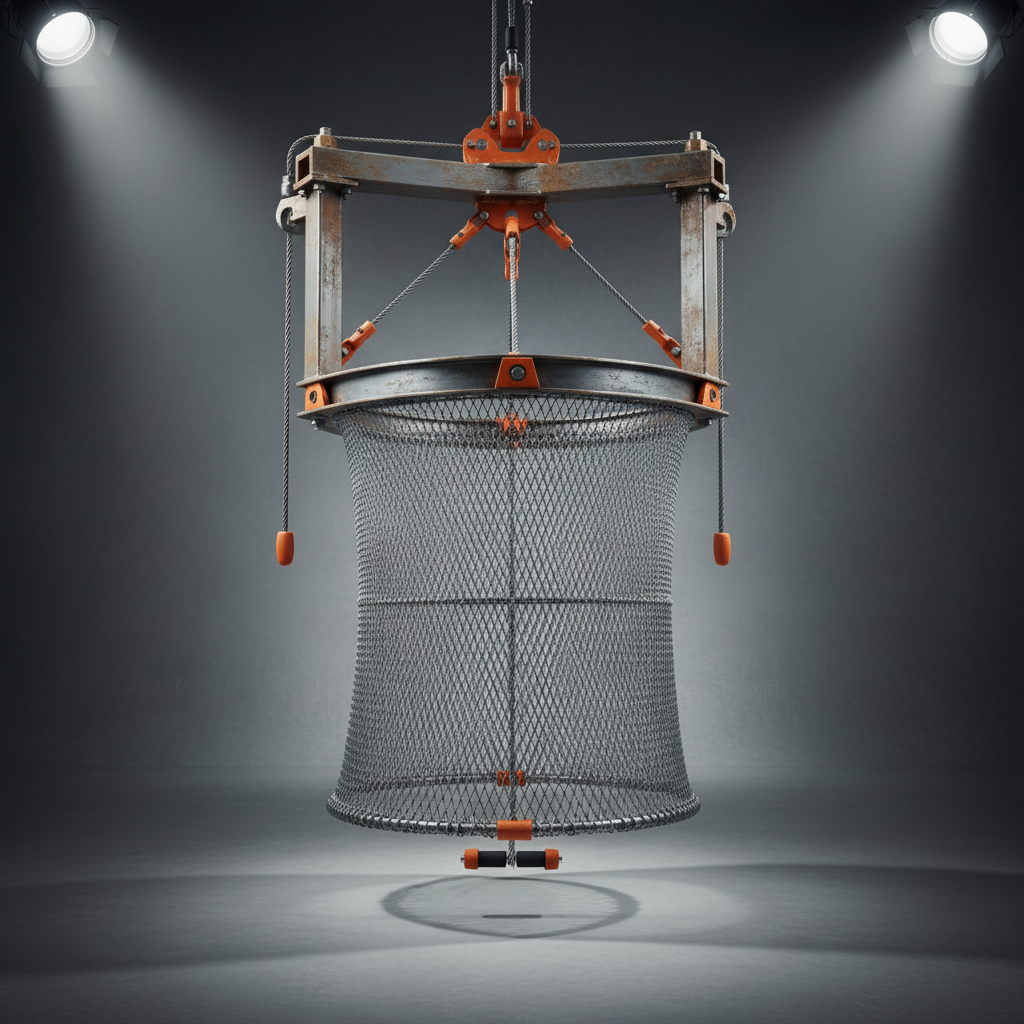
A sweeping net insect is a specialized sampling device designed to collect insects from the foliage of plants through a standardized "sweeping" motion. Unlike general-purpose butterfly nets, these tools are engineered with specific mesh densities to prevent the escape of minute pests while ensuring that the net does not become clogged with plant debris during a survey.
The primary purpose of this tool is quantitative and qualitative analysis. By sweeping a set number of times across a predetermined transect, entomologists can calculate the density of insects per sweep, providing a scientifically valid metric for pest pressure. This process is essential for the development of economic thresholds in commercial farming, where the cost of treatment is weighed against the potential loss of yield.
Core Components of High-Performance Sampling Nets
The efficacy of a sweeping net insect depends heavily on its structural integrity. The frame, usually constructed from lightweight aluminum or reinforced carbon fiber, must be rigid enough to maintain a wide aperture while remaining light enough to prevent operator fatigue during long sampling sessions in the field.
The mesh bag is the heart of the tool. Depending on the target species, the mesh can range from fine nylon to heavy-duty polyester. The tension of the mesh is critical; if it is too loose, insects can slip through the gaps; if it is too tight, the net may tear when encountering woody stems or thorns. Proper stitching at the junction of the frame and the bag ensures that the net can withstand thousands of rapid movements.
Finally, the handle design plays a pivotal role in ergonomics. An adjustable or telescopic handle allows the user to reach different canopy levels, ensuring that the sweeping net insect captures a comprehensive vertical sample of the insect population, from the lower leaves to the upper shoots.
Material Durability and Mesh Precision
When selecting a sweeping net insect, material science becomes the deciding factor. Industrial-grade polymers are now used to create UV-resistant fabrics that do not degrade under the intense sunlight of tropical or arid agricultural zones.
Mesh precision is measured in microns or millimeter apertures. A sweeping net insect designed for aphids requires a much tighter weave than one intended for grasshoppers. Ensuring a consistent pore size across the entire surface of the net is essential for maintaining the scientific validity of the collected data.
Furthermore, the interaction between the mesh and the environment is crucial. Anti-static coatings are often applied to prevent insects from clinging to the walls of the bag, allowing for an easier and more complete transfer of specimens into killing jars or vials for laboratory identification.
Comparative Efficiency of Sampling Methods
Comparing the sweeping net insect to other methods, such as pheromone traps or yellow sticky cards, reveals its unique advantage: it provides a "snapshot" of the current active population. While traps are passive and rely on insect attraction, sweeping is an active sampling method that captures insects regardless of their attraction to a specific lure.
In high-density crop environments, the speed of deployment makes the sweeping net far more efficient for rapid screening. It allows a technician to cover several acres in a fraction of the time it would take to check individual traps, making it the gold standard for early warning systems in pest outbreaks.
Sampling Efficiency Ratings for Pest Monitoring
Global Applications in Crop Protection
Across the globe, the sweeping net insect is employed in diverse settings, from the vast corn belts of the United States to the rice paddies of Southeast Asia. In these regions, national agricultural departments use standardized sweeping protocols to map the migration of invasive species, such as the Fall Armyworm, allowing neighboring countries to prepare their defenses before the pest arrives.
Beyond commercial farming, these tools are indispensable in ecological research and conservation. Biologists use them to study the impact of climate change on insect phenology, tracking when specific species emerge in the spring. By using a consistent sweeping net insect across different altitudes and latitudes, researchers can create a comprehensive map of biodiversity loss and ecosystem health.
Long-Term Value of Standardized Monitoring
The adoption of high-quality sweeping net insect tools provides significant long-term economic value. By reducing the reliance on scheduled pesticide spraying and moving toward "spray-as-needed" models, farmers can reduce chemical costs by up to 30% while simultaneously decreasing the environmental footprint of their operations.
Moreover, the use of standardized equipment ensures that data is comparable across different seasons and years. When a farm maintains a rigorous monitoring schedule with a reliable sweeping net, they build a historical database of pest behavior. This allows for predictive modeling, where farmers can anticipate outbreaks based on weather patterns and previous years' sampling data.
Ultimately, the investment in professional-grade sampling tools fosters a culture of precision and trust. When agricultural consultants provide recommendations based on hard data collected via a sweeping net insect, the farmer has the confidence to implement biological controls or targeted interventions, knowing the risk is measured and managed.
Future Trends in Entomological Tooling
The future of the sweeping net insect lies in the integration of smart materials and digital transformation. We are seeing the emergence of "smart nets" featuring integrated sensors that can provide an initial count of captured insects using optical sensors before the sample is even taken to the lab, drastically speeding up the field-to-data pipeline.
Sustainability is also driving innovation. New biodegradable polymers are being tested for mesh production, ensuring that damaged nets do not contribute to plastic pollution in sensitive agricultural zones. Additionally, the application of nano-coatings is making nets even more resistant to abrasion and chemical contamination, extending the lifespan of the equipment.
As automation grows, we expect to see the principles of the sweeping net integrated into robotic drones. These autonomous systems could mimic the sweeping motion over large areas, using AI-driven image recognition to identify pests in real-time, combining the physical efficiency of the sweeping net insect with the scale of digital agriculture.
Technical Analysis of Sweeping Net Insect Specifications
| Mesh Material |
Target Insect Size |
Durability Score (1-10) |
Recommended Use Case |
| Fine Nylon |
< 1mm (Aphids, Thrips) |
6 |
Greenhouse Monitoring |
| Heavy Polyester |
1mm - 5mm (Beetles) |
9 |
Field Corn/Soybean |
| Stainless Steel Mesh |
Variable (Industrial) |
10 |
Harsh Thorny Scrub |
| Coated Polypropylene |
2mm - 10mm (Grasshoppers) |
8 |
Pasture Surveys |
| Biodegradable PLA |
1mm - 3mm (General) |
5 |
Eco-Sensitive Zones |
| Reinforced Kevlar Blend |
All sizes |
10 |
Professional Research |
FAQS
The ideal mesh size depends entirely on your target pest. For small insects like aphids or thrips, a fine mesh (approximately 0.5mm to 1mm) is required to prevent escape. For larger insects like beetles or grasshoppers, a wider mesh (2mm to 5mm) is preferred to prevent the net from clogging with plant matter, which can slow down the sampling process and damage the fabric.
To extend the life of your sweeping net insect, always shake out plant debris immediately after each set of sweeps. After field use, rinse the mesh with mild soap and water to remove corrosive insect secretions or chemical residues. Store the net in a cool, dry place away from direct sunlight to prevent UV degradation of the polymer fibers.
Yes, provided that a standardized protocol is followed. By defining a fixed "sweep" (e.g., a 180-degree arc) and performing a set number of sweeps across a measured transect, the data becomes quantitative. This allows researchers to report insects per square meter or per sweep, making the sweeping net insect a valid tool for academic biodiversity research.
Both have strengths. Vacuum sampling is often more precise for very small, sedentary insects. However, the sweeping net insect is far more portable, requires no power source, and is generally faster for covering large areas. For most rapid-assessment agricultural needs, the sweeping net remains the more cost-effective and practical choice.
In environments with thorns or abrasive foliage, avoid standard nylon. Instead, opt for reinforced polyester or even stainless steel mesh components. These materials offer higher tear resistance and tensile strength, ensuring that a single snag doesn't render the entire sweeping net insect useless during a critical monitoring period.
The most effective method is to use a net with a secure draw-string closure or a "sleeve" design. Once the desired number of sweeps is completed, the bag should be closed immediately. For professional use, transferring the insects into a killing jar or a specimen vial while the net is still closed ensures 100% sample retention.
Conclusion
The sweeping net insect remains an indispensable tool in the intersection of industrial manufacturing and agricultural science. By combining precision engineering in mesh size and material durability with standardized sampling protocols, this tool enables the transition from intuitive farming to data-driven Integrated Pest Management. From enhancing crop yields to protecting global biodiversity, the impact of reliable entomological tools cannot be overstated.
Looking forward, the integration of sustainable materials and smart sensors will only further elevate the utility of these sampling devices. We encourage agricultural professionals and researchers to invest in high-specification equipment that ensures data accuracy and operational longevity. To explore our range of industrial-grade mesh solutions and professional sampling tools, visit our website: www.yjwiremesh.com