You know, it's funny. Been running around construction sites all year, breathing in dust and dealing with engineers who think everything's perfect on paper. Lately, everyone's talking about prefabrication, modular builds. Not exactly new, but it's hitting a fever pitch. Everyone wants faster, cheaper, easier. And that means a lot more demand for good quality agricultural shade netting. It's…complicated.
To be honest, a lot of these architects and project managers, they don’t understand the real-world implications. They’ll spec something that looks good on a CAD drawing, but is a nightmare to actually install. I encountered this at a factory in Ningbo last time - they wanted a custom weave that was supposed to reduce glare by 80%. Looked fantastic in the sample, but the tension on the frame was all off, and it ended up looking like a crumpled mess. It's a constant battle, reminding people that aesthetics aren’t everything.
And it’s not just about the design. The materials themselves… now that’s a whole other story. We mostly work with high-density polyethylene (HDPE) netting. It’s the standard, right? Feels a bit waxy to the touch, has that…plastic smell. You get used to it. The good stuff, the stuff that lasts, isn't cheap. You can tell the difference just by how it feels in your hands - more substantial, less brittle. We used to go with cheaper options, but the UV degradation was terrible. The netting would just fall apart after a year. Waste of everyone’s time.
Introduction to agricultural shade netting
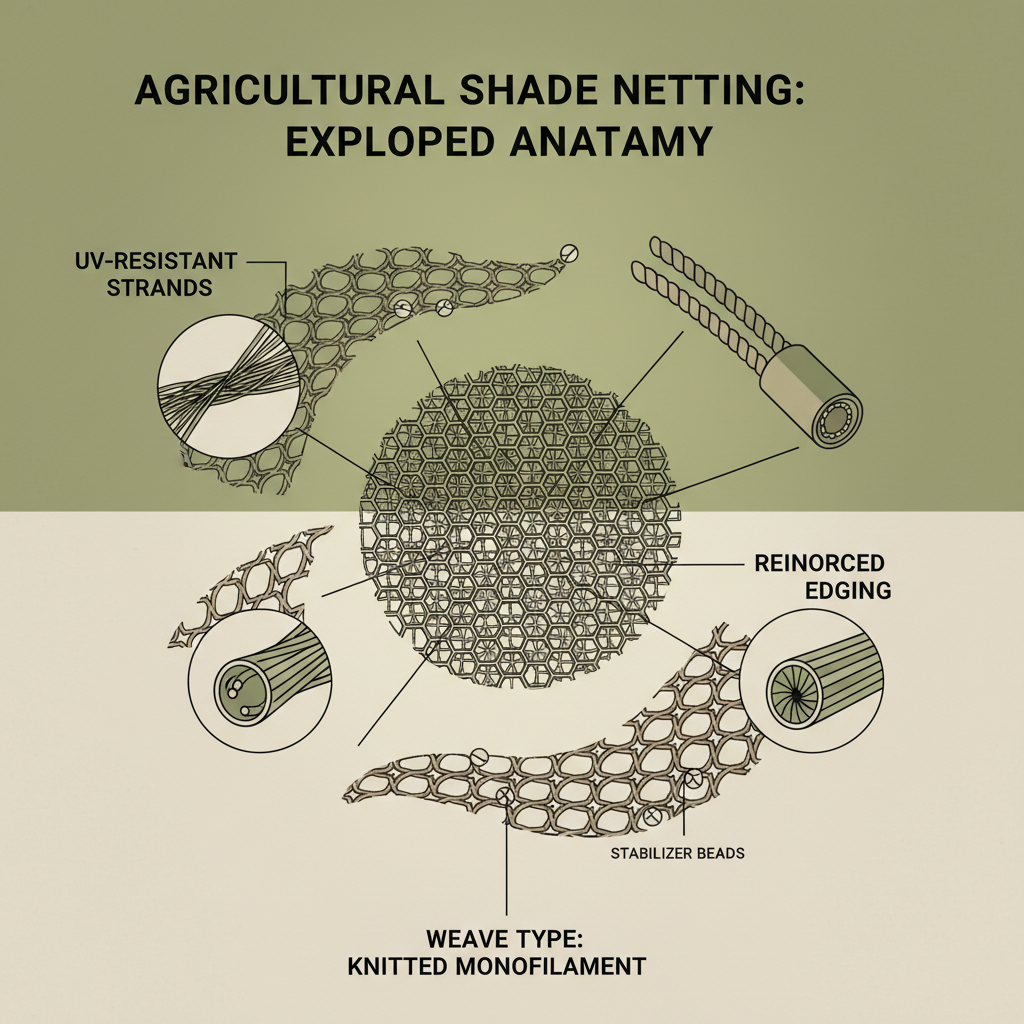
Agricultural shade netting, plain and simple, it’s a woven fabric used to reduce sunlight and create a more controlled environment for plants. Seems straightforward, right? But honestly, it's way more than just a piece of plastic. It's about optimizing growth, conserving water, protecting crops from harsh conditions. It’s about yield, and that’s what everyone cares about.
It’s been around for decades, evolving from simple burlap sacks to these highly engineered HDPE fabrics. It connects directly to the whole modernization of agriculture – trying to do more with less, adapting to climate change, and feeding a growing population. It’s not glamorous work, but it’s important. Strangely, sometimes the most important stuff isn’t glamorous.
Design Pitfalls and Material Selection
Have you noticed how many people focus on the shade percentage, and forget about the airflow? A 90% shade cloth that completely blocks the breeze is a recipe for disaster. You get heat buildup, humidity, and fungal growth. I’ve seen entire greenhouses wiped out because of poor ventilation. It’s a classic mistake. agricultural shade netting needs to breathe.
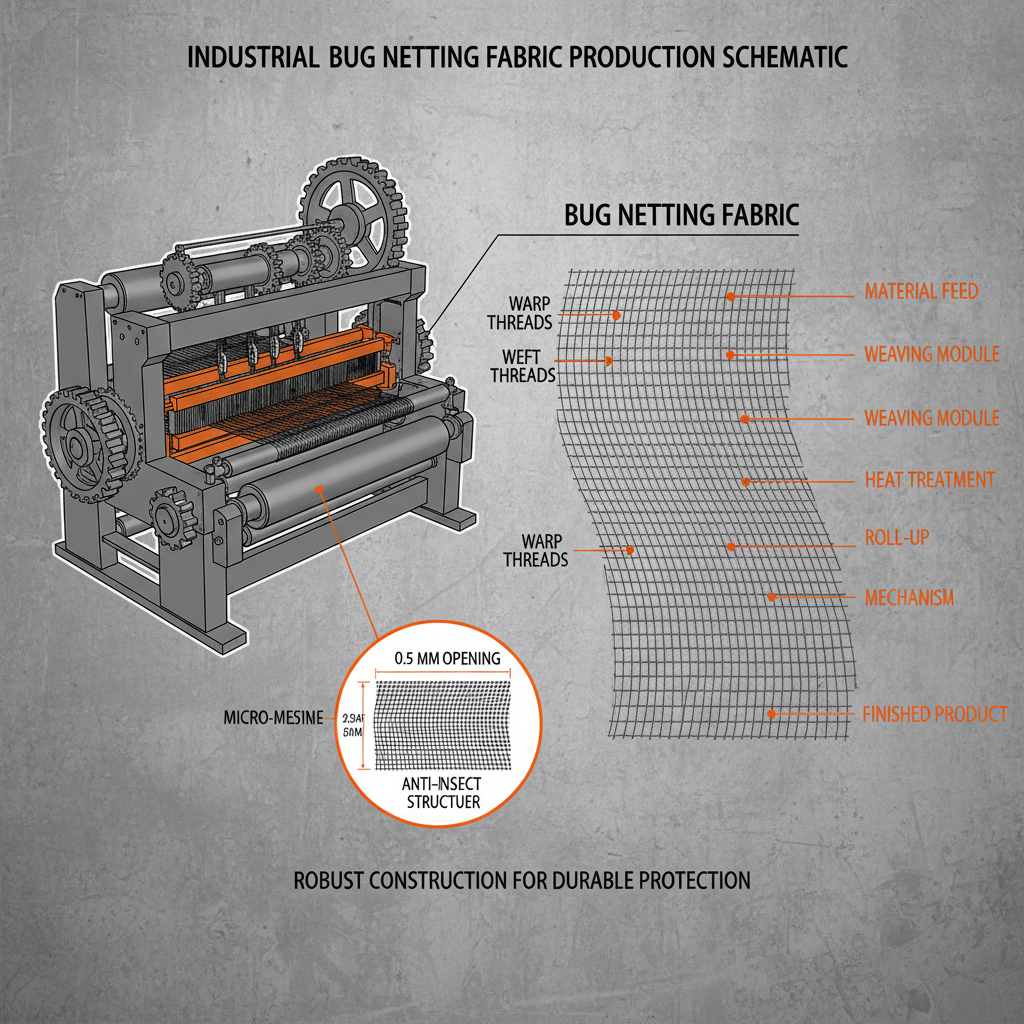
And the weave is crucial. A tight weave offers more shade, but it also restricts airflow. A loose weave allows more air circulation, but less shade. It’s a trade-off. We’ve been experimenting with different weave patterns – diamond, square, even hexagonal – to find the sweet spot. It’s not an exact science, though. Depends on the crop, the climate, and a dozen other factors.
Then you get into the UV stabilizers. This is where the quality really shows. Cheap netting will degrade within months, becoming brittle and useless. Good netting will last for years, even in direct sunlight. The difference is in the additives. The good stuff contains carbon black and hindered amine light stabilizers (HALS). Sounds fancy, but it's what protects the polymer from breaking down.
Rigorous Testing: Beyond the Lab
Look, I'm not a fan of lab tests. They're useful for basic quality control, sure, but they don't tell you how the netting will perform in the real world. We do our own testing, on-site. We’ll set up test plots, expose the netting to different weather conditions, and monitor its performance over time.
One thing we do is a simple tear test. We take a sample of the netting, clamp it into a testing machine, and apply force until it tears. It’s not glamorous, but it gives us a good indication of its tensile strength. We also do a UV exposure test. We expose samples to artificial sunlight for weeks, and then check for signs of degradation. We look for discoloration, brittleness, and loss of strength.
But honestly, the best test is time. We install the netting, and then we wait. We check it periodically, looking for any signs of wear and tear. If it’s still holding up after a year or two, we know we’ve got a good product. Later... forget it, I won’t mention the time a lab told us a certain batch was ‘perfect’ and it melted the first week of summer.
Real-World Applications and User Behavior
People use this stuff in ways you wouldn’t believe. Obviously, there's the standard greenhouse application, protecting tomatoes and peppers. But we've also seen it used for nurseries, protecting seedlings. And increasingly, it's being used for fruit orchards, preventing sunburn on apples and peaches.
It's not always about shade, either. Sometimes it’s about wind protection. We had a customer in California who used it to protect his avocado trees from strong winds. He said it reduced fruit drop by 20%. That’s a huge savings. Anyway, I think a lot of these applications are driven by local conditions and ingenuity. Farmers are smart people. They'll find a way to make things work.
agricultural shade netting Application Effectiveness
The Pros, the Cons, and Customization Options
The pros are obvious: reduced sunlight, improved crop yields, water conservation. It's a relatively cheap and easy way to improve growing conditions. But the cons… well, it can be a pain to install, especially on large structures. And it can trap heat if you don’t get the ventilation right. It’s also vulnerable to damage from wind and hail.
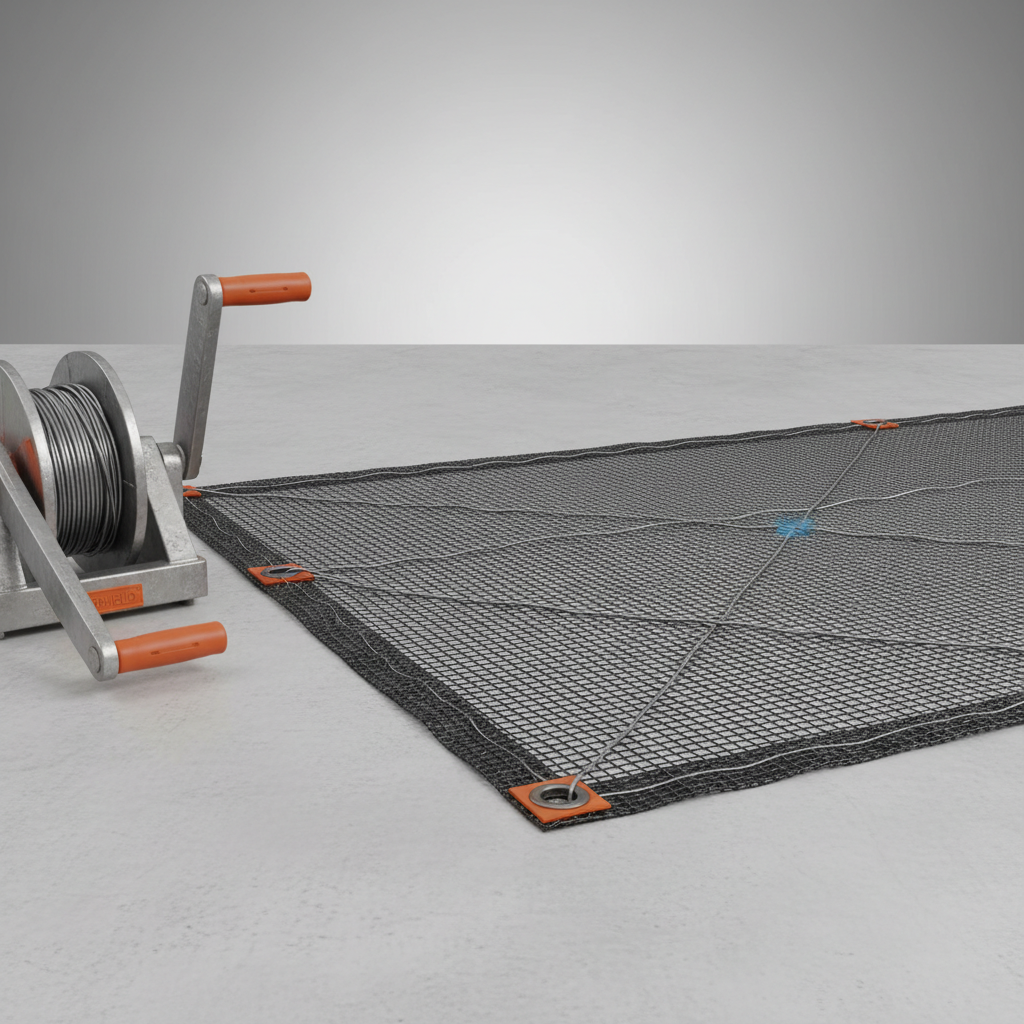
Customization is where things get interesting. We can adjust the shade percentage, the weave pattern, the width, the length. We even had a customer who wanted the netting dyed a specific shade of green to match his greenhouse. It was a small order, but he was insistent. We can also add reinforcements – grommets, ropes, even sleeves – to make installation easier and more secure.
A Customer Story: Shenzhen and
Last month, that small boss in Shenzhen who makes smart home devices insisted on changing the interface to on a large order of netting we were supplying for a vertical farm project. Said it was “future proofing.” He wanted all the attachment points to be compatible with connectors. Seriously. It added weeks to the production schedule, and ultimately didn't make a damn bit of difference. The farm still used zip ties. He just wanted to look innovative.
He argued that future systems would need integration for automated adjustments, but his team didn’t have a clear plan. It was a classic case of over-engineering. We tried to explain that the existing grommets were perfectly adequate, but he wouldn’t listen. Eventually, we gave in just to keep the peace. Cost us a fortune in overtime, though.
The netting itself performed perfectly, as always. But that whole experience just reminded me that sometimes, the simplest solution is the best. And always question a customer who’s obsessed with “future-proofing.” It’s usually a waste of time.
Material Performance Comparison
Evaluating the different materials is vital, and frankly, a lot of the stuff out there isn’t worth the plastic it’s made from. You need to consider not just the initial cost, but also the long-term durability, UV resistance, and overall performance. We’ve put together a quick comparison based on our field experience.
There's a lot of variation even within HDPE, depending on the grade and the additives used. Polypropylene is cheaper, but it degrades much faster. Polyester is more durable, but it’s also more expensive and less flexible. And let’s not even talk about the really cheap stuff – the stuff that looks like it’s made from recycled grocery bags. It's a disaster waiting to happen.
The biggest thing is observing how different materials hold up under stress, especially in extreme conditions. The table below summarizes some of our observations.
Quick Material Performance Overview
| Material Type |
UV Resistance (1-10) |
Tensile Strength (1-10) |
Cost (Low/Medium/High) |
| HDPE (Standard) |
8 |
7 |
Medium |
| HDPE (Stabilized) |
9 |
8 |
Medium-High |
| Polypropylene |
5 |
6 |
Low |
| Polyester |
9 |
9 |
High |
| Recycled Plastic |
3 |
4 |
Low |
| Reinforced HDPE |
8 |
9 |
Medium-High |
FAQS
That’s the million-dollar question. It depends on the material, the UV index, and the general weather conditions. Standard HDPE, without proper stabilizers, might last a year or two. Stabilized HDPE can easily go five to seven years, sometimes even longer. Polyester will generally outlast HDPE, but it's more expensive. We recommend annual inspections and replacing the netting when you start to see significant degradation - tearing, discoloration, or loss of strength. The cost of replacing it is far less than losing a whole crop.
Honestly? Don’t. Heavy cleaning can actually damage the netting. If it gets dusty, a gentle spray with water is okay, but avoid harsh chemicals or abrasive cleaners. The UV stabilizers are sensitive. If it gets really dirty – say, covered in bird droppings – you can try a mild soap solution, but rinse it thoroughly and let it dry completely before using it. Prevention is key – try to position the netting to minimize dirt accumulation in the first place.
The weave density impacts airflow, as we discussed, but it also affects light diffusion. A tighter weave diffuses the light more evenly, reducing the risk of sunburn on delicate plants. A looser weave allows more direct sunlight to pass through, which can be beneficial for plants that need full sun. It's a balancing act. You have to consider the specific needs of the crop you're growing. There's no one-size-fits-all answer.
Oh, plenty. Don’t stretch the netting too tight – it’ll tear. Make sure the attachment points are secure – grommets can rip out if they’re not properly reinforced. And for heaven’s sake, don’t use cheap zip ties! They’ll break in the wind. Use proper clips or rope designed for shade netting. And pay attention to the wind direction – you want the netting to be able to withstand strong gusts without tearing.
It’s getting better, but it’s still a challenge. HDPE is recyclable, but it often gets contaminated with dirt and debris, making it difficult to process. There are a few companies that specialize in recycling shade netting, but it’s not widely available. We’re working with suppliers to develop more sustainable materials and recycling programs. It’s a priority, but we’re not there yet.
Absolutely. The cheap stuff uses minimal stabilizers, offering little protection. You'll save money upfront, but you'll be replacing it much sooner. Higher-quality stabilizers, like carbon black and HALS, significantly increase the lifespan, but they also add to the cost. The sweet spot is finding a balance between initial investment and long-term durability. Think of it like buying tools – sometimes it’s worth paying a little extra for something that will last.
Conclusion
Ultimately, agricultural shade netting isn’t a magic bullet. It's a tool, and like any tool, it's only as good as the person using it. It’s about understanding the needs of your crop, choosing the right material, and installing it properly. It’s about balancing cost, durability, and performance. It's about understanding that the best solution isn't always the cheapest, or the most complicated.
But when it’s done right, it can make a huge difference. It can improve crop yields, conserve water, and protect plants from the elements. And in the end, whether this thing works or not, the worker will know the moment he tightens the screw. Check out our full range of agricultural shade netting at www.yjwiremesh.com