Honestly, the whole agriculture shade net thing… it’s been a wild year. Everyone’s talking about maximizing yield, reducing water usage – you hear it at every trade show. But it’s not just about slapping a net over everything, you know? It’s about understanding the microclimate, the specific crop, the intensity of the sunlight. I’ve been seeing a lot of folks jumping on the “bigger is better” bandwagon, using really dense shade cloths. But have you noticed? That can actually trap heat, especially in humid climates. It’s like putting a blanket on your tomatoes.
And the materials… that's where it gets interesting. We’re moving beyond just the standard polyethylene, though that’s still a workhorse. There's this new HDPE stuff, high-density polyethylene. Feels different, a little more… substantial. It doesn’t have that plasticky smell, which is a bonus when you’re spending all day surrounded by it. And the aluminet? That reflective stuff? Strangel,y, it’s become really popular with blueberry growers. Keeps the fruit cooler, better color development. But you gotta be careful with that one, it can get brittle in the cold.
The Current Landscape of agriculture shade net
To be honest, the demand for effective agriculture shade net is soaring, driven by climate change and the need for sustainable farming practices. We're seeing a huge increase in inquiries from regions experiencing more frequent heat waves and drought. The UN Food and Agriculture Organization is really pushing for wider adoption, and there’s funding flowing into projects in developing countries.
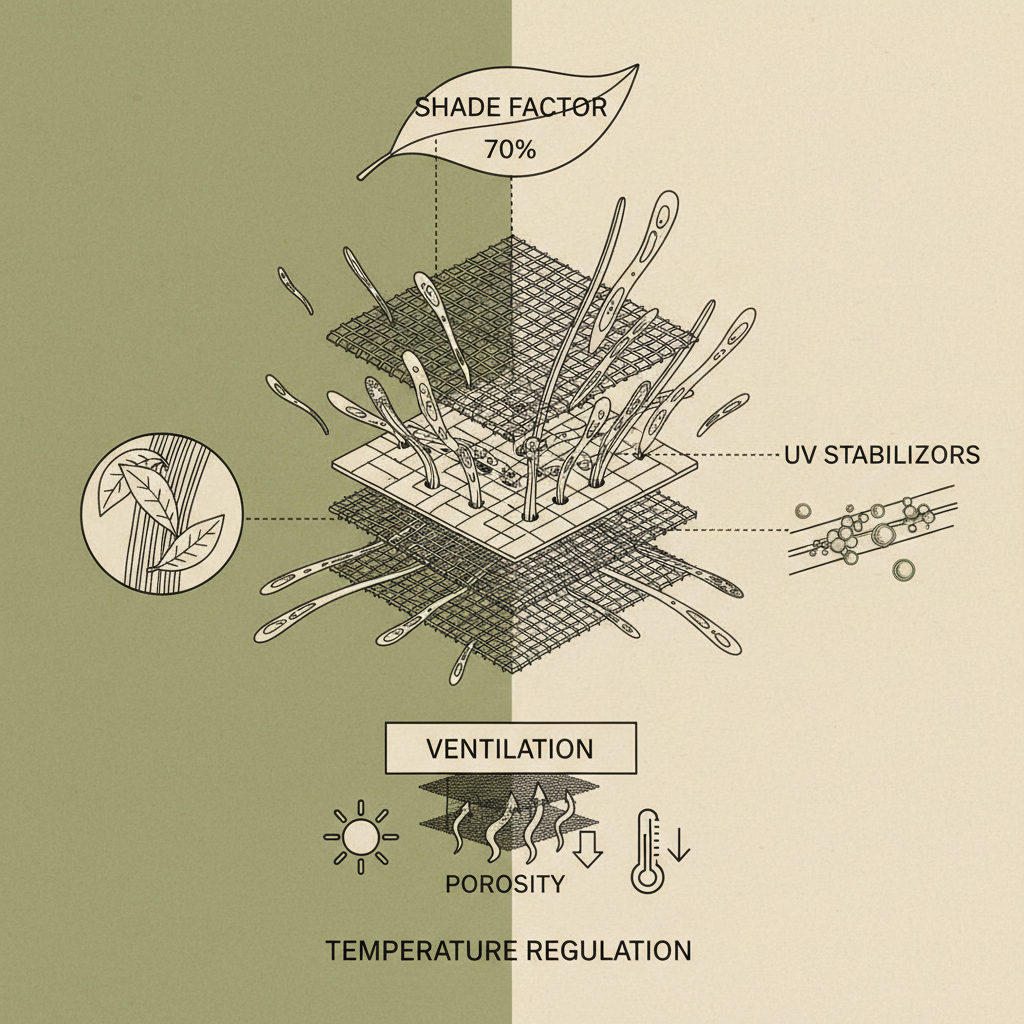
But it’s not all growth. There's a lot of cheap stuff flooding the market, especially from overseas. It looks good on paper – low price, high shade percentage – but the UV stabilizers are garbage. It’ll degrade within months, and you’re left with a mess and a frustrated farmer. I encountered this at a tomato farm in California last time; they'd bought a bulk shipment online, and it was completely shot after one season. It’s a classic case of you get what you pay for.
Common Design Pitfalls in agriculture shade net
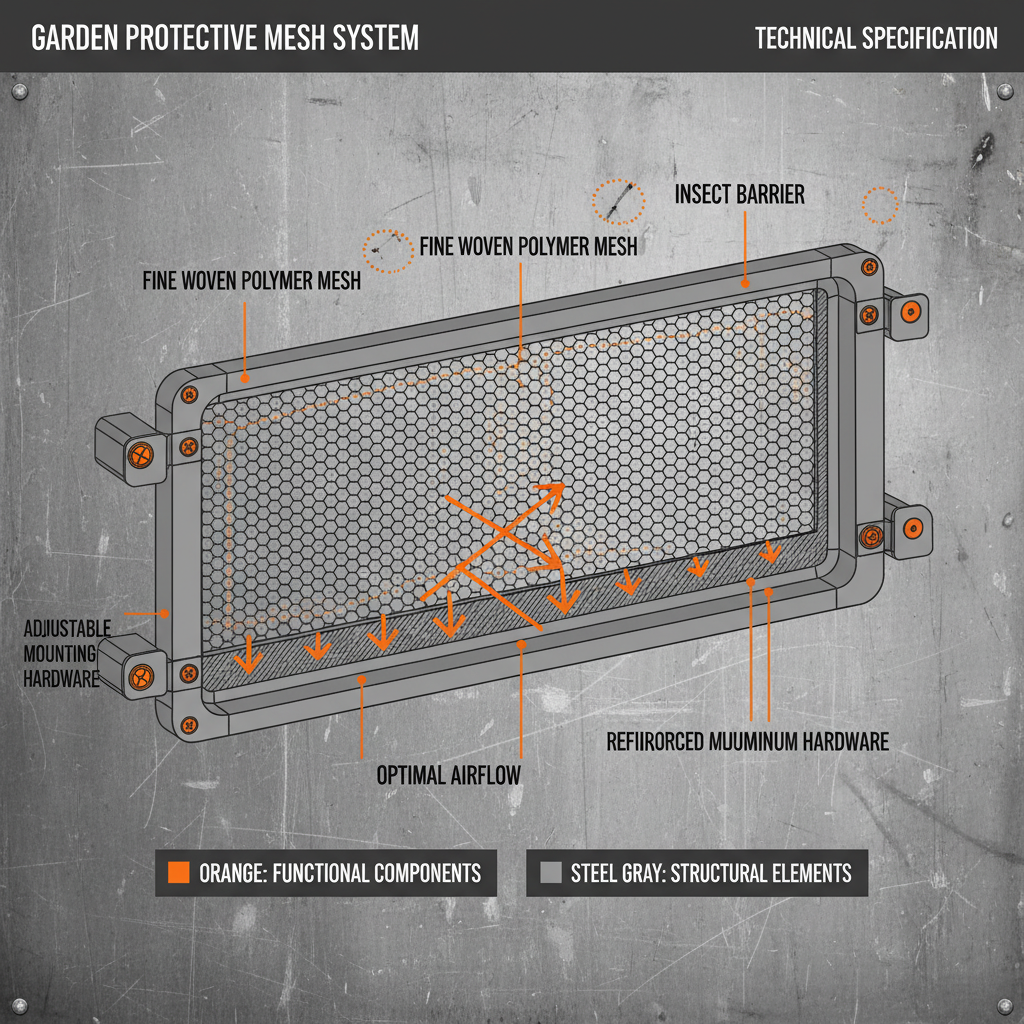
People often underestimate the importance of airflow. They think, "More shade is better!" but they forget about ventilation. Stagnant air leads to humidity, which leads to disease. And then you're fighting a whole other battle. I've seen systems installed with no consideration for prevailing winds, creating pockets of still, hot air.
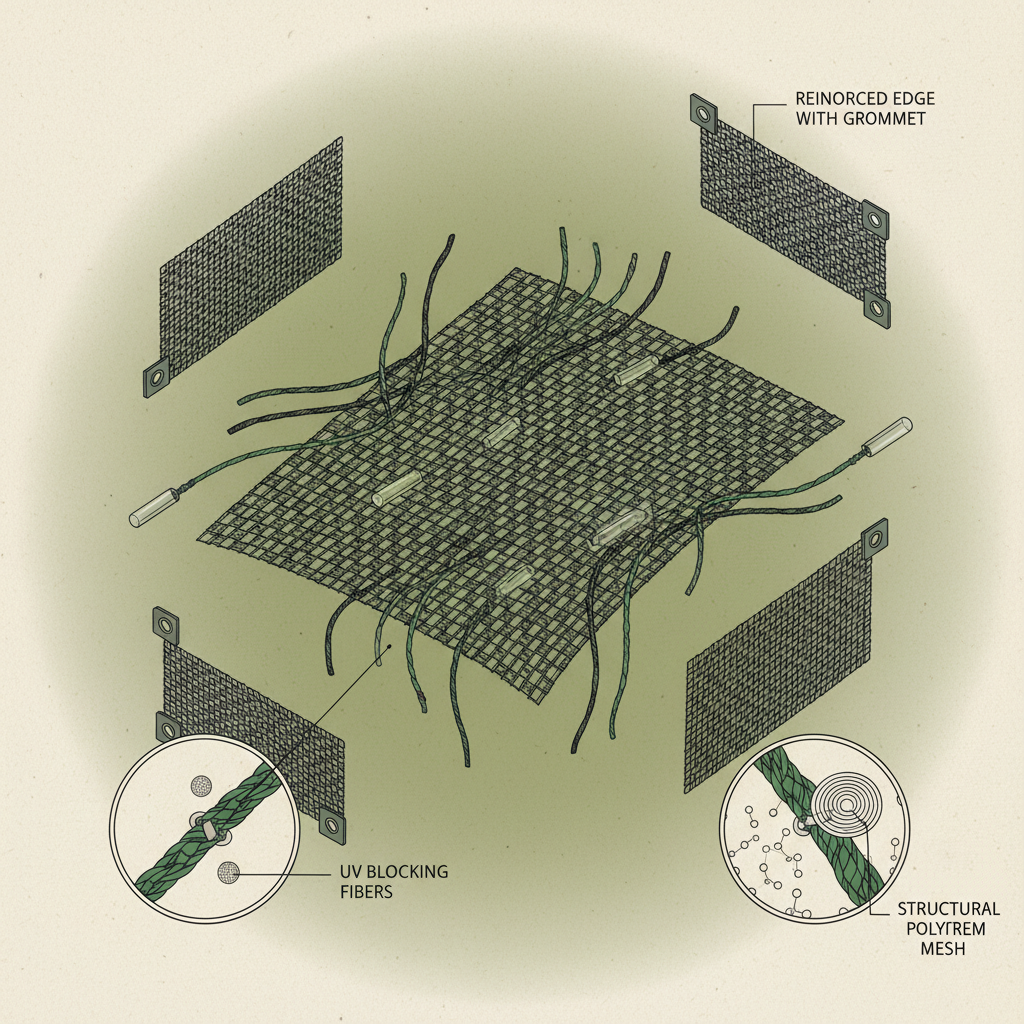
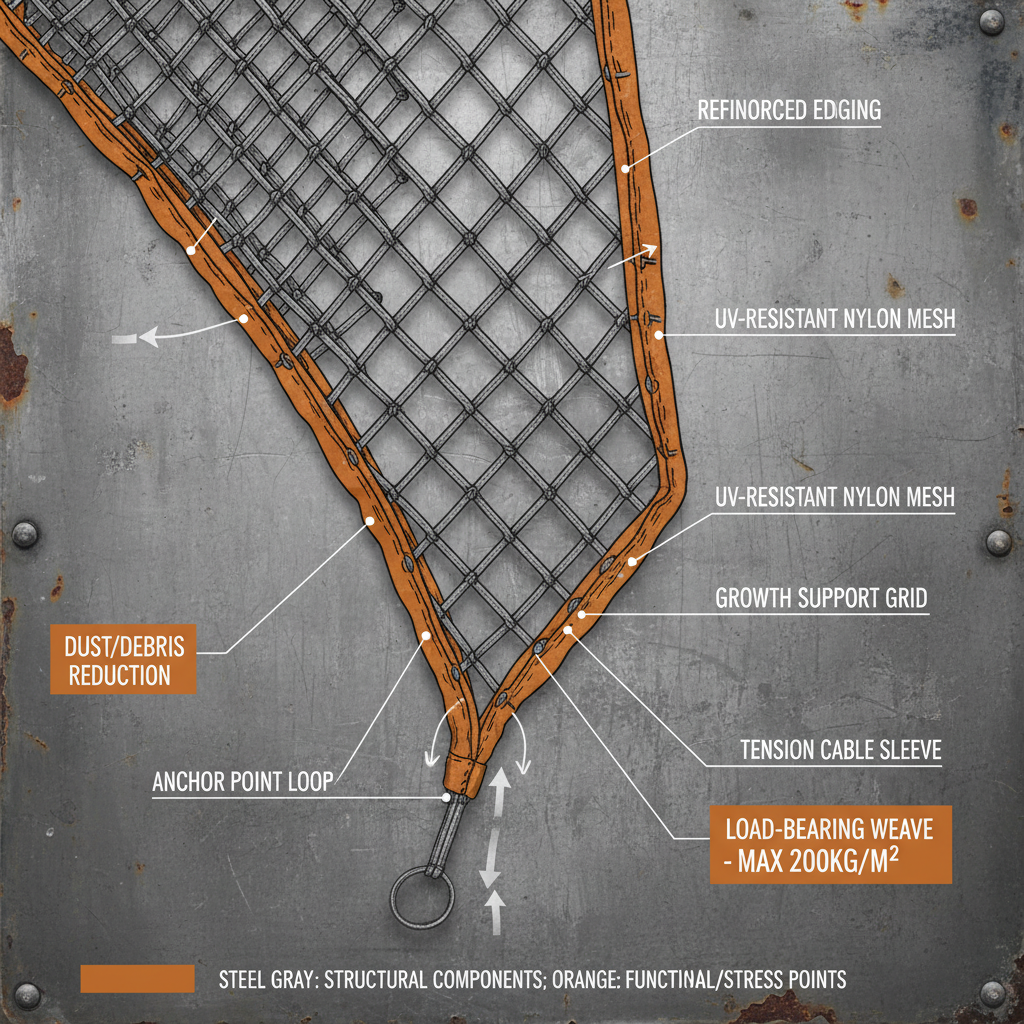
Another big one is attachment points. Cheap grommets… forget about it. They’ll rip out in the first strong gust of wind. You need reinforced edges, good quality clips, and a secure anchoring system. It sounds obvious, but you'd be surprised how many installations fail because of a few pennies saved on hardware.
And finally, the color. Black is the standard, but it absorbs a lot of heat. White reflects, but it can create glare. Aluminet, as I mentioned before, is a good compromise, but it's more expensive. It's a constant balancing act.
Materials and Handling of agriculture shade net
So, let’s talk materials. Polyethylene (PE) is still the most common. It’s relatively inexpensive, lightweight, and easy to work with. It smells… well, like plastic. You can get different grades, different densities. HDPE is a step up. It's tougher, more durable, and has better UV resistance. It doesn’t have that strong plastic smell, which is a huge plus when you're spending all day around it.
Then you have aluminet, a metallized polyethylene fabric. It reflects a significant amount of sunlight, reducing heat buildup. It feels… surprisingly cool to the touch. But it's more delicate than PE or HDPE; it tears easily if you're not careful. You have to handle it gently, avoid sharp objects, and store it properly. And don’t even think about folding it over on itself for long periods; it will crease and lose its reflective properties.
We're also starting to see some experimentation with woven fabrics, like polypropylene. These offer excellent strength and durability, but they can be more expensive and less readily available. The key is to choose the right material for the specific application and climate.
Real-World Testing of agriculture shade net
Forget the lab tests. Those are good for baseline data, but they don't tell the whole story. We test our materials on actual farms, in real-world conditions. We’ll set up test plots, monitor temperature and humidity, and track crop yields. We expose the materials to direct sunlight, rain, wind – the whole nine yards.
We also do a lot of tear testing, but not with those fancy machines. I mean, we use those too, but I prefer to just grab a sample and pull. You get a feel for the strength and durability that way. Strangely, it’s more informative than any number on a report.
Agriculture Shade Net Performance Metrics
Actual User Applications of agriculture shade net
It’s amazing how differently people use this stuff. A lot of strawberry growers are using it to protect their crops from sunburn, especially during the summer months. I’ve seen it used in vineyards to regulate temperature and reduce water stress. And of course, the greenhouse industry relies on it heavily.
But some of the most creative applications are in… well, unconventional places. We had a customer who was using it to shade his koi pond. Said it kept the water cooler and prevented algae blooms. Another guy was using it to create a shaded area for his chickens. Apparently, happier chickens lay more eggs. Who knew?
Advantages and Disadvantages of agriculture shade net
Okay, let's be real. The advantages are pretty clear: reduced heat stress, improved crop quality, lower water consumption, protection from pests and diseases. It’s a relatively inexpensive way to improve your yields and protect your investment. But… it’s not a silver bullet.
It can reduce light levels, which can impact photosynthesis. It can create windbreaks, which can increase humidity. And it requires maintenance – cleaning, repair, eventual replacement. And frankly, some of the cheaper stuff just doesn’t last. It’s a trade-off. You get benefits, but you also get responsibilities.
Customization Options for agriculture shade net
We offer a lot of customization options. Shade percentage, of course. We can also adjust the width and length to fit specific needs. Color is another big one – we can do black, white, aluminet, even custom colors. But the most interesting request I got recently was from a guy who wanted to embed insect netting directly into the shade cloth.
He was growing organic vegetables and wanted to eliminate the need for separate netting. It was a bit of a challenge, but we figured it out. It added to the cost, of course, but he said it was worth it. Anyway, I think the key is to be flexible and willing to work with the customer to find the right solution.
Summary of Agriculture Shade Net Customization Parameters
| Customization Parameter |
Available Options |
Cost Impact |
Typical Application |
| Shade Percentage |
30%, 50%, 70%, 90% |
Low |
General crop protection |
| Dimensions (Width/Length) |
Customizable to specific requirements |
Medium |
Large-scale agricultural operations |
| Color |
Black, White, Aluminet, Custom Colors |
Medium to High |
Specialty crop requirements |
| Material Type |
PE, HDPE, Aluminet, Woven Fabrics |
Low to High |
Varying durability and UV resistance needs |
| Embedded Netting |
Insect Netting (various mesh sizes) |
High |
Organic farming, pest control |
| UV Stabilization |
Standard, Enhanced, Premium |
Low to Medium |
Extended lifespan in harsh climates |
FAQS
That really depends on your location and the time of year. But generally, 30-50% is a good starting point. Too much shade and you’ll reduce yields. Too little, and you risk sunburn. It’s all about finding the sweet spot. And honestly, trial and error is the best way to figure it out for your specific farm.
It varies wildly based on the material, the UV exposure, and how well it’s maintained. Cheap polyethylene will start degrading within a year. HDPE can last 3-5 years. Aluminet, if taken care of, can go 5-7. But realistically, you should plan on replacing it every few years to ensure optimal performance.
That’s a tricky one. Unfortunately, most agriculture shade net isn’t easily recyclable. It’s often a mixed material, and the economics of recycling it just aren’t there yet. We're exploring options for creating more sustainable materials, but it’s still a work in progress.
Gentle is key. Avoid harsh chemicals or abrasive cleaners. A mild soap and water solution, applied with a soft brush, is usually best. Rinse thoroughly and allow it to dry completely before storing. And be careful not to stretch or tear it during the cleaning process.
Small tears can be patched with specialized tape designed for polyethylene or polypropylene. But larger holes will usually require a complete replacement. Trying to repair a severely damaged net is often more trouble than it’s worth.
Reinforced edges are crucial. Use high-quality grommets and secure anchoring systems. Consider using windbreaks to reduce the force of the wind on the net. And make sure the net is properly tensioned to prevent flapping and tearing.
Conclusion
So, yeah. agriculture shade net – it's not just about a piece of plastic. It’s about understanding the needs of the crop, the challenges of the environment, and the realities of the farmer’s life. It's about finding the right balance between cost, performance, and durability.
Ultimately, whether this thing works or not, the worker will know the moment he tightens the screw. And that's what it comes down to. If it makes his job easier, if it protects his crops, if it helps him earn a living… then it’s a good product. If not, back to the drawing board. Check out our range of agriculture shade net solutions at www.yjwiremesh.com.