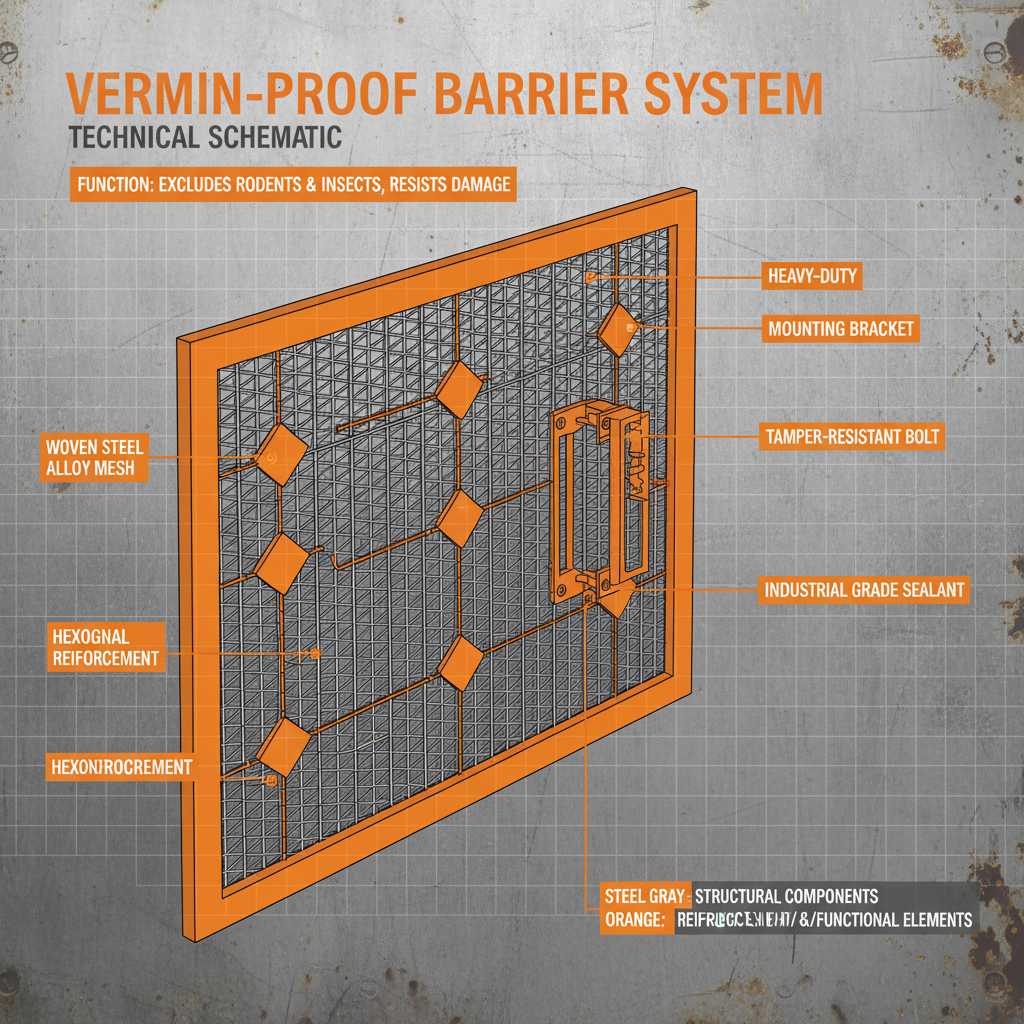
Aphid proof netting represents a critical advancement in agricultural and horticultural protection, offering a sustainable and effective barrier against these pervasive pests. Globally, aphids cause billions of dollars in crop damage annually, impacting food security and economic stability. Understanding the principles, applications, and evolving technologies surrounding aphid proof netting is therefore paramount for farmers, researchers, and policymakers alike. This knowledge empowers proactive pest management, reduces reliance on harmful pesticides, and contributes to more resilient and productive agricultural systems.
The demand for innovative pest control solutions is driven by increasing concerns over environmental sustainability and the rise of pesticide resistance. Aphid proof netting addresses these challenges directly by providing a physical barrier that excludes aphids without introducing chemical residues into the ecosystem. Its versatility allows for application in a wide range of settings, from small-scale home gardens to large commercial farms, and even greenhouse structures, making it a universally adaptable solution.
Ultimately, effective aphid management is crucial for maintaining crop yields and quality. Aphid proof netting offers a practical, environmentally conscious, and increasingly cost-effective solution, positioning it as a key component of integrated pest management strategies worldwide. Its ongoing development and implementation are vital for securing a sustainable food supply for a growing global population.
Introduction to aphid proof netting
Aphid proof netting, at its core, is a specialized barrier designed to physically prevent aphids from accessing crops. This simple yet effective method is gaining prominence as a cornerstone of sustainable agriculture. Its significance lies in reducing the need for chemical pesticides, protecting beneficial insects, and ultimately ensuring healthier, more productive yields. aphid proof netting is a preventative measure, rather than a reactive treatment, offering a proactive approach to pest management.
The application of aphid proof netting isn’t limited to large-scale farming. Home gardeners, organic growers, and even researchers are increasingly adopting this solution for its ease of use and environmental benefits. The material itself has undergone considerable development, evolving from basic woven fabrics to high-density polyethylene (HDPE) netting engineered for optimal durability and pest exclusion.
Defining Aphid Proof Netting
Aphid proof netting is essentially a fine-mesh barrier constructed from materials like polyethylene, polypropylene, or nylon. The key characteristic is the size of the mesh openings, which are small enough to prevent aphids – typically ranging from 1 to 4 millimeters in length – from passing through. This physical exclusion provides complete protection without the drawbacks associated with chemical controls.
This technology isn’t simply a modern invention; its roots lie in traditional horticultural practices where protective coverings were used to shield crops. However, the development of advanced polymer materials and precision weaving techniques has transformed aphid proof netting into a highly effective and scalable solution. It’s increasingly integrated into comprehensive integrated pest management (IPM) programs.
The connection to modern humanitarian needs and industry demands stems from the growing need for sustainable and resilient food production systems. In regions susceptible to aphid infestations, aphid proof netting can safeguard crops, improve yields, and enhance food security, particularly in vulnerable communities.
Key Factors of Aphid Proof Netting
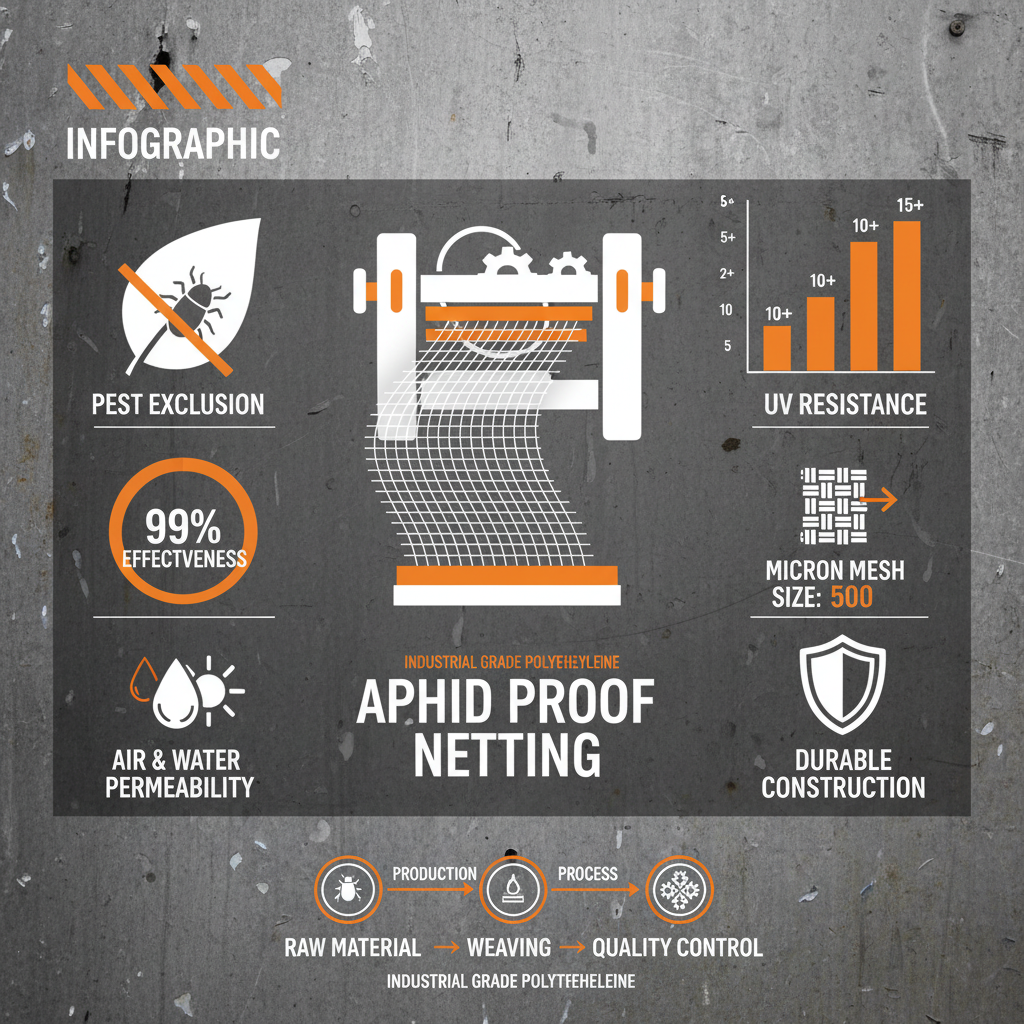
Several factors determine the effectiveness and suitability of aphid proof netting for a particular application. Mesh Size is paramount; the smaller the mesh, the greater the protection. However, extremely fine meshes can reduce light transmission and airflow. Material Quality dictates durability and resistance to UV degradation, crucial for long-term use in outdoor conditions.
Air Permeability is another vital factor. While the netting must exclude aphids, it should still allow for adequate air circulation to prevent humidity buildup and fungal diseases. Tensile Strength affects the netting’s resistance to tearing and damage from wind or handling. A robust netting will last longer and require less frequent replacement. Finally, UV Stability is key to preventing the breakdown of the material from sun exposure.
These factors influence practical applications. For example, greenhouses often utilize netting with higher air permeability, while field crops may require more durable, UV-resistant materials. Careful consideration of these characteristics ensures that the selected netting provides optimal protection and long-term value.
Global Applications & Use Cases
Aphid proof netting finds application across a diverse range of agricultural settings worldwide. In Europe, it’s commonly used in vegetable and fruit production to protect crops like peppers, tomatoes, and strawberries. Across Asia, especially in regions with intensive agriculture, it safeguards leafy greens and cucurbits from aphid infestations. In North America, growers are increasingly adopting it for organic farming and sustainable horticulture.
Specific use cases include protecting high-value crops in greenhouses, establishing aphid-free zones within larger fields, and creating protective tunnels over seedlings. In post-disaster relief operations, aphid proof netting can be used to quickly establish protected vegetable gardens, providing a source of fresh produce for affected communities.
Furthermore, in remote industrial zones where food supply chains are vulnerable, aphid proof netting enables local food production, reducing reliance on external sources. Organizations like the Food and Agriculture Organization (FAO) are promoting its use as part of integrated pest management strategies in developing countries.
Aphid Proof Netting Effectiveness by Method
Advantages & Long-Term Value
The advantages of aphid proof netting extend beyond simply pest exclusion. Cost-effectiveness is a major benefit; while initial investment is required, the reduction in pesticide costs and crop losses often leads to significant long-term savings. Furthermore, it promotes sustainability by minimizing environmental impact and supporting organic farming practices.
From a social impact perspective, aphid proof netting empowers farmers by providing a reliable and accessible pest control solution. This contributes to improved food security, increased income, and enhanced livelihoods, particularly in developing regions. The peace of mind that comes from knowing crops are protected builds trust and resilience within agricultural communities.
Future Trends & Innovations
Innovation in aphid proof netting is focused on developing materials with enhanced properties. This includes exploring biodegradable polymers to reduce environmental impact, incorporating UV-reflective coatings to further protect crops, and integrating sensors to monitor pest activity and netting integrity. Digital transformation plays a role through the development of remote monitoring systems that utilize cameras and AI to detect breaches or damage to the netting.
The convergence of these technologies promises even more effective and sustainable pest management solutions. Research is also underway to optimize netting designs for specific crops and environmental conditions, maximizing its efficiency and longevity.
Challenges & Solutions
Despite its benefits, aphid proof netting faces certain challenges. High initial costs can be a barrier for small-scale farmers. Proper installation and maintenance are crucial for effectiveness, requiring training and technical support. Damage from weather events or improper handling can compromise its integrity.
Solutions include exploring subsidized programs to make netting more accessible, providing educational resources on best practices for installation and maintenance, and developing more durable and resilient materials. Furthermore, integrating aphid proof netting with other IPM strategies can maximize its effectiveness and minimize potential drawbacks.
Innovative approaches like modular netting systems designed for easy repair and replacement are also gaining traction, reducing downtime and extending the lifespan of the investment.
Summary of Aphid Proof Netting Challenges and Potential Solutions
| Challenge |
Impact on Aphid Proof Netting |
Potential Solution |
Implementation Cost (1-10) |
| High Initial Cost |
Limits adoption, especially for small farmers |
Subsidies, micro-loans, group purchasing |
6 |
| Installation Complexity |
Incorrect installation reduces effectiveness |
Training programs, simplified designs |
4 |
| Material Durability |
UV degradation, tearing, weathering |
UV stabilizers, stronger polymers, regular inspection |
7 |
| Maintenance Requirements |
Regular repairs and replacements needed |
Modular designs, repair kits, inspection schedules |
5 |
| Airflow Restriction |
Potential for increased humidity and disease |
Netting with optimized air permeability |
3 |
| Pest Damage to Netting |
Aphids sometimes cling to/damage netting |
Regular inspection & replacement of damaged sections |
2 |
FAQS
The lifespan of aphid proof netting typically ranges from 2 to 5 years, depending on the quality of the material, the intensity of UV exposure, and the frequency of handling. Higher-quality netting made from UV-stabilized HDPE can last up to 5 years or more. Regular inspection for tears and damage is crucial for maximizing its longevity. Proper storage during off-season can also extend its lifespan. Replacing netting proactively prevents crop damage from breaches.
Aphid proof netting can potentially restrict access for pollinators, particularly in enclosed structures. To mitigate this, it's essential to select netting with an appropriate mesh size that allows for the passage of beneficial insects like bees. Alternatively, growers can utilize strategies like hand-pollination or introduce managed bee colonies within the protected area. Careful consideration of plant pollination needs is vital when implementing aphid proof netting.
Aphid proof netting is effective for a wide range of crops susceptible to aphid infestations, including vegetables like tomatoes, peppers, cucumbers, and leafy greens. It’s also valuable for protecting fruits like strawberries and berries. However, for crops requiring specific microclimates or pollination strategies, careful consideration of mesh size and ventilation is crucial. Some taller crops may require specialized netting installation techniques.
Proper installation is key to effectiveness. Ensure the netting is securely fastened to the support structure with clips, staples, or ties, leaving no gaps or openings. The netting should be taut to prevent aphids from entering through loose areas. Avoid stretching the netting excessively, as this can compromise its integrity. Regular inspection and maintenance are vital to address any damage or breaches.
Aphid proof netting offers significant environmental benefits by reducing the need for chemical pesticides. This minimizes pesticide runoff, protects beneficial insects, and promotes biodiversity. It also supports sustainable agricultural practices by reducing the environmental footprint of crop production. The use of durable, UV-stabilized materials can further minimize waste and environmental impact.
The recyclability of aphid proof netting depends on the material used. HDPE and polypropylene netting can often be recycled, but recycling facilities may vary. Check with local recycling programs for specific guidelines. Biodegradable netting options are also emerging, offering a more environmentally friendly disposal solution. Proper disposal is crucial to minimize environmental impact.
Conclusion
In conclusion, aphid proof netting represents a significant advancement in sustainable pest management, offering a practical, cost-effective, and environmentally friendly solution for protecting crops from aphid infestations. Its versatility, durability, and long-term benefits make it an increasingly valuable tool for farmers, gardeners, and agricultural professionals worldwide. By understanding its key factors, applications, and emerging innovations, we can harness its full potential to secure a more resilient and productive food supply.
Looking ahead, continued research and development focused on improving material properties, optimizing netting designs, and integrating digital technologies will further enhance the effectiveness and sustainability of this crucial agricultural tool. We encourage exploration of aphid proof netting solutions to safeguard crops and promote environmentally responsible farming practices.