Vermin proof mesh represents a crucial line of defense against a pervasive global challenge – the detrimental impact of pests on food security, public health, and infrastructure. From safeguarding agricultural yields to preventing the spread of disease and protecting critical assets, the demand for effective vermin control solutions is ever-increasing. Understanding the intricacies of vermin proof mesh, its applications, and emerging technologies is essential for professionals across diverse sectors, as well as for humanitarian organizations responding to crises.
The global market for pest control is substantial, driven by factors like climate change, urbanization, and increased international trade, all contributing to the spread of invasive species. According to the UN Food and Agriculture Organization (FAO), pests are responsible for approximately 20-40% of global crop losses annually. Vermin proof mesh provides a proactive and sustainable solution, reducing reliance on potentially harmful pesticides and offering a long-term strategy for asset protection. The cost-effectiveness and scalability of this solution make it particularly attractive in resource-constrained environments.
The rising need for robust and reliable protection against vermin has led to a surge in demand for advanced mesh solutions. Vermin proof mesh is no longer limited to basic wire netting; innovations in materials science and manufacturing techniques are yielding products that offer superior strength, durability, and resistance to various environmental factors. This is a field where preventative measures, like implementing effective vermin proof mesh systems, offer a far more sustainable and economically viable approach than reactive pest control.
Introduction to vermin proof mesh
Vermin proof mesh is a broad category encompassing various woven and non-woven materials designed to physically exclude pests from specific areas. These materials, typically constructed from metals like stainless steel or galvanized steel, or durable polymers, act as a barrier against rodents, insects, birds, and other unwanted creatures. It's a fundamental component in safeguarding structures, crops, and stored products. vermin proof mesh is a key element.
The effectiveness of vermin proof mesh lies in its ability to provide a long-lasting, low-maintenance solution. Unlike chemical treatments which require repeated application and can pose environmental risks, a correctly installed vermin proof mesh system offers continuous protection for years, minimizing ongoing costs and promoting sustainability. This makes it an increasingly attractive option for both commercial and residential applications, especially as environmental awareness grows.
Defining vermin proof mesh
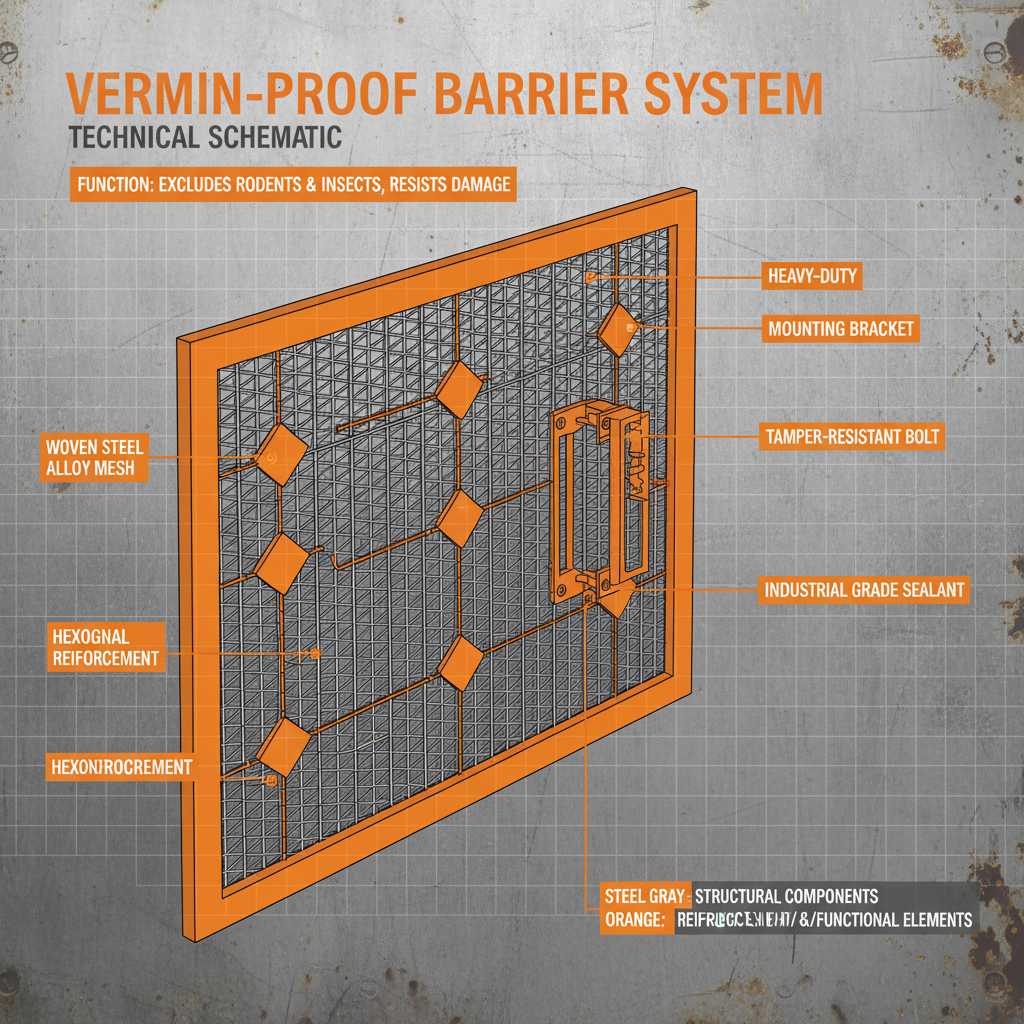
Vermin proof mesh, at its core, is a physical barrier. It’s engineered to create an impenetrable shield against pests, preventing access to buildings, storage facilities, agricultural lands, and other vulnerable areas. The mesh aperture size is crucial – it must be small enough to exclude the target pests while allowing for adequate airflow and light penetration where necessary. Different mesh materials and weave patterns offer varying degrees of resistance and durability.
This solution is a direct response to the escalating costs associated with pest damage and the growing demand for sustainable pest management practices. Traditional methods, such as pesticides, can have detrimental effects on the environment and human health. Vermin proof mesh offers a clean, non-toxic alternative that aligns with increasingly stringent environmental regulations and consumer preferences.
In modern industry, vermin proof mesh plays a vital role in maintaining hygiene standards in food processing plants, protecting sensitive equipment in industrial facilities, and preventing structural damage to buildings. Its application extends to humanitarian contexts, providing safe and secure shelter in disaster relief efforts and ensuring food security in vulnerable communities.
Core Components of vermin proof mesh
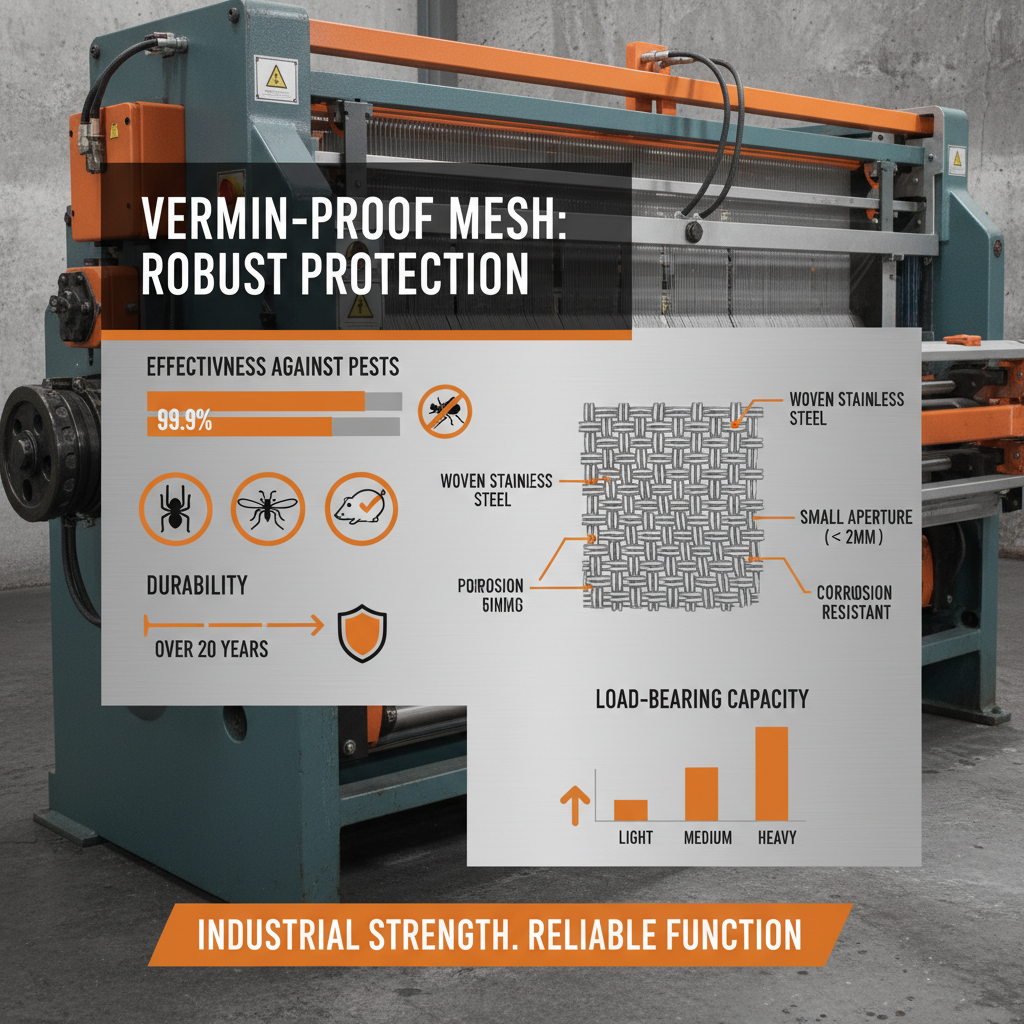
The efficacy of vermin proof mesh hinges on several key characteristics. Firstly, Durability is paramount. The mesh must withstand environmental factors such as UV exposure, temperature fluctuations, and physical abrasion without degrading or losing its protective properties. The material selection – stainless steel, galvanized steel, or specialized polymers – directly impacts its longevity.
Secondly, Aperture Size is critical. This refers to the size of the openings in the mesh. Choosing the correct aperture size is dependent on the target pest. A smaller aperture offers protection against a wider range of pests, but may also restrict airflow. Carefully assessing the specific pest threats is essential for optimal performance.
Thirdly, Material Strength dictates the mesh’s resistance to tearing and damage. High tensile strength is crucial, particularly in applications where the mesh is exposed to potential impacts or climbing attempts. Fourthly, Corrosion Resistance ensures long-term performance, particularly in harsh environments. Galvanized steel and stainless steel offer excellent corrosion protection.
Global Applications of vermin proof mesh
Vermin proof mesh finds widespread application across numerous sectors globally. In agriculture, it's used to protect crops from birds, insects, and rodents, increasing yields and reducing post-harvest losses. In public health, it’s employed in mosquito netting and window screens to prevent the spread of vector-borne diseases, particularly in tropical regions. vermin proof mesh is often used in these situations.
Industrially, it's essential for protecting sensitive equipment in power plants, data centers, and manufacturing facilities. In post-disaster relief operations, vermin proof mesh is used to create secure and hygienic temporary shelters, preventing the spread of disease and providing a safe haven for displaced populations. In remote industrial zones, particularly those involved in mining or oil and gas extraction, it safeguards vital infrastructure from wildlife intrusion.
Specific regions, such as Southeast Asia and sub-Saharan Africa, face particularly acute challenges with pest-related crop losses and disease transmission. Vermin proof mesh offers a cost-effective and sustainable solution to mitigate these issues, supporting food security and public health initiatives. Organizations like the World Health Organization (WHO) and FAO actively promote the use of mesh-based interventions in these regions.
Comparative Effectiveness of vermin proof mesh Methods
Advantages and Long-Term Value
The benefits of implementing vermin proof mesh extend beyond immediate pest control. From a cost perspective, it represents a long-term investment, minimizing the need for repeated chemical treatments and reducing damage repair expenses. Its durability ensures a prolonged lifespan, contributing to overall economic savings. This contributes to a high return on investment compared to traditional methods.
Sustainability is another significant advantage. By reducing reliance on pesticides, vermin proof mesh helps protect ecosystems and biodiversity. It contributes to a healthier environment and aligns with growing consumer demand for eco-friendly solutions. Moreover, the peace of mind derived from knowing that your property and assets are securely protected fosters a sense of safety and wellbeing.
Future Trends in vermin proof mesh
Innovation in materials science is driving the development of next-generation vermin proof mesh. Researchers are exploring the use of bio-based polymers and self-healing materials to enhance durability and sustainability. Smart mesh systems, incorporating sensors and data analytics, are also emerging, enabling real-time monitoring of pest activity and proactive intervention.
The integration of vermin proof mesh with digital technologies, such as IoT (Internet of Things) devices, promises to revolutionize pest management. Remote monitoring capabilities, automated alerts, and data-driven insights will allow for more efficient and targeted control measures. This will be particularly valuable in large-scale agricultural operations and industrial facilities.
Challenges and Solutions in vermin proof mesh Implementation
Despite its numerous advantages, the successful implementation of vermin proof mesh can present challenges. Proper installation is crucial; gaps or weaknesses in the mesh can compromise its effectiveness. Additionally, the initial cost of installation can be a barrier for some, particularly in developing countries.
To address these challenges, training programs for installers are essential, ensuring that they possess the skills and knowledge to install the mesh correctly. Government subsidies and financing options can help make vermin proof mesh more accessible to a wider range of users. Developing standardized installation guidelines and quality control measures will also enhance the reliability and performance of the system.
Further research into cost-effective materials and innovative installation techniques can help lower the overall cost of implementation. Collaboration between researchers, manufacturers, and end-users is key to overcoming these hurdles and maximizing the benefits of this valuable technology.
Summarizing Core Aspects of Challenges and Solutions for vermin proof mesh
| Challenge Area |
Severity Level (1-10) |
Proposed Solution |
Implementation Cost (USD) |
| Installation Quality |
8 |
Certified Installer Training Program |
$5,000 |
| Initial Investment Cost |
7 |
Government Subsidies and Financing Options |
$10,000 |
| Material Durability |
6 |
Research & Development of Advanced Materials |
$20,000 |
| Accessibility in Remote Areas |
5 |
Streamlined Logistics and Distribution Networks |
$3,000 |
| Awareness & Education |
4 |
Public Awareness Campaigns & Educational Resources |
$2,000 |
| Long-Term Maintenance |
3 |
Preventative Maintenance Schedules & Easy Repair Kits |
$1,000 |
FAQS
The lifespan of vermin proof mesh in agriculture typically ranges from 5 to 15 years, depending on the material used (stainless steel generally lasts longer), the environmental conditions (UV exposure, weather patterns), and the quality of installation. Regular inspections are crucial to identify and address any damage promptly, extending the mesh’s protective capabilities. Proper maintenance, such as cleaning and tightening, can also significantly contribute to its longevity.
While the initial investment in vermin proof mesh may be higher than some traditional methods like pesticides, it often proves more cost-effective in the long run. Pesticides require repeated applications, increasing costs over time, and can lead to resistance in pest populations. Vermin proof mesh provides a durable, long-lasting solution that minimizes ongoing expenses related to pest control and reduces potential crop losses or property damage. It is considered a sustainable, proactive solution.
Yes, vermin proof mesh is considered a highly environmentally friendly pest control solution. Unlike pesticides, it does not introduce harmful chemicals into the environment, protecting ecosystems, beneficial insects, and human health. The materials used in the mesh, such as stainless steel and some polymers, are recyclable, further reducing its environmental impact. It supports sustainable agricultural practices and contributes to a healthier planet.
The effectiveness of vermin proof mesh depends on the aperture size, but it can effectively exclude a wide range of pests, including rodents (rats, mice), insects (flies, mosquitoes, beetles), birds, and even larger animals depending on the mesh gauge and construction. Selecting the correct mesh size based on the specific pest threats is crucial for optimal protection. Specialized meshes can be designed for particular pest challenges.
Repairing damaged vermin proof mesh can vary in difficulty depending on the extent of the damage and the mesh’s construction. Small holes or tears can often be patched with a compatible mesh material and adhesive. Larger damages may require replacing the affected section of the mesh. It is crucial to use materials that match the original mesh to ensure continued effectiveness and durability. Professional installation is advisable for complex repairs.
Absolutely. Vermin proof mesh is often most effective when used as part of an integrated pest management (IPM) strategy. It provides a physical barrier while other methods, such as biological control or targeted pesticide application, address existing infestations. This integrated approach minimizes reliance on chemicals, promoting a more sustainable and holistic approach to pest control. Utilizing vermin proof mesh as the first line of defense can reduce the need for more intensive interventions.
Conclusion
Vermin proof mesh represents a significant advancement in pest management, offering a durable, sustainable, and cost-effective solution to protect crops, infrastructure, and public health. Its versatility and adaptability make it applicable across diverse sectors globally, addressing a critical need for proactive and environmentally responsible pest control strategies. The future of pest control is increasingly reliant on preventative measures like those offered by this technology.
As technology continues to evolve, we can expect to see further innovations in vermin proof mesh materials and applications. Investing in research and development, promoting best practices in installation, and fostering collaboration between stakeholders will be crucial to maximizing the benefits of this essential technology and ensuring a more secure and sustainable future. Visit our website today to learn more about how vermin proof mesh can benefit you!