Agriculture net houses are increasingly vital in modern farming, offering a protective environment for crops against harsh weather, pests, and diseases. They represent a significant advancement in agricultural technology, enabling higher yields and improved crop quality, particularly in challenging climates. The global demand for food security, coupled with the impacts of climate change, is driving the adoption of agriculture net house solutions worldwide.
These structures aren't just about protection; they’re about optimization. By controlling environmental factors like light, temperature, and humidity, agriculture net houses facilitate precise growing conditions, reducing water consumption and minimizing the need for pesticides. This leads to more sustainable and efficient agricultural practices, crucial for feeding a growing global population. The increasing prevalence of these systems demonstrates a shift towards proactive and technologically advanced food production.
Furthermore, the versatility of agriculture net houses makes them suitable for a wide range of applications, from small-scale family farms to large commercial operations. They are becoming integral components of both developed and developing agricultural landscapes, offering a reliable solution for consistent crop production and economic stability. Understanding the nuances of agriculture net house design, implementation, and maintenance is essential for maximizing their benefits.
Introduction to Agriculture Net Houses
Agriculture net houses represent a significant leap in controlled environment agriculture, providing a cost-effective and versatile solution for protecting crops and maximizing yields. They function as a barrier against unpredictable weather patterns, pest infestations, and disease outbreaks, ensuring a more stable and predictable harvest. This is particularly critical in regions facing increasing climate variability.
Beyond mere protection, these structures are designed to optimize growing conditions. By modulating light intensity, temperature, and humidity, farmers can create an ideal microclimate for specific crops, resulting in faster growth, improved quality, and reduced resource consumption. The implementation of agriculture net house technology is therefore a key strategy for sustainable and efficient food production globally.
Defining Agriculture Net Houses
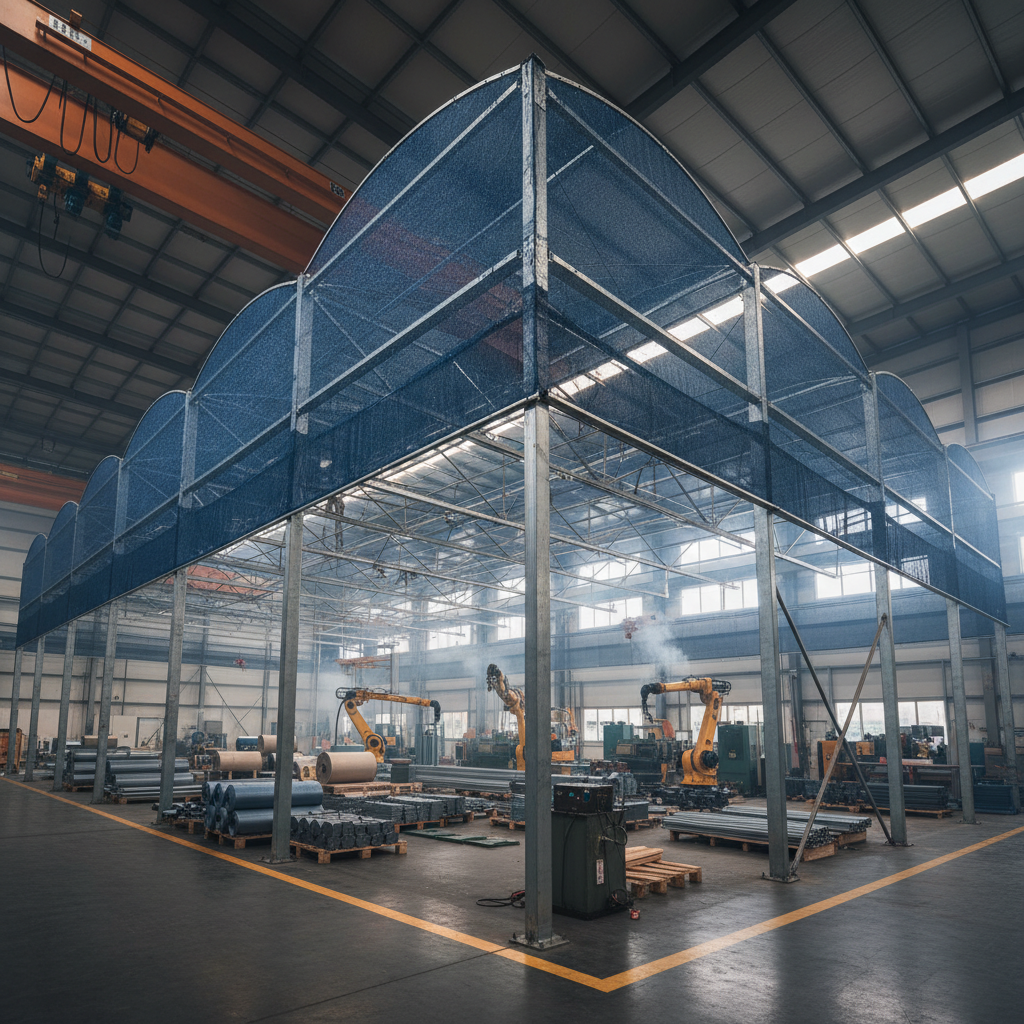
An agriculture net house is a simple, cost-effective structure constructed using a frame – typically made of metal or bamboo – covered with agricultural netting. This netting provides a physical barrier against pests, reduces wind damage, offers shade from intense sunlight, and helps to maintain consistent temperature and humidity levels. Unlike fully enclosed greenhouses, net houses allow for natural ventilation and diffused light penetration.
The connection to modern industry lies in the increasing demand for high-quality produce and efficient farming practices. Agriculture net houses are an essential component in the supply chains of many agricultural businesses, enabling them to meet market demands consistently. They also contribute to humanitarian needs by providing a reliable means of food production in disaster-prone or resource-scarce areas.
In essence, agriculture net houses bridge the gap between traditional open-field farming and sophisticated, technology-intensive greenhouse operations, offering a pragmatic and scalable solution for enhancing agricultural productivity and resilience.
Core Components of Agriculture Net Houses
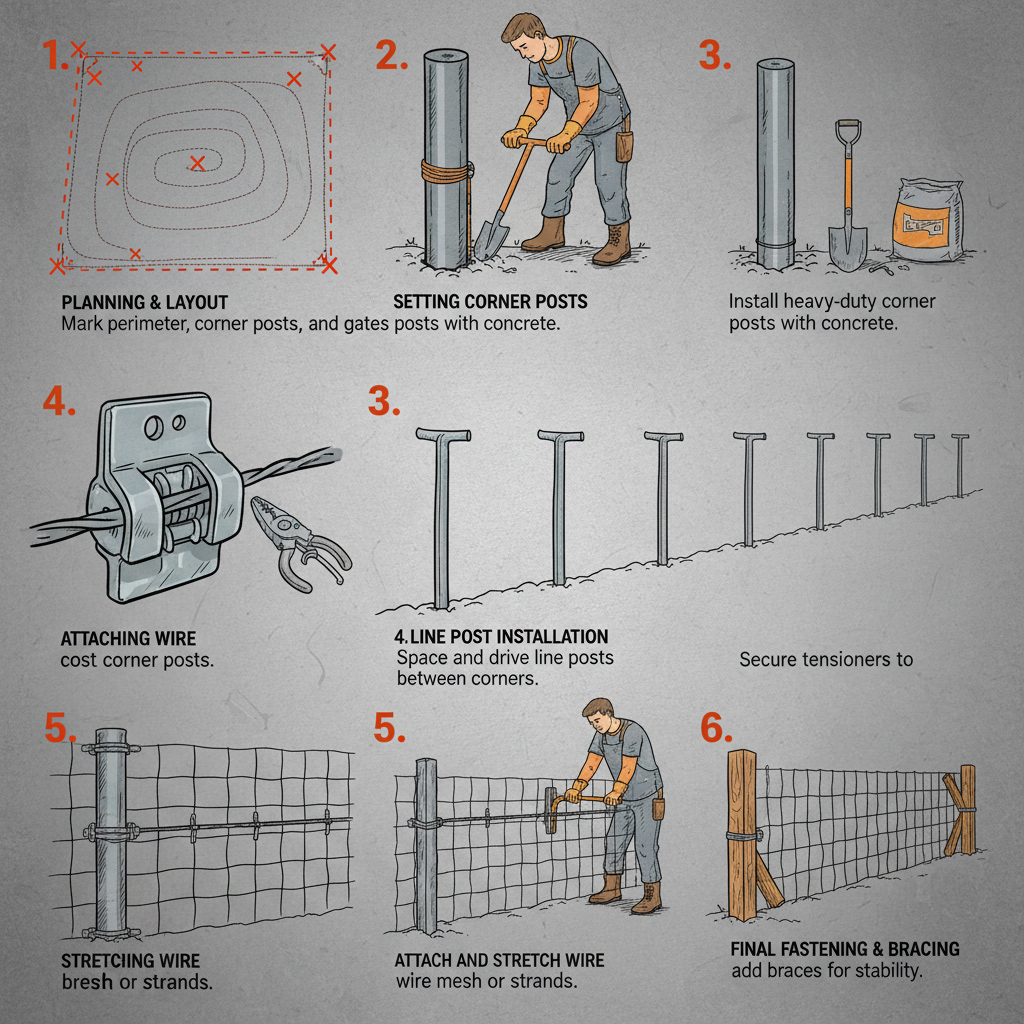
A well-designed agriculture net house relies on several key components working in harmony. The frame is the foundation, providing structural support and determining the overall size and shape of the structure. Materials range from galvanized steel for durability to locally sourced bamboo for cost-effectiveness and sustainability. Careful consideration of the frame’s design is crucial for withstanding wind loads and ensuring long-term stability.
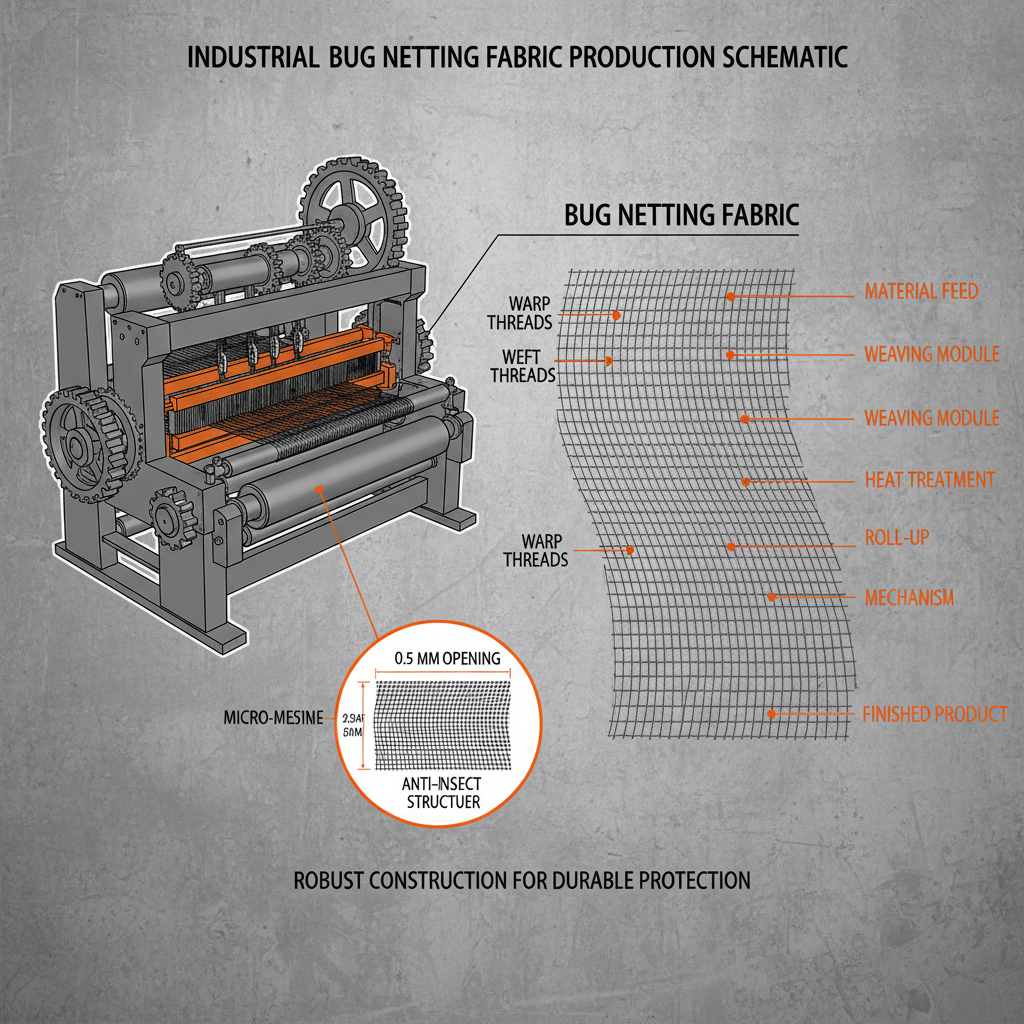
The netting itself is the defining feature, selecting the appropriate mesh size and material (typically polyethylene or polypropylene) is critical to effectively exclude target pests while allowing for adequate ventilation and light transmission. The netting’s UV resistance is also a key factor, influencing its lifespan and overall cost-effectiveness.
Anchoring systems secure the structure to the ground, providing resistance against wind and ensuring stability. Effective ventilation is essential to prevent heat buildup and humidity, often achieved through strategically placed vents or roll-up side curtains. Finally, irrigation systems, ranging from simple drip lines to automated sprinkler systems, deliver water efficiently to the crops within the protected environment.
Key Factors in Agriculture Net House Performance
Durability is paramount, particularly in regions prone to extreme weather events. Using high-quality materials, robust construction techniques, and proper maintenance are essential for extending the lifespan of an agriculture net house and minimizing repair costs. Selecting UV-resistant netting and corrosion-resistant framing materials are key.
Scalability allows farmers to expand their operations gradually as demand increases. Modular designs and readily available materials make it easier to add new sections or modify existing structures. This flexibility is a significant advantage for small-scale farmers seeking to grow their businesses.
Comparative Analysis of Agriculture Net House Methods
Global Applications of Agriculture Net Houses
Agriculture net houses are employed extensively in regions with challenging climates, such as arid and semi-arid areas in Africa and the Middle East, where they provide protection from intense sunlight and water stress. In Asia, they're crucial for extending the growing season and improving the quality of high-value crops like fruits and vegetables. They’re commonly used in countries like India, China, and Vietnam.
In post-disaster relief operations, agriculture net houses provide a rapid and effective means of restoring food production in affected communities. Their quick deployment and relatively low cost make them ideal for providing immediate assistance to vulnerable populations. In remote industrial zones, these structures enable localized food production, reducing reliance on external supply chains.
Furthermore, agriculture net houses are increasingly utilized in urban farming initiatives, providing fresh produce to city dwellers and promoting sustainable food systems. The modular nature of these structures allows them to be adapted to various urban spaces, including rooftops and vacant lots.
Advantages and Long-Term Value
The cost-effectiveness of agriculture net houses is a major advantage, particularly for small-scale farmers. Compared to fully enclosed greenhouses, they require a significantly lower initial investment and ongoing maintenance costs. This accessibility makes them a viable option for a wider range of agricultural producers.
Sustainability is another key benefit. By reducing water consumption, minimizing pesticide use, and extending the growing season, agriculture net houses contribute to more environmentally friendly farming practices. The use of locally sourced materials can further enhance their sustainability profile.
Future Trends in Agriculture Net House Technology
Integration with smart sensors and IoT (Internet of Things) devices is a growing trend, enabling remote monitoring of environmental conditions and automated control of irrigation and ventilation systems. This data-driven approach optimizes resource utilization and maximizes crop yields. Advancements in netting materials, such as bio-based polymers, are also enhancing sustainability.
The adoption of renewable energy sources, such as solar power, to power irrigation and ventilation systems is becoming increasingly common, reducing the carbon footprint of agriculture net house operations. Research into new frame materials, like lightweight composite structures, is aimed at improving durability and reducing costs.
Challenges & Solutions
One of the primary challenges is maintaining adequate ventilation in hot and humid climates, which can lead to disease outbreaks. Solutions include optimizing vent placement, using high-quality ventilation fans, and selecting netting materials with enhanced breathability. Ensuring proper installation and regular maintenance are also vital.
Another common limitation is the susceptibility of netting to damage from wind or pests. Using durable netting materials, implementing regular inspection and repair schedules, and employing protective measures like windbreaks can mitigate these risks. Exploring alternative anchoring systems to improve structural stability is also crucial.
Finally, access to financing and technical expertise can be a barrier for small-scale farmers. Providing training programs, offering micro-loans, and facilitating knowledge sharing through farmer networks can empower these producers to adopt and benefit from agriculture net house technology effectively.
Summary of Common Agriculture Net House Challenges and Solutions
| Challenge |
Impact on agriculture net house Performance |
Proposed Solution |
Implementation Cost (Scale 1-10) |
| Insufficient Ventilation |
Increased humidity, disease outbreaks, reduced crop quality. |
Optimized vent placement, ventilation fans, breathable netting. |
4 |
| Netting Damage |
Pest intrusion, reduced protection, compromised yields. |
Durable materials, regular inspection, windbreaks. |
5 |
| Structural Instability |
Collapse risk, damage to crops, safety hazards. |
Robust anchoring systems, proper frame construction. |
6 |
| Limited Financial Access |
Inability to invest in quality materials and infrastructure. |
Micro-loans, subsidies, farmer cooperative programs. |
7 |
| Lack of Technical Expertise |
Improper installation, inefficient operation, reduced lifespan. |
Training programs, extension services, knowledge sharing networks. |
3 |
| Water Management Issues |
Water waste, uneven distribution, potential for disease. |
Efficient irrigation systems, rainwater harvesting, proper drainage. |
4 |
FAQS
Agriculture net houses offer significant advantages over open-field farming, including protection from pests and diseases, reduced water consumption through controlled irrigation, and increased crop yields due to optimized growing conditions. They also mitigate the impacts of harsh weather, such as strong winds, hail, and excessive sunlight, leading to more consistent and predictable harvests. This translates to improved profitability and reduced risk for farmers.
The mesh size of the netting is crucial for effective pest control. Smaller mesh sizes offer greater protection against a wider range of insects, but they can also restrict airflow and reduce light penetration. Selecting the appropriate mesh size depends on the specific pests targeted and the crop being grown. A careful balance is needed to ensure both effective pest exclusion and optimal growing conditions.
The lifespan of an agriculture net house typically ranges from 5 to 10 years, depending on the quality of materials used and the local climate. Regular maintenance, including inspecting and repairing the netting, frame, and anchoring system, is essential for maximizing its lifespan. Periodic cleaning of the netting to remove dust and debris also helps to maintain optimal light transmission and ventilation.
Yes, irrigation and climate control systems can be easily integrated into agriculture net houses. Drip irrigation systems deliver water directly to the plant roots, minimizing water waste and maximizing efficiency. Ventilation fans and automated vents can regulate temperature and humidity levels, creating optimal growing conditions. Smart sensors and controllers can further automate these processes.
The cost of building an agriculture net house varies depending on the size, materials used, and level of automation. Key cost factors include the frame, netting, anchoring system, irrigation system, and ventilation system. While the initial investment is relatively low compared to greenhouses, it's important to factor in ongoing maintenance costs and potential repairs. Exploring locally sourced materials can help to reduce overall costs.
Sustainable practices include using locally sourced and renewable materials for the frame and netting, implementing water-efficient irrigation systems, utilizing renewable energy sources like solar power, and minimizing pesticide use through integrated pest management strategies. Composting organic waste and recycling materials further contribute to environmental sustainability.
Conclusion
Agriculture net houses represent a pivotal innovation in modern farming, offering a cost-effective and sustainable solution for enhancing crop production and ensuring food security. Their ability to protect crops from adverse weather conditions, pests, and diseases, coupled with their scalability and adaptability, makes them invaluable assets for farmers worldwide. The integration of technology and sustainable practices will further solidify their role in shaping the future of agriculture.
Investing in agriculture net house technology is not merely about improving yields; it's about building resilient and sustainable food systems that can withstand the challenges of a changing climate. By embracing these solutions and promoting knowledge sharing, we can empower farmers to thrive and contribute to a more food-secure world. For more information and to explore tailored solutions for your agricultural needs, visit our website: agriculture net house.