0%

Table of Contents

Wire livestock fencing plays a crucial role in modern agriculture, providing a robust and cost-effective solution for containing animals, managing grazing lands, and protecting livestock from predators. Globally, the demand for efficient and reliable fencing solutions is ever-increasing, driven by the need to enhance food security, improve farming practices, and support rural economies. Understanding the nuances of wire livestock fencing – its types, installation, maintenance, and applications – is paramount for farmers, ranchers, and land managers alike.

The importance of wire livestock fencing extends beyond simple containment. It directly impacts animal welfare, preventing escapes and minimizing stress. Effective fencing also contributes to sustainable land management by enabling rotational grazing, which improves pasture health and reduces overgrazing. Furthermore, it offers security against theft and damage caused by wildlife, safeguarding the economic viability of agricultural operations.

As agricultural practices evolve and the demand for meat and dairy products continues to grow, the need for durable, scalable, and affordable fencing solutions like wire livestock fencing will only become more critical. Proper fencing isn’t just about keeping animals in; it’s about protecting livelihoods, promoting sustainability, and ensuring a secure food supply for a growing population.
Optimizing Agricultural Efficiency with Durable Wire Livestock Fencing Solutions

The Importance of Wire Livestock Fencing

Optimizing Agricultural Efficiency with Durable Wire Livestock Fencing Solutions

Wire livestock fencing remains a cornerstone of agricultural infrastructure globally. Its versatility and adaptability make it suitable for a wide range of livestock types and terrains, from expansive cattle ranches to smaller sheep and goat farms. The economic benefits of effective wire livestock fencing are significant, minimizing livestock losses and maximizing grazing efficiency.

Beyond the economic advantages, robust wire livestock fencing contributes to environmental stewardship. By defining clear boundaries, it supports sustainable grazing practices, prevents soil erosion, and protects sensitive ecosystems. This makes it an integral component of responsible land management and a key factor in maintaining the long-term health of agricultural landscapes.

Defining Wire Livestock Fencing

Wire livestock fencing, at its core, is a barrier constructed from woven or barbed wire, designed to contain livestock and deter predators. Unlike traditional wooden fencing, wire fencing offers greater tensile strength, requiring less maintenance and presenting a more cost-effective long-term solution. It’s adaptable to various terrains and livestock needs, coming in numerous configurations.

The connection to modern industry lies in the continuous advancements in materials science and manufacturing techniques. High-tensile steel wire, combined with innovative knot designs, has drastically improved the durability and lifespan of wire livestock fencing. These improvements directly address the need for resilient and sustainable infrastructure in the agricultural sector.

In humanitarian contexts, such as disaster relief or refugee settlement support, wire livestock fencing can quickly establish secure areas for animal husbandry, providing a crucial source of food and income for displaced populations. Its portability and ease of installation make it a practical solution in challenging environments.

Key Components of Effective Wire Livestock Fencing

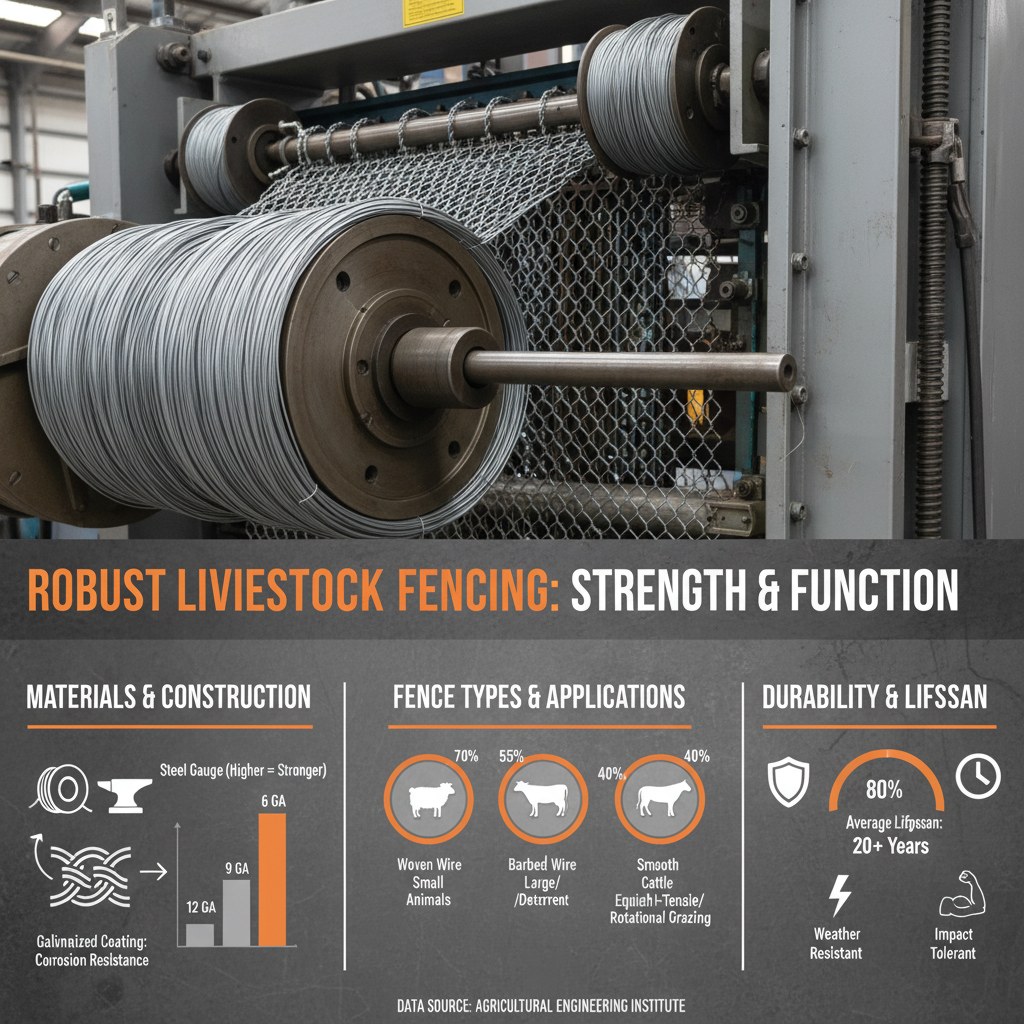
The effectiveness of wire livestock fencing hinges on several core components. First and foremost is the quality of the wire itself. High-tensile steel wire provides superior strength and longevity compared to lower-grade alternatives. Secondly, the type of weave or knot—whether woven wire, barbed wire, or a combination—directly impacts the fencing’s ability to contain specific livestock.

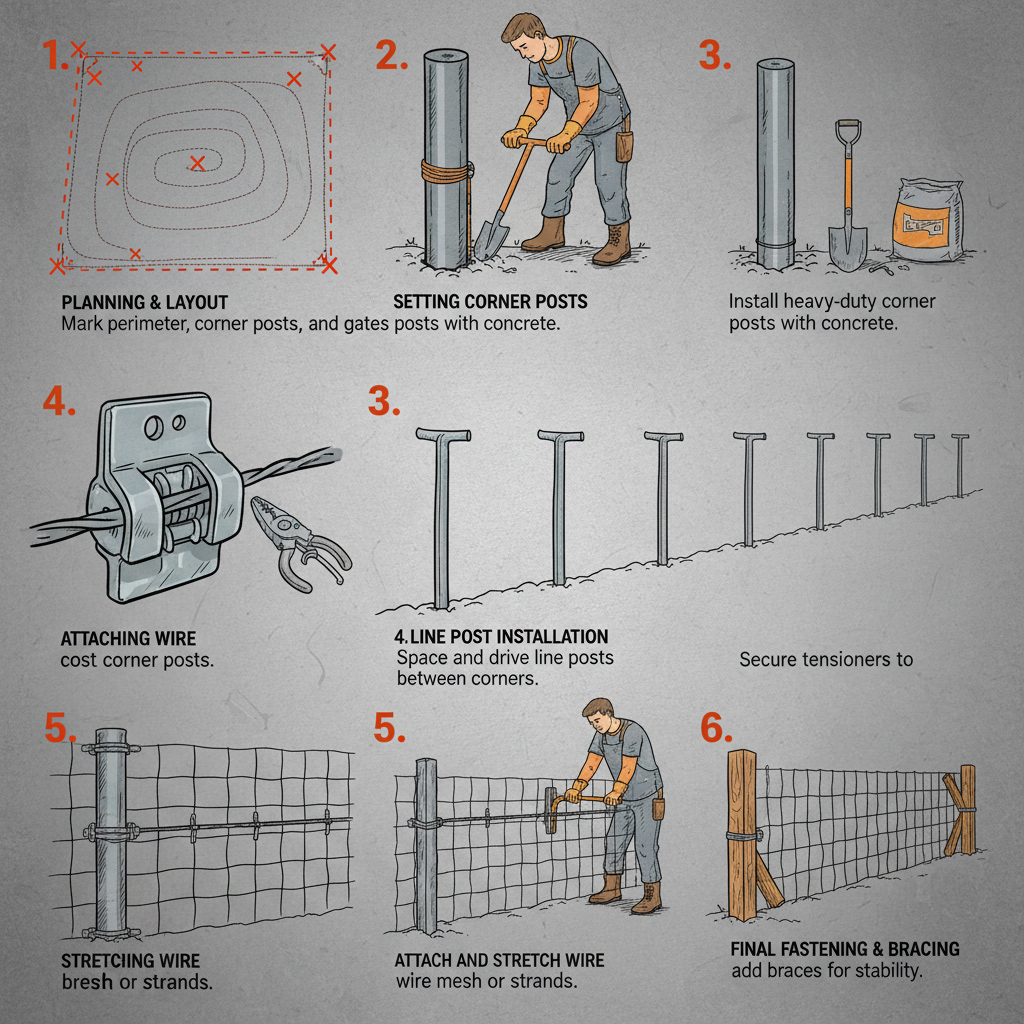
Posts are another vital component. The spacing and material (wood, steel, fiberglass) of posts influence the overall stability of the fence. Properly braced corners and gate posts are crucial for maintaining tension and preventing sagging. Finally, appropriate accessories like tensioners, splices, and gates complete the system, ensuring a secure and functional barrier.

The interplay between these components dictates the fencing’s performance. For example, using high-tensile wire with insufficient post spacing will result in a compromised system. A thoughtful approach to material selection and installation is paramount for maximizing the lifespan and effectiveness of wire livestock fencing.

Practical Applications Across Diverse Landscapes

Wire livestock fencing finds applications in a vast range of agricultural settings. In extensive cattle ranching operations, it defines large pasture areas, enabling rotational grazing and optimized land utilization. For sheep and goat farming, smaller mesh sizes prevent escapes and protect against predators.

The versatility of wire livestock fencing extends to more specialized agricultural pursuits. Horse farms utilize specific types of wire fencing with rounded edges to minimize injury risk. Poultry farms employ wire netting to create secure enclosures, protecting birds from predators and preventing escapes.

Wire Livestock Fencing Effectiveness by Application


Advantages and Long-Term Value Proposition

The advantages of wire livestock fencing are multifaceted. Economically, it offers a superior lifespan compared to wood, reducing replacement costs. Its tensile strength minimizes maintenance, and the readily available materials contribute to affordability.

From a sustainability perspective, the longevity of wire fencing reduces the demand for continuous resource extraction associated with wood alternatives. Furthermore, effective containment promotes responsible land management, preventing overgrazing and protecting ecosystems. The long-term value lies in its contribution to sustainable agricultural practices.

Future Trends and Innovation in Fencing Technology

The future of wire livestock fencing is poised for innovation. We're seeing the development of electric fencing systems integrated with smart technology for remote monitoring and control. These systems allow farmers to adjust voltage levels based on livestock behavior and detect breaches in the fence line.

New materials, such as polymers and composite materials, are also being explored to enhance durability and reduce environmental impact. Furthermore, the integration of GPS tracking and virtual fencing technologies promises to revolutionize livestock management, offering greater flexibility and efficiency.

Challenges and Sustainable Solutions

Despite its advantages, wire livestock fencing presents certain challenges. Corrosion, particularly in harsh climates, can shorten the lifespan of the wire. Damage from falling trees or severe weather events can compromise the integrity of the fence. Wildlife impacts, such as deer rubbing against posts, can also cause damage.

Sustainable solutions include utilizing corrosion-resistant coatings, implementing proactive maintenance programs, and strategically positioning fence lines to minimize damage risks. Incorporating wildlife-friendly designs, such as providing wildlife crossings, can also mitigate negative impacts.

Employing responsible manufacturing processes that prioritize resource efficiency and minimize waste are also crucial for enhancing the overall sustainability of wire livestock fencing. Selecting locally sourced materials whenever possible further reduces the environmental footprint.

Summary of Wire Livestock Fencing Solutions

Challenge Solution Type Implementation Cost (1-10) Long-Term Effectiveness (1-10)
Corrosion Protective Coatings 4 8
Weather Damage Strategic Placement 3 7
Wildlife Impact Wildlife Crossings 6 9
Post Instability Bracing & Support 5 7
Wire Breakage High-Tensile Wire 7 9
Maintenance Requirements Regular Inspection 2 8

FAQS

What are the most durable types of wire for livestock fencing?

High-tensile steel wire, particularly galvanized or polymer-coated, provides the best durability for wire livestock fencing. These coatings protect against corrosion, extending the lifespan of the fence. The gauge (thickness) of the wire also plays a role, with thicker gauges offering greater strength and resistance to breakage. Consider the specific livestock you're containing and the environmental conditions when selecting wire.

How often should I inspect my wire livestock fence for damage?

Regular inspections are crucial for maintaining the integrity of your wire livestock fence. Ideally, you should inspect it at least twice a year—once in the spring after winter weather and once in the fall before winter. Look for broken wires, loose posts, corrosion, and damage caused by animals or vegetation. Addressing minor issues promptly can prevent major repairs later on.

What is the best spacing for posts in a wire livestock fence?

Post spacing depends on the terrain, livestock type, and wire tension. Generally, for relatively flat ground with moderate livestock, post spacing of 8-12 feet is common. In hilly or uneven terrain, closer spacing is necessary. For larger livestock like cattle, wider spacing can be used than for smaller animals like sheep. Proper bracing of corner and gate posts is essential regardless of spacing.

How can I prevent animals from challenging my wire fence?

Several strategies can minimize fence challenges. Ensure proper tension throughout the fence line. Consider adding a strand of electric wire at the top or bottom to deter animals from testing the fence. Clearing vegetation around the fence line prevents animals from using it as a climbing aid. Additionally, providing adequate forage within the enclosure reduces the motivation for animals to seek greener pastures elsewhere.

Is wire livestock fencing environmentally friendly?

Wire livestock fencing can be a sustainable option when managed responsibly. Its longevity reduces the need for frequent replacements, minimizing resource consumption. Choosing galvanized or polymer-coated wire reduces corrosion and extends its lifespan. Proper installation and maintenance prevent habitat damage. Consider using locally sourced materials to reduce transportation emissions.

What’s the cost difference between wire and traditional wood fencing?

While the initial cost of wood fencing might be lower, wire livestock fencing generally proves more cost-effective long-term. Wood requires frequent maintenance, repairs, and eventual replacement, adding up to substantial expenses. Wire fencing, especially high-tensile options, boasts greater durability and a longer lifespan, reducing overall costs. Labor costs for installation can vary depending on the complexity of the project, but wire fencing often requires less labor overall.

Conclusion

Wire livestock fencing remains an indispensable component of modern agriculture, providing a versatile, durable, and cost-effective solution for containing livestock and managing land. Its adaptability to diverse landscapes and livestock types, combined with ongoing innovations in materials and technology, ensures its continued relevance in the future. Proper installation, regular maintenance, and a commitment to sustainable practices are crucial for maximizing its benefits.

Looking ahead, embracing advancements in smart fencing technology, exploring eco-friendly materials, and prioritizing responsible manufacturing will be key to unlocking the full potential of wire livestock fencing. By investing in quality fencing solutions, farmers and ranchers can protect their livelihoods, promote sustainable agriculture, and contribute to a secure food supply for generations to come. Visit our website at www.yjwiremesh.com to learn more about our wire livestock fencing solutions.


Bernard Caldwell

Bernard Caldwell

Bernard Caldwell serves as a Senior Project Manager at Anping County Yongji Products Co., Ltd. with a focus on large-scale infrastructure projects. He leads the implementation of galvanized woven mesh solutions for river management and construction clients. Bernard brings a practical, hands-on approach honed over 20 years in civil engineering.
Previous The Critical Role of Insect Proof Net in Global Health and Agriculture
Next Enhancing Agricultural Productivity with Advanced shade net for farming Solutions
text