The humble bug net, often overlooked, plays a critical role in global health and well-being. From preventing the spread of devastating diseases like malaria and dengue fever to protecting crops and livestock, its impact is far-reaching. Understanding the nuances of bug net technology – its materials, construction, deployment, and effectiveness – is paramount in combating preventable illnesses and ensuring food security, particularly in vulnerable populations worldwide.
The global demand for effective insect control is constantly increasing due to factors like climate change, urbanization, and increased international travel. This necessitates continuous innovation in bug net design and production. Furthermore, equitable access to these essential tools remains a significant challenge, particularly in resource-limited settings. Addressing these issues requires collaborative efforts from governments, NGOs, and private sector organizations.
Investing in research, development, and distribution of high-quality bug nets isn’t just a public health imperative, it's also a cost-effective strategy for boosting economic productivity and reducing healthcare burdens in affected regions. Properly implemented bug nets provide a simple yet powerful intervention, creating safer and healthier communities.
The Importance of Bug Nets Globally
According to the World Health Organization (WHO), malaria alone caused an estimated 249 million cases and 688,000 deaths in 2022. A significant portion of these cases, and deaths, are preventable through the widespread and consistent use of insecticide-treated bug nets. The geographical distribution of vector-borne diseases is expanding, creating new health challenges in previously unaffected areas.
Beyond malaria, bug nets offer protection against a range of other insect-borne illnesses, including dengue fever, Zika virus, chikungunya, and leishmaniasis. The effectiveness of these nets hinges on factors like net material, insecticide type, and user adherence to proper usage guidelines. The UN Sustainable Development Goals (SDGs) emphasize the importance of reducing the burden of infectious diseases, and bug nets are a key tool in achieving these objectives.
Defining Bug Nets and Their Role
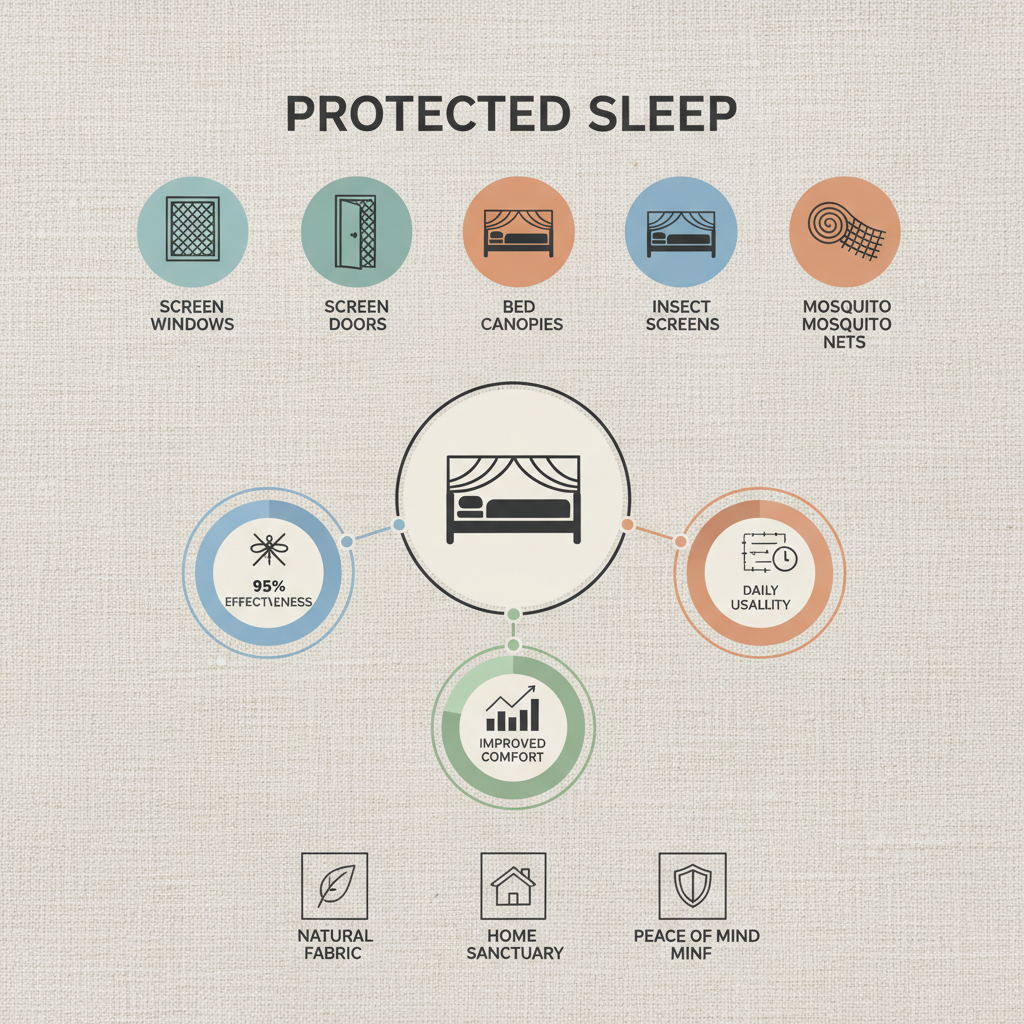
A bug net, at its most basic, is a barrier designed to prevent insects from reaching a person or designated area. Traditionally crafted from materials like cotton or silk, modern bug nets predominantly utilize synthetic fibers like polyester and polyethylene for enhanced durability and affordability. They are most commonly employed to safeguard sleeping areas, preventing bites from mosquitoes and other disease-carrying insects.
The role of bug nets extends beyond individual protection. Large-scale distribution programs are integral to public health campaigns, particularly in regions endemic with vector-borne diseases. In agricultural settings, nets are utilized to protect crops and livestock from damaging insect pests, ensuring food security. The simple principle of physical exclusion offered by bug nets makes them a crucial tool in diverse applications.
Insecticide-treated nets (ITNs) represent a significant advancement in bug net technology. These nets are pre-treated or can be re-treated with insecticides like pyrethroids, offering both a physical barrier and an insecticidal effect, further reducing the risk of disease transmission. The consistent re-treatment of ITNs is crucial for maintaining their effectiveness.
Key Components of Effective Bug Nets
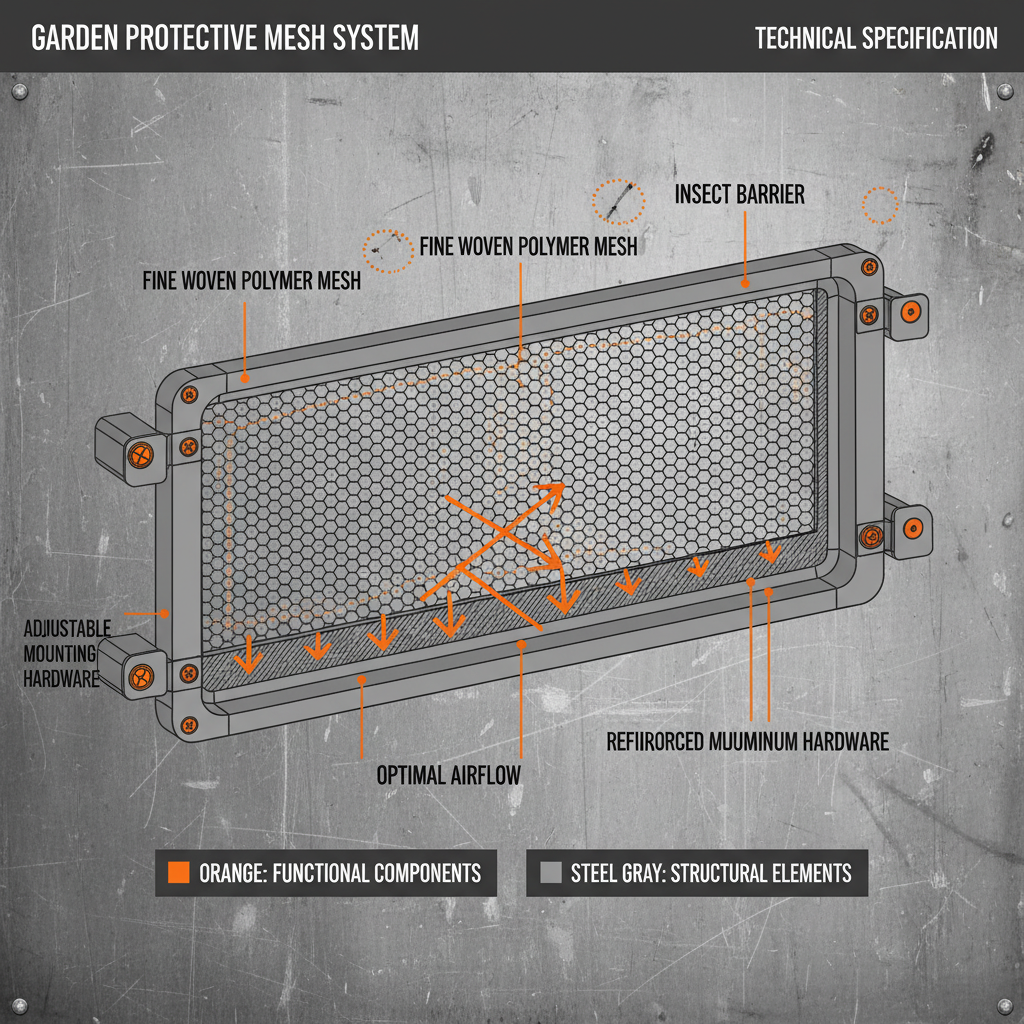
Durability is a critical factor for a bug net. The material must withstand regular use, washing, and exposure to environmental factors like sunlight and humidity. Mesh size also plays a crucial role – it must be small enough to effectively exclude target insects but large enough to allow for adequate airflow.
The type of insecticide used in ITNs significantly impacts their effectiveness. Pyrethroids are the most commonly used insecticides, but insecticide resistance is a growing concern. Research and development are focused on identifying alternative insecticides and developing net designs that minimize resistance development. Long-lasting insecticidal nets (LLINs) are designed to remain effective for several years, reducing the need for frequent re-treatment.
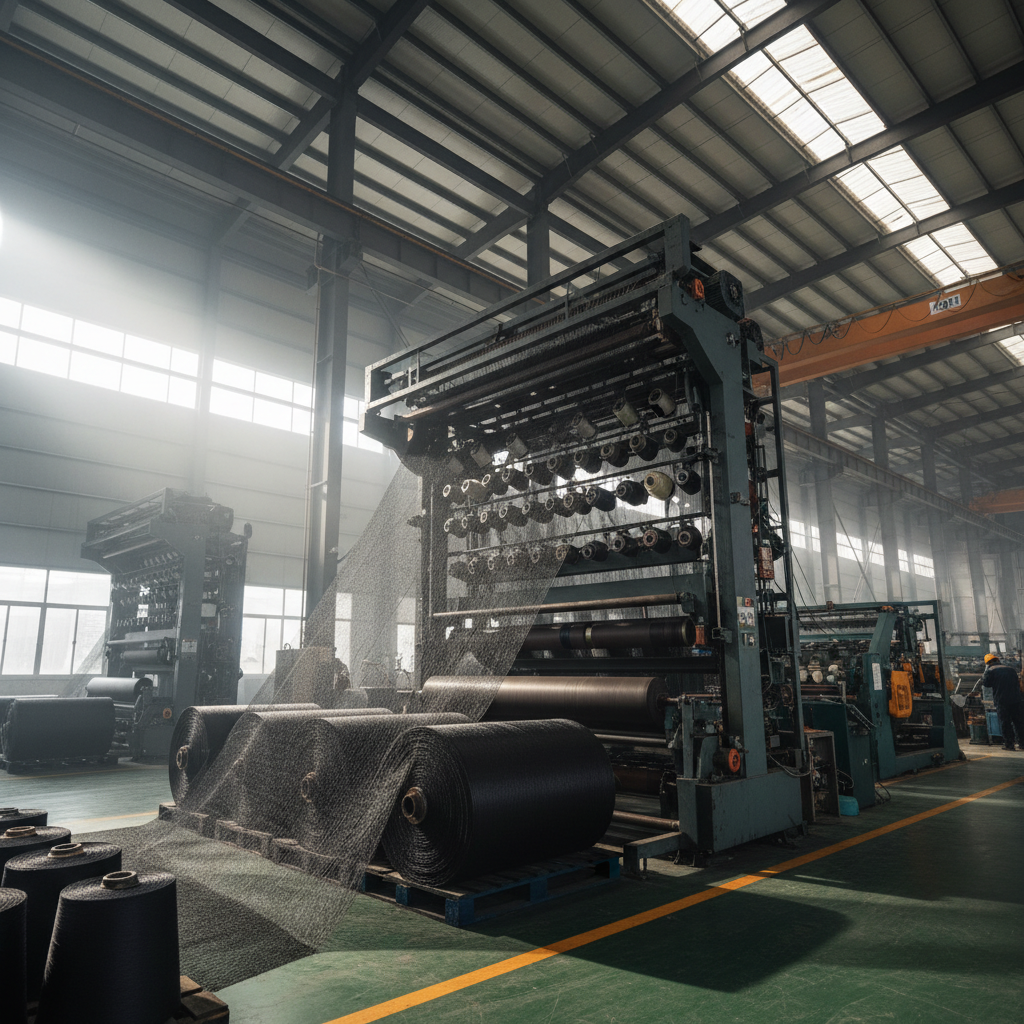
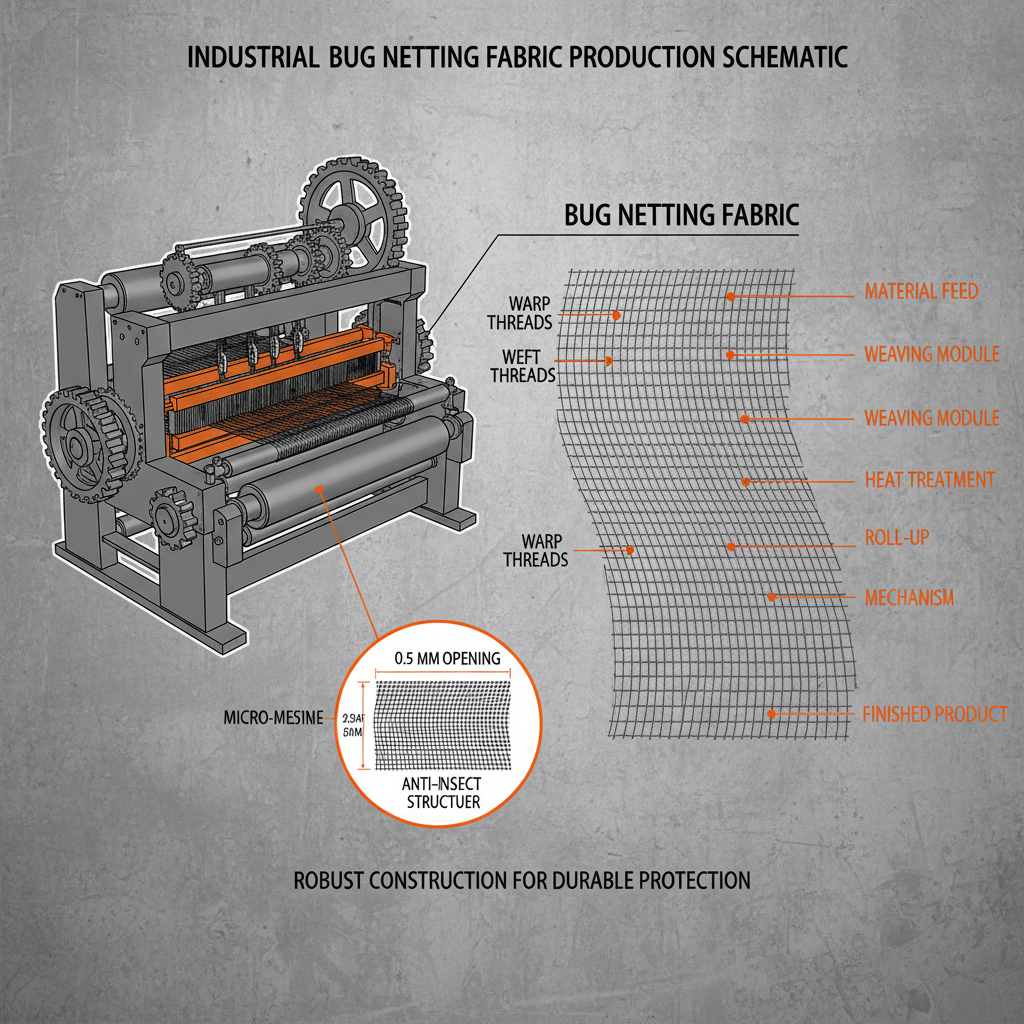
Proper construction and manufacturing processes are essential for ensuring the quality and longevity of bug nets. Strong seams, reinforced edges, and consistent mesh density are all indicators of a well-made product. Quality control measures throughout the production process are vital for delivering effective and reliable nets.
Bug Net Performance Metrics
Evaluating the effectiveness of a bug net involves assessing several key performance metrics. One primary metric is the 'mortality rate' - the percentage of insects killed after exposure to the net, particularly in the case of ITNs. This directly reflects the net’s insecticidal efficacy.
Another crucial metric is the 'deterrence rate,' which measures the net's ability to repel insects before they even land on the user. This is especially important as it reduces annoyance and minimizes the chance of bites. 'Physical integrity' – assessing net damage, hole size, and overall durability – is also essential for determining long-term effectiveness.
Bug Net Performance Comparison
Global Applications and Impact
In sub-Saharan Africa, mass distribution campaigns of bug nets have been instrumental in reducing malaria incidence and mortality rates. These campaigns often target pregnant women and children, who are particularly vulnerable to the disease. In post-disaster relief operations, bug nets provide immediate protection against disease outbreaks in crowded and unsanitary conditions.
In remote industrial zones, bug nets are utilized to protect workers from insect-borne diseases and improve their overall health and productivity. Agricultural communities benefit from nets used to protect crops and livestock, reducing economic losses due to insect pests. The adaptability of bug nets allows for their use in diverse environments, from homes and hospitals to farms and construction sites.
Advantages and Long-Term Value
The most significant advantage of bug nets is their cost-effectiveness. Compared to other malaria prevention methods, such as indoor residual spraying, bug nets represent a relatively inexpensive intervention with a substantial return on investment in terms of improved health outcomes and reduced healthcare costs. They also offer a sustainable solution, requiring minimal maintenance and providing long-term protection when properly cared for.
From a social impact perspective, bug nets contribute to improved quality of life, increased school attendance (as children are less ill), and enhanced economic productivity. They foster a sense of security and dignity, empowering individuals and communities to protect themselves from preventable diseases. The widespread adoption of bug nets reflects a commitment to global health equity and social responsibility.
Future Trends in Bug Net Technology
Research is underway to develop next-generation bug nets that incorporate new insecticides with different modes of action, combating insecticide resistance. The use of advanced materials, such as nanofibers, could enhance net durability and improve insecticidal efficacy. Smart bug nets equipped with sensors could monitor insecticide levels and provide alerts when re-treatment is necessary.
Digital technologies are playing an increasingly important role in bug net distribution and monitoring. Mobile apps and data analytics can help track net coverage, identify areas with low utilization rates, and target interventions more effectively. The integration of bug nets with other vector control strategies, such as larval source management, is also gaining traction.
Sustainability is a key focus, with efforts to develop more environmentally friendly insecticides and reduce the environmental impact of net production and disposal. Circular economy principles are being explored to promote net recycling and reuse, minimizing waste and conserving resources.
Summarize the core points of "Theme Seven" to generate a brief and accurate table title in English.
| Category |
Innovation Area |
Potential Impact |
Implementation Challenges |
| Insecticide Development |
New Pyrethroid Alternatives |
Reduced Insecticide Resistance |
Regulatory Approval & Cost |
| Material Science |
Nanofiber Incorporation |
Enhanced Durability & Efficacy |
Scalability & Production Costs |
| Smart Technology |
Sensor Integration |
Real-Time Monitoring & Retreatment Alerts |
Power Requirements & Data Security |
| Distribution & Logistics |
Mobile App Tracking |
Improved Coverage & Targeting |
Digital Literacy & Accessibility |
| Vector Control Integration |
Larval Source Management |
Holistic Disease Prevention |
Coordination & Funding |
| Sustainability |
Recycling Programs |
Reduced Environmental Impact |
Collection & Processing Logistics |
FAQS
Insecticide-treated bug nets (ITNs) are one of the most effective methods for preventing malaria transmission. When used consistently and correctly, ITNs can reduce malaria incidence and mortality rates by as much as 50%. The insecticide deters and kills mosquitoes, preventing them from biting people while they sleep. The effectiveness can decrease over time if the nets are not retreated, or if mosquitoes develop resistance to the insecticide. Regular re-treatment or use of long-lasting insecticidal nets (LLINs) is crucial.
You should wash your bug net no more than twice a year. Frequent washing reduces the effectiveness of the insecticide treatment. Always follow the manufacturer's instructions for washing, and use a mild soap. Avoid harsh detergents or bleach, as these can damage the net and strip away the insecticide. Ensure the net is completely dry before using it again to prevent mildew growth and maintain its integrity.
Long-lasting insecticidal nets (LLINs) are designed to remain effective for at least three to five years under normal conditions of use. However, the actual lifespan can vary depending on factors such as washing frequency, exposure to sunlight, and physical wear and tear. It's essential to inspect the net regularly for holes or damage and replace it when it shows signs of significant deterioration. Visual inspection and testing can help determine when an LLIN needs replacement.
Proper hanging of a bug net is crucial for its effectiveness. Ensure the net is fully enclosed around the sleeping area, with no gaps where mosquitoes can enter. Secure the net tightly to the bed frame or suspension points, ensuring there is no sagging or contact with the body. Tuck the edges of the net securely under the mattress to prevent insects from crawling underneath. Avoid hanging the net too close to walls or vegetation, as this can allow mosquitoes to reach the net.
If your bug net has a hole, it should be repaired as soon as possible. Small holes can be patched with a fine mesh repair kit specifically designed for bug nets. Larger holes may require replacing the entire net, as they can significantly compromise its protective function. Regularly inspect your net for damage and address any issues promptly to maintain its effectiveness.
Yes, bug nets are generally very safe for babies and young children when used correctly. Ensure the net is securely attached and that there are no small parts that could pose a choking hazard. Avoid nets with excessive insecticide residue or strong odors. Regularly inspect the net for holes or tears to ensure it provides adequate protection. Always prioritize a well-fitted and properly maintained net for optimal safety.
Conclusion
Bug nets represent a remarkably effective and affordable solution to a global health challenge. From preventing the spread of vector-borne diseases to protecting crops and livestock, their impact is far-reaching. Ongoing innovation in materials, insecticides, and distribution strategies promises to further enhance their effectiveness and sustainability.
Investing in bug net technology and ensuring equitable access to these essential tools is paramount. Continued research, coupled with strong partnerships between governments, NGOs, and the private sector, will be crucial for realizing the full potential of bug nets in creating a healthier and more secure future for all. Visit our website at www.yjwiremesh.com to learn more.