0%

Table of Contents

Insect proof net plays a critical role in safeguarding public health, agriculture, and overall environmental well-being globally. From protecting crops from damaging pests to preventing the spread of vector-borne diseases like malaria and dengue fever, its applications are vast and increasingly vital in a world facing climate change and increasing global interconnectedness. Understanding the nuances of insect proof net – its materials, construction, and effective deployment – is therefore paramount for governments, aid organizations, and individuals alike.

The demand for effective insect control solutions is driven by factors such as rising global population, expanding agricultural needs, and the increasing incidence of insect-borne illnesses. According to the World Health Organization, mosquito-borne diseases alone affect more than half of the world's population, emphasizing the urgent need for preventative measures. Insect proof net offers a cost-effective and sustainable solution, contributing significantly to improved health outcomes and increased food security.

Furthermore, advancements in material science are continuously improving the durability and effectiveness of insect proof net, making it a versatile tool for a wide range of applications. These innovations are particularly important in vulnerable communities where access to healthcare and adequate pest control is limited.
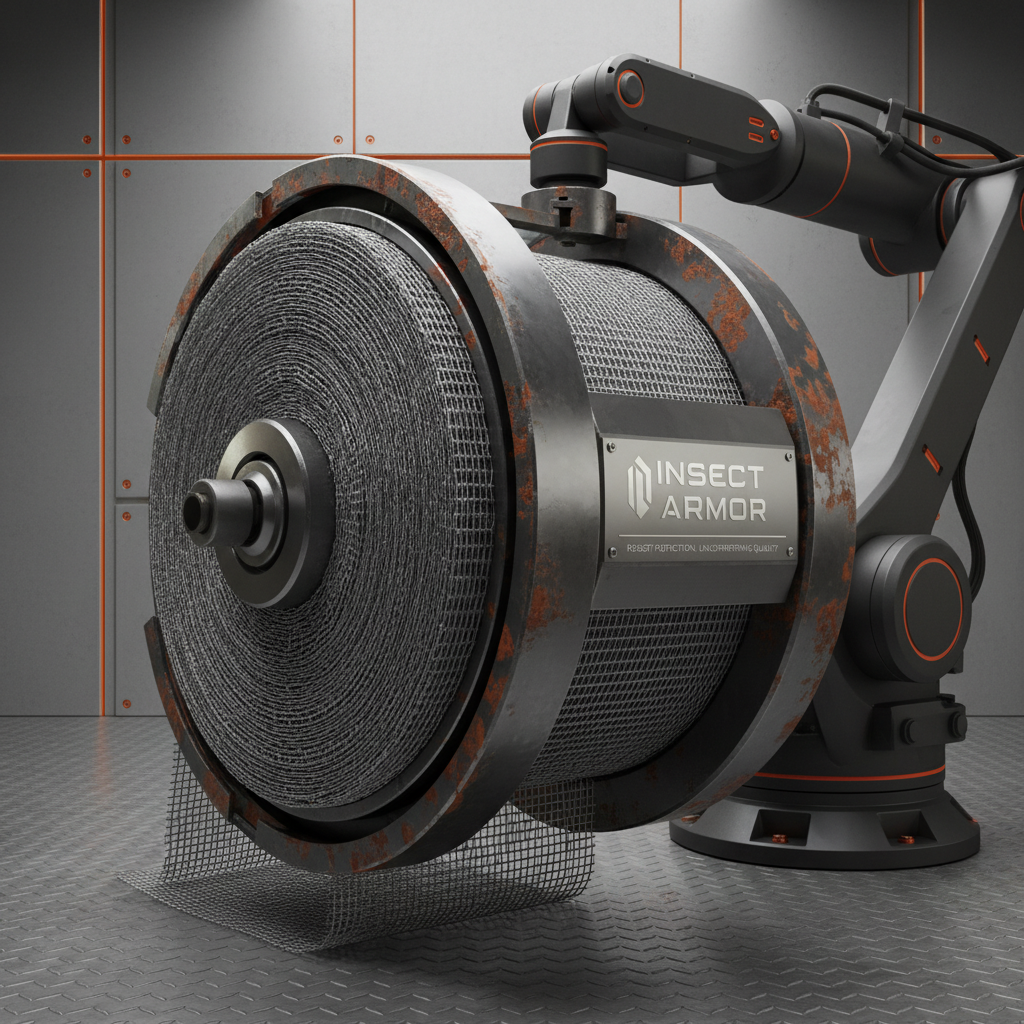
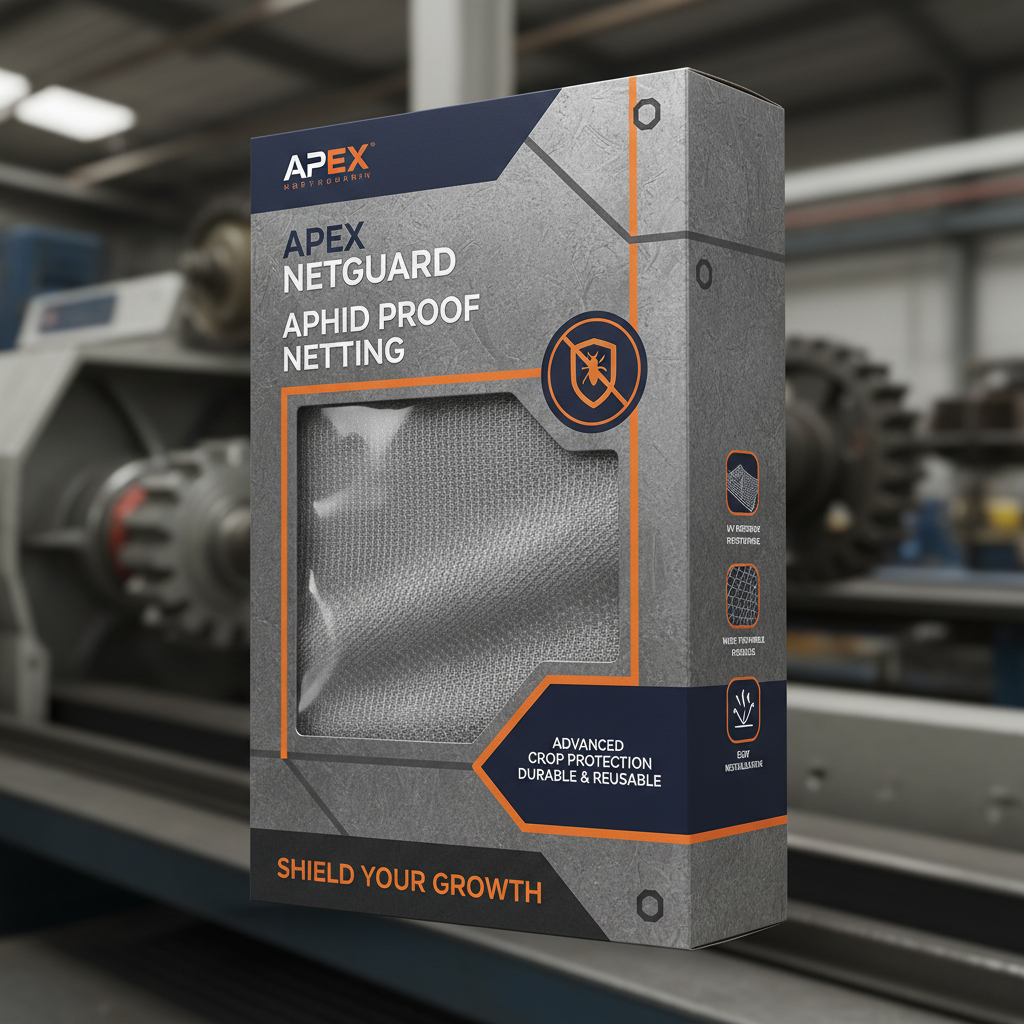
The Critical Role of Insect Proof Net in Global Health and Agriculture

The Global Significance of Insect Proof Net

The Critical Role of Insect Proof Net in Global Health and Agriculture

The proliferation of insect-borne diseases and agricultural losses due to pests necessitate robust preventative measures. Insect proof net offers a sustainable and scalable solution, especially critical in regions with limited access to chemical pesticides. Its implementation aligns with sustainable development goals, reducing reliance on harmful chemicals and fostering healthier ecosystems.

The United Nations Sustainable Development Goals (SDGs) highlight the importance of improving health, ensuring food security, and protecting the environment. Insect proof net directly contributes to these goals by mitigating disease transmission, enhancing crop yields, and reducing the environmental impact of pest control practices.

Defining Insect Proof Net

Insect proof net, at its core, is a physical barrier designed to exclude insects from a designated space. This barrier is typically constructed from woven materials, such as polyethylene or polypropylene, with varying mesh sizes to target specific insect species. It's a versatile technology deployed across diverse sectors, from agriculture and public health to household protection.

The concept has evolved significantly from simple mosquito nets to sophisticated engineered solutions used in greenhouses, warehouses, and even entire communities. Modern insect proof net prioritizes durability, UV resistance, and optimal mesh size for maximum effectiveness.

Today, insect proof net plays an indispensable role in modern industry and humanitarian efforts, demonstrating its adaptability and importance in ensuring safety and well-being.

Core Components of Effective Insect Proof Net

The effectiveness of insect proof net relies on several key components. First is the material, which dictates durability, UV resistance, and cost. Polyethylene and polypropylene are common choices, each with its advantages and limitations. Second, the mesh size is crucial; it must be small enough to exclude target insects but large enough to allow for adequate airflow and light penetration.

Third, the weave pattern impacts the net's strength and resistance to tearing. Different weaving techniques, such as square or hexagonal meshes, offer varying levels of robustness. Fourth, coating or treatment can enhance properties like UV protection or insect repellency. Finally, the installation and maintenance are paramount for ensuring the net remains intact and effective over time.

These core components work synergistically to deliver reliable insect protection, contributing to improved health outcomes, increased crop yields, and a higher quality of life for communities utilizing this technology. A poor quality net can render the entire system ineffective, highlighting the importance of investing in durable and properly designed insect proof net solutions.

Key Factors Influencing Insect Proof Net Performance

Several factors impact the overall performance of insect proof net. Durability is paramount, influencing the net’s lifespan and resistance to wear and tear from environmental factors like UV radiation, wind, and rain. Scalability refers to the ease with which the net can be adapted to different sizes and configurations, making it suitable for diverse applications.

Cost-efficiency is also crucial, particularly in resource-constrained settings. Balancing affordability with effectiveness is essential for widespread adoption. Maintenance requirements directly impact long-term usability. A net requiring frequent repairs or replacements will ultimately prove less cost-effective.

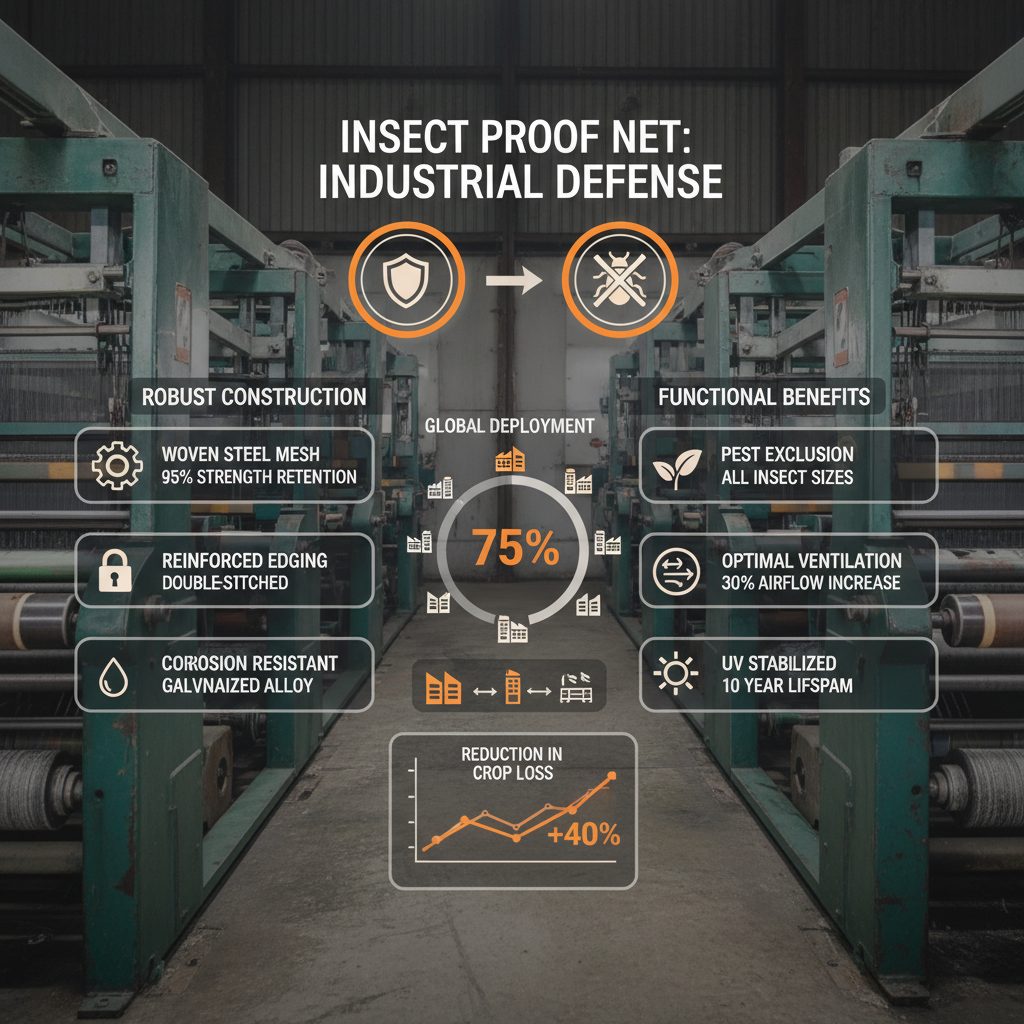
Insect Proof Net Performance Metrics


Global Applications and Real-World Use Cases

Insect proof net finds application across a broad spectrum of industries and scenarios. In agriculture, it's used extensively in greenhouses to protect crops from pests, reducing the need for chemical pesticides and increasing yields. In public health, it’s deployed as mosquito nets to prevent the spread of malaria, dengue fever, and other vector-borne diseases.

In post-disaster relief operations, insect proof net is crucial for providing safe and hygienic shelter for displaced populations, minimizing the risk of disease outbreaks. In remote industrial zones, it protects workers from insect bites and ensures a more productive work environment.

Advantages and Long-Term Value Proposition

The benefits of utilizing insect proof net are multifaceted. Reduced reliance on chemical pesticides leads to a healthier environment and lower production costs. Improved public health outcomes translate to increased productivity and reduced healthcare burdens. The durability of modern insect proof net ensures a long-term return on investment.

Beyond the tangible economic benefits, insect proof net fosters a sense of safety and well-being within communities. It provides dignity to those living in vulnerable conditions, offering protection from disease and discomfort. This technological solution underscores a commitment to innovation and sustainable practices, building trust and resilience.

Future Trends and Innovation in Insect Proof Net

Ongoing research and development are focused on enhancing the properties of insect proof net. Bio-based and biodegradable materials are being explored to reduce environmental impact. Nanotechnology is being utilized to create nets with enhanced durability and insect repellency. Smart nets with integrated sensors are being developed to monitor insect activity and provide early warning systems.

These innovations are driven by a commitment to sustainability and a desire to address the evolving challenges of pest control. The integration of digital technologies and automation will further optimize the production and deployment of insect proof net, making it more accessible and effective for communities worldwide.

The future of insect proof net is intertwined with advancements in material science, biotechnology, and data analytics, promising even more impactful solutions for protecting public health and ensuring food security.

FAQS

What is the typical lifespan of a high-quality insect proof net?

The lifespan of a high-quality insect proof net generally ranges from 2 to 5 years, depending on the material, UV exposure, and maintenance. Polyethylene nets typically last around 2 years, while polypropylene nets can last up to 5 years. Regular cleaning and proper installation are crucial for maximizing lifespan. Damage from tears or holes should be repaired promptly to maintain effectiveness.

How do I properly clean and maintain insect proof net?

Regular cleaning is vital for extending the life of insect proof net. Gently wash the net with mild soap and water, avoiding harsh chemicals or abrasive cleaners. Rinse thoroughly and allow to air dry completely. Inspect the net regularly for tears or holes and repair them promptly with a patching kit or sewing. Proper storage when not in use, away from direct sunlight, will also help preserve its integrity.

What mesh size is most effective for mosquito control?

For effective mosquito control, a mesh size of 1.1 mm (approximately 15 holes per inch) is generally recommended. This mesh size is small enough to exclude most mosquito species while still allowing for good airflow. However, the optimal mesh size may vary depending on the specific mosquito species prevalent in a particular region. Consulting with a local pest control expert can help determine the most appropriate mesh size for your needs.

Is insect proof net an environmentally friendly pest control solution?

Yes, insect proof net is considered a highly environmentally friendly pest control solution. It provides a physical barrier without relying on harmful chemicals, reducing the risk of pesticide resistance and minimizing the impact on beneficial insects and the ecosystem. Furthermore, advancements in biodegradable materials are making insect proof net even more sustainable.

Can insect proof net be used in agricultural settings?

Absolutely! Insect proof net is widely used in agriculture, particularly in greenhouses and nurseries, to protect crops from insect pests. This reduces the need for chemical pesticides, improving crop quality and yields. Different mesh sizes can be chosen to target specific pests affecting different crops. It is an essential component of integrated pest management strategies.

How does UV radiation affect insect proof net, and what can be done to mitigate its impact?

UV radiation can degrade the plastic polymers in insect proof net, leading to brittleness and reduced strength over time. To mitigate this, manufacturers often incorporate UV stabilizers into the net’s material. Choosing nets specifically designed for outdoor use and providing shade or protective coverings when possible can also extend their lifespan. Regular inspection and timely replacement are crucial for maintaining effectiveness.

Conclusion

Insect proof net stands as a cornerstone of preventative health and sustainable agricultural practices worldwide. Its ability to mitigate disease transmission, protect crops, and reduce reliance on harmful chemicals underscores its invaluable contribution to global well-being. From simple mosquito nets to sophisticated agricultural solutions, this technology continues to evolve and adapt to meet emerging challenges.

Looking ahead, continued innovation in materials science and manufacturing processes will further enhance the durability, effectiveness, and sustainability of insect proof net. Investing in and promoting the widespread adoption of this technology is crucial for building more resilient communities and safeguarding the health of our planet. Visit our website to explore our range of high-quality insect proof net solutions.

Bernard Caldwell

Bernard Caldwell

Bernard Caldwell serves as a Senior Project Manager at Anping County Yongji Products Co., Ltd. with a focus on large-scale infrastructure projects. He leads the implementation of galvanized woven mesh solutions for river management and construction clients. Bernard brings a practical, hands-on approach honed over 20 years in civil engineering.
Previous Advancing Global Health and Food Security with Innovative Insect Proof Mesh
Next Optimizing Agricultural Efficiency with Durable Wire Livestock Fencing Solutions
text