Look, I’ve been running around construction sites for fifteen years, and let me tell you, things are moving. Everyone’s talking about prefabrication now, right? Modular builds, stuff assembled off-site and just… dropped in. It’s supposed to be faster, cheaper, better quality. And honestly, it's got potential, but it's not a silver bullet. A lot of these guys are trying to rush things, thinking they can just slap some components together and call it a day. They forget that even the best design falls apart if the details aren't right.
It’s funny, you spend all this time in a nice office designing something, then you get out here and realize it's going to get rained on, bumped into, and generally abused. You’ve got to build for that. Not for the showroom.
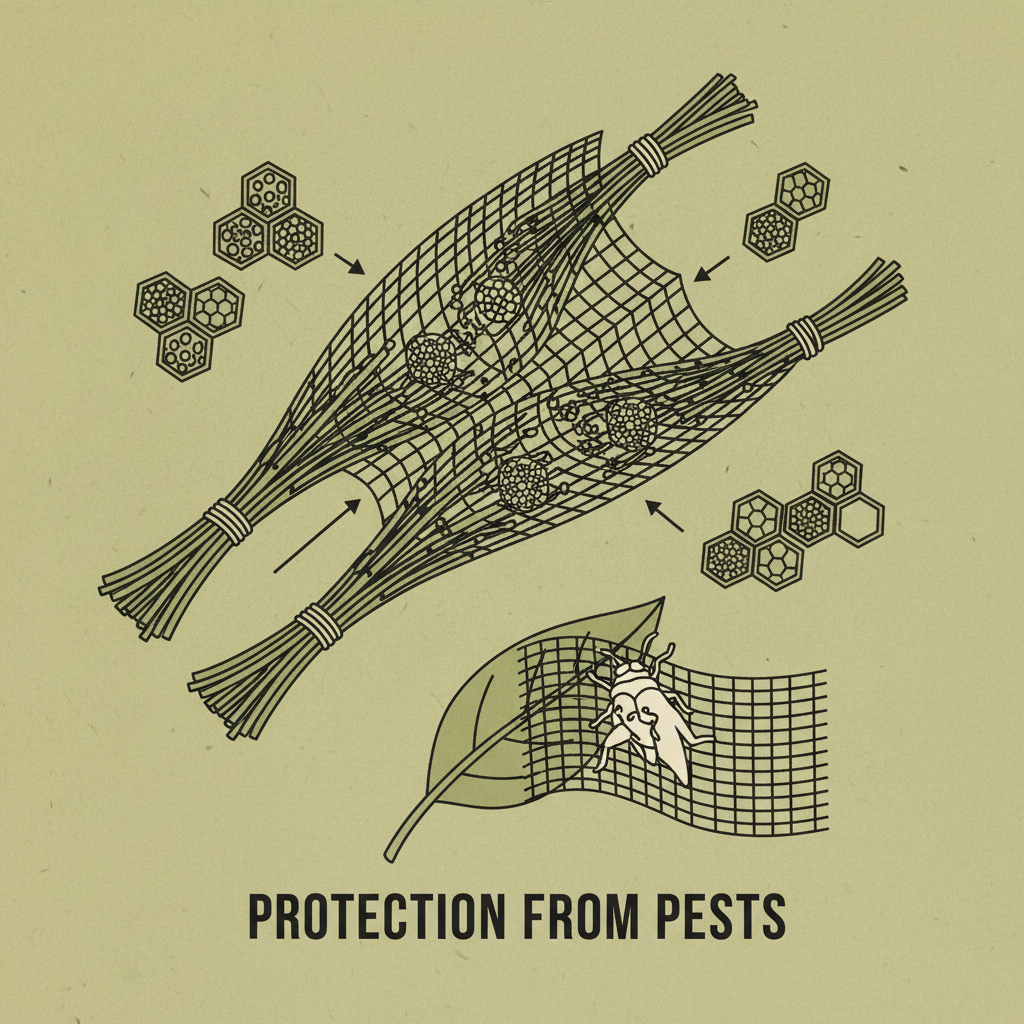
And speaking of building, agricultural insect netting... yeah, it's not glamorous, but it’s surprisingly important. Keeps the bugs off your crops, simple as that. Seems basic, right? But believe me, there's a lot more to it than just a mesh.
Understanding the Modern Landscape of agricultural insect netting
To be honest, agricultural insect netting isn’t a new invention. Farmers have been using some form of barrier to protect their crops for centuries. But the demand is skyrocketing. With climate change messing with everything, pest patterns are shifting, and traditional pesticides are getting a bad rap, folks are looking for sustainable solutions. The UN’s Food and Agriculture Organization (FAO) is pushing for integrated pest management, and netting fits right in. You see a lot of it in developing countries, obviously, but even here in the States, bigger farms are starting to realize the benefits.
I was down in Florida last month, talking to a citrus grower, and he was telling me how devastating the Asian citrus psyllid has been. They’re losing entire groves. He’s invested heavily in netting, and while it’s not a perfect solution, it’s giving him a fighting chance.
What Exactly Is agricultural insect netting?
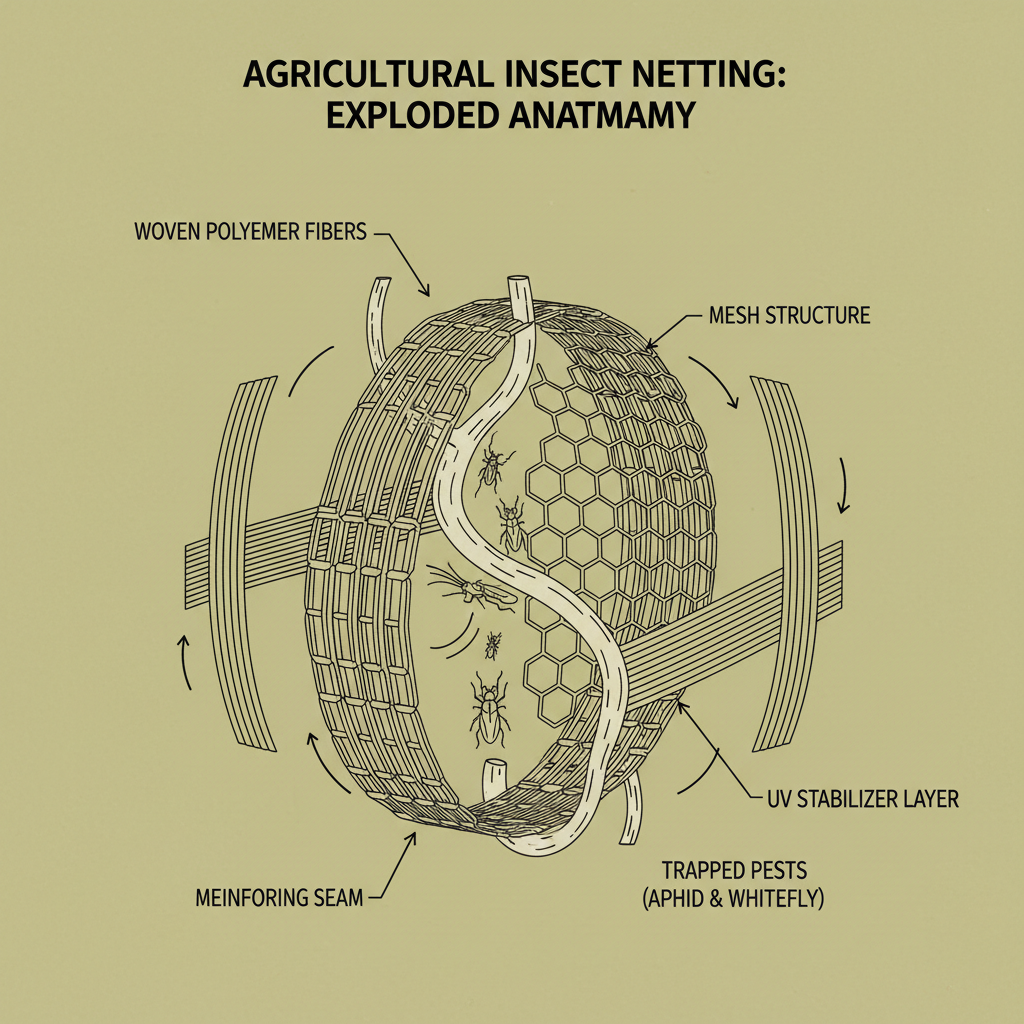
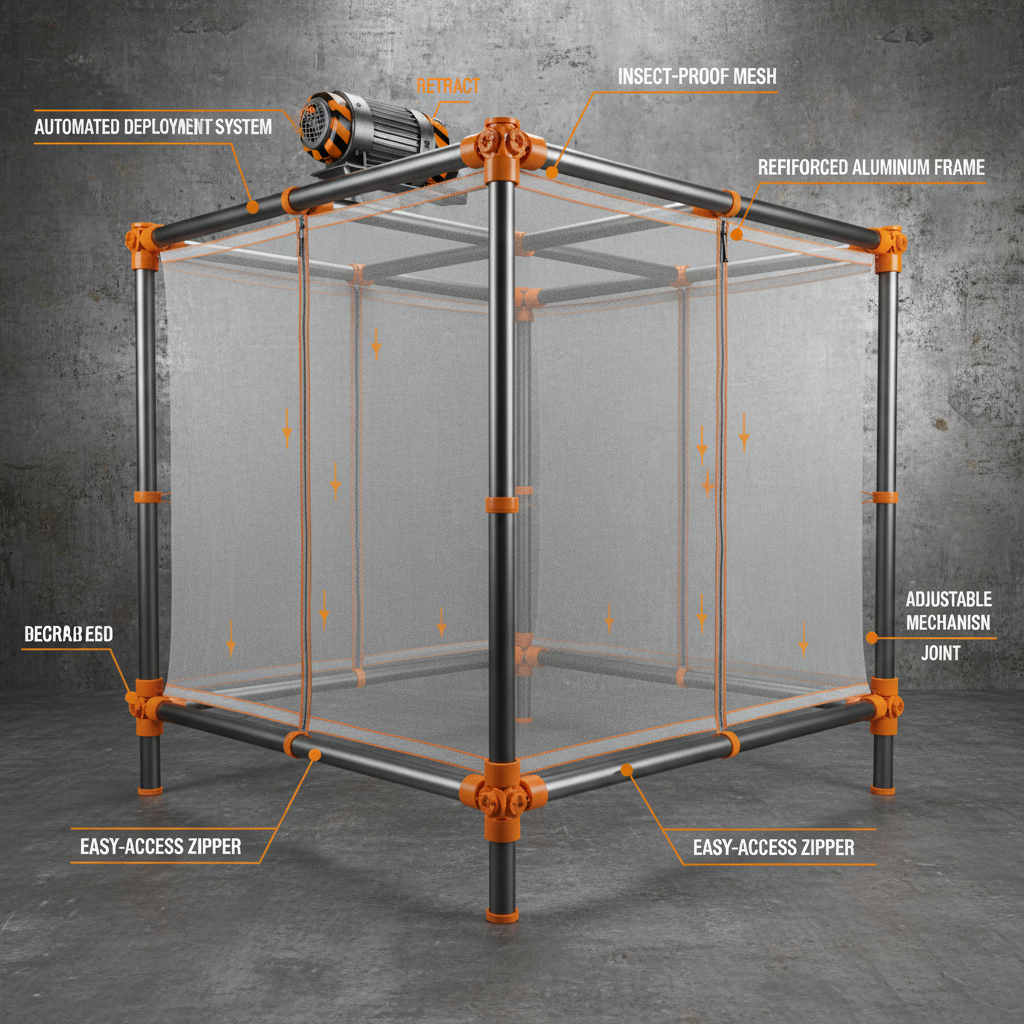
Okay, so it's pretty straightforward. agricultural insect netting is basically a physical barrier used to exclude insects from crops. It’s usually made of polyethylene, polypropylene, or nylon – different materials have different strengths and weaknesses, which we’ll get into later. It comes in different mesh sizes, depending on what pests you’re trying to keep out. Smaller mesh for smaller bugs, obviously. You've got everything from simple draped netting to more sophisticated tunnel systems and even fully enclosed greenhouses covered in the stuff.
It ties directly into the growing trend of precision agriculture – trying to optimize every aspect of the growing process. Netting isn’t just about keeping bugs off your plants, it can also modify the microclimate, providing some shade and reducing wind damage.
And it's not just for large-scale agriculture. I’ve seen smaller farms using it for organic vegetable gardens, even hobby growers using it to protect their tomatoes. It’s a versatile tool.
Key Factors Defining High-Quality agricultural insect netting
First off, durability is huge. You don’t want something that’s going to rip after one season. UV resistance is critical, especially if it's going to be exposed to the sun for months on end. The denier – that’s the thickness of the yarn – matters a lot. Higher denier means stronger netting. It’s kinda like thread count in sheets, but for bugs.
Scalability is another thing. Can you get it in the size and shape you need? Some manufacturers are really limited in what they can produce. Cost efficiency is obviously important too, but you have to be careful not to sacrifice quality for price. You end up replacing it more often, and that’s not saving you money in the long run. You really get what you pay for, mostly.
And then there's the mesh size itself. Getting that right is crucial. Too big, and the bugs get in. Too small, and it restricts airflow and can actually create a more humid environment, which can lead to fungal diseases. It's a balancing act, you know?
Real-World Applications and Use Cases
I encountered this at a strawberry farm in California last time; they were using netting to protect against spotted wing drosophila – nasty little things. It made a huge difference in their yield. But it wasn’t just about the netting itself. It was how they installed it, how they maintained it. They had a system for regularly checking for tears and patching them up.
In post-disaster relief operations, you often see agricultural insect netting used to quickly establish temporary food production systems. It's lightweight, easy to transport, and can provide a crucial source of fresh vegetables in areas where food supplies are disrupted. I saw it used effectively after the earthquake in Nepal, for example.
And it's not limited to crops. In remote industrial zones, netting is used to protect livestock from insect-borne diseases. It’s surprisingly versatile.
agricultural insect netting Application Performance
The Tangible Advantages of Using agricultural insect netting
Look, the biggest advantage is reduced pesticide use. That’s good for the environment, good for your health, and in some cases, it’s a requirement for organic certification. It can also improve crop quality, reduce losses due to insect damage, and increase yields. Strangely, I’ve even seen it help with water conservation – the netting can provide some shade, reducing evaporation.
But it’s not all sunshine and roses. Installation can be labor-intensive, especially for large areas. And if it’s not properly maintained, it can become a breeding ground for pests itself. It's a trade-off.
Future Trends and Innovations in agricultural insect netting
I’m seeing a lot of development in biodegradable netting materials – that's a big one. Farmers are increasingly conscious of plastic waste, so anything that reduces that is a win. There’s also research into incorporating insecticidal coatings into the netting itself – a kind of slow-release pest control.
And I think we’ll see more integration with sensor technology. Imagine netting that can detect pest infestations early on and automatically adjust its settings. That’s the future.
Anyway, I think the biggest shift will be towards more customized solutions. One size doesn’t fit all, you know?
Challenges and Solutions in agricultural insect netting Implementation
The biggest challenge, hands down, is cost. Good quality netting isn’t cheap, and installation can be expensive too. But you have to look at it as an investment, not an expense. If it prevents even one major pest outbreak, it’s paid for itself.
Another challenge is dealing with strong winds. Netting can get torn or blown away if it’s not properly secured. You need a solid support structure and good anchoring systems. I’ve seen guys using everything from concrete blocks to buried tires to hold it down.
And finally, there’s the issue of maintenance. You need to regularly inspect the netting for tears and repair them promptly. Otherwise, the bugs will find a way in.
Key Considerations for Successful agricultural insect netting Implementation
| Initial Investment Cost |
Installation Complexity |
Long-Term Maintenance |
Overall Pest Control Effectiveness |
| Low (Under $500) |
Simple (Draped Netting) |
Minimal (Regular Checks) |
6/10 |
| Medium ($500-$2000) |
Moderate (Tunnel Systems) |
Moderate (Patching, Repairs) |
8/10 |
| High (Over $2000) |
Complex (Fully Enclosed Structures) |
Extensive (Regular Inspections, Maintenance) |
9/10 |
| Low (Under $500) |
Simple (Draped Netting) |
Minimal (Regular Checks) |
5/10 |
| Medium ($500-$2000) |
Moderate (Tunnel Systems) |
Moderate (Patching, Repairs) |
7/10 |
| High (Over $2000) |
Complex (Fully Enclosed Structures) |
Extensive (Regular Inspections, Maintenance) |
9/10 |
FAQS
It really depends on the quality of the material and the climate. A decent polyethylene netting will usually last 2-3 seasons with proper care. Higher-quality nylon netting can last up to 5 years, but it’s going to be significantly more expensive. UV degradation is the biggest factor, so location is key. If you’re in a sunny area, you’ll need to replace it more often. And if you don't store it properly during the off-season, it'll degrade even faster.
No, absolutely not. It's most effective against larger insects like moths, cabbage white butterflies, and fruit flies. Smaller insects, like thrips or aphids, can sometimes squeeze through the mesh, especially if it's damaged. The mesh size is critical; you need to choose a mesh size appropriate for the pests you're trying to exclude. And it’s not a silver bullet – you still need to monitor your crops and implement other pest management strategies.
That’s a good question. It definitely reduces both, but it doesn't completely block them. The extent of the reduction depends on the mesh density. A denser mesh will provide better pest exclusion, but it will also reduce airflow and sunlight more significantly. You need to find a balance between pest protection and plant health. Some netting is designed to have a reflective surface, which can help to maximize sunlight penetration.
The most common materials are polyethylene (PE), polypropylene (PP), and nylon. PE is the cheapest option, but it's also the least durable. PP is a bit more durable and has better UV resistance. Nylon is the most durable and has the highest tensile strength, but it's also the most expensive. Each material has its pros and cons, and the best choice depends on your specific needs and budget. I prefer PP myself; it’s a good balance of price and performance.
That’s a growing concern. Traditional PE and PP netting are difficult to recycle, and often end up in landfills. However, there’s increasing research into biodegradable netting materials made from plant-based polymers. These materials are more environmentally friendly, but they’re also more expensive and may not be as durable. It’s something to keep an eye on as the industry evolves. Recycling infrastructure for agricultural plastics is still pretty limited, to be honest.
Proper installation is key. You need a strong support structure and a secure attachment system. Make sure the netting is taut and free of wrinkles. Regularly inspect the netting for tears and repair them promptly. Clean the netting periodically to remove dust and debris. And store it properly during the off-season to protect it from UV degradation and physical damage. It’s a bit of work, but it’s worth it to get the most out of your investment.
Conclusion
So, agricultural insect netting isn't a flashy innovation, but it's a quietly effective solution to a growing problem. It's about reducing pesticide use, protecting crops, and ensuring food security. It's not a perfect fix – there are challenges with cost, installation, and maintenance – but when implemented correctly, it can make a real difference.
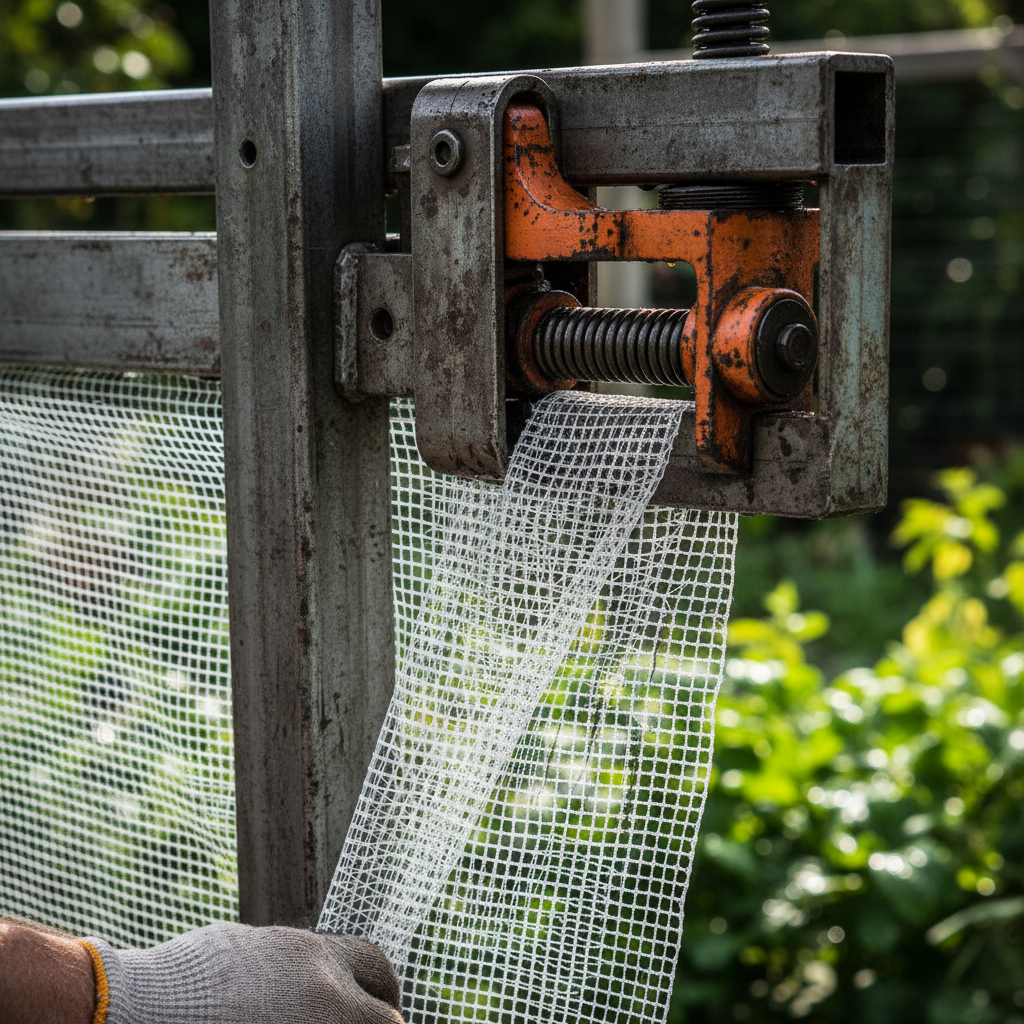
Ultimately, whether this thing works or not, the worker will know the moment he tightens the screw. You can design and engineer all you want, but it all comes down to how it performs in the field. And if the farmer’s happy, you’ve done your job. Visit our website for more information: agricultural insect netting