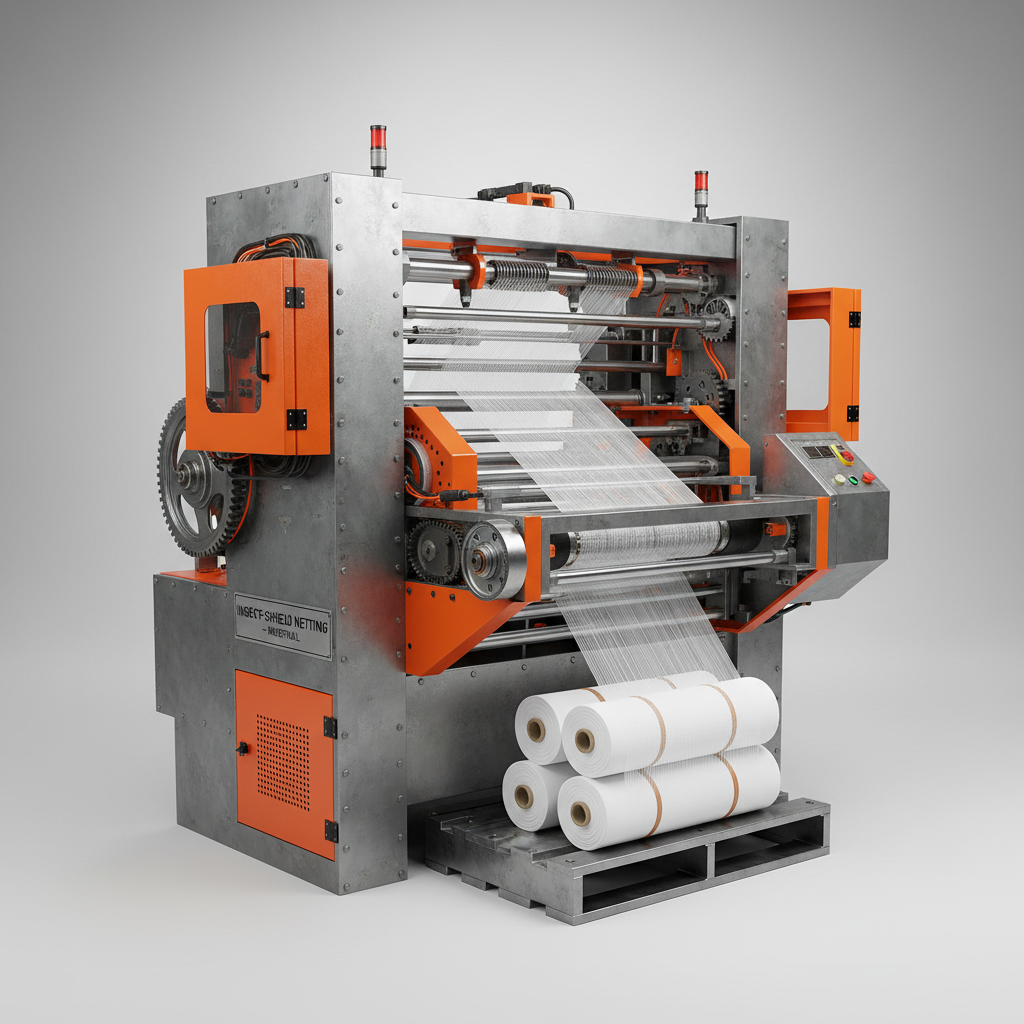
Livestock wire fence panels are critical components in modern agricultural infrastructure, playing a vital role in animal containment, pasture management, and overall farm security. These panels, typically constructed from galvanized steel wire, offer a durable and cost-effective solution for creating secure boundaries. Their increasing adoption globally reflects a growing need for efficient and reliable livestock management practices, driven by rising food demand and evolving agricultural technologies.
The demand for livestock wire fence panels isn't limited to traditional agricultural settings. They are increasingly utilized in wildlife management, conservation efforts, and even security applications. The versatility and adaptability of these panels make them a valuable asset across a diverse range of industries, particularly in areas requiring robust and long-lasting perimeter solutions. Understanding their construction, applications, and future trends is crucial for professionals and stakeholders involved in these sectors.
Furthermore, the industry is experiencing innovation in materials and designs, focusing on animal welfare, ease of installation, and environmental sustainability. The global livestock wire fence panels market is projected to continue expanding, fueled by agricultural intensification and a greater emphasis on biosecurity measures, making it a dynamic and evolving field.
Defining Livestock Wire Fence Panels
Livestock wire fence panels are prefabricated sections of fencing, typically woven or welded from galvanized steel wire. They are designed to provide a secure and durable barrier for containing livestock, preventing escapes, and protecting animals from predators. Unlike traditional fencing materials like wood or barbed wire, these panels offer a safer and more long-lasting solution.
Their role extends beyond simple containment. Modern livestock wire fence panels are integral to sustainable agricultural practices, enabling rotational grazing, improved pasture management, and enhanced animal welfare. They connect directly to the pressing global need for efficient food production and responsible land use, aligning with both economic and ethical considerations.
Global Relevance and Challenges
The global market for livestock wire fence panels is substantial and growing, driven by the increasing demand for meat and dairy products worldwide. According to the UN Food and Agriculture Organization (FAO), global meat production is projected to reach 376 million tonnes by 2030, necessitating improved livestock management infrastructure. This demand is particularly pronounced in developing countries undergoing agricultural intensification.
However, several challenges exist. The fluctuating costs of raw materials, particularly steel, can impact pricing and accessibility. Geographical variations in climate and terrain also require customized fencing solutions, demanding adaptability from manufacturers. Furthermore, concerns regarding the environmental impact of manufacturing and disposal are driving the need for more sustainable production practices.
Additionally, ensuring consistent quality and adherence to international standards (like those set by ISO) remains a critical challenge, especially when sourcing from diverse global suppliers. A reliable supply chain is paramount to supporting the agricultural sector’s ongoing expansion and efficiency.
Core Components and Specifications
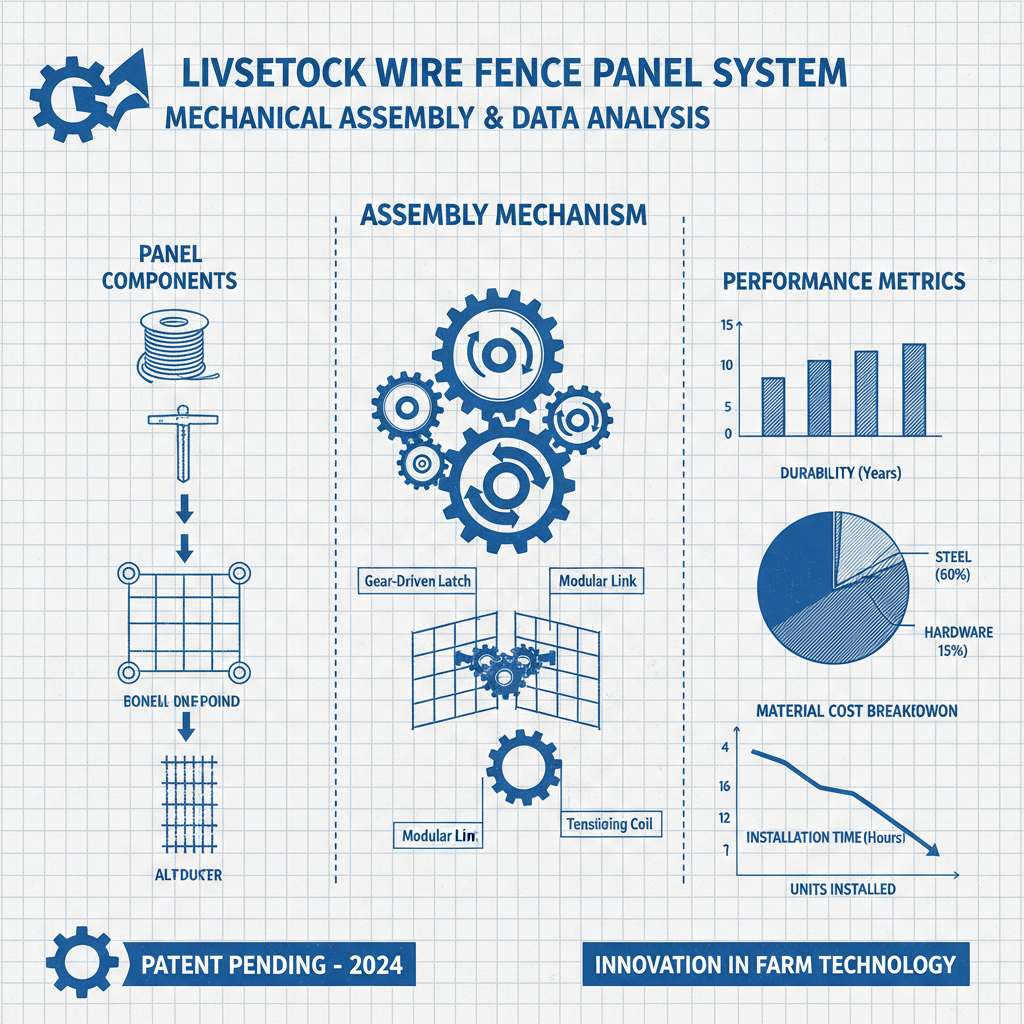
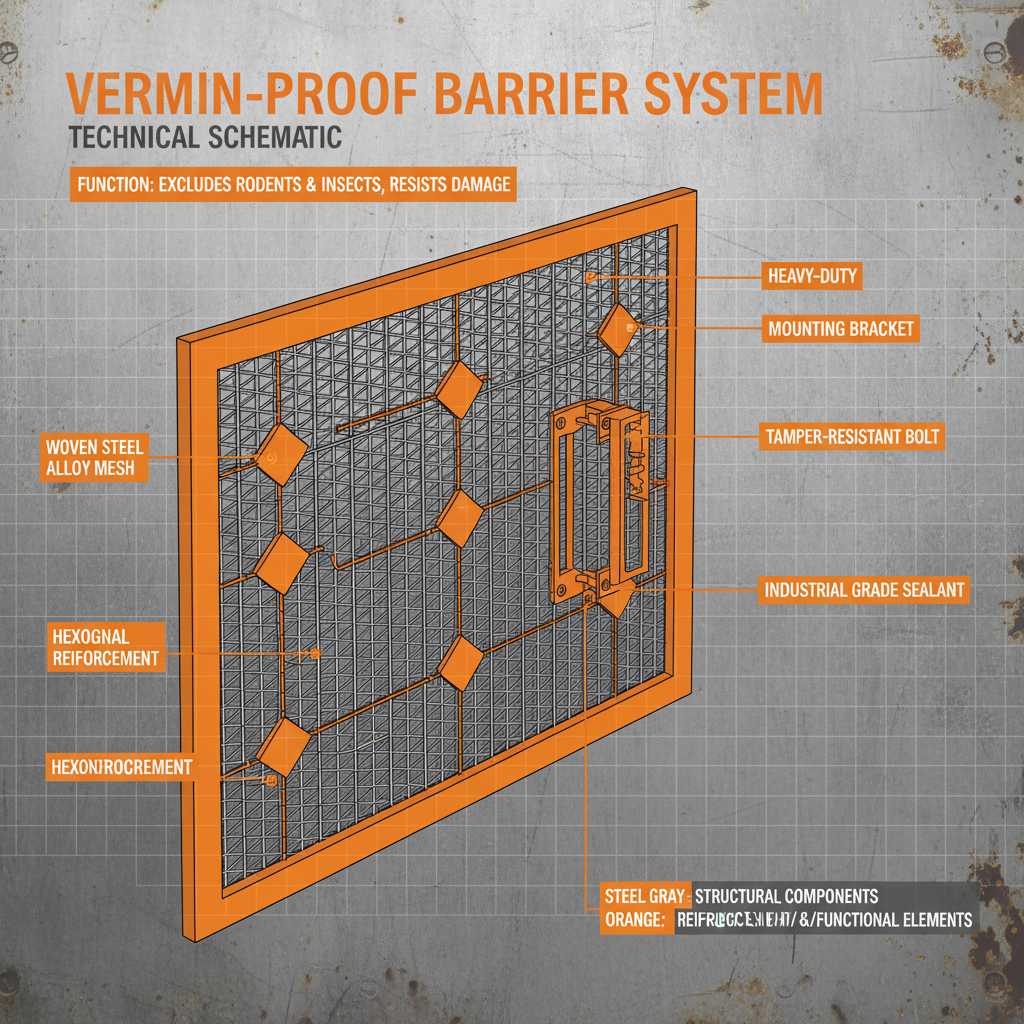
Livestock wire fence panels are comprised of several key components, each contributing to their overall performance and longevity. The core material is typically galvanized steel wire, with varying wire gauges and mesh sizes depending on the intended application and the type of livestock being contained. The galvanization process provides corrosion resistance, extending the lifespan of the panels.
Panel height and length are crucial specifications, determining the effective barrier height and the overall area that can be fenced. Common heights range from 1.2 meters to 2.4 meters, while lengths typically vary from 2.1 to 3.6 meters. The spacing between horizontal wires, or the mesh opening, is also a critical factor, influencing the ability to contain different sized animals. Wire diameter plays a significant role in strength and durability.
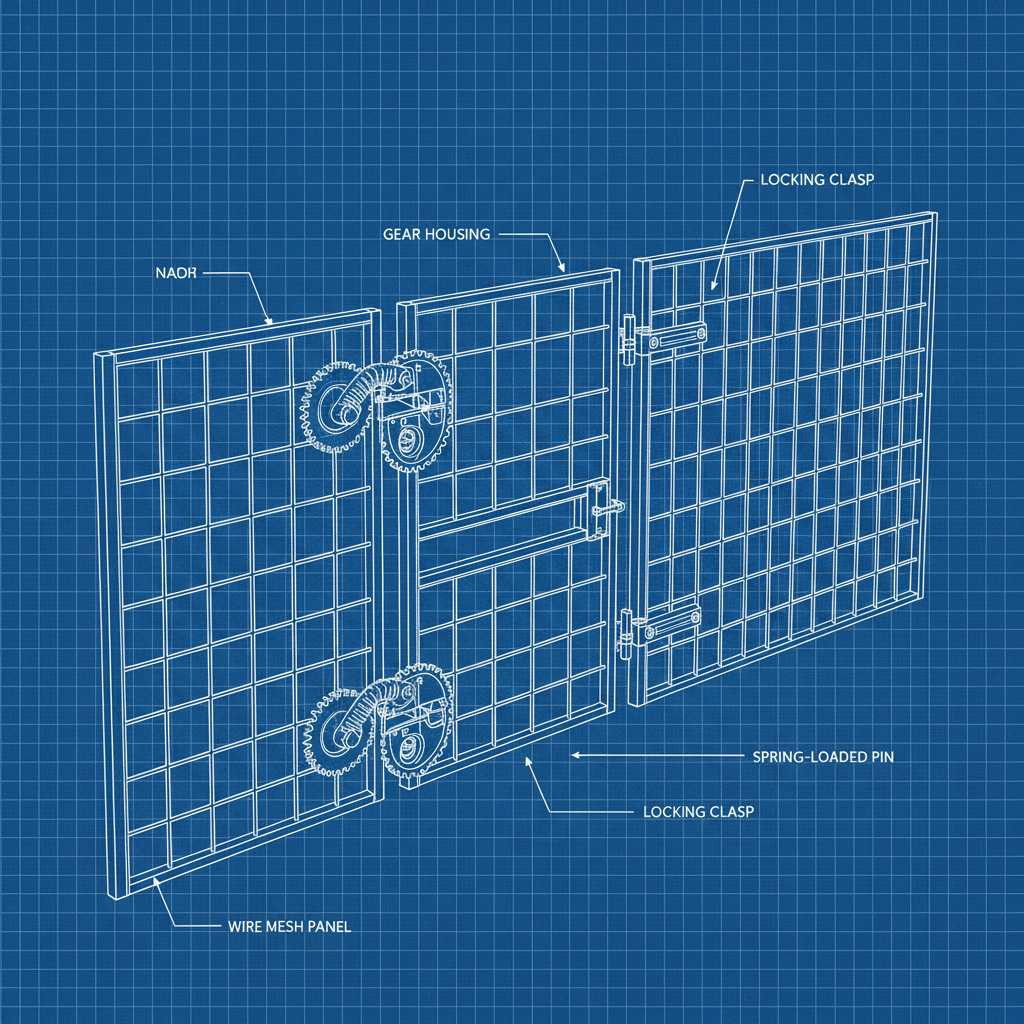
Furthermore, the type of weave or weld—whether it’s a woven wire, welded wire, or a combination—impacts the panel’s rigidity and resistance to deformation. The quality of the connectors and fixing mechanisms used to join panels together is also essential for ensuring a secure and continuous fence line.
Key Performance Indicators of livestock wire fence panels
Evaluating the performance of livestock wire fence panels requires considering several key indicators. Durability, measured by resistance to corrosion and physical damage, is paramount, directly influencing the panel's lifespan and maintenance costs.
The strength of the panels, their ability to withstand pressure from livestock or external forces, is also crucial. This is often assessed through tensile strength testing. Ease of installation is another key factor, impacting labor costs and project timelines.
livestock wire fence panels Performance Ratings
Applications Across Diverse Sectors
Beyond traditional farming, livestock wire fence panels find application in a surprising array of sectors. Wildlife management utilizes them for creating enclosures to protect endangered species or to manage populations in conservation areas. In post-disaster relief operations, they can be rapidly deployed to establish temporary animal containment areas or to secure perimeters.
Security applications, such as protecting industrial facilities or critical infrastructure, also benefit from the robust and reliable nature of these panels. They’re increasingly used to secure perimeters around renewable energy installations (wind farms, solar arrays) protecting against unauthorized access and potential vandalism. The versatility of livestock wire fence panels ensures its relevance in diverse scenarios.
Long-Term Value and Sustainability
Investing in high-quality livestock wire fence panels delivers significant long-term value. Reduced maintenance requirements, stemming from their corrosion resistance and durability, translate into lower operational costs over the panel’s lifespan. Enhanced animal welfare, facilitated by secure and safe containment, contributes to improved livestock health and productivity.
Increasingly, manufacturers are prioritizing sustainability, utilizing recycled materials and implementing environmentally responsible production processes. This aligns with growing consumer demand for eco-friendly products and supports a circular economy. Choosing panels with extended warranties and a proven track record further enhances their long-term value proposition.
Future Trends and Industry Innovations
The livestock wire fence panels industry is on the cusp of several exciting innovations. The development of new, more durable and corrosion-resistant coatings is a key area of focus, extending the lifespan of panels and reducing the need for replacements. Smart fencing technologies, integrating sensors for monitoring fence integrity and detecting breaches, are gaining traction.
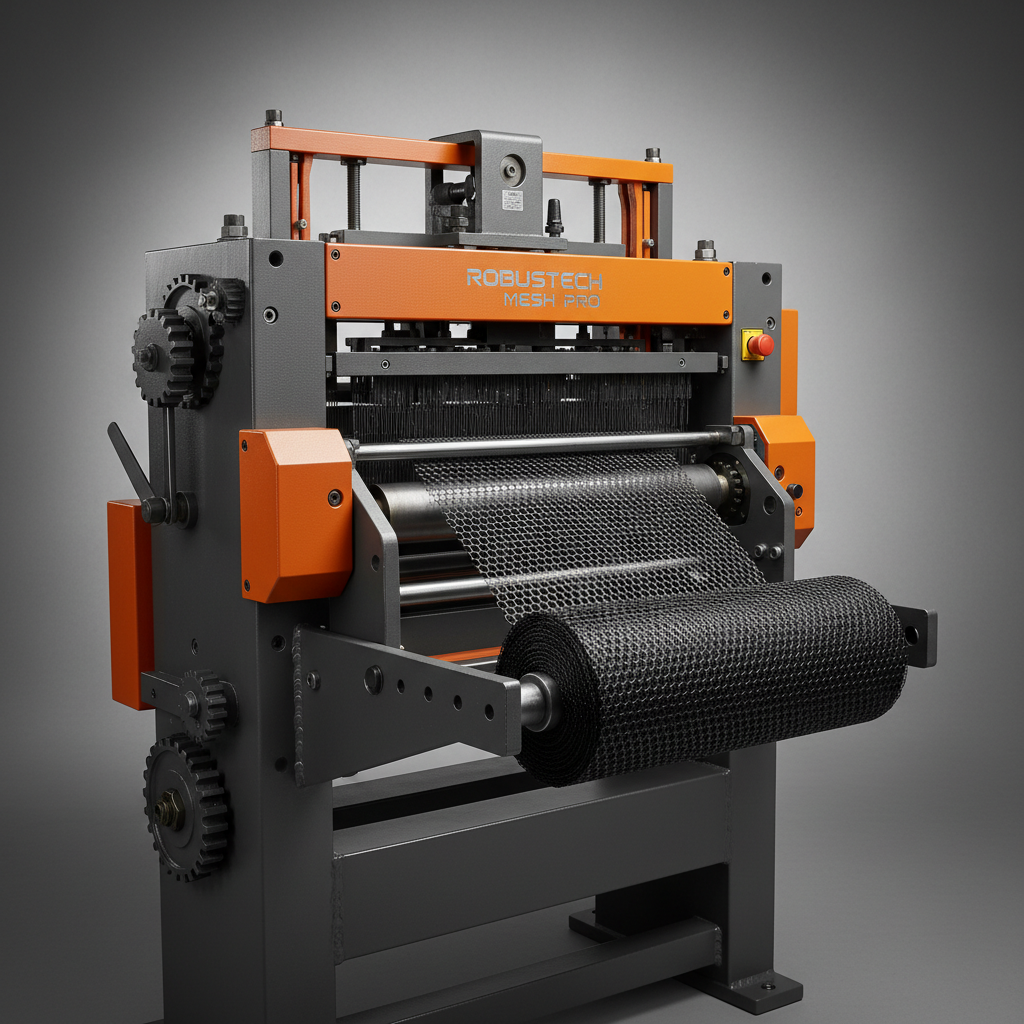
Automation in manufacturing processes is streamlining production and lowering costs, making panels more accessible. Furthermore, the exploration of alternative materials, such as polymer-coated steel or even bio-based composites, is driving the quest for more sustainable and environmentally friendly fencing solutions.
Summary of Future Trends in Livestock Wire Fence Panels
| Technology Area |
Innovation Focus |
Impact on Livestock Wire Fence Panels |
Adoption Timeline (1-5, 5=Fastest) |
| Coatings |
Enhanced Corrosion Resistance |
Increased Panel Lifespan & Reduced Maintenance |
4 |
| Sensor Technology |
Real-Time Fence Monitoring |
Early Breach Detection & Improved Security |
3 |
| Manufacturing |
Automated Production |
Reduced Costs & Increased Efficiency |
5 |
| Material Science |
Polymer-Coated Steel |
Superior Weather Resistance & Durability |
2 |
| Design |
Modular Panel Systems |
Faster Installation & Increased Flexibility |
4 |
| Sustainability |
Recycled Materials |
Reduced Environmental Impact & Circular Economy |
3 |
FAQS
The lifespan of livestock wire fence panels varies depending on the galvanization quality, environmental conditions, and maintenance practices. However, a well-maintained panel with a robust galvanization coating can typically last 20-30 years or even longer. Regular inspections and prompt repair of any damage are crucial for maximizing longevity. Selecting a panel with a heavier gauge wire and a thicker galvanization layer will also contribute to a longer service life.
Selecting the appropriate mesh size is vital for effective containment. Smaller mesh openings are necessary for containing smaller livestock like sheep or goats, preventing them from escaping through the gaps. Larger mesh sizes are suitable for larger animals like cattle or horses. Consider the animal's size, behavior, and the potential for predators when making your decision. Consult with a fencing expert or supplier for guidance tailored to your specific livestock needs.
Galvanization is the process of coating steel wire with a protective layer of zinc. This coating prevents corrosion and rust, significantly extending the lifespan of the fence panel. Without galvanization, the steel wire would quickly degrade, especially in harsh weather conditions. The thickness of the zinc coating is a key indicator of its protective capability; a heavier coating provides superior corrosion resistance.
While versatile, livestock wire fence panels may require adjustments based on terrain. On uneven ground, careful post placement and tensioning are essential to maintain a secure fence line. In hilly areas, stepping the fence line with the contour of the land is recommended. For rocky terrain, consider using heavier gauge wire and reinforced posts to withstand potential impacts. Proper installation techniques are crucial for adapting to different terrain conditions.
Regular maintenance is key to maximizing the lifespan of your livestock wire fence panels. This includes periodic inspections for damage, such as broken wires, loose connections, or sagging sections. Promptly repair any damage to prevent it from worsening. Keep vegetation growth around the fence line under control to prevent it from compromising the fence's integrity. Consider applying a protective coating to the galvanized wire every few years to enhance corrosion resistance.
Look for panels manufactured using recycled materials and environmentally responsible production processes. Choose panels with long lifespans to reduce the frequency of replacements and minimize waste. Consider the impact of the manufacturing process on greenhouse gas emissions and opt for suppliers committed to sustainable practices. Proper disposal of end-of-life panels is also important; explore recycling options when available.
Conclusion
Livestock wire fence panels are more than just a means of containment; they represent a crucial investment in agricultural efficiency, animal welfare, and long-term sustainability. From their core components and varying applications to future innovations in materials and technology, these panels continue to evolve to meet the dynamic needs of the global livestock industry. Understanding their benefits and challenges is essential for informed decision-making and successful implementation.
Looking ahead, continued innovation in sustainable materials, smart fencing technologies, and automated manufacturing processes will further enhance the value of livestock wire fence panels. Investing in high-quality panels and adopting responsible maintenance practices will not only secure your livestock but also contribute to a more resilient and sustainable agricultural future. For reliable and durable livestock wire fence panels, visit our website today.