Look, I’ve been in construction for twenty years. Seen a lot of things, a lot of quick fixes. But a good porch bug net – that’s not a quick fix. It’s preventative. Keeps the headaches away. We’re talking about comfort, peace of mind, and a lot less swatting during your summer evenings. People don’t think about bugs until they are a problem, and then they’re scrambling. A solid porch bug net, properly installed, solves a problem you didn’t even know you were going to have. It’s about enjoying your outdoor space without being eaten alive.
The demand is growing, plain and simple. Folks are spending more time – and more money – on their outdoor living areas. Decks, patios, screened-in porches... it's all booming. And people expect those spaces to be usable. Not just look pretty. The old ways of dealing with bugs – citronella candles, sprays – they’re just not cutting it anymore. They're either ineffective or unpleasant to use. A well-designed porch bug net is becoming a standard feature, like having railings on a deck.
We’re talking about a real investment in quality of life. It’s no longer a luxury; it’s an expectation. I’ve seen homeowners add entire outdoor kitchens, only to barely use them because the mosquitoes were too bad. A porch bug net changes that. It opens up a whole new level of usability for outdoor spaces, turning them into true extensions of the home.
The Importance of Durable porch bug net Systems
You know, I’ve seen too many of these things fail. Cheap mesh rips, frames buckle, and suddenly you're back to square one. Durability isn't just about making something last a few seasons; it's about minimizing maintenance and hassle. A good porch bug net needs to withstand wind, rain, sun, and the occasional bump from a lawnmower.
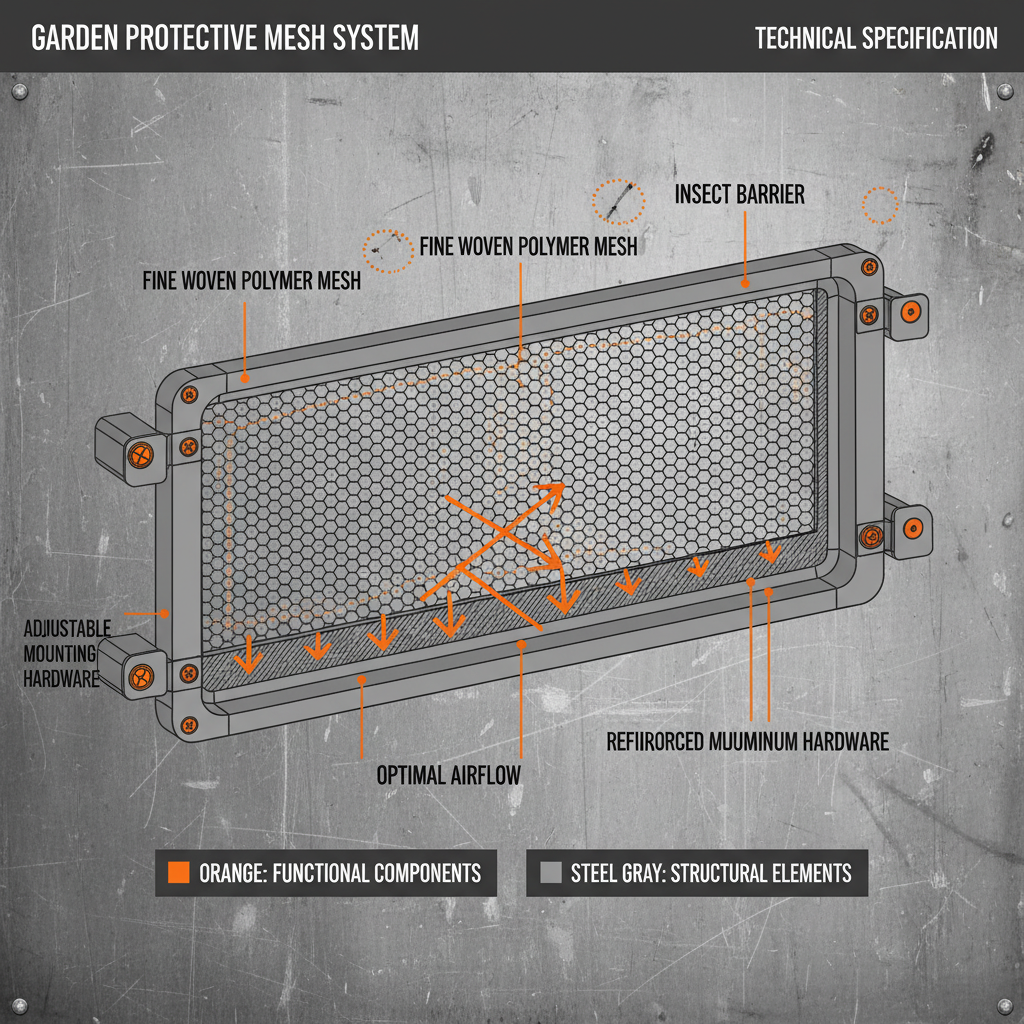
We're looking at things like powder-coated aluminum frames – that stuff is tough. And the mesh itself? Fiberglass is good, but the really high-end stuff uses PVC-coated polyester. It's more resistant to tears and UV damage. It's an upfront investment, sure, but it'll save you money in the long run. Because replacing a flimsy net every year adds up fast.
Understanding porch bug net Materials and Construction
It's not just about the materials, it's how they're put together. I’ve seen nets where the mesh is just stapled on – that’s a recipe for disaster. You want something that's properly woven or secured with a robust track system. That’s what gives it strength and longevity. The track systems are a bit more expensive to install, but trust me, it’s worth it. They allow for easier repairs and replacements if needed.
The weave of the mesh matters too. A tighter weave keeps out smaller insects – no one wants gnats buzzing around. But you also need to consider airflow. A super-tight weave can block too much breeze, making your porch stuffy. It’s a balancing act. And the frame construction is critical. Are the joints welded properly? Is the aluminum thick enough to handle the wind loads in your area? These are the details that separate a good product from a bad one.
And don’t underestimate the hardware. Stainless steel screws and hinges are a must. Anything else will rust and corrode, and you’ll be dealing with loose parts and a sagging net before you know it. I’ve seen too many projects cut corners on the hardware, and it always comes back to haunt them.
Installation Best Practices for Long-Lasting Protection
Installation is everything. A top-quality porch bug net can fail if it’s not installed correctly. Proper anchoring is key. You need to secure the frame to solid structural members – not just the porch flooring. That means finding the joists and using lag screws or bolts.
I always recommend hiring a professional for installation. They have the tools and experience to do the job right. And they’ll know how to properly tension the mesh to prevent sagging. It’s not as simple as just stretching it and stapling it in place. It requires a bit of finesse to get it looking right and functioning properly. I’ve seen guys try to DIY this and end up with a mess.
Proper flashing around the frame is also crucial to prevent water damage. You don't want water getting behind the frame and causing rot or corrosion. It's a small detail, but it can save you a lot of headaches down the road. And make sure the net is properly sealed – no gaps or tears where bugs can get in.
Evaluating the Cost-Effectiveness of porch bug net Solutions
People always ask about cost. But you gotta look at the total cost of ownership. A cheaper net that needs replacing every year is ultimately more expensive than a higher-quality net that lasts for ten years. I’ve seen it time and time again.
And don’t forget to factor in the cost of your time. How much is your time worth? If you’re constantly repairing or replacing a flimsy net, that’s time you’re not spending enjoying your porch. A durable, well-installed porch bug net is an investment in your leisure time.
Cost Comparison of Different porch bug net Systems
Global Applications and Regional Variations in porch bug net Use
You see different needs depending on the climate. Down South, you need something that can handle humidity and intense sun. Out West, you’re dealing with dry heat and potential wildfires – so flame-retardant materials are important. Up North, it’s about withstanding snow loads and freezing temperatures.
Even the types of bugs vary regionally. In Florida, you're battling no-see-ums, which require a super-fine mesh. In other areas, mosquitoes are the main concern, and a standard mesh will suffice. It all comes down to understanding the local environment and choosing the right materials.
The Long-Term Benefits of Investing in a Quality porch bug net
It’s about enjoying your home. It's about being able to sit on your porch on a warm summer evening without being swarmed by bugs. It's about increasing your property value. A screened-in porch is a desirable feature for many homebuyers.
And it's about peace of mind. Knowing that you and your family are protected from biting insects. It’s a small investment that can make a big difference in your quality of life. Trust me, after twenty years in this business, I’ve seen firsthand the value of a well-built, properly installed porch bug net.
It’s not just about keeping bugs out; it’s about creating a usable outdoor space that you can enjoy for years to come. That's a pretty good return on investment, if you ask me.
Future Trends and Innovations in porch bug net Technology
We’re starting to see some interesting innovations. Self-healing mesh is on the horizon – materials that can repair small tears automatically. Smart nets with integrated sensors that can detect when bugs are present and automatically activate a repellent system.
And there's a growing demand for more sustainable materials. Recycled plastics and biodegradable mesh are becoming more common. People are becoming more environmentally conscious, and they want products that reflect their values.
I also think we’ll see more customization options. Nets that can be tailored to specific porch sizes and shapes. And more sophisticated designs that blend seamlessly with the architecture of the home. The future of porch bug net is looking pretty bright.
Summary of Key Considerations for porch bug net Selection
| Material Quality |
Installation Complexity |
Regional Climate Suitability |
Long-Term Maintenance |
| Excellent (Aluminum frame, PVC-coated polyester mesh) |
Moderate (Requires professional installation for optimal results) |
High (Suitable for a wide range of climates with appropriate material selection) |
Low (Minimal maintenance required with durable materials) |
| Good (Fiberglass mesh, Steel frame) |
Easy (Can be DIY installed with basic tools) |
Moderate (May require additional protection in harsh climates) |
Moderate (Periodic cleaning and potential for minor repairs) |
| Fair (Plastic mesh, Wood frame) |
Very Easy (Minimal tools required) |
Low (Not suitable for extreme climates) |
High (Frequent maintenance and potential for replacement) |
| Excellent (Self-healing mesh materials) |
Moderate (May require specialized installation techniques) |
High (Highly adaptable to various climatic conditions) |
Very Low (Minimal maintenance due to self-repairing properties) |
| Good (Recycled Plastic mesh, Aluminum Frame) |
Moderate (Professional installation recommended for structural integrity) |
Moderate (Suitable for most climates with proper care) |
Low (Easy to clean and maintain, environmentally friendly) |
| Fair (Low-grade Polyester mesh, Wooden Frame) |
Easy (Simple DIY installation) |
Low (Not ideal for harsh weather conditions) |
High (Requires regular maintenance and is prone to damage) |
FAQS
A quality porch bug net, with a durable frame and mesh, should last anywhere from 5 to 10 years, or even longer with minimal maintenance. Proper installation is key, and choosing materials suited to your climate will extend its lifespan significantly. We’ve seen some installations still going strong after fifteen years, but that's the exception, not the rule.
Regular cleaning is important. I recommend using a mild soap and water solution, applied with a soft brush or sponge. Avoid using harsh chemicals or pressure washers, as these can damage the mesh. Gently scrub the mesh to remove dirt and debris, then rinse thoroughly with clean water. Allow it to air dry completely before retracting or storing it.
It can be, but it requires more work. Uneven surfaces need to be leveled or shimmed to ensure a proper fit and prevent gaps. A professional installer will be able to assess the situation and determine the best approach. Trying to force a net onto an uneven surface will lead to problems down the road.
Fiberglass is more affordable and offers good visibility, but it's less durable than polyester. Polyester mesh, especially when PVC-coated, is stronger, more resistant to tearing and UV damage, and provides better long-term value. It's a bit more expensive upfront, but it'll save you money in the long run.
That varies depending on your location. Some municipalities require permits for any structural modifications, even something as seemingly simple as a porch bug net installation. It’s always best to check with your local building department before starting any work to ensure you’re in compliance.
Small tears can often be repaired with a patch kit specifically designed for screen repair. Clean the area around the tear, apply the adhesive patch, and smooth it out. For larger tears, it may be necessary to replace the entire mesh panel. It's a good idea to keep a patch kit on hand for quick fixes.
Conclusion
Ultimately, a porch bug net isn’t just about keeping bugs out. It’s about extending your living space, increasing your home’s value, and enjoying your outdoor time without the annoyance of insects. It’s about investing in quality, durability, and peace of mind. Don't skimp on materials or installation – it’ll cost you more in the long run.
Looking ahead, we’ll see even more innovations in materials and design. Smart nets, self-healing mesh, and sustainable options will become increasingly common. And as more people prioritize outdoor living, the demand for high-quality porch bug nets will continue to grow. Visit our website at www.yjwiremesh.com to explore our range of solutions and find the perfect porch bug net for your needs.