Butterfly proof netting, a crucial component in modern agricultural and horticultural practices, is gaining significant importance globally. Its role extends beyond simply protecting crops; it’s becoming integral to sustainable farming, reducing pesticide use, and ensuring food security in a changing climate. Understanding the nuances of butterfly proof netting—its materials, installation, and applications—is paramount for farmers, growers, and researchers alike.
The demand for high-quality netting is driven by increasing concerns regarding pest control and the need for environmentally friendly agricultural solutions. Globally, the agricultural sector faces challenges from invasive insect species and the escalating costs associated with traditional pest management. Butterfly proof netting offers a viable, cost-effective, and sustainable alternative, reducing reliance on harmful chemicals and promoting healthier produce. This is particularly relevant in regions with stringent regulations on pesticide use.
The versatility of butterfly proof netting is a major driver of its adoption. From large-scale commercial farms to small-scale home gardens, this technology offers a practical solution for protecting vulnerable crops. As awareness of the benefits of organic and sustainable agriculture grows, so too will the demand for effective tools like butterfly proof netting, solidifying its role in the future of food production.
Introduction to Butterfly Proof Netting
Butterfly proof netting represents a significant advancement in crop protection, moving away from broad-spectrum pesticides towards targeted and sustainable solutions. These nets are designed with a specific mesh size that physically prevents butterflies and other unwanted insects from reaching crops, protecting them from damage and reducing the need for chemical intervention. This proactive approach safeguards yields and promotes healthier produce.
The implementation of butterfly proof netting isn't merely about pest control; it's about building resilient agricultural systems. By reducing the reliance on pesticides, it supports biodiversity, protects beneficial insects, and contributes to a more sustainable food chain. This shift aligns with the growing consumer demand for organically grown and environmentally responsible produce, giving growers a competitive advantage in the marketplace.
Defining Butterfly Proof Netting
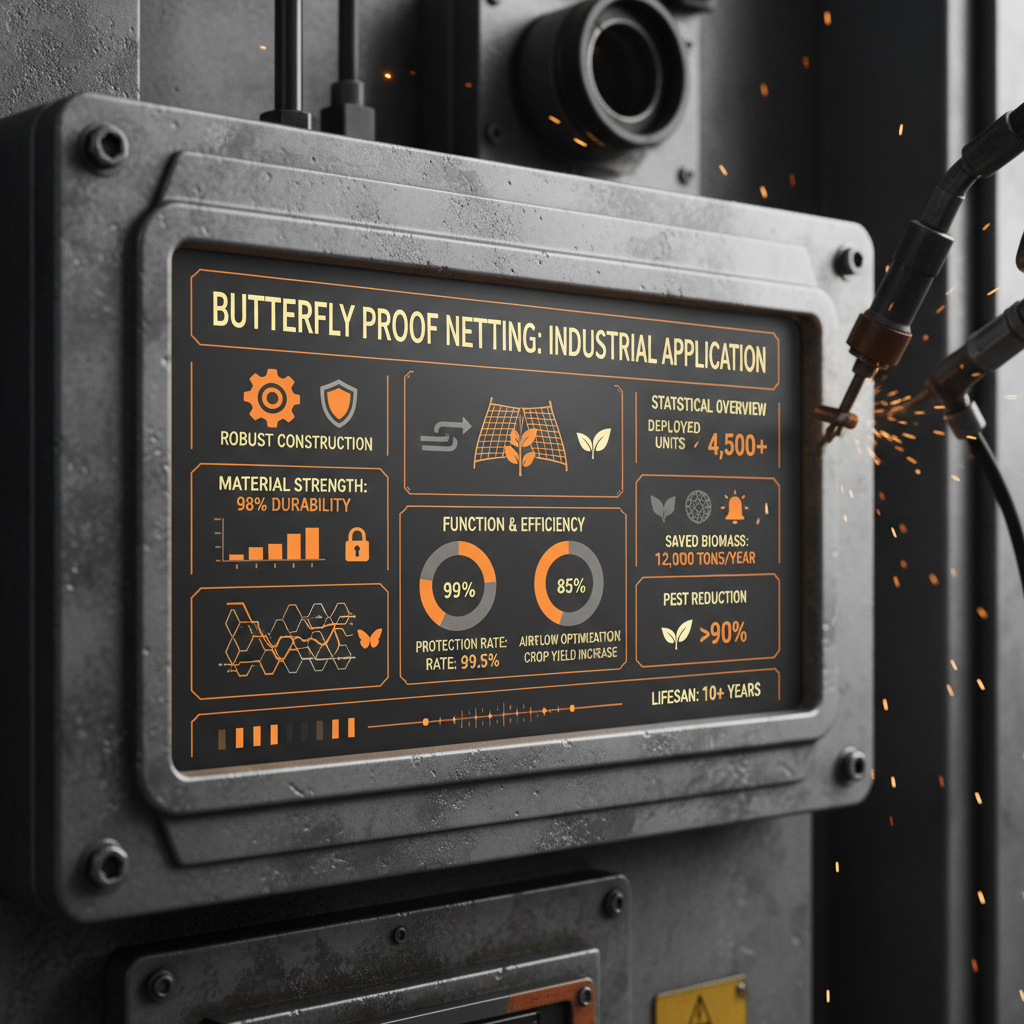
Butterfly proof netting, at its core, is a finely woven barrier designed to exclude butterflies, moths, and other flying insects from accessing crops. It is typically constructed from polyethylene (PE) or polypropylene (PP) materials, chosen for their durability, UV resistance, and affordability. The defining characteristic is the mesh size – generally between 0.8mm and 1.5mm – which is small enough to prevent most pest butterflies from entering while allowing adequate sunlight, air circulation, and water penetration.
This technology connects directly to the modern need for sustainable agriculture. As concerns about pesticide resistance, environmental impact, and food safety increase, butterfly proof netting provides a practical and effective alternative. It's increasingly seen as an essential tool for organic farming, integrated pest management (IPM) programs, and growers aiming to meet the demands of a health-conscious consumer base.
Beyond agriculture, butterfly proof netting finds applications in horticulture, nurseries, and even in preventing insect infestations in sensitive areas like greenhouses and fruit orchards. The principle remains consistent: a physical barrier designed to protect valuable plants and crops from damaging insects, offering a long-term, environmentally sound solution.
Core Components of Effective Netting
The efficacy of butterfly proof netting isn’t solely determined by its mesh size. Several key components contribute to its overall performance and longevity. Firstly, the material composition is vital; high-density polyethylene (HDPE) offers superior UV stability and tear resistance compared to standard PE. Secondly, the knitting or weaving pattern influences the netting's strength and ability to withstand wind and weather conditions. A tighter, more uniform weave results in a more robust and durable barrier.
Another critical factor is the netting’s denier, a unit of measurement that indicates the thickness of the fibers. A higher denier typically signifies greater strength and durability. Finally, the quality of the edging and reinforcement is crucial for preventing fraying and ensuring the netting remains intact over time. Proper installation techniques, including secure anchoring and tensioning, are equally important to maximize its effectiveness and prevent insect breaches.
These components work in synergy. A net with a fine mesh but weak material will quickly degrade, rendering it ineffective. Similarly, even the strongest netting will fail if improperly installed or maintained. Understanding these factors is essential for selecting the right netting for specific applications and ensuring its long-term performance.
Key Performance Indicators for Butterfly Proof Netting
Evaluating the performance of butterfly proof netting requires considering several key indicators. One critical factor is the mesh size consistency, ensuring uniformity across the entire net to prevent gaps where insects can enter. Another important metric is UV resistance, measured by the netting's ability to retain its strength and integrity after prolonged exposure to sunlight. This is often tested using accelerated weathering techniques.
The tensile strength of the material is also crucial, indicating its ability to withstand wind and physical stress. Furthermore, the air permeability should be considered, as excessive restriction can lead to humidity build-up and fungal growth. Finally, cost-effectiveness, taking into account both initial investment and long-term durability, plays a significant role in assessing overall value.
Comparative Performance of Butterfly Proof Netting Materials
Global Applications and Use Cases
The application of butterfly proof netting is remarkably diverse, spanning across various geographic locations and agricultural sectors. In Southeast Asia, it’s widely used in fruit orchards—particularly mango and papaya—to protect against fruit fly infestations, significantly reducing crop losses. Similarly, in Mediterranean regions, vineyards utilize netting to safeguard grapes from bird damage and insect pests, ensuring higher yields and quality.
In post-disaster relief operations, netting can quickly provide temporary protection for vulnerable crops, enabling communities to recover faster. In remote industrial zones, it can also shield sensitive equipment or materials from insect-related damage. Furthermore, butterfly proof netting is becoming increasingly popular in urban farming initiatives, providing a sustainable solution for growing produce in limited spaces.
Advantages and Long-Term Value
The advantages of employing butterfly proof netting extend beyond immediate pest control. The most tangible benefit is the reduction in pesticide usage, leading to cost savings for growers and a healthier environment for consumers. This translates to lower production costs and the ability to market produce as "pesticide-free" or "organic," commanding premium prices in the marketplace. Moreover, the netting’s durability—when made from high-quality materials—provides a long-term return on investment, minimizing replacement costs.
The long-term value also encompasses enhanced sustainability. By protecting crops naturally, butterfly proof netting contributes to biodiversity, reduces soil contamination, and promotes a more resilient agricultural ecosystem. It fosters trust with consumers who are increasingly demanding environmentally responsible practices, bolstering a grower’s brand reputation and market share. The increased yield and crop quality directly impact profitability, making butterfly proof netting a smart and sustainable investment.
Future Trends and Innovations
The future of butterfly proof netting is poised for exciting innovations. Research is underway to develop biodegradable netting materials, reducing the environmental impact at the end of their life cycle. Smart netting systems, incorporating sensors to monitor insect activity and adjust protection levels accordingly, are also gaining traction. These systems utilize data analytics to optimize netting deployment and maximize effectiveness.
The integration of nanotechnology promises to enhance the netting’s UV resistance and strength while reducing its weight and cost. Furthermore, advancements in automated installation techniques—using drones or robotic systems—will streamline the process, making it more efficient and accessible to a wider range of growers. These developments will solidify butterfly proof netting’s position as a cornerstone of sustainable agriculture and horticultural practices.
These trends align with broader movements towards green energy, digital transformation, and automation within the agricultural sector, signaling a future where technology and sustainability converge to ensure food security and environmental stewardship.
FAQS
The lifespan of butterfly proof netting varies based on material quality, UV exposure, and maintenance. However, high-quality HDPE netting can typically last 3-5 years with proper care. Regular inspections for tears and timely repairs are crucial for maximizing its longevity. Choosing a netting with a higher denier and UV stabilizer will also extend its useful life.
Butterfly proof netting is designed to allow sufficient sunlight and ventilation to reach crops. While it does reduce light intensity slightly, the reduction is generally minimal and doesn’t significantly impact plant growth. The open mesh structure also ensures adequate air circulation, preventing humidity buildup and reducing the risk of fungal diseases. Choosing a netting with the appropriate mesh size and density is important for optimizing light and ventilation levels.
Butterfly proof netting is versatile and can be used for a wide range of crops, including fruits, vegetables, and ornamental plants. However, the specific mesh size should be selected based on the target pests and the crop's growth requirements. For example, smaller mesh sizes are needed to exclude smaller insects, while larger mesh sizes may be sufficient for protecting against larger butterflies and moths.
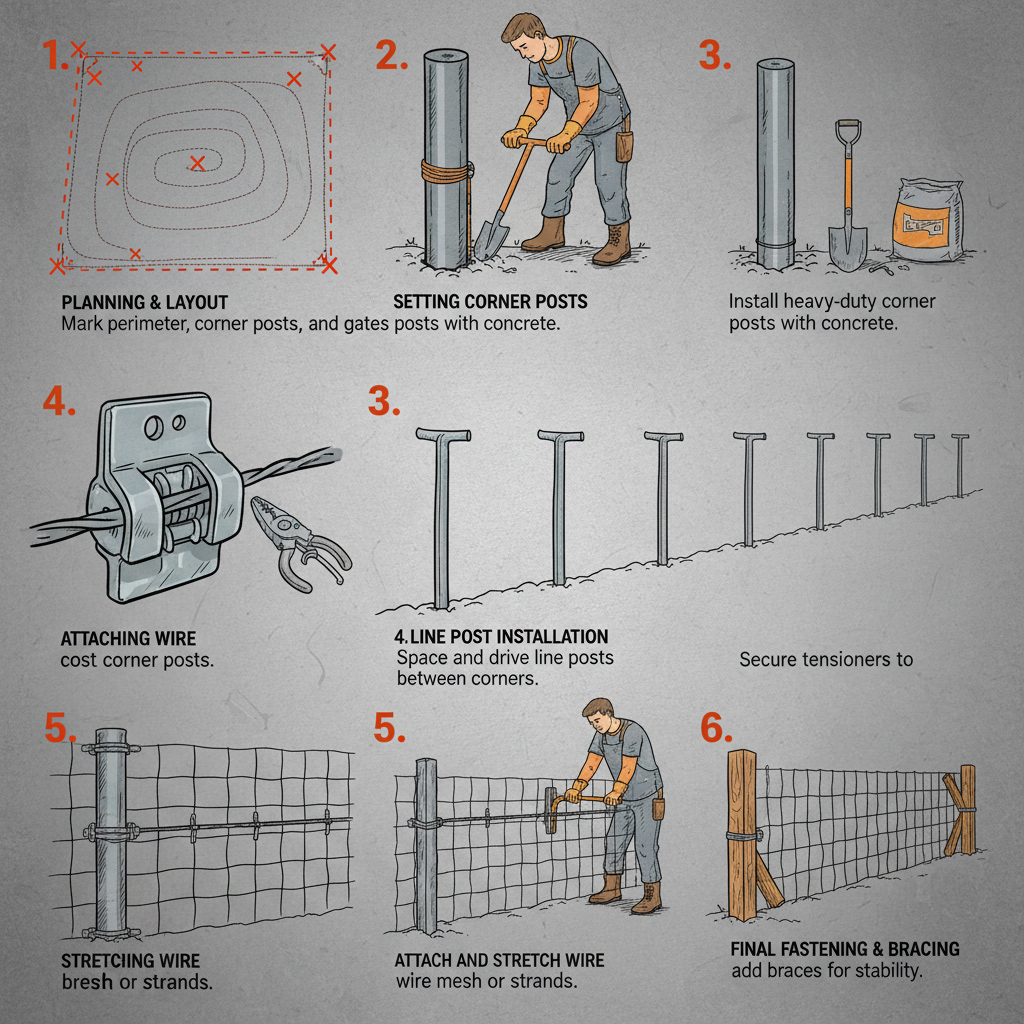
Proper installation is crucial for maximizing the effectiveness of butterfly proof netting. The netting should be securely anchored to the ground or supporting structures using clips, pegs, or ropes. Ensure the netting is taut and free of wrinkles or gaps. Overlap the edges of the netting to prevent insects from entering. Regular inspections and maintenance are also important to address any tears or damage.
Yes, butterfly proof netting is a significantly more environmentally friendly option compared to traditional pesticide applications. It reduces or eliminates the need for harmful chemicals, protecting beneficial insects, pollinators, and the overall ecosystem. While the netting itself is typically made from plastic, the long lifespan and reduced chemical usage contribute to a lower environmental footprint. Biodegradable netting options are also emerging.
The initial investment in butterfly proof netting can be higher than some traditional pest control methods. However, when considering the long-term benefits—reduced pesticide costs, increased yields, and improved crop quality—it often proves to be a more cost-effective solution. Furthermore, the environmental and health benefits associated with reduced pesticide use add significant value.
Conclusion
Butterfly proof netting represents a transformative approach to crop protection, offering a sustainable, cost-effective, and environmentally responsible alternative to traditional pesticide-based methods. Its versatility, coupled with ongoing innovations in materials and installation techniques, positions it as a cornerstone of modern agriculture and horticulture.
Looking ahead, the continued development of biodegradable materials, smart netting systems, and automated installation processes will further enhance its appeal and accessibility. By embracing butterfly proof netting, growers can safeguard their crops, protect the environment, and contribute to a more sustainable food system, ensuring food security for generations to come. Visit our website: butterfly proof netting for more information.