Butterfly proof garden netting represents a vital component in modern agricultural protection, extending beyond simple crop safeguarding to encompass broader ecological benefits. Globally, the demand for effective pest control solutions is soaring, driven by increasing populations, climate change impacting crop yields, and a growing consumer preference for pesticide-free produce. This demand fuels innovation in netting technologies, creating a multi-billion dollar industry that directly impacts food security and economic stability in numerous regions. Understanding the nuances of butterfly proof garden netting – from material science to application techniques – is crucial for both commercial farmers and home gardeners alike.
The significance of butterfly proof garden netting is amplified by the worldwide push for sustainable agriculture. Traditional pest control methods often rely on harmful chemicals that negatively impact biodiversity and human health. Netting offers a physical barrier, minimizing the need for these chemicals and promoting a more environmentally friendly approach. According to the UN's Food and Agriculture Organization (FAO), integrated pest management, which often includes physical barriers like netting, is key to achieving sustainable food production goals. The ease of implementation and relatively low cost of butterfly proof garden netting make it an accessible solution for a wide range of agricultural settings.
Moreover, the rise of urban farming and home gardening has further broadened the market for butterfly proof garden netting. Individuals are increasingly interested in growing their own food, but often lack the expertise or resources for complex pest control strategies. Butterfly proof garden netting provides a simple, effective, and aesthetically pleasing solution for protecting their gardens from damaging insects, contributing to local food systems and promoting healthy lifestyles. This growing trend positions butterfly proof garden netting as not just an agricultural tool, but a household necessity.
Introduction: Global Relevance of butterfly proof garden netting
The increasing global focus on sustainable agricultural practices is driving demand for innovative pest control solutions, and butterfly proof garden netting stands out as a key component. From small-scale home gardens to large commercial farms, the need to protect crops from insect damage is universal. Regions particularly vulnerable to pest infestations, such as parts of Africa and Asia, are seeing increased adoption of netting as a cost-effective and environmentally friendly alternative to chemical pesticides.
Consider the impact on the horticultural industry. Delicate fruits and vegetables, such as berries and leafy greens, are especially susceptible to insect damage. Butterfly proof garden netting allows growers to maintain high yields and quality, meeting the demands of both domestic and international markets. Furthermore, the implementation of stringent food safety regulations in many countries is pushing farmers to adopt more sustainable and chemical-free production methods, further accelerating the growth of the netting market.
Defining butterfly proof garden netting
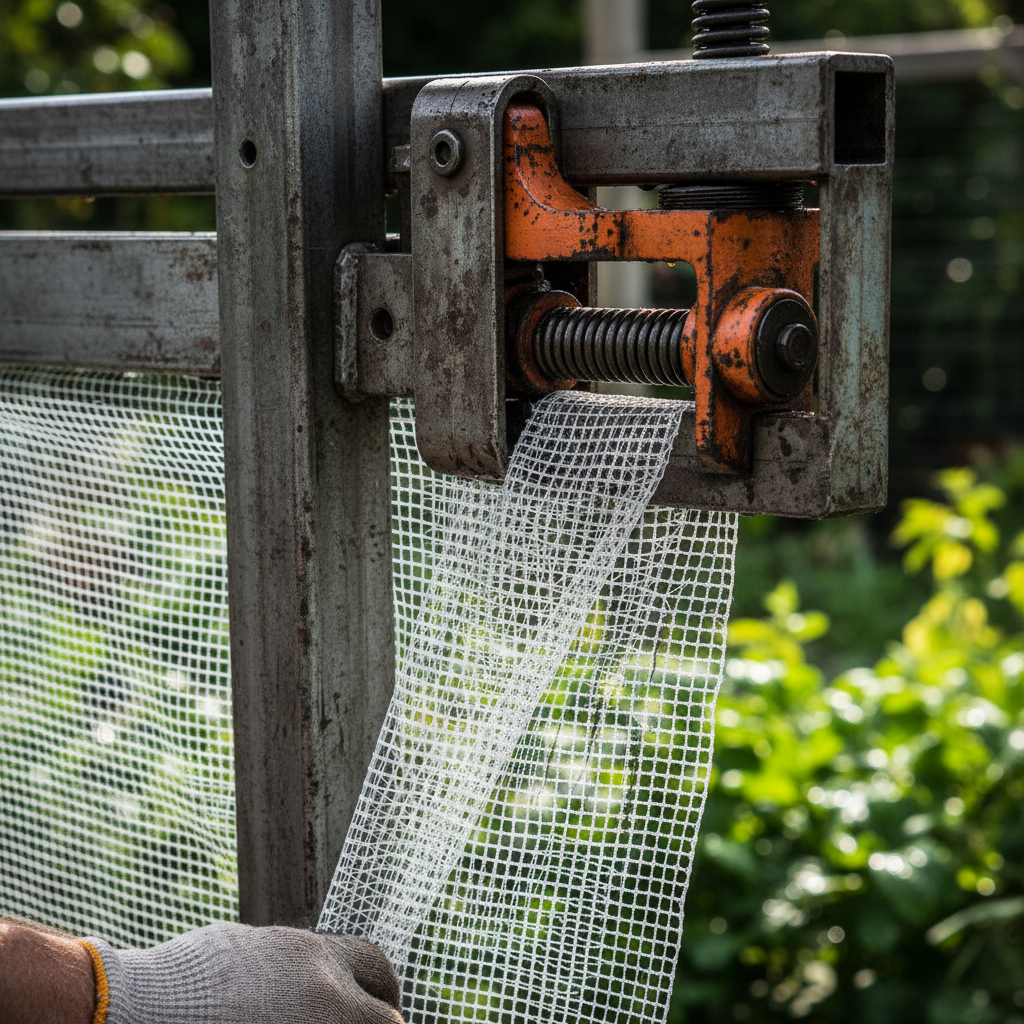
Butterfly proof garden netting, at its core, is a finely woven mesh designed to create a physical barrier against insects, specifically butterflies and moths in their adult and larval stages. Unlike traditional netting, it boasts a very small mesh size—typically less than 1mm—that prevents even the smallest insects from accessing plants. This is crucial, as many pests begin their lifecycle as tiny larvae that can inflict significant damage before becoming visible to the naked eye.
Its connection to modern industry lies in the continuous development of materials and manufacturing processes. Early netting was often made from coarser materials like cotton or jute, which lacked the durability and effectiveness required for large-scale agricultural use. Today, butterfly proof garden netting is primarily produced from high-density polyethylene (HDPE) or polypropylene, offering superior strength, UV resistance, and longevity.
This technological advancement bridges the gap between traditional gardening practices and the demands of modern, intensive agriculture, offering a sustainable and effective pest control solution aligned with humanitarian needs for food security.
Key Components of Effective butterfly proof garden netting
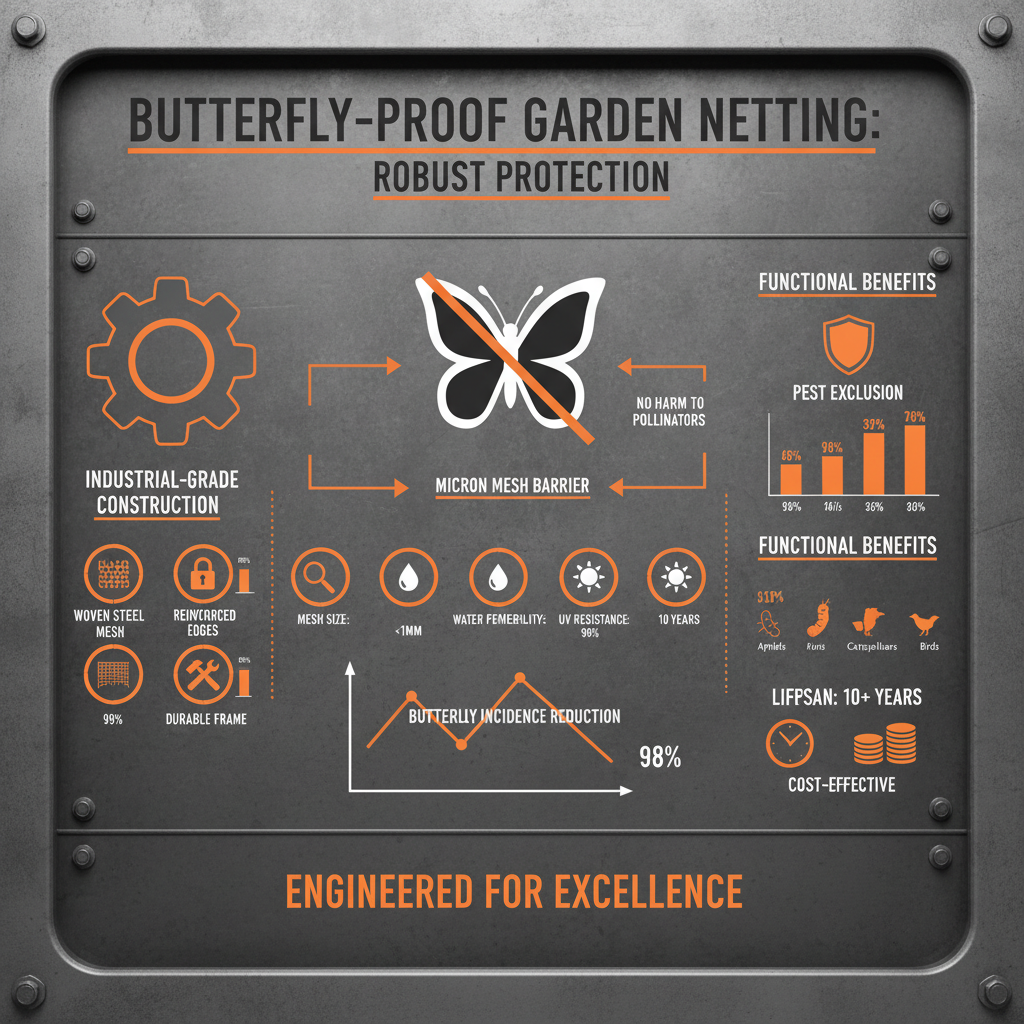
Several key factors determine the effectiveness and longevity of butterfly proof garden netting. Firstly, Mesh Size is paramount. The smaller the mesh, the better the protection against a wider range of pests. Secondly, Material Quality is vital; HDPE and polypropylene are favored for their strength and UV resistance, preventing degradation from sunlight exposure.
Thirdly, Durability, measured by tensile strength and tear resistance, ensures the netting can withstand wind, rain, and physical handling. Fourthly, UV Stabilization is essential to prevent the netting from becoming brittle and breaking down over time. Finally, Weight and Weave Density impact the netting's ability to drape effectively and conform to plant shapes.
These components directly translate to practical applications. A netting with a larger mesh might be suitable for protecting larger plants from butterflies, but will offer little defense against smaller insects like aphids. Similarly, a low-quality material will require frequent replacement, negating any cost savings. Understanding these aspects allows growers to select the appropriate netting for their specific needs and optimize its performance. A well-chosen netting can represent a significant investment in crop protection, minimizing losses and maximizing yields. Furthermore, a durable netting reduces waste, contributing to a more sustainable agricultural system.
Proper installation and maintenance are also critical components. The netting should be securely fastened to a frame or support structure to prevent pests from entering through gaps. Regular inspection for tears or damage is essential, and any repairs should be made promptly. Effective butterfly proof garden netting isn't simply a product; it’s a system encompassing material selection, installation, and ongoing care.
Practical Applications Across Industries
Butterfly proof garden netting finds diverse applications beyond traditional agriculture. In the Horticultural Industry, it’s used extensively to protect high-value crops like berries, grapes, and stone fruits from pest damage, ensuring premium quality produce. In Organic Farming, it’s a cornerstone of pest management strategies, eliminating the need for synthetic pesticides and meeting organic certification requirements.
The Forestry Sector utilizes netting to protect young trees from defoliating insects, promoting healthy growth and maximizing timber yields. Furthermore, in Nurseries and Greenhouses, butterfly proof garden netting creates a controlled environment, shielding delicate seedlings and plants from pest infestations and harsh weather conditions. Even in Home Gardening, it’s gaining popularity as an easy-to-use solution for protecting vegetables, herbs, and flowers from unwanted insects.
Comparative Effectiveness of butterfly proof garden netting Methods
Advantages and Long-Term Value Proposition
The advantages of utilizing butterfly proof garden netting are multifaceted, extending beyond immediate pest control. Firstly, Cost-Effectiveness is significant. Compared to the recurring costs of chemical pesticides, netting represents a one-time investment that provides long-term protection. Secondly, Sustainability is a key benefit, as it minimizes environmental impact and promotes biodiversity.
Thirdly, Improved Crop Quality translates to higher market value and increased profitability. Fourthly, Reduced Labor Costs are realized by minimizing the need for frequent pesticide applications.
Future Trends in butterfly proof garden netting
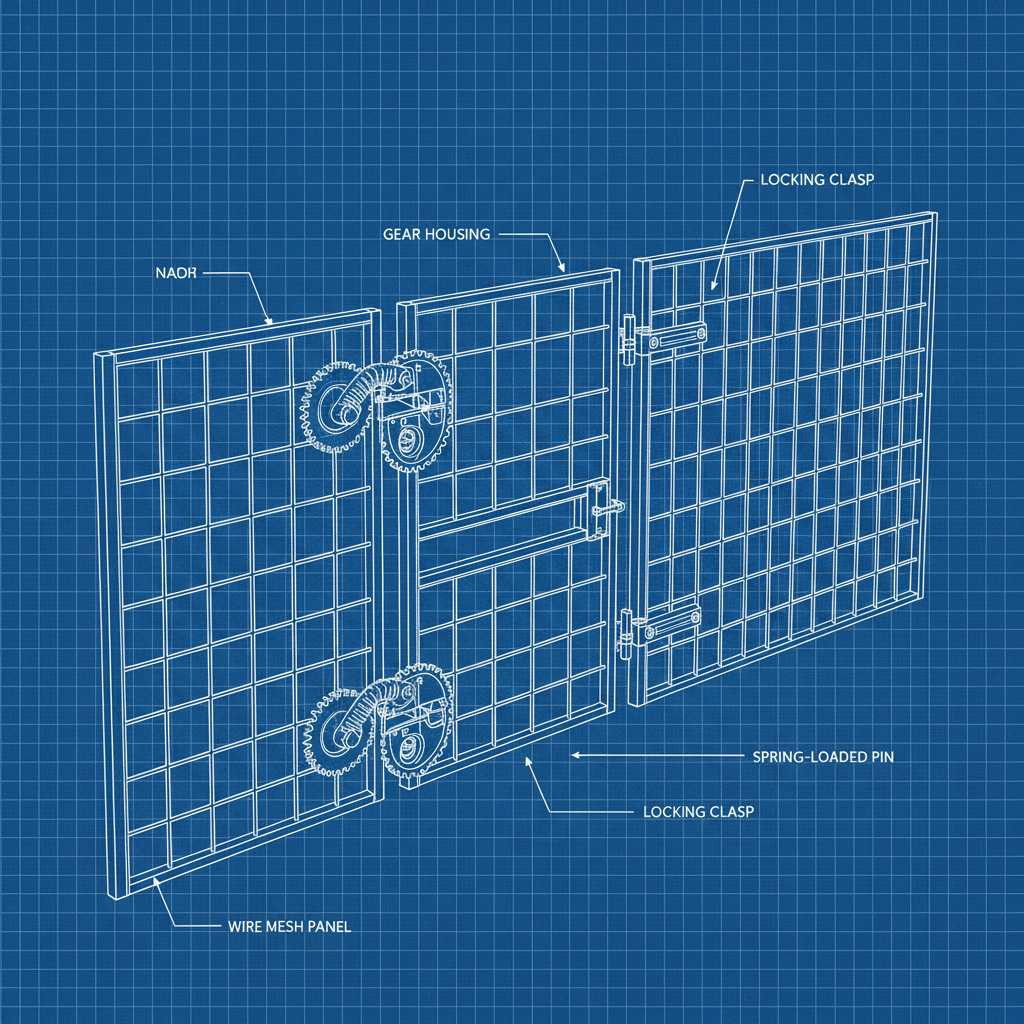
The future of butterfly proof garden netting lies in several key areas. We're seeing increased development of Biodegradable Netting Materials, addressing concerns about plastic waste and promoting a circular economy. Simultaneously, Smart Netting Systems, integrating sensors and automated deployment mechanisms, are emerging, offering optimized pest control and reduced labor requirements.
Nanotechnology is also playing a role, with researchers exploring the potential of incorporating nano-coatings into netting to enhance its UV resistance and durability. Moreover, Integration with Precision Agriculture Techniques, such as drone monitoring and data analytics, will allow for targeted application of netting based on real-time pest pressure assessments.
Challenges and Innovative Solutions
Despite its benefits, butterfly proof garden netting faces certain challenges. High Initial Investment can be a barrier for small-scale farmers. Installation and Maintenance can be labor-intensive, particularly for large areas. Furthermore, Potential for Entanglement of Beneficial Insects exists if the netting isn't properly managed.
Innovative solutions are addressing these issues. Subsidized Netting Programs can help make it more accessible to smallholders. Automated Installation Systems are reducing labor costs. And Netting Designs that Minimize Bycatch, through wider mesh sizes or specific weave patterns, are protecting beneficial insects.
Summary of Challenges and Solutions Regarding butterfly proof garden netting Implementation
| Challenge |
Severity (1-10) |
Potential Solution |
Implementation Cost (USD) |
| High Initial Investment |
8 |
Subsidized Government Programs |
500 - 5000 |
| Labor-Intensive Installation |
7 |
Automated Installation Machinery |
2000 - 10000 |
| Entanglement of Beneficial Insects |
6 |
Modified Netting with Wider Mesh |
100 - 300 |
| Netting Degradation (UV Exposure) |
9 |
UV-Stabilized Netting Materials |
50 - 150 |
| Limited Scalability for Large Farms |
5 |
Drone-Assisted Netting Deployment |
10000 - 50000 |
| Maintenance & Repair Requirements |
7 |
Durable, High-Quality Netting Materials |
200-500 |
FAQS
The lifespan of butterfly proof garden netting typically ranges from 3 to 5 years, depending on the quality of the material (HDPE or polypropylene) and the intensity of UV exposure. Higher-quality netting with added UV stabilizers will last longer. Regular inspection and prompt repair of any tears or damage are crucial for maximizing its longevity. Exposure to extreme weather conditions, such as prolonged sunlight or harsh winds, can shorten the lifespan.
Butterfly proof garden netting can potentially limit access for some pollinators, but it’s designed to allow smaller beneficial insects like bees to pass through. Careful consideration of mesh size is essential; a finer mesh will exclude more insects, while a coarser mesh will allow greater pollinator access. Opening sections of the netting during peak pollination times or utilizing strategically placed pollinator-friendly plants nearby can mitigate any negative impacts on the pollination process.
Yes, butterfly proof garden netting is generally considered a more sustainable alternative to chemical pesticides. It offers a physical barrier to pests without introducing harmful chemicals into the environment. However, the sustainability of the netting itself depends on the material used. Choosing netting made from recycled materials or biodegradable alternatives further enhances its environmental benefits. While the production of synthetic netting has an environmental footprint, it’s significantly lower than the cumulative impact of repeated pesticide applications.
A mesh size of 0.8mm to 1.0mm is generally considered the most effective for protecting against a broad spectrum of garden pests, including butterflies, moths, aphids, whiteflies, and many other small insects. This size provides a good balance between pest exclusion and airflow. For specific pests, a finer mesh may be necessary, but it’s important to consider the potential impact on beneficial insects and pollination.
Proper installation is crucial for effectiveness. Start by creating a sturdy frame or using existing structures to support the netting. Ensure the netting is taut and securely fastened to the frame using clips, ties, or pegs. Bury the edges of the netting in the soil to prevent pests from crawling underneath. Regularly inspect the netting for tears or gaps and repair them promptly. A well-secured netting will provide a more effective barrier against pests.
Yes, butterfly proof garden netting can absolutely be reused for multiple growing seasons, provided it's properly stored when not in use. After each season, thoroughly clean the netting to remove any debris or pests. Store it in a dry, dark location to prevent UV degradation. Inspect the netting for tears or damage before each use and make any necessary repairs. With proper care, a high-quality netting can provide several years of reliable protection.
Conclusion
Butterfly proof garden netting stands as a powerful and versatile tool in modern agricultural and horticultural practices. Its ability to provide effective pest control while minimizing reliance on harmful chemicals, coupled with its cost-effectiveness and ease of use, makes it an invaluable asset for both commercial growers and home gardeners. From protecting delicate crops to promoting sustainable farming practices, the benefits are undeniable.
Looking ahead, ongoing innovation in materials, installation techniques, and integration with precision agriculture technologies will further enhance the effectiveness and sustainability of butterfly proof garden netting. By embracing these advancements, we can unlock its full potential and contribute to a more secure and environmentally friendly food system. For high-quality butterfly proof garden netting solutions, visit our website: butterfly proof garden netting.