0%

Table of Contents

Look, after running around construction sites all year, you start to notice things. It’s not about fancy specs, it’s about what actually works when your hands are covered in dust and the foreman’s breathing down your neck. Lately, everyone's talking about prefabrication, modular builds… basically, getting stuff done off-site. It’s supposed to be faster, cheaper, more consistent. To be honest, it's a mixed bag. You cut down on waste, sure, but getting logistics right? That’s a whole other headache.

And the designs… oh boy. Have you noticed how engineers love to overcomplicate things? They’ll design a bracket with seven bends and a weird coating, thinking it's optimized for strength. But then you try to actually build it, and it's a nightmare. Simple is always better. Always. I encountered this at a factory in Foshan last time, they were trying to manufacture this incredibly intricate support beam… took them three tries to get it right, and even then it looked fragile.

We're doing a lot with galvanized steel these days, which is good. It's tough, resists corrosion. You can smell it, that metallic tang. It’s heavy though, really heavy. And the edges can be sharp. We've been experimenting with some polymer composites too, which are lighter but… they just don’t feel as solid, you know? There's a certain confidence you get with steel, a heft that tells you it'll hold.
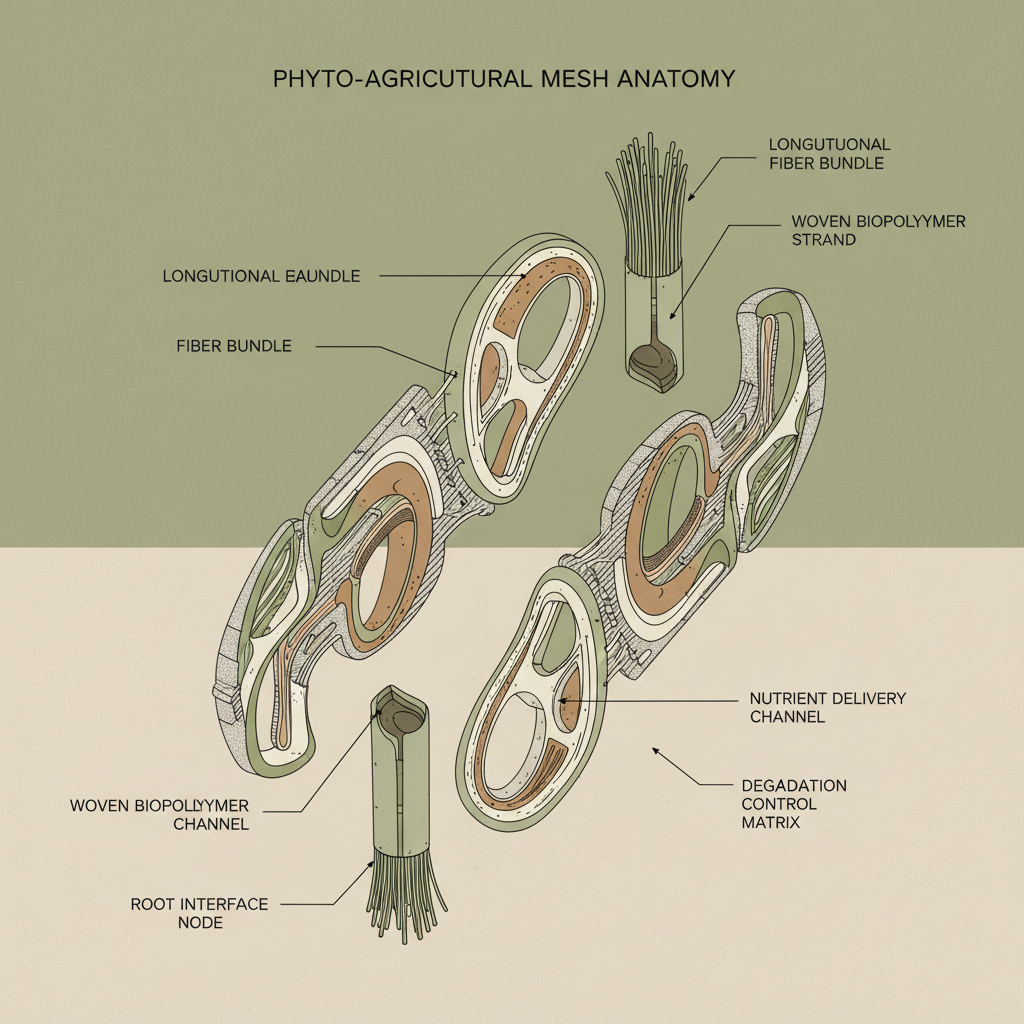
Navigating Construction Challenges with Agricultural Mesh and Modern Materials

The Shift Towards Prefabrication

Navigating Construction Challenges with Agricultural Mesh and Modern Materials

Honestly, prefabrication is the biggest thing happening right now. Everyone wants faster turnaround, less on-site disruption. It makes sense. But it's also a logistical beast. Getting materials to the right place, at the right time, in the right order… it's a constant battle. Strangely, the biggest delays aren't usually the manufacturing, it's always the transportation.

We've seen a huge increase in demand for lightweight, high-strength materials that can be easily transported and assembled. That’s driven a lot of innovation, but it also means we’re constantly testing new things.

Design Pitfalls: Complexity vs. Practicality

I swear, some of these designers have never actually held a wrench. They'll come up with something that looks amazing on paper, but it's impossible to build efficiently. I've seen supports that require three different specialized tools to install. Who has time for that? Anyway, I think a good design is one you barely notice – it just works.

We’re constantly pushing back on overly complex designs, trying to simplify things. It’s a constant negotiation between aesthetics, engineering requirements, and, frankly, common sense.

And don’t even get me started on tolerances. They specify things to the millimeter, but on a construction site, you’re dealing with uneven ground, wind, and guys who aren't always precise. You need some wiggle room.

Material Choices: Steel, Polymers, and the 'Feel' of Quality

Steel is the workhorse, always has been. It’s reliable, strong, and relatively affordable. You can beat it, weld it, bend it… it just holds up. But it’s heavy and it rusts. We spend a lot of time dealing with corrosion prevention.

Polymers are interesting. They’re lighter, can be molded into complex shapes, and they don't rust. But they lack that… solidity. That feeling of confidence. They also degrade over time with UV exposure, so you need to consider that. It's a trade-off.

We’re also looking at some new alloys – things with higher strength-to-weight ratios and improved corrosion resistance. But those are usually expensive, and it takes time to see how they perform in the real world. Later… forget it, I won’t mention it.

Real-World Testing: Beyond the Lab

Lab tests are fine, but they don’t tell the whole story. You need to see how something performs in the field. We do a lot of load testing on-site, using actual construction equipment. We’ll hang weights from things, apply stress, simulate real-world conditions.

We also rely on feedback from the guys on the ground. They're the ones who are actually using the materials, so their input is invaluable. We encourage them to tell us what works and what doesn’t, even if it's not what we want to hear.

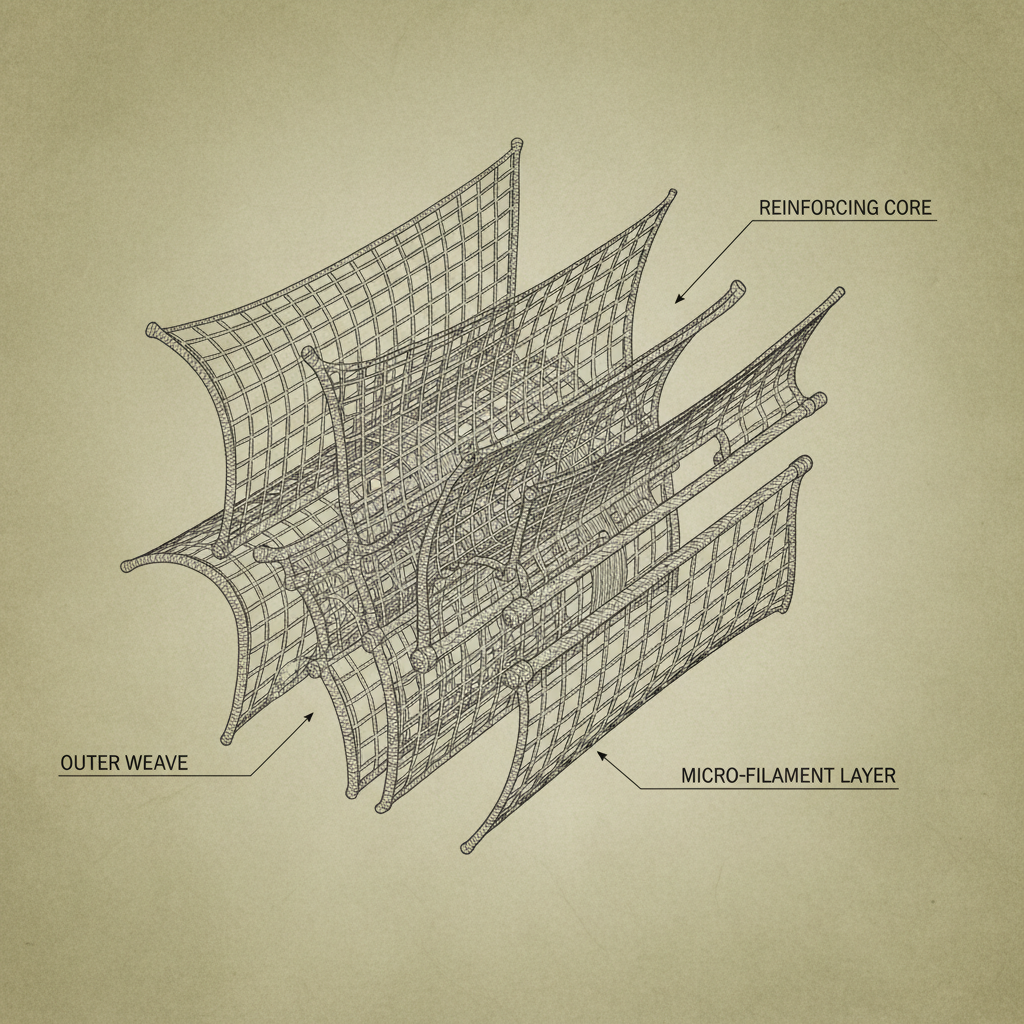
Performance of Agricultural Mesh Materials


User Application: It's Not Always What You Expect

You design something to be used in a specific way, but people always find new ways to use it – or misuse it. We had one project where we supplied a special mesh for reinforcing concrete. We expected it to be embedded in the concrete, but the workers started using it as a temporary walkway!

It held, surprisingly. But it wasn't what it was designed for. That’s why it’s so important to understand how people are actually interacting with your products, not just how they’re supposed to.

Advantages & Disadvantages: A Balanced View

Agricultural mesh, in general, offers great strength-to-weight ratio and ease of installation. Prefabricated elements streamline construction and minimize on-site waste. It's a win-win, right? Well, not always. The initial investment can be higher, especially for specialized materials.

And you’re reliant on the manufacturer to get things right. If they mess up the dimensions or the coating, you’re stuck with a problem. Also, the design needs to be finalized upfront. Changes are much harder to make once everything is fabricated.

It is, to put it plainly, a process that requires meticulous planning and communication.

Customization and the Shenzhen Smart Home Boss

We can customize a lot of things, within reason. Different sizes, coatings, hole patterns… we’ve even done custom colors. But it adds cost and lead time.

Last month, that small boss in Shenzhen who makes smart home devices insisted on changing the interface to for the mounting brackets. Said it was “more modern.” It added two weeks to the production schedule and increased the cost by 15%. He didn’t even explain why he wanted . Just “it looks better.”

Anyway, I think customization is good, as long as it’s justified and doesn’t create unnecessary complexity.

Summary of Agricultural Mesh Material Properties

Material Type Cost (Relative) Weight (kg/m²) Ease of Installation (1-5)
Galvanized Steel Low 7.5 3
Polymer Composite A Medium 3.2 4
Polymer Composite B Medium-High 2.8 4.5
High-Strength Alloy X High 5.5 3.5
Reinforced Concrete Low-Medium 8.0 2
Stainless Steel 304 Medium-High 7.8 3

FAQS

What's the best way to prevent corrosion on galvanized steel in a coastal environment?

In a coastal setting, regular inspection and the application of a protective coating are crucial. Zinc-rich paint or a powder coating can significantly extend the lifespan of galvanized steel, especially when exposed to salt spray. We've seen success with a two-coat system – a zinc primer followed by an epoxy topcoat. It’s extra work upfront, but it saves headaches later. Don’t underestimate the importance of cleaning off any salt buildup.

How do polymer composites perform in extreme temperatures?

Polymer composites can be tricky with temperature swings. High heat can cause them to soften and lose strength, while freezing temperatures can make them brittle and prone to cracking. It really depends on the specific polymer used. We typically recommend avoiding using them in applications where they’ll experience sustained temperatures above 60°C or below -20°C. It's worth getting a thermal analysis done for your specific application.

What's the biggest mistake people make when installing prefabricated elements?

Rushing the foundation. Seriously. If the foundation isn't perfectly level and aligned, the whole prefabricated structure will be compromised. It creates a cascade of problems down the line. Take your time with the foundation, double-check everything, and don't cut corners. It’s the most important part. I've seen entire projects delayed for weeks because of a faulty foundation.

How easy is it to modify a prefabricated structure after it's been installed?

Not easy. That’s the point of prefabrication – precision and control. Modifying it often requires specialized tools and expertise, and it can compromise the structural integrity. It’s always better to anticipate any necessary modifications during the design phase. Cutting into it voids warranties too. Trying to add a doorway after the fact? Forget about it.

What are the long-term maintenance requirements for these materials?

Galvanized steel needs regular inspection for rust, especially in harsh environments. Polymer composites need to be checked for UV degradation and potential cracking. Alloy X needs less maintenance, but it's expensive to replace if it does fail. Concrete... well, concrete cracks, it’s what it does. Regular inspection and preventative maintenance are key to maximizing the lifespan of any material.

Are there any new materials on the horizon that could disrupt the industry?

Graphene-enhanced composites are getting a lot of buzz. They promise incredible strength and lightness, but they're still very expensive and difficult to manufacture at scale. We’re also seeing some interesting developments with bio-based polymers, but their durability is still a concern. It’s all early days, but it’s definitely worth keeping an eye on.

Conclusion

So, where does this leave us? Prefabrication and new materials are changing the game, but it’s not a magic bullet. There are challenges – logistical headaches, design complexities, and the need for careful planning. But the potential benefits – faster construction, reduced waste, and improved quality – are significant. Ultimately, it's about finding the right balance between innovation and practicality.

My advice? Don’t get caught up in the hype. Focus on the fundamentals – solid design, quality materials, and skilled labor. And remember, whether this thing works or not, the worker will know the moment he tightens the screw.

Franklin Bell

Franklin Bell

Franklin Bell is a Research and Development Specialist at Anping County Yongji Products Co., Ltd. focused on the advancements in nylon woven mesh technologies. He has a background in agricultural science and has dedicated the last 8 years to exploring the versatile applications of nylon mesh in crop protection and
Previous Optimizing Crop Production with Innovative Agriculture Shade Net Solutions
Next Comprehensive Guide to Anti Bird Net for Agriculture and Effective Bird Control
text