Look, I’ve been running around construction sites for fifteen years, and I’ve seen a lot of things come and go. Lately, everyone's obsessed with lightweight, high-strength materials. It’s all about reducing labor costs, you know? But "lightweight" doesn't always mean "easy to handle." To be honest, some of these new polymers… they feel weird. Like they’ll snap if you look at them wrong. And don’t even get me started on the smell – some of those curing agents…oof.
What’s really been getting attention is the push for more sustainable solutions. People are finally realizing that slapping a ‘green’ label on something isn’t enough. It needs to actually be better for the environment, and it needs to perform. I saw a guy try to sell me "eco-friendly" rebar last year… total garbage. Bent like a noodle.
The biggest mistake I see designers make? Overcomplicating things. They design this beautiful, intricate piece, but forget that someone’s gotta actually build it in the mud and rain. Have you noticed that? They spend months in the office, then send it to us, and we're like, "Seriously?"
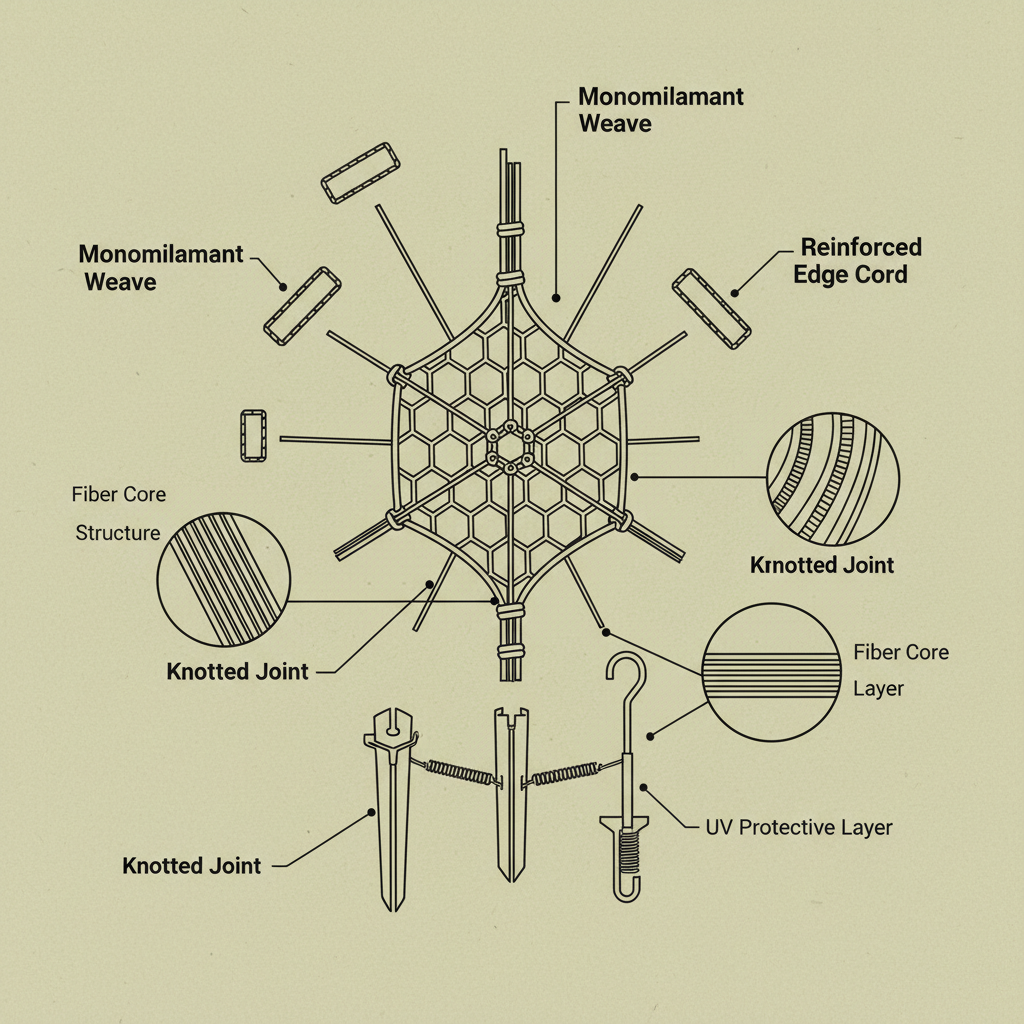
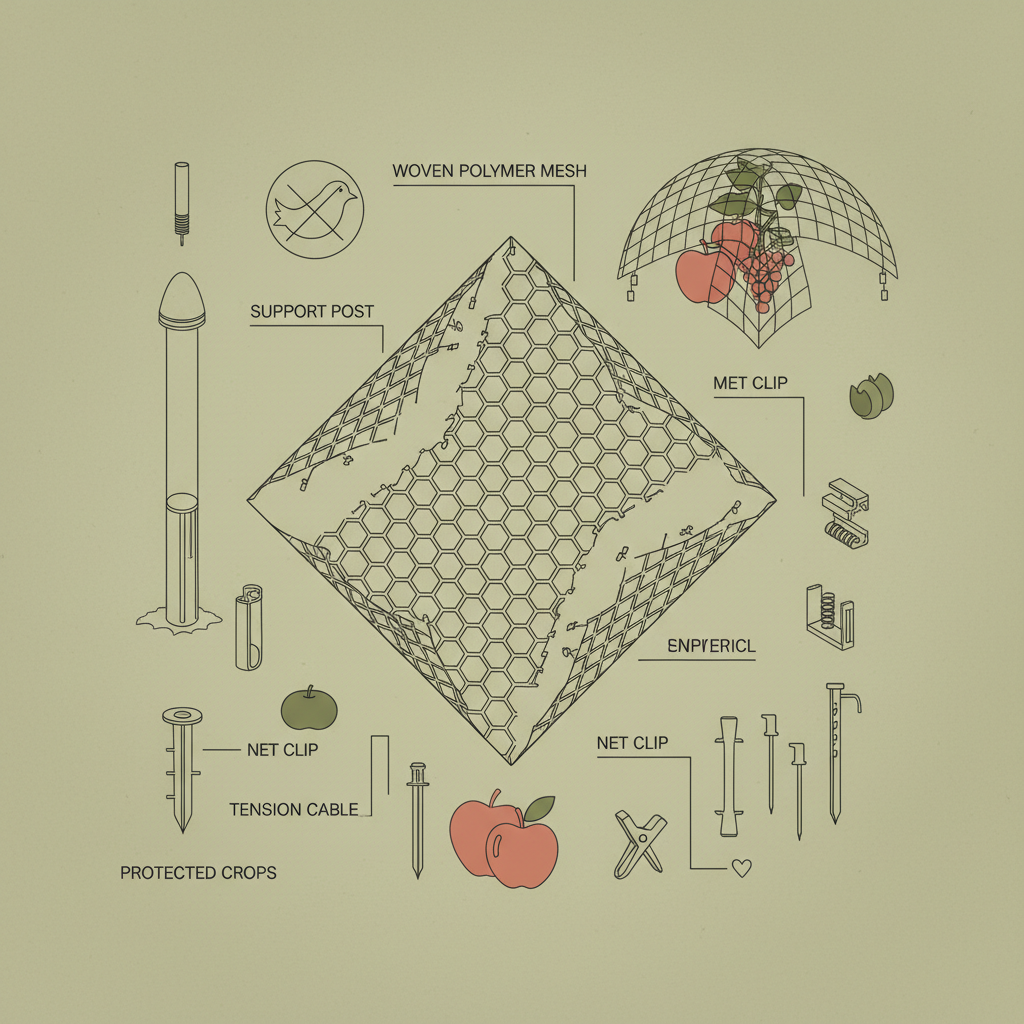
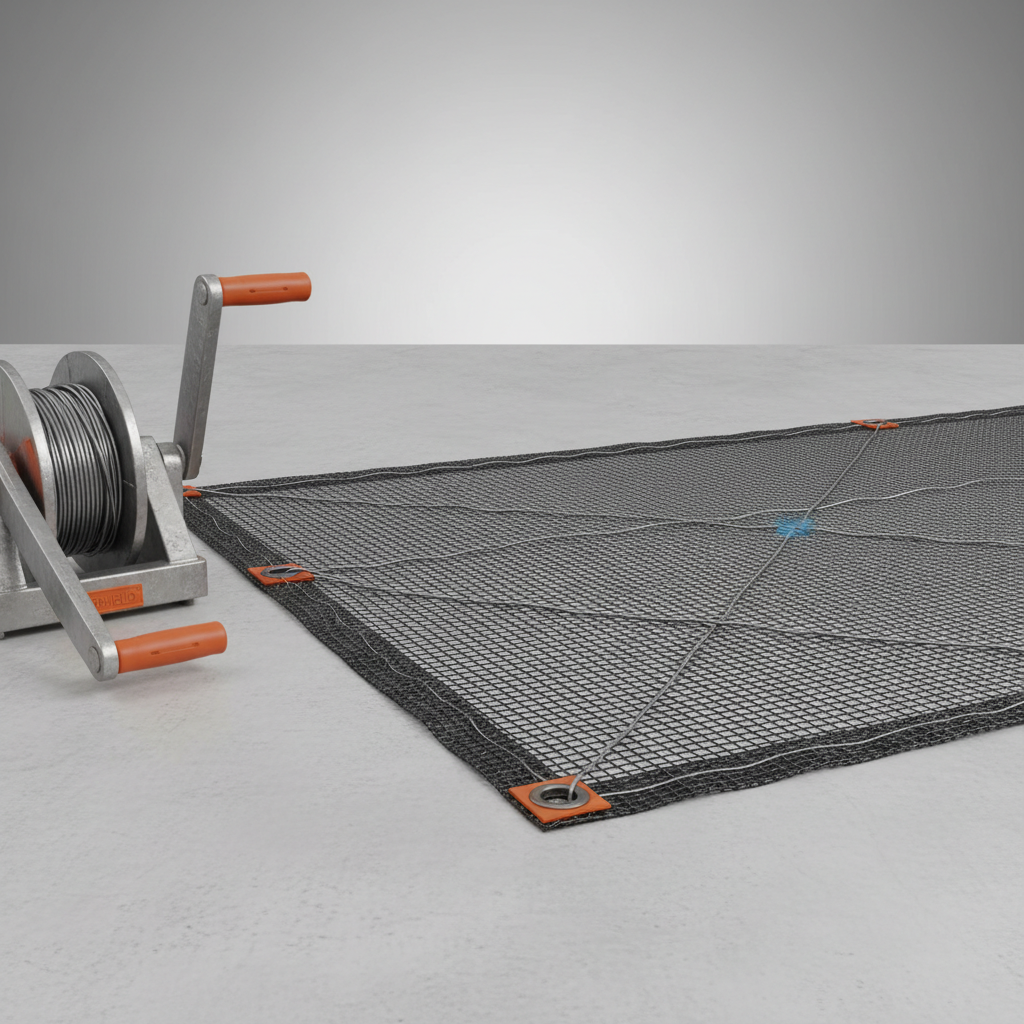
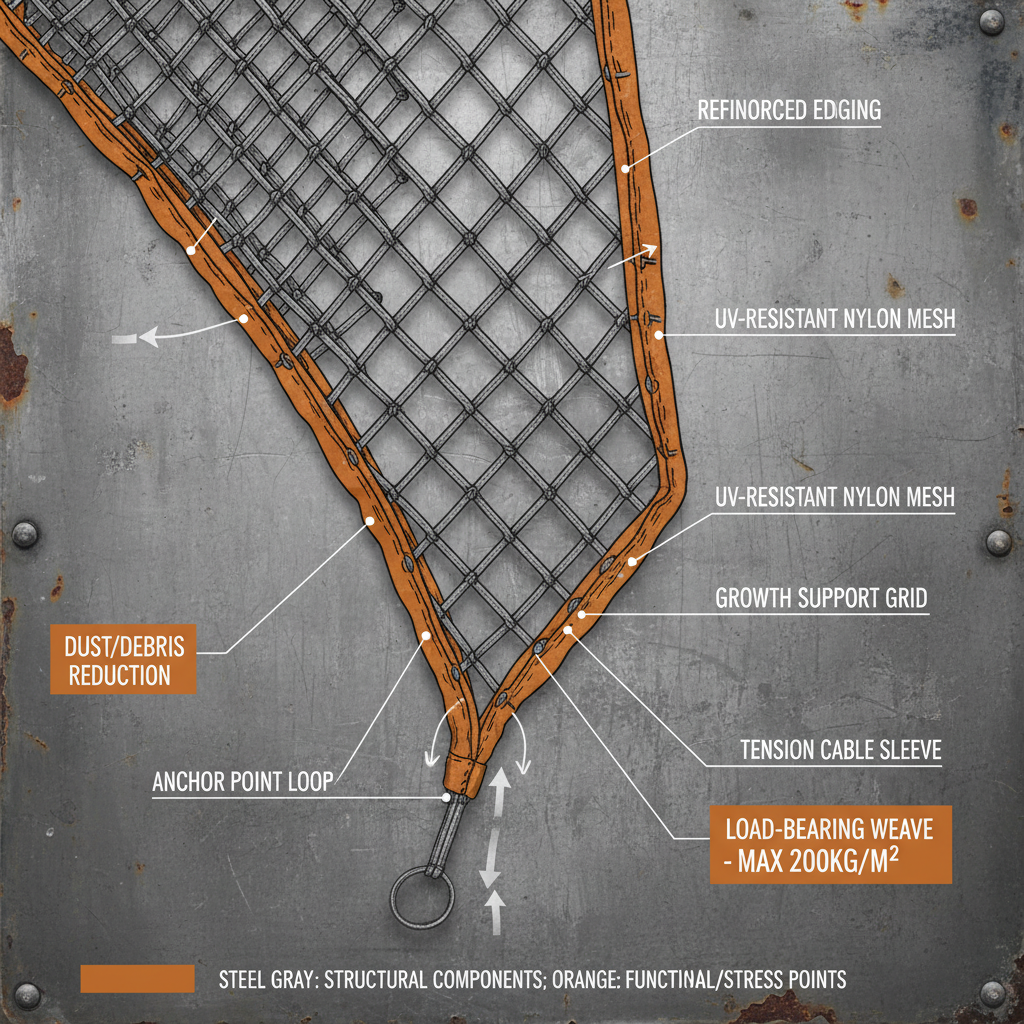
Strangely enough, the biggest trend isn't necessarily a new material, it’s the size of the netting. Farmers are moving towards larger rolls, fewer seams. Makes sense, right? Less time patching, less chance of birds finding a weak spot. But it’s also about UV resistance. You’d think it’s obvious, but some of this imported stuff… fades to dust after one season. I encountered this at a pomegranate farm in California last time. The owner was furious.
There's also this push for bird netting that's more "invisible." The really fine mesh stuff. It's expensive, but apparently, it’s less visually disruptive for tourists. Can you believe that? Farmers are thinking about aesthetics now.
Blueberries are tricky because the birds can be persistent. You generally want a mesh size of around 1/2 inch or smaller to effectively keep out most common bird species. Anything larger, and they'll just poke their heads through. But remember, smaller mesh can also restrict airflow, so you need to balance protection with ventilation. I've seen folks use a double layer of netting for particularly problematic areas. It adds cost, but it can be worth it if you're losing a significant portion of your crop.
That really depends on the material and the quality. Standard PE netting might only last a season or two if it's exposed to direct sunlight and strong winds. HDPE netting, especially with UV stabilizers, can last five years or more. But even the best netting will eventually degrade. Look for signs of brittleness, tearing, or significant fading. Regular inspection and maintenance – patching up small holes – can extend its lifespan considerably. Don’t skimp on the anchoring, either – that’s where a lot of netting fails.
That’s a good question. The goal isn't to harm the birds, obviously, but netting can pose a risk if birds get entangled. To minimize this, choose netting with a looser weave, and make sure it’s installed tautly to reduce the chances of birds getting caught. Regularly inspect the netting for any trapped birds and release them immediately. Some manufacturers are now offering “bird-safe” netting with specific designs to reduce entanglement. It’s a bit more expensive, but it’s worth considering if you’re concerned about wildlife.
There are a lot of ways to do it, but the key is to be secure without damaging the tree. Plastic clips designed for netting are a good option, but they can become brittle in the sun. Zip ties work, but make sure they’re not too tight. I’ve seen farmers use ropes tied around branches, but that can girdle the tree if left on for too long. For larger trees, you might need to create a frame to support the netting. It’s a bit more work upfront, but it’s more effective and less likely to damage the tree in the long run.
Cleaning is important to remove bird droppings and debris that can accelerate degradation. A gentle wash with mild soap and water is usually sufficient. Avoid harsh chemicals or abrasive cleaners. Rinse thoroughly and allow the netting to dry completely before storing it. Store it in a dry, dark place to protect it from UV exposure and moisture. Folding it neatly will help prevent tangling and make it easier to deploy next season.
Unfortunately, most agricultural netting isn't easily recyclable due to the polymer composition and potential contamination with organic matter. However, some manufacturers are starting to explore recycling programs or using recycled materials in their products. Check with your local recycling facilities to see if they accept agricultural plastics. If not, consider repurposing the netting for other uses around the farm, such as covering compost piles or protecting seedlings. Reducing waste is always a good idea.
So, to wrap things up, anti-bird netting isn’t glamorous, but it's essential. It’s about protecting your investment, reducing losses, and ensuring a good harvest. Choosing the right material, proper installation, and regular maintenance are all critical. It’s a relatively simple solution, but it requires attention to detail.
Look, this stuff is always evolving. New materials, new designs… But at the end of the day, it's the farmer in the field who'll tell you what really works. And honestly? If it doesn’t make their life easier, it doesn’t matter how fancy it is. Visit our website at www.yjwiremesh.com to learn more about our range of agricultural netting solutions.