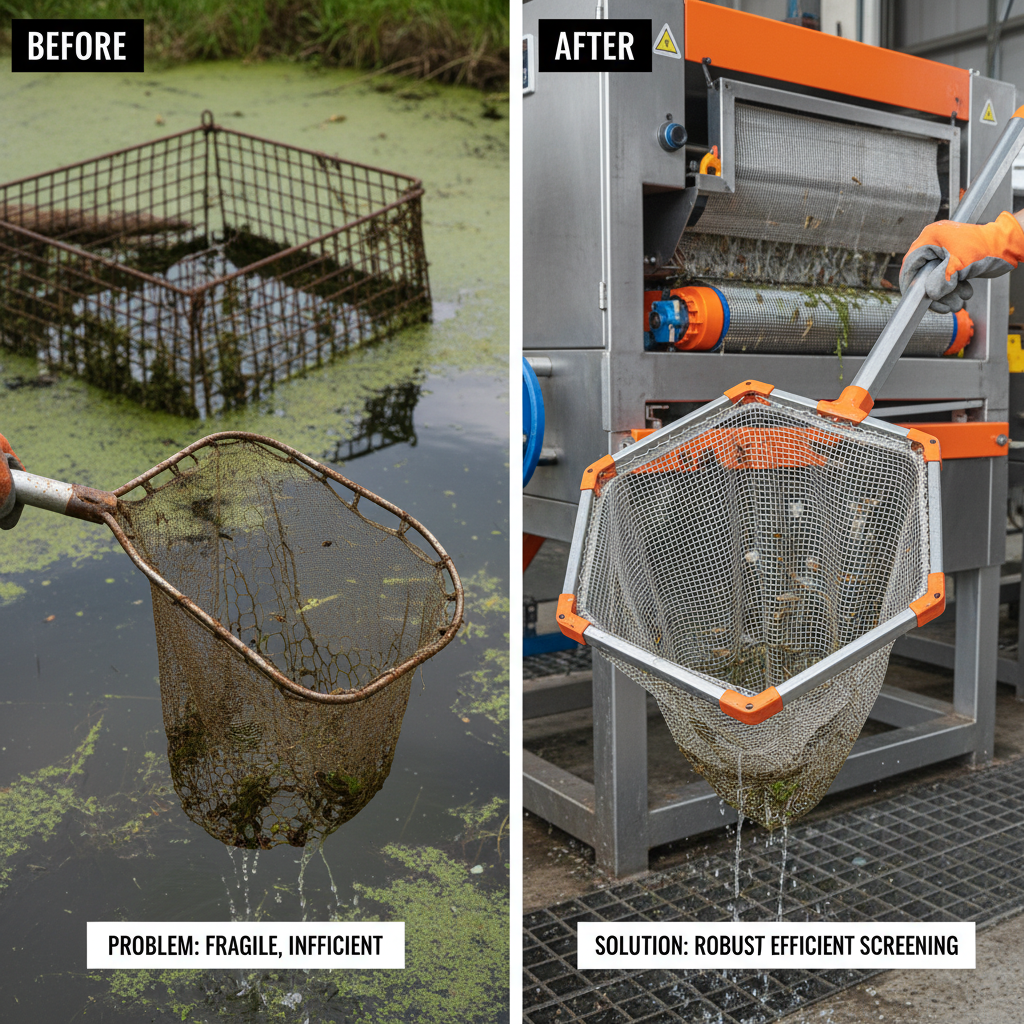
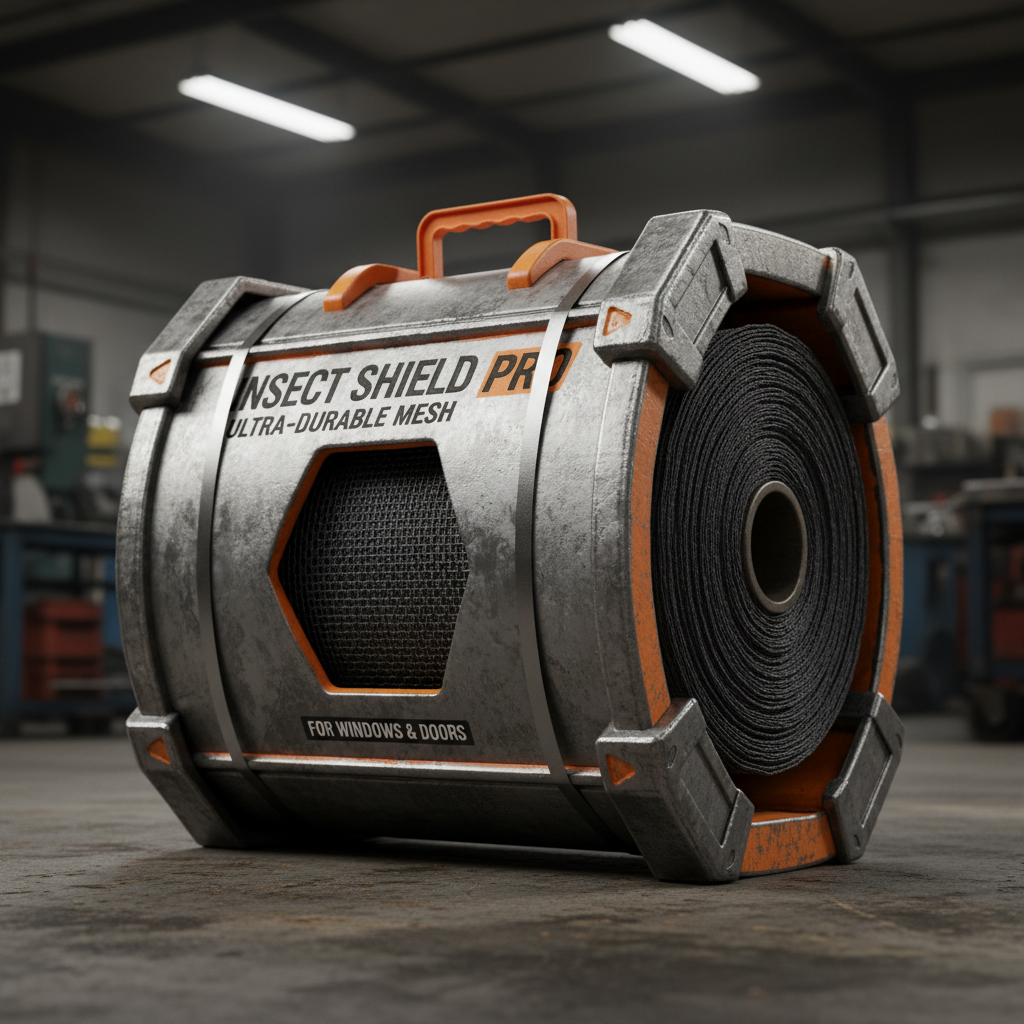
Insect proof mesh is rapidly becoming a crucial component in safeguarding public health, food security, and overall quality of life globally. From protecting crops from damaging pests to preventing the spread of vector-borne diseases like malaria and dengue fever, its applications are diverse and far-reaching. Understanding the science, materials, and implementation of insect proof mesh is therefore vital for researchers, policymakers, and individuals alike.
The demand for effective insect control solutions is escalating due to climate change, increasing urbanization, and global travel, which facilitate the spread of invasive species and disease vectors. This surge in demand drives innovation in mesh materials and deployment techniques, pushing the boundaries of what’s possible in pest and disease management. Insect proof mesh represents a cost-effective and sustainable approach compared to many chemical alternatives.
Recognizing the importance of insect proof mesh allows for targeted investments in research, development, and implementation, ultimately leading to healthier communities, more secure food supplies, and a more resilient planet. The technology is no longer a simple barrier but a complex system designed to address pressing global challenges.
The Global Significance of insect proof mesh
Globally, insect-borne diseases affect billions of people annually. According to the World Health Organization (WHO), malaria alone caused 619,000 deaths in 2021, primarily among young children in sub-Saharan Africa. Furthermore, agricultural losses due to insect pests are estimated at billions of dollars each year, threatening food security worldwide. The United Nations Sustainable Development Goals (SDGs) – specifically goals related to health, food security, and sustainable agriculture – are directly impacted by effective insect control measures, where insect proof mesh plays a significant role.
Insect proof mesh offers a proactive approach to mitigating these risks. Rather than relying solely on reactive measures like pesticide application, it provides a physical barrier, preventing insects from accessing vulnerable populations and resources. The growing awareness of the detrimental effects of pesticides on human health and the environment is fueling the demand for sustainable alternatives like improved insect proof mesh technologies.
Defining Insect Proof Mesh
Insect proof mesh, in its simplest form, is a finely woven material designed to create a barrier that prevents insects from passing through. Traditionally constructed from materials like nylon, polyester, or polypropylene, modern insect proof mesh incorporates advanced polymers and coatings to enhance durability, UV resistance, and insect repellency. It’s not merely a physical barrier, but often a carefully engineered system designed to withstand environmental stresses.
Its connection to modern industry stems from its adaptability. It’s used in agriculture for crop protection, in public health for disease vector control (like mosquito nets), in food processing facilities to maintain hygiene standards, and in residential construction to prevent nuisance insects. It is increasingly vital for humanitarian needs, offering protection against disease and ensuring safe living conditions in disaster relief scenarios.
The evolution of insect proof mesh mirrors broader advancements in materials science and engineering, constantly adapting to address the emerging challenges posed by evolving insect populations and changing environmental conditions. This underscores its continued relevance in a world facing complex global challenges.
Core Components and Key Factors
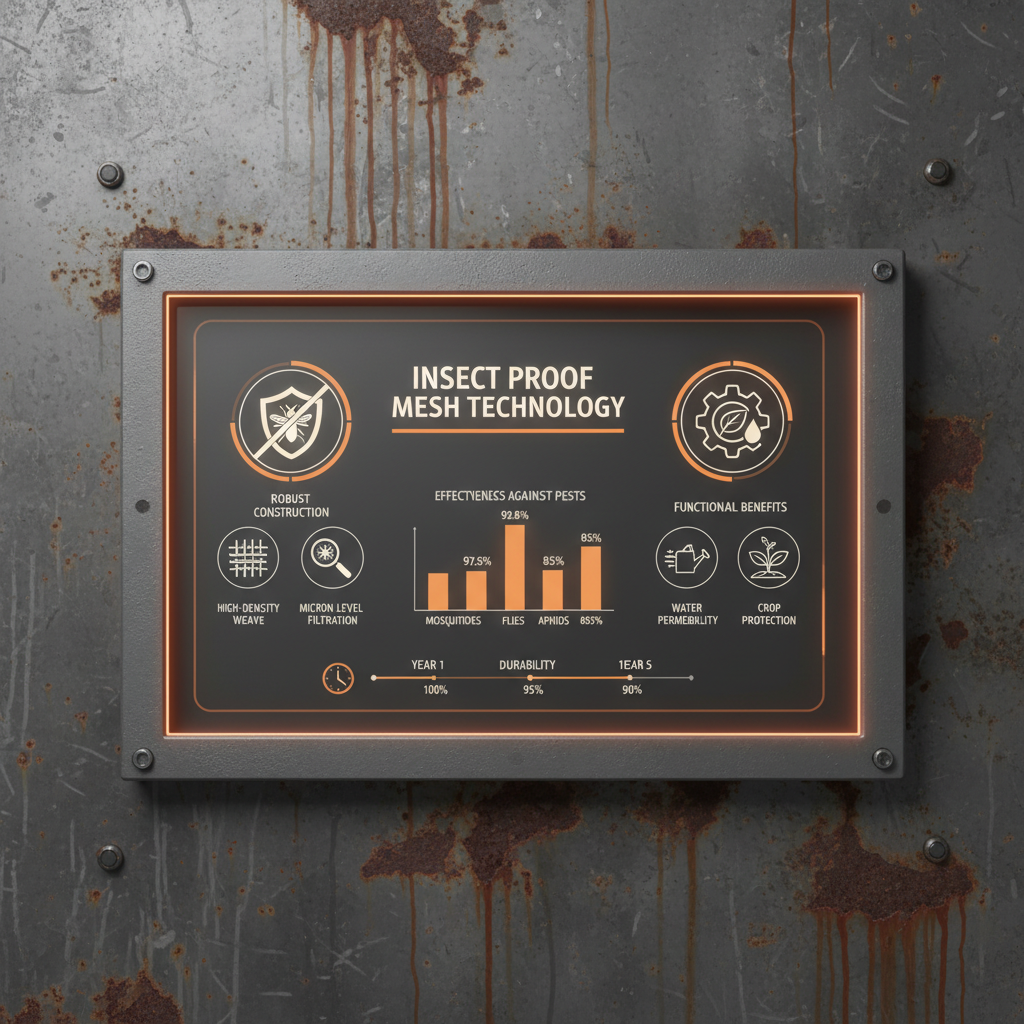
Several key factors determine the effectiveness and longevity of insect proof mesh. Durability is paramount; the mesh must withstand exposure to sunlight, rain, wind, and physical abrasion without compromising its integrity. This is closely linked to the material composition, with higher-quality polymers offering superior resistance to degradation.
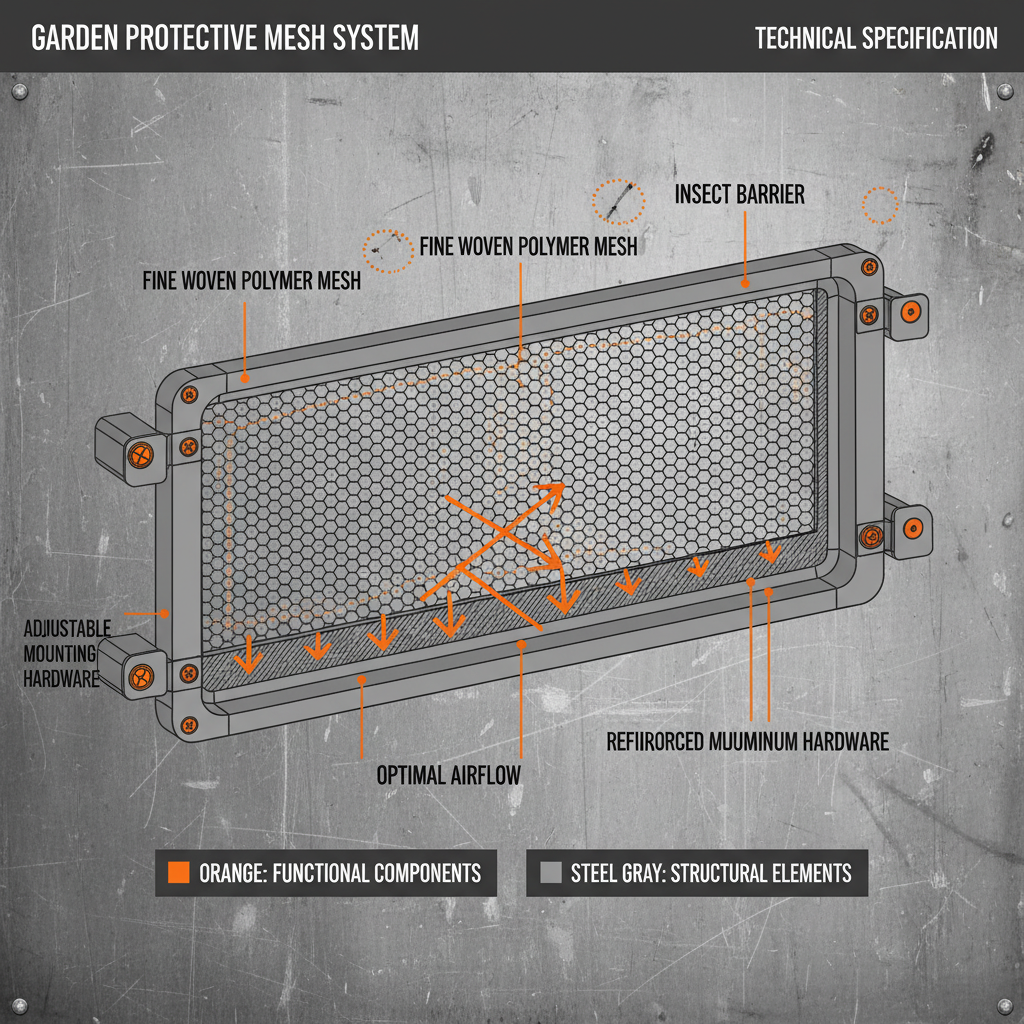
Mesh size (aperture size) is critical. The smaller the mesh openings, the more effective it is at excluding smaller insects. However, reducing mesh size often compromises airflow and can increase the cost of production. Finding the optimal balance is crucial. UV resistance is another essential factor, as prolonged exposure to ultraviolet radiation can weaken the mesh and reduce its lifespan.
Finally, scalability and adaptability are key. Insect proof mesh needs to be produced in various sizes and shapes to suit diverse applications, from large agricultural fields to small window screens. Furthermore, its adaptability to different mounting and installation techniques is essential for successful implementation.
Diverse Applications of insect proof mesh
The applications of insect proof mesh are incredibly diverse. In agriculture, it's used to protect crops like fruits, vegetables, and ornamentals from damaging insects, reducing pesticide use and improving yields. In public health, it’s the primary component of insecticide-treated bed nets, significantly reducing the incidence of malaria in endemic regions.
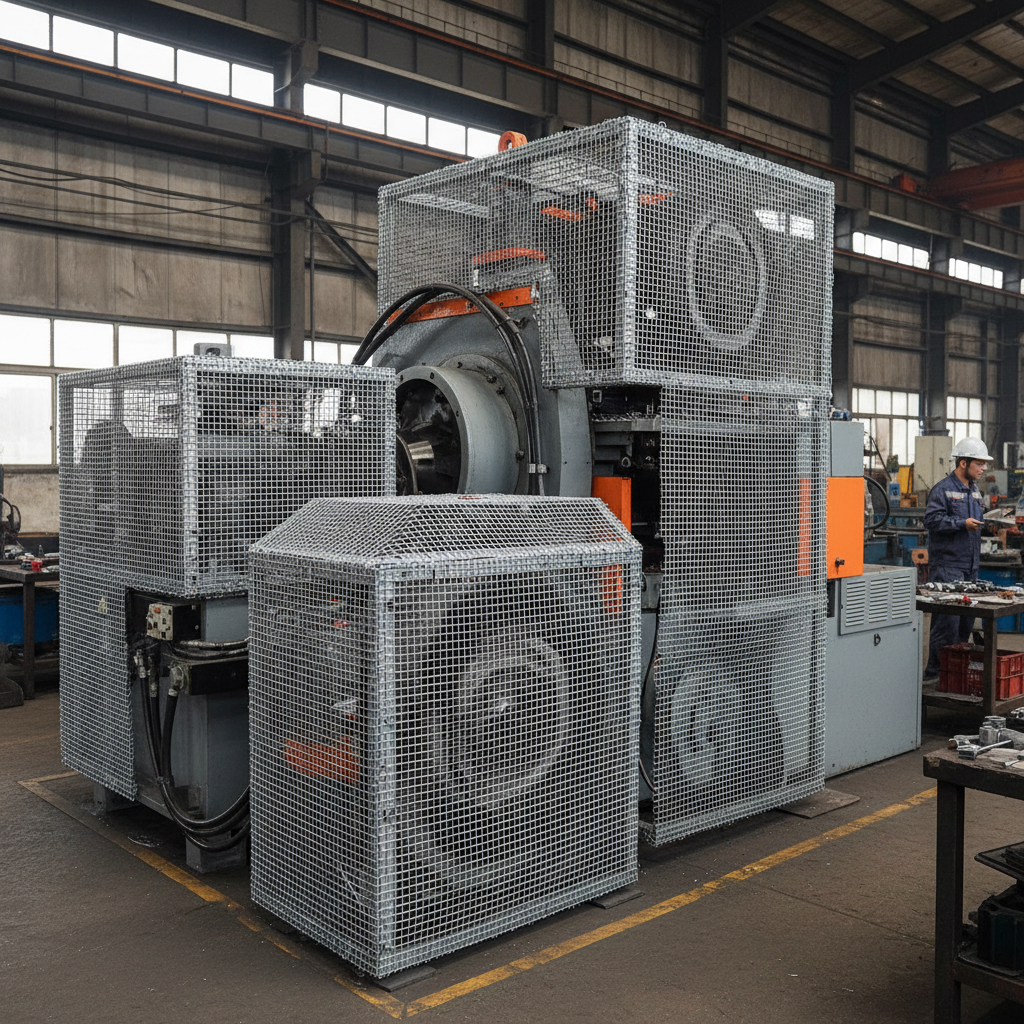
In the food industry, insect proof mesh is used in processing plants, warehouses, and transportation vehicles to maintain sanitary conditions and prevent contamination. In post-disaster relief operations, it provides immediate protection against disease-carrying insects for displaced populations. In remote industrial zones, it safeguards equipment and personnel from insect-related damage and health risks.
From aquaculture – protecting fish from predators and diseases – to residential use – preventing mosquitoes and flies from entering homes – the versatility of insect proof mesh continues to expand as new applications are discovered and developed.
Insect Proof Mesh Application Ratings
Advantages and Long-Term Value
The advantages of insect proof mesh extend beyond simple pest control. Cost-effectively, it often represents a lower long-term expense compared to continuous pesticide application, considering the costs associated with pesticide purchase, application, and the environmental remediation. Sustainability is another key benefit; it reduces reliance on harmful chemicals, minimizing environmental impact and promoting biodiversity.
The social impact is significant, particularly in public health. By preventing the spread of diseases like malaria and dengue fever, insect proof mesh improves quality of life, reduces healthcare burdens, and enhances productivity. The reliability of a physical barrier, independent of power sources or ongoing maintenance (beyond occasional repairs), offers a level of assurance that chemical treatments cannot match.
Future Trends and Innovations
Future trends in insect proof mesh point towards incorporating nanotechnology and bio-based materials. Nanomaterials can enhance the mesh’s strength, durability, and insect-repellent properties. Bio-based polymers offer a sustainable alternative to traditional petroleum-based plastics, reducing the environmental footprint of production.
Integration with smart technologies is also on the horizon. Sensors embedded within the mesh could monitor insect activity, providing real-time data for targeted interventions. Furthermore, advancements in automation are streamlining the manufacturing process, reducing costs and increasing production capacity.
Challenges and Solutions
Despite its benefits, insect proof mesh faces challenges. One common limitation is susceptibility to damage from sharp objects or extreme weather conditions. Solutions include developing stronger, more tear-resistant materials and implementing protective coatings.
Another challenge is proper installation and maintenance. Incorrect installation can compromise the mesh's effectiveness, while inadequate maintenance can lead to premature degradation. Improved training programs for installers and the development of self-repairing mesh materials are potential solutions.
Finally, the cost of high-performance insect proof mesh can be prohibitive for some communities. Research into more affordable materials and production techniques is crucial to ensuring equitable access to this vital technology.
Summary of Key Challenges and Solutions for Insect Proof Mesh Implementation
| Challenge |
Impact on insect proof mesh |
Proposed Solution |
Implementation Cost (1-10) |
| Physical Damage (tears, punctures) |
Reduced barrier effectiveness, increased insect penetration |
Develop high-tensile strength materials, self-healing polymers |
7 |
| UV Degradation |
Mesh brittleness, loss of integrity over time |
UV-stabilizing coatings, alternative polymer compositions |
6 |
| Improper Installation |
Gaps and weak points, reducing protective coverage |
Standardized installation guidelines, certified installer training |
5 |
| High Initial Cost |
Limited accessibility for low-income communities |
Economies of scale in production, subsidized programs |
8 |
| Environmental Factors (extreme weather) |
Mesh deformation or failure during storms |
Aerodynamic mesh designs, reinforced anchoring systems |
7 |
| Lack of Awareness |
Underutilization of effective pest control method |
Public health campaigns, educational programs |
4 |
FAQS
The most common materials are polyester, nylon, polyethylene, and polypropylene. Polyester offers good strength and UV resistance, while nylon provides high tensile strength. Polyethylene is cost-effective and lightweight, and polypropylene is known for its chemical resistance. Newer formulations are incorporating bio-based polymers for sustainability. The selection depends on the intended application and required performance characteristics. Material choices also influence the mesh's durability and longevity.
Insect proof mesh offers a sustainable alternative to pesticides. Unlike pesticides, it doesn't introduce harmful chemicals into the environment or pose risks to human health. It provides a physical barrier, effectively preventing insect access, whereas pesticides require repeated applications and can lead to insect resistance. While initial costs might be higher, the long-term costs are often lower due to reduced pesticide expenses and associated environmental remediation.
The lifespan varies depending on the material, environmental conditions, and maintenance. Generally, polyester and nylon meshes can last 3-5 years, while polypropylene may have a shorter lifespan. To extend lifespan, avoid physical damage, protect from prolonged UV exposure with coatings, and regularly inspect for tears or wear. Proper installation also plays a vital role.
Effectiveness depends on the mesh aperture size. Smaller mesh sizes are effective against smaller insects like mosquitoes and fruit flies. Larger mesh sizes are suitable for excluding larger pests like moths or beetles. It’s important to select a mesh with an appropriate aperture size for the target pests. Insect proof mesh doesn’t typically deter insects that can chew through the material, so material selection is crucial.
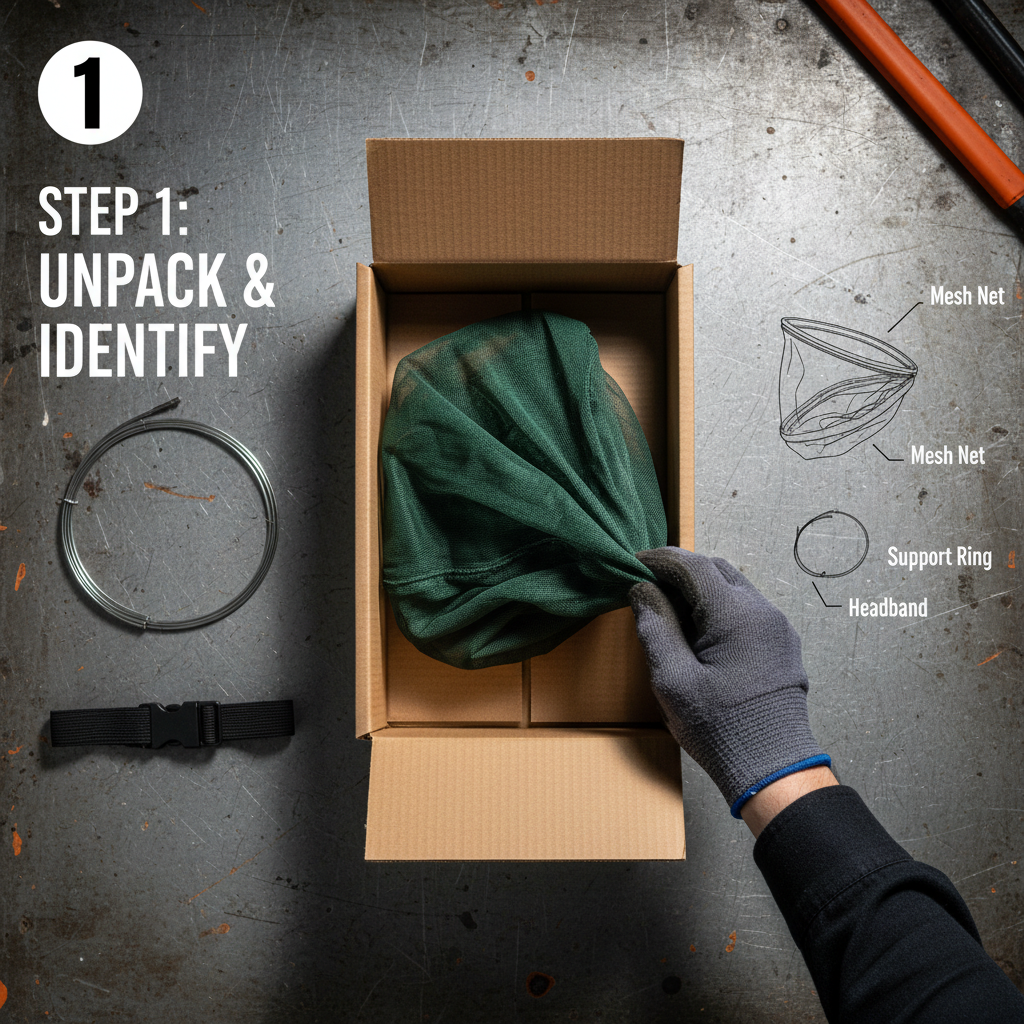
Key considerations include ensuring a secure and airtight seal around the perimeter of the protected area. Proper tensioning is essential to prevent sagging and maintain effectiveness. Consider wind loads and select a mesh with sufficient strength to withstand them. The mesh should also be compatible with irrigation systems and other agricultural practices. Regular inspection and repair are essential, particularly after storms.
Insect proof mesh is a cornerstone of malaria prevention through insecticide-treated bed nets, reducing mosquito-borne disease transmission. It's also used in house screening programs in disease-prone regions. In disaster relief scenarios, it quickly provides protective barriers against disease vectors for displaced populations. Research is underway to develop innovative mesh materials with enhanced insecticidal properties, further improving public health outcomes.
Conclusion
Insect proof mesh is far more than a simple barrier; it’s a versatile and vital technology addressing pressing global challenges related to public health, food security, and sustainable agriculture. Its core strengths – durability, adaptability, and cost-effectiveness – position it as a key component in proactive pest and disease management strategies. From protecting crops to preventing the spread of deadly diseases, insect proof mesh offers a tangible and sustainable solution.
Looking forward, continued innovation in materials science, nanotechnology, and smart technologies will further enhance the performance and applicability of insect proof mesh. Investment in research, education, and equitable access to this technology is crucial to maximizing its potential and building a healthier, more resilient future for all. Visit our website at insect proof mesh to learn more about our products and solutions.