Look, I’ve spent the last fifteen years on construction sites, getting my hands dirty, and let me tell you, having the right tools isn’t just about getting the job done faster – it’s about safety, efficiency, and frankly, not wanting to redo work because you couldn’t accurately assess what you were dealing with. That’s where a good aquatic insect net comes in. It’s not glamorous, but it’s absolutely essential for environmental monitoring, water quality assessments, and ensuring we’re not disrupting ecosystems unnecessarily. We’re building in the environment, so understanding it is paramount.
Too often, I see projects push forward without a solid understanding of the aquatic insect populations in a given area. It’s a shortcut, plain and simple. But those shortcuts can lead to delays – regulatory hurdles, environmental impact studies that need to be redone, fines… it adds up. A properly deployed aquatic insect net gives us the baseline data we need before we even break ground. It's preventative maintenance for the environment, and it saves money in the long run.
It’s not just about compliance, either. Knowing what’s living in the water tells us a lot about the overall health of the ecosystem. Are there pollution issues? Is the habitat suitable for certain species? This information informs our construction practices, allowing us to minimize our impact and even improve the environment in some cases. It’s about building responsibly, and frankly, it's something more and more clients are demanding.
The Importance of Aquatic Insect Netting in Construction
Honestly, you wouldn't believe how many projects stumble because they underestimate the importance of baseline environmental data. An aquatic insect net isn't just some scientific tool; it’s a vital component of responsible construction. It allows us to proactively identify potential environmental risks, ensuring we comply with regulations and minimize disruption to the natural habitat. It’s about avoiding headaches down the line.
I’ve seen projects held up for months because of unforeseen environmental issues. A simple, thorough assessment using an aquatic insect net upfront could have prevented all of it. It's a relatively small investment for a potentially massive return in terms of time, money, and reputation.
Defining Aquatic Insect Netting for Practical Use
Let’s cut through the jargon. An aquatic insect net is essentially a specialized sampling tool used to collect insects and other small invertebrates from freshwater environments – rivers, streams, ponds, lakes. We’re not talking about a butterfly net here; these are designed with specific mesh sizes and construction to efficiently capture and retain these tiny creatures for identification and analysis.
Why is this important? Aquatic insects are bioindicators, meaning their presence, absence, or abundance tells us a lot about the water quality and overall health of the ecosystem. Different species have different tolerances to pollution, so by identifying what's present, we can assess the impact of our construction activities.
It connects directly to modern environmental regulations and the increasing demand for sustainable construction practices. Clients aren’t just looking for projects completed on time and under budget; they want to know we’re doing it responsibly, and the aquatic insect net is a key part of demonstrating that commitment.
Core Components of Effective Aquatic Insect Netting
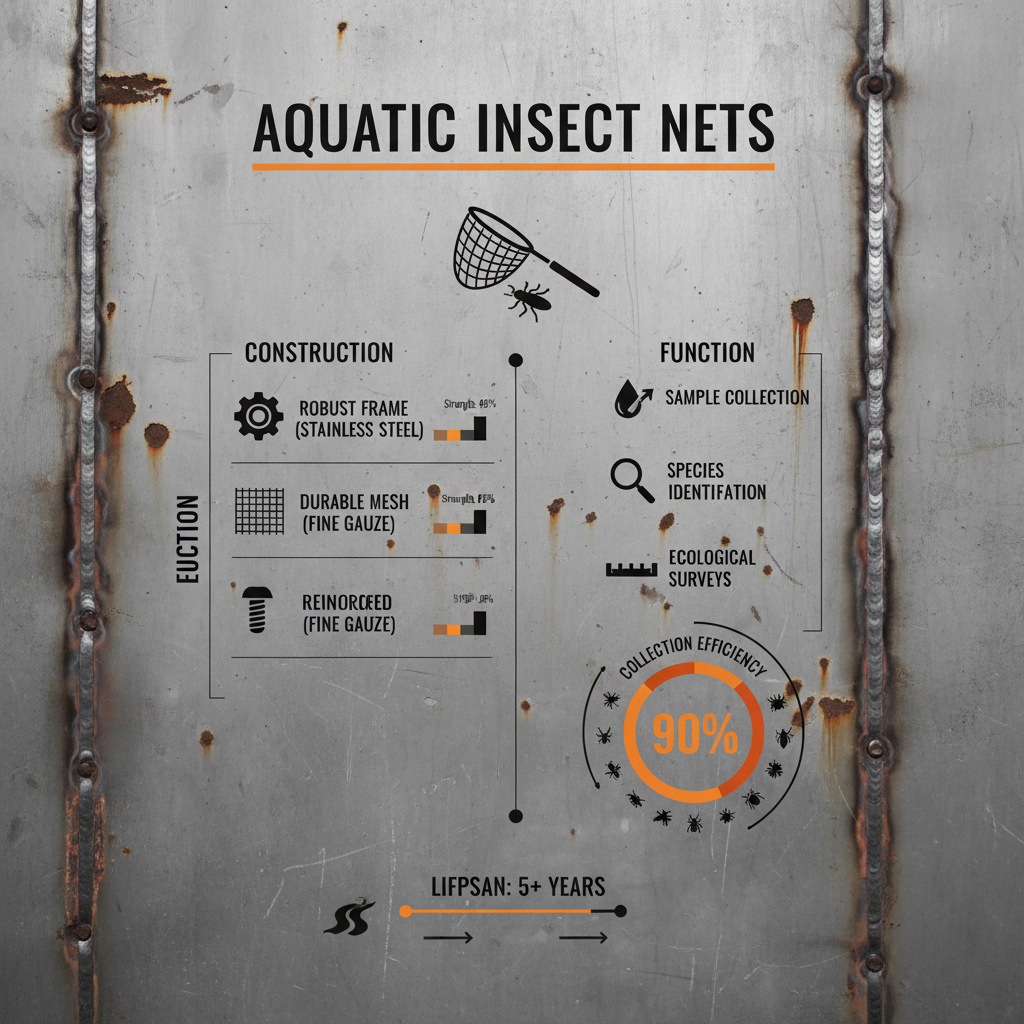
When I’m spec’ing out a net for a job, I’m looking at a few key things. First, the mesh size. Different mesh sizes capture different insects, so you need to choose one appropriate for the species you’re targeting. Second, the frame – it needs to be durable enough to withstand the rigors of field work, and preferably lightweight for ease of use.
The handle is critical. You’re often working in awkward positions, so a comfortable, non-slip grip is essential. And finally, the collection jar or bag – it needs to be easily removable and secure to prevent losing your samples. A poorly constructed aquatic insect net is more trouble than it’s worth.
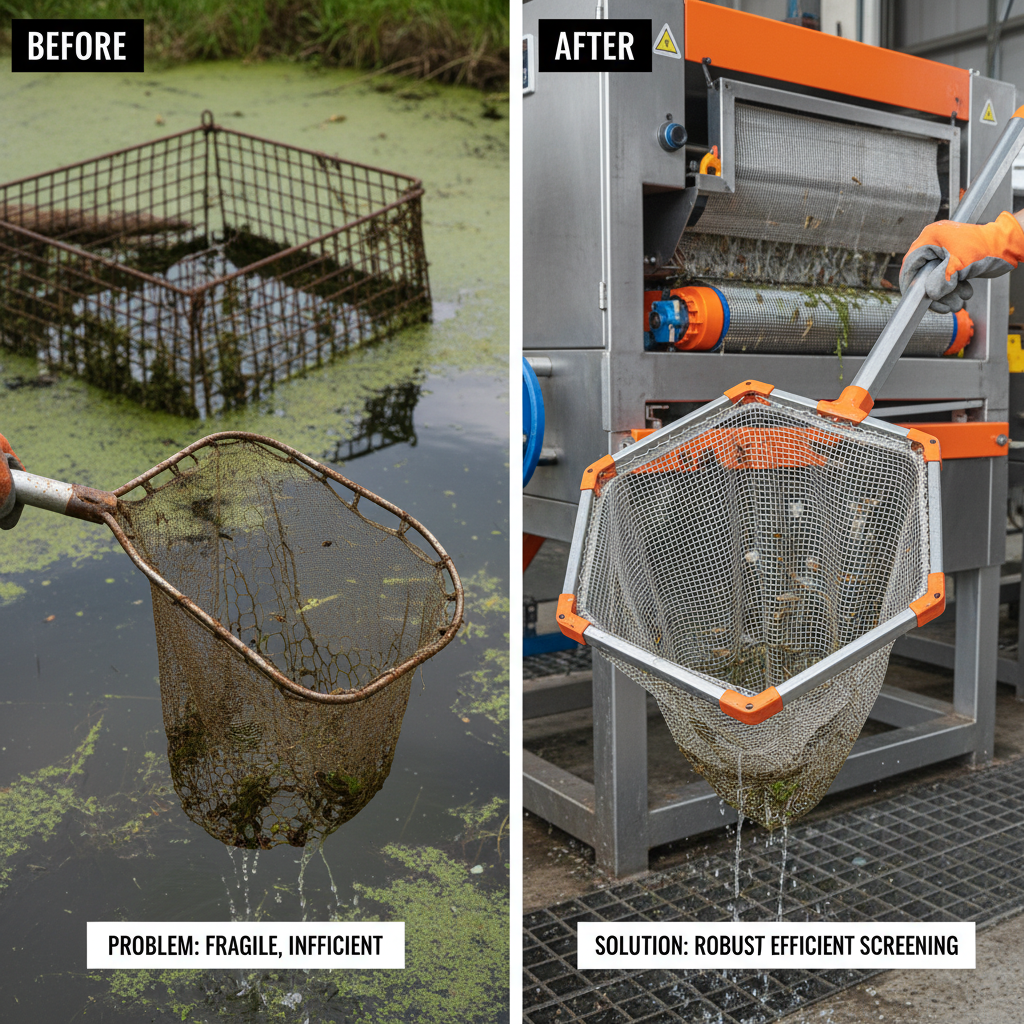
The material of the net itself is also key. It needs to be resistant to abrasion and chemicals, as it’ll be constantly exposed to varying water conditions and potential pollutants. I’ve seen nets fall apart mid-sample, which is a complete waste of time and effort.
Global Applications and Use Cases in Environmental Monitoring
This isn’t just a local issue. I’ve worked on projects all over the world, and the need for accurate aquatic insect assessments is universal. In Europe, it’s driven by the Water Framework Directive, which requires member states to monitor and protect their water resources. In North America, the Clean Water Act has similar requirements.
I’ve seen them used extensively in post-disaster relief operations, assessing the impact of floods or hurricanes on aquatic ecosystems. They’re also crucial in monitoring the effectiveness of remediation efforts, ensuring that cleanup projects are actually improving water quality.
And it’s not just large-scale projects. I’ve worked with smaller contractors using aquatic insect nets for routine monitoring of stormwater runoff or assessing the health of local streams and rivers. It’s a versatile tool with applications across a wide range of environmental monitoring scenarios.
Aquatic Insect Netting Method Comparison
Advantages and Long-Term Value of Using Aquatic Insect Netting
Look, bottom line, using an aquatic insect net isn’t just about ticking a box on a permit application. It's about making smart decisions that save time and money in the long run. Avoiding environmental fines is a big one, obviously. But it’s also about building a reputation for responsible construction.
Clients are increasingly demanding sustainable practices, and demonstrating a commitment to environmental protection can give you a competitive edge. It's good for business, plain and simple. Plus, knowing the health of the aquatic ecosystem gives you a baseline for future monitoring, helping you identify potential problems before they become major issues.
Future Trends and Innovations in Aquatic Insect Net Technology
We’re starting to see some interesting developments in this space. More durable and lightweight materials are constantly being developed, making the nets easier to use and more reliable. There’s also a growing focus on automated sampling techniques, using remotely operated vehicles (ROVs) equipped with netting systems to access hard-to-reach areas.
And the data analysis side is evolving rapidly, with AI-powered identification tools helping researchers quickly and accurately identify aquatic insects from collected samples. This will dramatically speed up the assessment process and provide more detailed insights into ecosystem health.
The integration of digital data collection and analysis is where things are really heading. Being able to log GPS coordinates, water quality parameters, and insect identification directly into a digital database streamlines the entire process and improves data accuracy.
Challenges and Solutions in Aquatic Insect Netting Implementation
One of the biggest challenges is training. You need personnel who know how to properly deploy the net, identify the insects, and interpret the data. It's not something you can just hand off to anyone. Proper training is crucial.
Another issue is dealing with difficult terrain. Some sites are simply inaccessible, or the water conditions are too dangerous for traditional sampling methods. That’s where the ROV technology comes in, but it can be expensive.
Finally, there’s the issue of data management. Collecting data is one thing, but storing it, analyzing it, and making it accessible to stakeholders is another. Investing in a robust data management system is essential for maximizing the value of your aquatic insect assessments.
Table summarizing Key Challenges and Potential Solutions for Aquatic Insect Net Implementation
| Challenge |
Impact Severity (1-5) |
Potential Solution |
Implementation Cost (1-5) |
| Lack of Trained Personnel |
4 |
Comprehensive Training Programs |
2 |
| Difficult Site Access |
3 |
Remote Operated Vehicle (ROV) Deployment |
5 |
| Inaccurate Insect Identification |
3 |
AI-Powered Identification Tools |
3 |
| Inefficient Data Management |
4 |
Cloud-Based Data Management System |
2 |
| Net Durability Issues |
2 |
Investing in High-Quality Net Materials |
1 |
| Regulatory Compliance Complexity |
3 |
Dedicated Environmental Compliance Officer |
4 |
FAQS
Determining the optimal mesh size depends on the species you're targeting, but a 500-micron mesh is a good starting point for a broad assessment. It captures most macroinvertebrates without excessive debris. However, for more specialized studies, you might need a finer mesh to capture smaller organisms, or a coarser mesh to focus on larger ones. It’s about knowing what you need to find.
Preservation is critical for accurate identification. The standard method is to preserve samples in 70-80% ethanol. This prevents decomposition and preserves the DNA for potential genetic analysis. Make sure the samples are fully submerged in the ethanol, and label the containers clearly with the date, location, and collector's name. Don't use formaldehyde unless specifically required by the lab.
Safety first! Always wear appropriate personal protective equipment (PPE), including waders, gloves, and a life jacket if necessary. Be aware of potential hazards like slippery rocks, strong currents, and wildlife. Never sample alone, and let someone know your location and estimated return time. And, be mindful of potential waterborne illnesses.
Water velocity significantly impacts sampling efficiency. In fast-flowing streams, you need to apply more force to keep the net open and capture organisms. It’s best to sample in slower-moving areas or use a weighted net to maintain contact with the substrate. Standardized sampling protocols account for water velocity by specifying a minimum sampling time or number of sweeps.
Absolutely. Sediment pollution can smother aquatic insects and disrupt their habitat. By comparing the abundance and diversity of insects in areas with high and low sediment levels, you can assess the impact of pollution. The presence of pollution-sensitive species can be a strong indicator of water quality degradation.
A few common errors: not standardizing your sampling effort (number of sweeps, time), neglecting to identify the habitat type, improper preservation of samples, and misidentifying insects. Thorough training and adherence to established protocols are key to avoiding these mistakes. Remember, garbage in, garbage out.
Conclusion
Ultimately, the aquatic insect net is far more than just a piece of equipment. It’s a gateway to understanding the health of our aquatic ecosystems, a tool for responsible construction, and a key component of sustainable environmental management. Ignoring its importance is a risk we simply can’t afford to take.
Investing in quality equipment, proper training, and robust data management systems will pay dividends in the long run, saving time, money, and protecting our precious natural resources. Visit our website at www.yjwiremesh.com to learn more about our range of high-quality aquatic insect nets and how we can help you with your environmental monitoring needs.