The Critical Role of Bug Netting in Global Health and Disease Prevention
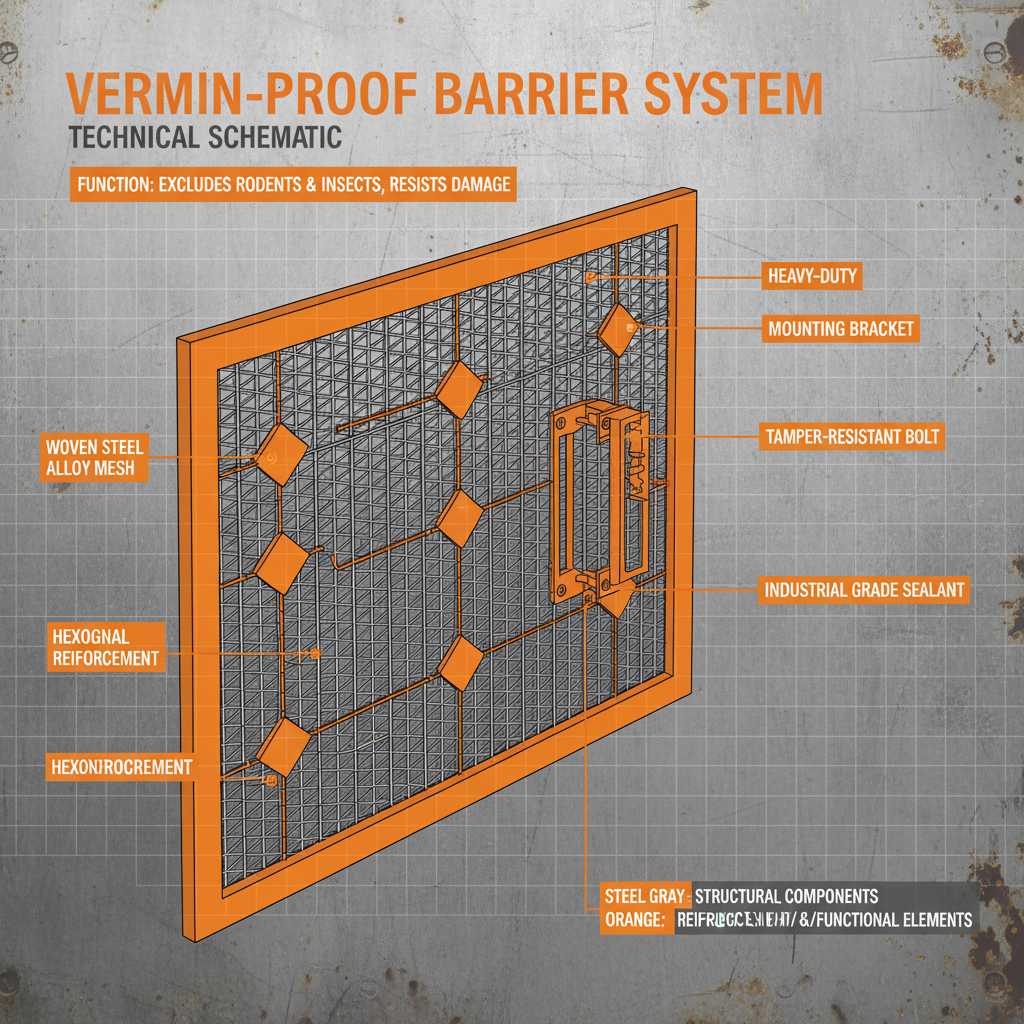
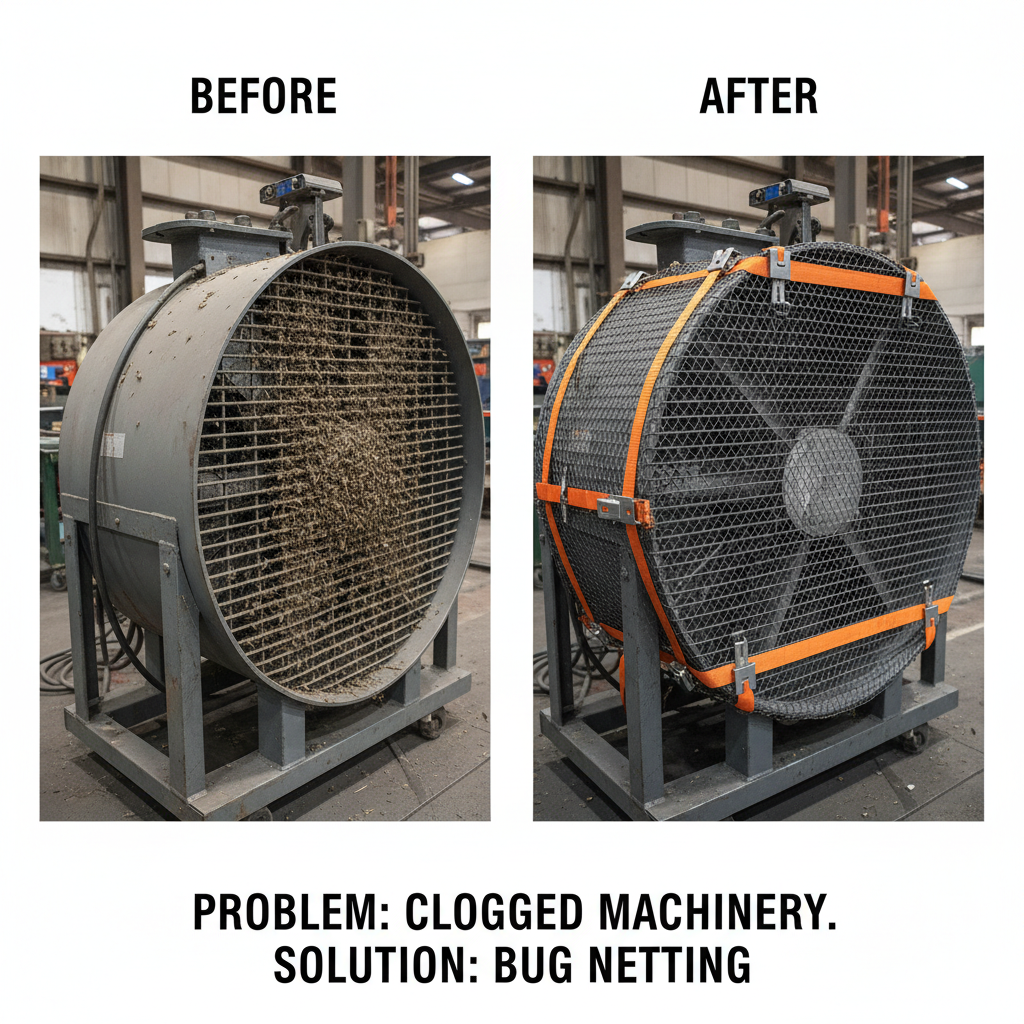
Bug netting, a seemingly simple barrier, plays a critical role in global health and safety. From preventing the spread of vector-borne diseases like malaria and dengue fever to protecting crops from insect damage, its applications are far-reaching. Understanding the nuances of bug netting – its materials, construction, deployment, and evolving technologies – is crucial for effective disease control, agricultural productivity, and humanitarian aid efforts worldwide. This understanding empowers individuals, organizations, and governments to make informed decisions about sourcing, utilizing, and innovating in the field of insect protection. The global demand for bug netting is substantial and continually increasing, driven by factors such as climate change, urbanization, and globalization. These factors expand the geographical range of disease vectors and increase human-insect contact. According to the World Health Organization, millions of insecticide-treated nets (ITNs) are distributed annually, primarily in sub-Saharan Africa, to combat malaria. However, challenges remain in ensuring equitable access, overcoming insecticide resistance, and promoting proper usage.
Read more »



 By:Walter Harrison - March 11, 2026


 By:Franklin Bell - March 6, 2026


 By:Bernard Caldwell - February 27, 2026

 By:Clarence Porter - February 24, 2026

 By:Raymond Shaw - February 22, 2026